Lemon Coconut Cheesecake Cookies
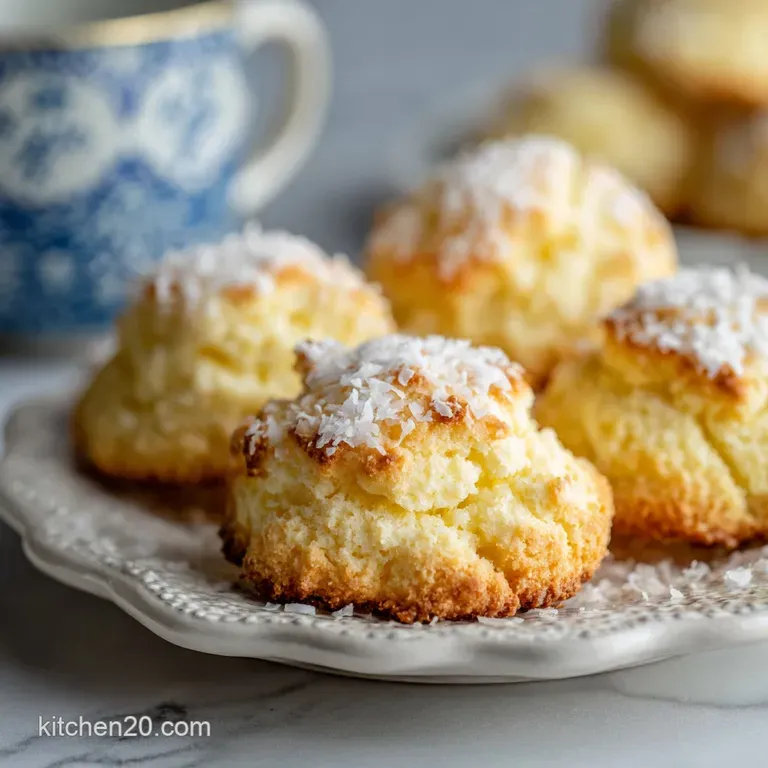
- Time: Active 20 minutes, Passive 42 minutes, Total 1 hours 2 mins
- Flavor/Texture Hook: Tangy, velvety core with a toasted coconut crunch
- Perfect for: Summer garden parties, creative bake sales, or weekend projects
- Mastering the Secret to Lemon Coconut Cheesecake Cookies
- The Physics of the Tangy Core
- Ingredient Deep Dive and the Science of Flavor
- Essential Recipe Specs for the Best Batch
- Necessary Equipment for These Tangy Tropical Treats
- Step by Step Guide to a Successful Bake
- Avoiding Kitchen Disasters and Common Cookie Errors
- Customizing Your Batch with Creative Flavor Swaps
- Keeping It Fresh and Proper Storage Methods
- Ideal Pairings to Serve with Your New Favorites
- Recipe FAQs
- 📝 Recipe Card
Mastering the Secret to Lemon Coconut Cheesecake Cookies
The first time I pulled a tray of these out of the oven, the aroma of toasted coconut and warm citrus zest literally filled the entire house. It wasn't just a sweet smell, it was bright, almost tropical, and promised something much more interesting than a standard chocolate chip cookie.
I remember sitting on my kitchen floor, waiting for them to cool just enough so I wouldn't burn my tongue, but I couldn't resist that first warm bite.
The contrast was what got me. You get that initial toasted coconut shatter, then the soft, zesty dough, and finally, this hidden pocket of creamy Neufchâtel that feels like a tiny bite of cheesecake. I've spent months revolutionizing this ratio because my first few attempts were, frankly, a mess.
The filling would leak out or the dough would be too dry, but we've finally cracked the code to making these Lemon Coconut Cheesecake Cookies a total success every single time.
This isn't just about mixing ingredients, it's about connecting different textures into one cohesive platform of flavor. We're using coconut sugar to give the dough a deeper, slightly caramel like base that supports the sharp lemon without being overly cloying.
Trust me on this, once you see how that honey sweetened center stays soft while the edges get that golden crispness, you'll never go back to plain sugar cookies.
The Physics of the Tangy Core
To get that specific texture, we have to look at how these elements interact under heat. It is a bit like a culinary engineering project, but way more tasty.
- Fat Stability: Using Neufchâtel instead of full fat cream cheese provides a higher moisture to fat ratio, which helps the center stay creamy without melting into a puddle.
- Hygroscopic Balance: Coconut sugar draws in moisture from the air, ensuring the outer cookie remains soft and chewy rather than turning into a hard biscuit.
- Thermal Protection: The shredded coconut coating acts as a heat shield, allowing the cookie dough to bake through while the "cheesecake" center remains insulated and velvety.
- Acid Base Reaction: The fresh lemon zest reacts with the baking soda to create micro bubbles, giving the dough a light, lifted crumb that contrasts with the dense filling.
| Size of Dough Ball | Internal Temp | Rest Time | Visual Cue |
|---|---|---|---|
| 1.5 tbsp (Standard) | 165°F (74°C) | 5 minutes | Edges turn a light, sandy gold |
| 1 tbsp (Small) | 160°F (71°C) | 3 minutes | Coconut starts to turn deep amber |
| 2 tbsp (Large) | 170°F (77°C) | 8 minutes | Surface looks matte and set |
Ingredient Deep Dive and the Science of Flavor
Every component here has a specific job. We aren't just tossing things in for the sake of it, each item is a building block for that final, perfect bite.
| Ingredient | Science Role | Pro Secret |
|---|---|---|
| Neufchâtel Cheese | Structural Fat | Keep it ice cold until the very moment you wrap the dough around it. |
| Coconut Sugar | Moisture Retention | Pack it firmly into your measuring cup to ensure the moisture levels are consistent. |
| Vanilla Bean Paste | Aromatic Depth | The tiny flecks of bean add a visual "gourmet" feel that extract just can't match. |
| Lemon Zest | Essential Oil Release | Rub the zest into the sugar with your fingers before adding the butter to release the oils. |
Essential Recipe Specs for the Best Batch
Before you start preheating, let's look at the lineup. I always use unsalted butter so I can control the seasoning exactly, especially since we’re using honey in the center which has its own complex flavor profile.
- 0.5 cup unsalted butter, softened: This is the foundation of our emulsion.
- 0.5 cup coconut sugar: Adds a warm, earthy sweetness that balances the lemon.
- 1 large egg, room temperature: Essential for a smooth, non broken batter.
- 1 tsp vanilla bean paste: For those beautiful black specks and deep flavor.
- 1.5 cups all purpose flour: The structural frame of our Lemon Coconut Cheesecake Cookies. Why this? Provides enough protein to hold the heavy cheesecake center without being tough.
- 1 tbsp fresh lemon zest: This is where the bright, zesty aroma lives.
- 0.5 tsp baking soda: Our primary leavening agent.
- 0.25 tsp salt: To sharpen all the other flavors.
- 4 oz Neufchâtel cream cheese, chilled: The lower fat content makes it more stable during the bake. Why this? It holds its shape better than standard cream cheese when heated.
- 2 tbsp honey: For a floral, liquid sweetness in the core.
- 0.5 tsp lemon extract: To boost the citrus profile in the filling itself.
- 1 cup unsweetened shredded coconut: For that signature toasted shatter.
| Original Ingredient | Substitute | Why It Works |
|---|---|---|
| Coconut Sugar | Light Brown Sugar | Similar moisture levels, though it will taste slightly more like molasses. |
| Neufchâtel | low-fat Cream Cheese | Similar structure, though Neufchâtel is slightly more "tangy." |
| Honey | Agave Nectar | Neutral sweetness. Note: Agave is thinner, so chill the filling longer. |
| Vanilla Bean Paste | Vanilla Extract | Same flavor, but you lose the visual bean flecks in the dough. |
If you find yourself running low on citrus, this technique of balancing fats and acids is very similar to the dough handling in my Italian Christmas Cookies recipe. Both require a gentle touch to keep the crumb tender.
Necessary Equipment for These Tangy Tropical Treats
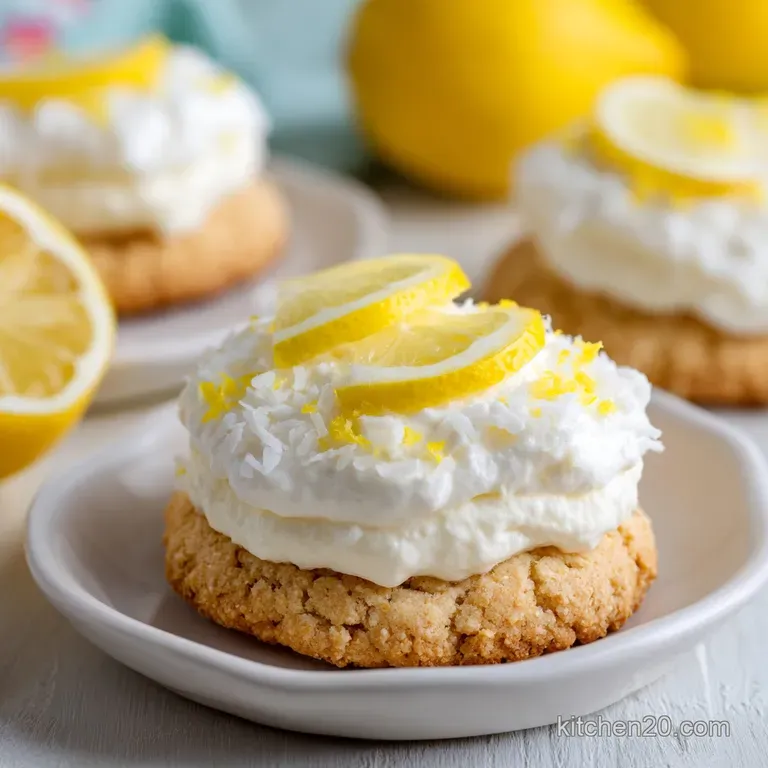
You don't need a professional laboratory, but a few specific tools will make this much easier. I'm a big fan of using a stand mixer (like a KitchenAid) for the dough, but you can definitely do this by hand if you have the arm strength.
- Small Cookie Scoop: This is non negotiable for getting the filling portions equal.
- Parchment Paper or Silicone Mats: The honey and coconut can get sticky, and we want a clean release.
- Fine Microplane: To get that lemon zest so fine it practically melts into the dough.
- Mixing Bowls: You'll need one for the dough, one for the filling, and a shallow one for the coconut coating.
step-by-step Guide to a Successful Bake
Right then, let's crack on. This is a multi phase process, but none of it is difficult if you follow the order. We're revolutionizing the way you think about stuffed cookies by treating the core and the shell as two distinct elements that come together at the end.
Phase 1: Creating the Creamy Core
- Beat the Neufchâtel. In a small bowl, whip the 4 oz of chilled cream cheese with 2 tbsp of honey and 0.5 tsp lemon extract until smooth. Note: Don't overwork it or it will become too soft to handle.
- Portion and Freeze. Use a teaspoon to drop 18 small dollops onto a parchment lined tray. Freeze for at least 20 minutes until they are firm to the touch.
Phase 2: Building the Zesty Base
- Cream the Fats and Sugar. Beat the 0.5 cup softened butter and 0.5 cup coconut sugar until the mixture looks pale and fluffy, about 3 minutes.
- Add the Aromatics. Mix in the 1 large egg, 1 tsp vanilla bean paste, and 1 tbsp lemon zest. until fully incorporated and fragrant.
- Fold in Dry Ingredients. Sift in the 1.5 cups flour, 0.5 tsp baking soda, and 0.25 tsp salt. Mix on low until no white streaks of flour remain.
Phase 3: Assembly and The Golden Bake
- Prep the Coating. Put the 1 cup shredded coconut into a shallow bowl. Preheat your oven to 350°F (180°C).
- Stuff the Cookies. Take about 1.5 tablespoons of dough, flatten it in your palm, place a frozen cheesecake dollop in the center, and pinch the dough around it. until the filling is completely sealed.
- Roll in Coconut. Roll the ball in the shredded coconut, pressing gently so it sticks.
- Bake and Cool. Place on a baking sheet and bake for 12 minutes until the coconut is toasted and the edges are set.
- Rest. Let them sit on the hot pan for 5 minutes before moving to a wire rack. This is crucial for the center to set up.
Chef's Tip: If your dough feels too sticky to handle while stuffing, pop it in the fridge for 10 minutes. Cold dough is much more cooperative when you're trying to hide that cheesecake center!
Avoiding Kitchen Disasters and Common Cookie Errors
I've made every mistake in the book with these, especially when I first started experimenting with stuffed doughs. The biggest heartbreak is when the cheesecake filling decides to stage a prison break and leaks all over your pan.
Why Your Cheesecake Filling Leaked
Usually, this happens because the filling wasn't frozen solid enough, or the dough wasn't sealed tightly. If there's even a tiny pinhole in the dough, the steam from the honey and cheese will find it and blow the whole thing open. Make sure you're pinching those seams like your life depends on it.
Why the Coconut Burned Early
Unsweetened shredded coconut is delicate. If you use the sweetened kind, the extra sugar will caramelize (and then burn) much faster. Stick to unsweetened, and if you notice it browning too fast, move your oven rack up one level so it's further from the bottom heating element.
| Problem | Root Cause | Solution |
|---|---|---|
| Flat, Thin Cookies | Butter was too melted | Chill the dough for 30 minutes before stuffing. |
| Dry, Crumbly Texture | Too much flour | Spoon and level your flour; don't scoop directly with the cup. |
| Filling is Gritty | Honey didn't emulsify | Ensure your Neufchâtel is slightly softened before mixing with honey, then freeze. |
Common Mistakes Checklist: ✓ Freeze the filling portions until they are rock hard (prevents leaking). ✓ Ensure the butter is "room temp" (it should give under a thumb but not be oily). ✓ Seal the dough around the filling with zero gaps.
✓ Use unsweetened coconut to avoid excess browning. ✓ Let the cookies rest on the pan to finish setting the core.
Customizing Your Batch with Creative Flavor Swaps
One of the best things about this recipe is how it acts as a platform for other ideas. You can swap the citrus or the coating to completely change the vibe while keeping that same velvety cheesecake center.
- Lime and Macadamia: Swap lemon zest for lime and add crushed macadamia nuts to the coconut coating for a more "tiki" style treat.
- The "Healthier" Version: Use a 1:1 gluten-free flour blend and replace the butter with cold pressed coconut oil (solid state). The texture will be slightly crunchier.
- Berry Burst: Press a single freeze dried raspberry into the center of the cheesecake filling before freezing for a pop of color and tartness.
Decision Shortcut: If you want a crunchier exterior, use toasted coconut flakes instead of shredded coconut. If you want a softer, pillowy cookie, add 1 tablespoon of cornstarch to your dry ingredients.
If you want maximum lemon punch, add a few drops of lemon oil to the dough alongside the zest.
| Plating Level | Presentation Technique | Extra Garnish |
|---|---|---|
| Simple | Stacked on a wooden board | A light dusting of powdered sugar |
| Polished | Individual small plates | A fresh lemon wheel slice |
| Restaurant | Swoosh of honey on the plate | Mint sprig and a sprinkle of lemon salt |
Keeping It Fresh and Proper Storage Methods
Because of the cheese center, these require a little more care than your average ginger snap. You can't just leave them in a jar on the counter for a week and expect them to be okay.
- Fridge
- Place them in an airtight container for up to 5 days. I actually think they taste better on day two when the lemon flavor has had a chance to really settle into the crumb.
- Freezer
- These freeze beautifully. Wrap them individually in plastic wrap and store in a freezer bag for up to 3 months. To eat, let them thaw in the fridge overnight.
- Zero Waste Tip
- If you have leftover lemon zest or juice, don't throw it out! Mix it with a little sugar and water to make a simple syrup for your morning coffee or to brush over a loaf cake. If you're a fan of fruit forward desserts, you might also love The Classic Cherry recipe which is another great way to use up extra fruit.
Ideal Pairings to Serve with Your New Favorites
When it comes to serving these Lemon Coconut Cheesecake Cookies, you want something that complements the brightness without overwhelming the delicate coconut.
- Earl Grey Tea: The bergamot in the tea is a natural friend to the lemon zest.
- Cold Brew Coffee: The chocolatey notes of a good cold brew work surprisingly well with the toasted coconut.
- Sparkling Rosé: If you're serving these at a party, the bubbles cut through the richness of the cheesecake center perfectly.
Scaling Your Batch:To Double (36 Cookies): Double all ingredients, but only use 1.5x the salt. Use two baking sheets and rotate them halfway through the bake to ensure even browning.
To Half (9 Cookies): Beat one egg in a small bowl and use exactly half (about 1.5 to 2 tablespoons). Reduce the baking time by 1-2 minutes as smaller batches can sometimes cook faster in a preheated oven.
Myths About This Recipe: "You must use full fat cream cheese for flavor." Actually, Neufchâtel has a higher moisture content that prevents the center from becoming dry or chalky during the bake. "Coconut sugar makes cookies taste like coconut." It really doesn't!
It has more of a toasted caramel or brown sugar flavor. The coconut flavor in this recipe comes almost entirely from the shredded coating and the optional extract.
There is something so satisfying about mastering a recipe that feels a bit "fancy" but is actually just a series of smart choices. I love how these cookies create a connection between the classic comfort of a sugar cookie and the decadence of a cheesecake.
Whether you're making them for a crowd or just a quiet afternoon treat, that first bright, zesty bite is always a win. Give it a go, and let me know how that toasted coconut shatter turns out for you!
Frequently Asked Questions
Why is my cookie dough too sticky to roll into balls?
High humidity or very warm butter can cause the dough to be difficult to handle. If it’s sticking to your hands, chill the dough in the refrigerator for 20 to 30 minutes. This firms up the fats and makes the assembly process much cleaner.
Can I use sweetened shredded coconut instead?
You can, but be aware that sweetened coconut contains extra moisture and sugar, which causes it to brown much faster in the oven. If you use it, check your cookies at the 10 minute mark to ensure the coating isn't burning.
Do these cookies need to be refrigerated?
Yes, because the center contains Neufchâtel cheese and honey, they should be stored in the refrigerator after they have cooled completely. They can stay at room temperature for a few hours during serving, but for long term storage, the fridge is safest.
My cookies didn't spread at all, what happened?
This usually happens if too much flour was used. Always use the "spoon and level" method rather than dipping your measuring cup directly into the flour bag, which packs it down. Also, ensure your baking soda is fresh, as old leavening agents won't provide the necessary lift.
Is there a way to make the lemon flavor even stronger?
The best way to boost flavor without changing the dough's texture is to use a high-quality lemon oil or to rub the lemon zest into the coconut sugar before you start mixing. This mechanical action breaks the zest's cells and releases the fragrant essential oils.
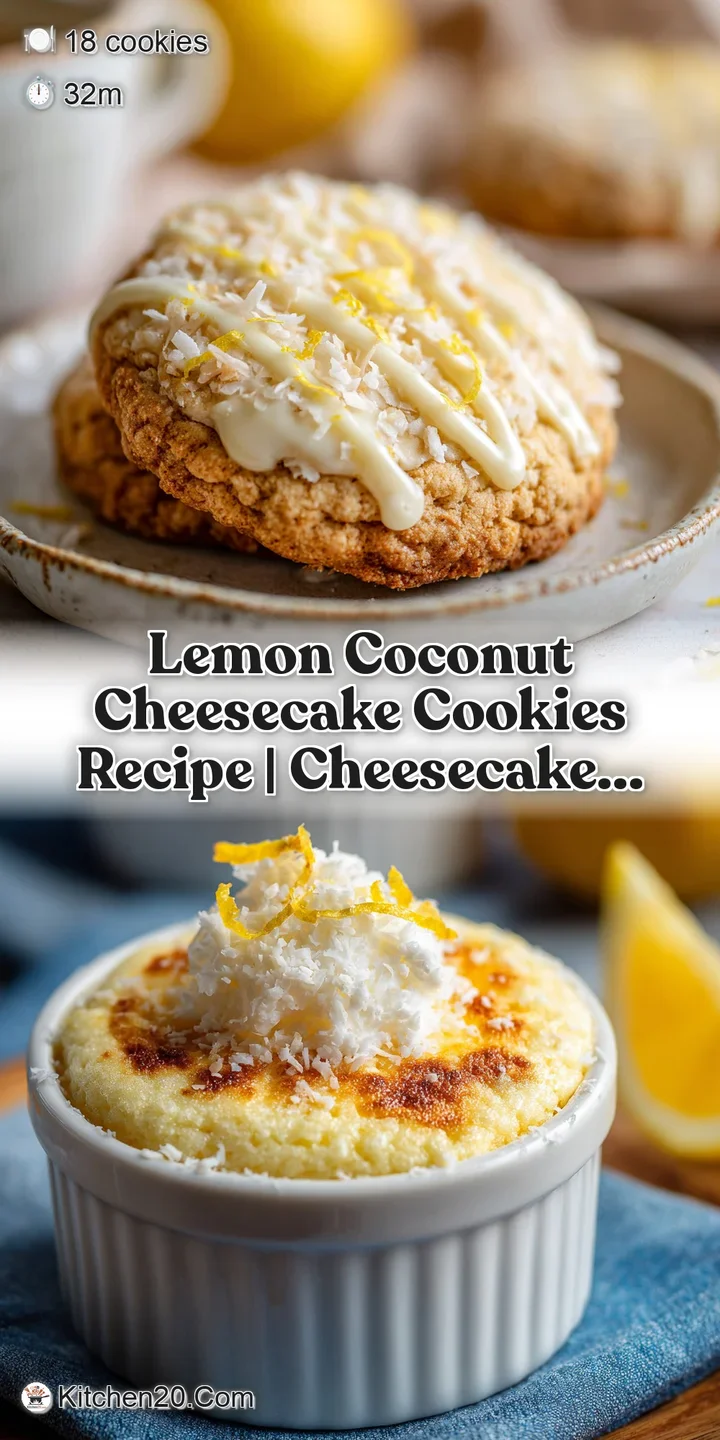
Recipe FAQs
Do the cookies need to be refrigerated after baking?
Yes, due to the cheese filling. The cheesecake center requires refrigeration after cooling to maintain food safety and texture integrity.
Why is my cheesecake filling leaking out during baking?
No, this is usually due to improper sealing or insufficient freezing. Ensure the Neufchâtel portion is rock hard before fully encasing it in the dough, eliminating all air gaps.
How to ensure the shredded coconut toasts without burning?
Bake on the middle rack and use unsweetened coconut. Sweetened coconut burns faster; if yours is browning too quickly, move the sheet pan up slightly away from the bottom heating element.
Can I substitute Neufchâtel cheese with standard full fat cream cheese?
Yes, but the texture will change slightly. Neufchâtel has less fat, leading to a creamier, less oily center, which is preferred for stability in this bake.
How do I prepare the cheesecake filling before assembly?
Whip the chilled cheese with honey and extract, then freeze in small portions. Portion the filling onto parchment paper and freeze until completely firm at least 20 minutes before wrapping them in the cookie dough.
What is the secret to balancing the lemon zest flavor?
Rub the zest directly into the coconut sugar before creaming with butter. This action releases the essential oils immediately, ensuring the lemon flavor permeates the entire dough matrix rather than just sitting on the surface.
Is it true that coconut sugar makes the cookies taste overly sweet?
No, this is a common misconception. Coconut sugar provides a deeper, slightly molasses like flavor that balances the tart lemon zest better than plain white sugar.
Lemon Coconut Cheesecake Cookies
Ingredients:
Instructions:
Nutrition Facts:
| Calories | 158 kcal |
|---|---|
| Protein | 2.4 g |
| Fat | 9.6 g |
| Carbs | 16.7 g |
| Fiber | 1.1 g |
| Sugar | 8.4 g |
| Sodium | 78 mg |
