The Ultimate Lemon Garlic Roast Chicken Crispy Skin Juicy Perfection the Sunday Supper Classic
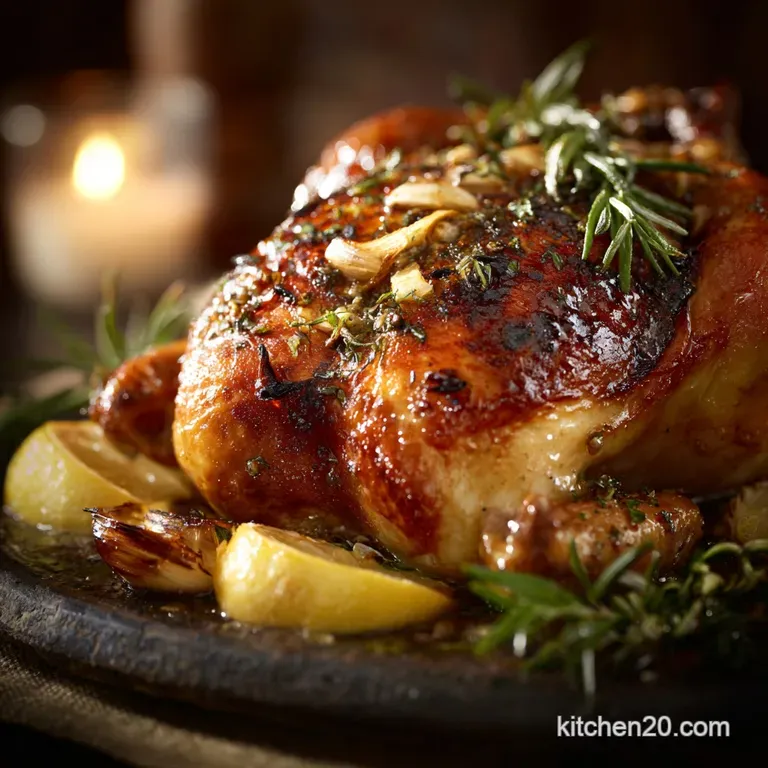
- Mastering the Art of Lemon and Garlic Roast Chicken
- Essential Components for the Ultimate Roast Chicken with Lemon and Garlic
- Preparation is Key: Building Flavor Under the Skin
- Achieving the Golden Crust: The High-Heat Roasting Timeline
- Troubleshooting Your Roast Chicken with Lemon and Garlic
- Recipe FAQs
- 📝 Recipe Card
Mastering the Art of Lemon and Garlic Roast Chicken
The Roast Chicken with Lemon and Garlic is the cornerstone of comfortable, impressive cooking. While seemingly straightforward, transforming a simple chicken into a culinary centerpiece requires specific techniques designed to maximize flavor while ensuring every part of the bird from the breast to the drumsticks is cooked to absolute perfection.
This Whole Roast Chicken Recipe relies on strategic flavoring and precise temperature control, making it an Easy Roast Chicken Whole that delivers high impact results, consistently yielding both shatteringly crisp skin and incredibly moist meat.
Understanding the Compound Butter Advantage
Our success begins with a rich compound butter. This mixture, consisting of 115 grams of softened unsalted butter infused with 4 large cloves of finely minced garlic, fresh rosemary, thyme, salt, and pepper, is the chef’s secret weapon.
Rather than relying on a surface rub that mainly flavors the skin, we drive this fragrant, fat-rich mixture directly under the skin and onto the breast meat. This direct application achieves two things: first, it provides deep, internal seasoning, transforming the flavor of the meat itself; and second, the butter slowly melts during the roasting process, essentially acting as a constant internal baste that keeps the often dry breast meat succulent.
The Science Behind Ultra Crispy Skin
If you aspire to learn How To Roast The Perfect Whole Chicken , the key is managing moisture. Moisture on the skin’s surface turns heat into steam rather than dry heat, resulting in tough, flabby skin.
To achieve that coveted golden brown, shatteringly crisp crust, the chicken must be aggressively patted down with paper towels both inside and out. We further facilitate moisture evaporation by letting the bird sit at room temperature for 30 minutes before seasoning.
This pre-drying process is vital, setting the stage for the initial high heat blast that locks in the crispy texture.
Juicy Meat Guaranteed: Why Brining Isn't Necessary Here
Many recipes recommend brining a whole chicken to prevent dryness. However, for this specific preparation, brining is unnecessary and actually overcomplicates the process. The sheer volume of fat from the compound butter, applied directly to and under the skin, provides sufficient insulation to the lean breast muscle, protecting it from the intensity of the oven heat.
When this technique is paired with mandatory use of a digital meat thermometer and a critical resting period, you guarantee a juicy result every time without the 24-hour hassle of a salt water bath.
Essential Components for the Ultimate Roast Chicken with Lemon and Garlic
The ultimate roast relies on simple, high-quality ingredients and a few key pieces of equipment.
Choosing the Right Size Bird (And Why It Matters)
For even cooking, select a bird weighing approximately 1.8 kg to 2 kg (4 to 4.5 pounds). This size is optimal because it allows the legs and thighs, which require a higher internal temperature, to finish cooking almost simultaneously with the quick cooking breast meat.
Choosing a significantly larger chicken often means the breast is overcooked by the time the dark meat is safe to eat.
The Quality of Your Aromatics Matters: Garlic and Rosemary Tips
The star flavors in this roast chicken with lemon garlic and rosemary recipe are fresh and robust. For the compound butter, always use fresh rosemary and thyme leaves; the flavor impact of dried herbs simply cannot compare. We use two lemons one quartered and one sliced.
The quartered lemon goes into the cavity along with a halved whole head of unpeeled garlic and roughly chopped brown onion. As these aromatics gently steam inside the chicken, they infuse the meat and the drippings with rich, sweet, roasted garlic and bright citrus notes.
Must Have Tools for High Heat Roasting
While you don't need a professional kitchen setup, two tools are non-negotiable for success. First, a sturdy roasting pan must be used with a wire rack or V-rack. This rack elevates the bird out of the pan juices, allowing hot air to circulate completely around the Roasted Whole Chicken In Dish , guaranteeing a crispy bottom side.
Second, and most critically, a digital instant read meat thermometer is essential. Do not rely on visual cues or roasting time charts; accuracy is the difference between a dry meal and a magnificent one.
Substitutions and Ingredient Swaps
If you need to make substitutions, you have options. For a dairy-free baked chicken with lemon and garlic , you can substitute the unsalted butter with an equivalent amount of solid coconut oil or high-quality vegetable shortening in the compound mix.
If fresh herbs are truly unavailable, you can swap them for dried versions, but remember to halve the required amount (e.g., 1.5 teaspoons of dried rosemary). Finally, the base liquid in the roasting pan which prevents fat from burning and forms the pan sauce can be low-sodium chicken stock (highly recommended) or dry white wine, but plain water also works if those are unavailable.
Related Recipes Worth Trying
- Creamy Potato Salad Recipe with Egg and DijonThe Ultimate Picnic Side — Stop serving bland sides This classic Creamy Potato Salad features perfect Yukon Golds hardboiled egg and a tangy Dijon dressing Learn the secret to deep flavor
- 30Minute Garlic Herb Roasted Pork Tenderloin Recipe Juicy Quick — The secret to truly juicy Roasted Pork Tenderloin is here Achieve a perfect golden garlicky crust in under an hour This weeknight pork dinner delivers...
- Foolproof Creamy Chicken Bacon Ranch Casserole Recipe 50 Min — This easy chicken bacon ranch casserole is the ultimate weeknight comfort meal Ultracreamy thanks to our secret cream cheese base its cheesy bubbly and...
Preparation is Key: Building Flavor Under the Skin
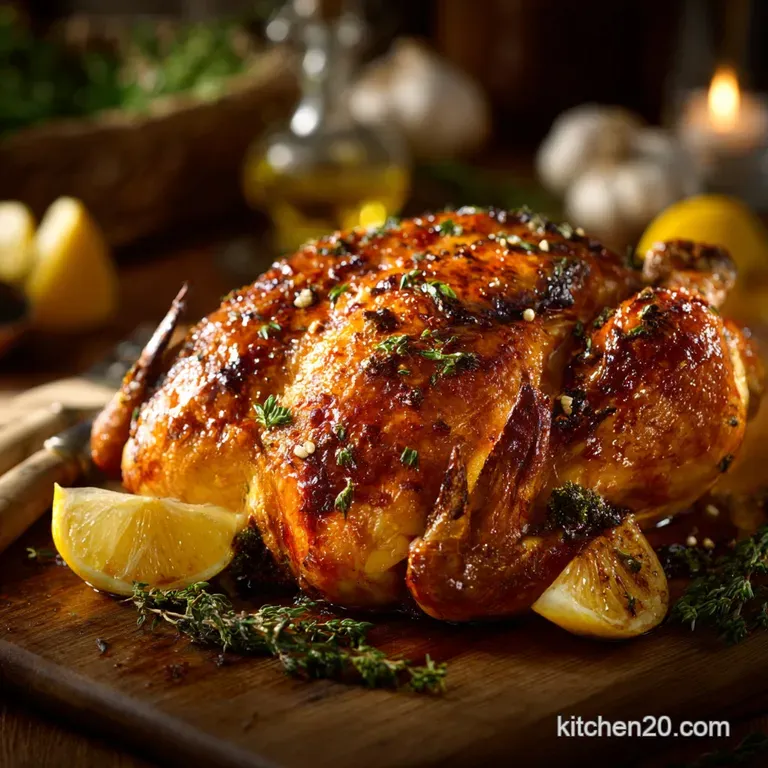
The foundational step for maximum flavor delivery is the creation and placement of the compound butter. Once your softened butter is thoroughly mixed with the minced garlic, chopped fresh rosemary and thyme, salt, and pepper, the application begins.
With extreme care not to tear the delicate membrane, gently separate the skin from the meat over the breast and thighs using your fingers. This creates a pocket. Push two-thirds of the compound butter into this pocket, smoothing it across the meat as evenly as possible.
The remaining butter is rubbed over the outside of the legs and the back. This ensures that every bite is imbued with the signature flavor of roast chicken with lemon garlic and herbs . Finally, stuff the cavity with the chopped onion, quartered lemon, and the two halves of the garlic head.
Achieving the Golden Crust: The High Heat Roasting Timeline
Prepping the Chicken: Drying, Trussing, and Salting
After the internal flavor is secured, we focus on the exterior. Make certain the chicken has been patted aggressively dry. Drizzle the entire outside of the bird with 2 tablespoons of extra virgin olive oil to help conductivity, then sprinkle liberally with coarse kosher or flaked salt (about 2 teaspoons) and a half teaspoon of pepper.
Trussing the chicken with kitchen twine is optional but recommended, as it encourages the bird to cook more compactly and evenly, resulting in a presentation ready shape.
The Critical Step: Applying the Lemon Garlic Butter Under the Skin
We've detailed the preparation of this step, but its criticality cannot be overstated in achieving the Roast Chicken with Lemon and Garlic flavor profile. By placing the bulk of the fat and aromatics directly against the meat, we guarantee that the flavor doesn't stop at the skin.
On top of that,, this internal layer of fat renders slowly, keeping the meat moist throughout the high heat roasting process.
Initial High Heat Blast for Maximum Skin Crispiness
Set your oven to a blazing 220° C ( 425° F). Pour 250 ml (1 cup) of chicken stock or wine into the bottom of the roasting pan, place the chicken breast side up on the rack, and immediately place it into the preheated oven.
The initial 20-minute blast at this temperature is designed solely to shock the skin, rapidly rendering the fat and achieving that rich, deep golden crust. If you notice the skin browning too rapidly during this phase, simply tent the breast lightly with foil before moving to the next stage.
Monitoring Internal Temperature for Absolute Juiciness
After the initial 20 minutes, immediately reduce the oven temperature to 190° C ( 375° F) and continue roasting for another 60 to 75 minutes.
The most crucial part of this entire process is monitoring the temperature. Insert your thermometer into the deepest, thickest part of the thigh, making absolutely sure you do not hit bone.
The whole roast chicken is done when it registers 74° C ( 165° F). Pull it from the oven immediately. Carryover cooking will raise the temperature a few more degrees while it rests, ensuring both safety and optimal juiciness.
The Mandatory Resting Period: Why You Can't Skip It
Once the chicken is removed from the oven, transfer it to a cutting board, tent it loosely with foil, and let it rest for a minimum of 15 minutes— 20 minutes is even better. This is not a suggestion; it is mandatory.
When meat is exposed to high heat, the muscle fibers contract, pushing all the moisture to the center. Cutting the chicken prematurely will cause all those precious, flavorful juices to flood the cutting board. Resting allows the fibers to relax and reabsorb the liquid, guaranteeing every slice is perfectly moist.
Troubleshooting Your Roast Chicken with Lemon and Garlic
Why Is My Skin Not Crispy? (Common Fixes)
If your skin remains flabby, you likely introduced moisture or obstructed airflow. Common fixes: (1) Be more rigorous with the pat-drying stage; the drier the better. (2) Always use a rack to prevent the bottom of the bird from stewing in the pan juices.
(3) Verify your oven temperature, as some ovens run cold, preventing the initial high heat shock from working effectively.
Flavor Twists: Herb Variations Beyond Rosemary
While the classic roast chicken with lemon garlic and rosemary recipe is sublime, you can easily pivot the flavors. For a deeper, Spanish profile, replace the rosemary with 1 tablespoon of smoked paprika mixed into the compound butter, and swap the lemon in the cavity for thick slices of orange.
For a Mediterranean twist, use dried oregano and fresh basil, and stuff the cavity with pitted olives and sun-dried tomatoes alongside the garlic.
Serving the Ultimate Side Dishes and Pan Gravy
This impressive centerpiece deserves equally comforting companions. A classic roast chicken with lemon and garlic and potatoes pairing is unbeatable whether you opt for crisp duck fat roasted potatoes or creamy mashed potatoes.
Complement this with seasonal greens, like steamed green beans or pan-fried kale. While the chicken is resting, strain the pan juices, skim the excess fat, and reduce them slightly in a saucepan to create a simple yet deeply flavorful pan gravy.
Storing and Reheating Roast Chicken Safely
Carve any leftovers off the bone and store them in an airtight container in the refrigerator within two hours of cooking. They will keep safely for 3 to 4 days. When reheating, avoid the microwave, which tends to dry out the meat.
Instead, place sliced pieces in an oven safe dish with a splash of chicken stock, cover tightly with foil, and reheat gently in a 160° C ( 325° F) oven until warmed through.
Alternatively, leftover roast chicken is magnificent cold, sliced thin for sandwiches or shredded for quick tacos and soups.

Recipe FAQs
Roast chicken with lemon inside
For the ultimate crispy skin, ensure the bird is aggressively patted dry before applying the compound butter; air-drying it uncovered in the refrigerator for a few hours beforehand will deliver superior results.
Once removed from the oven, allow the chicken to rest for a full 15 minutes, tented lightly with foil, to guarantee the flavorful pan juices fully redistribute through the meat. Leftover cooked chicken can be shredded and stored airtight in the refrigerator for up to four days.
Lemon roast chicken Jamie Oliver
Achieving that signature crispy skin relies on preparation: thoroughly pat the chicken dry and apply the lemon herb compound butter directly under the breast skin for maximum flavour delivery. Always rest the roast for 15 minutes after cooking to allow the juices to redistribute, guaranteeing ultimate juiciness.
Store any leftovers refrigerated in an airtight container for up to four days, and use the remaining pan drippings as a flavourful base for gravy or stock. If you need a substitution, swap fresh rosemary for marjoram to maintain an earthy, aromatic quality.
Bon appetit no fail roast chicken with lemon and garlic
To achieve that promised shatteringly crisp skin, ensure the whole bird is meticulously patted dry before the lemon garlic compound butter is applied, lifting the skin over the breast gently but fully.
For consistently juicy meat, utilize a probe thermometer and target an internal temperature of 165°F (74°C) in the thickest part of the thigh, making sure to rest the roast for 15 minutes before carving.
If you need a substitute for fresh rosemary and thyme, use half the quantity of quality dried herbs, but prioritize the fresh aromatics for the best flavor profile.
Roast chicken with lemon and garlic bbc Good Food
For shatteringly crisp skin, ensure the bird is thoroughly patted dry and allowed to rest before roasting. The secret to supreme juiciness is the compound butter technique: work the butter mixture directly under the breast skin to baste the meat internally as it cooks.
Once out of the oven, a strict 15-minute rest period is essential to lock in all those delicious pan juices. Leftovers should be refrigerated within two hours and are perfect shredded cold for sandwiches the following day.
How do you roast a whole chicken with lemon?
Achieving that signature crisp skin and juicy interior relies on technique: ensure your chicken is completely dry before applying a generous rub of compound butter directly under the breast and thigh skin. Use the quartered lemon and sliced garlic head inside the cavity for maximum flavor infusion.
For optimal juiciness, always check the internal temperature reaches 74°C (165°F) and allow the finished bird to rest uncovered for 15 minutes before carving.
Should you put lemon on chicken before or after cooking?
The best lemon results come from infusion: use the zest blended into your compound butter and place fresh lemon halves deep within the chicken cavity prior to roasting. While direct application of juice to the skin before cooking can impede crisping, a generous squeeze of fresh juice immediately after roasting cuts through the richness and brightens the final dish beautifully.
This layered approach ensures both tender meat and intense citrus flavor.
Lemon Garlic Roast Chicken Sunday Classic
Ingredients:
Instructions:
Nutrition Facts:
| Calories | 1171 kcal |
|---|---|
| Protein | 17.1 g |
| Fat | 30.6 g |
| Carbs | 68.2 g |
| Fiber | 21.8 g |
| Sodium | 10125 mg |
