Lobster Bisque Recipe: Silky & Deep
- Time: Active 25 minutes, Passive 60 minutes, Total 1 hours 25 mins
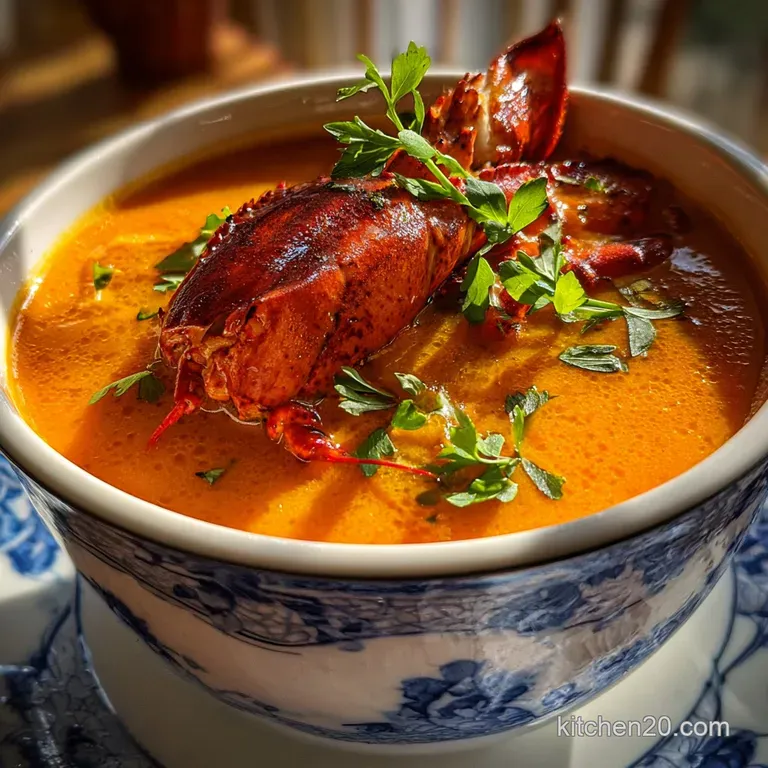
- Flavor/Texture Hook: A velvety, deep gold soup with a shatter crisp garnish of butter poached lobster.
- Perfect for: Anniversary dinners, holiday hosting, or when you want to feel like a professional chef.
- Crafting the Most Luxurious Lobster Bisque Recipe
- Exploring the Chemical Reactions for Deep Flavor Profiles
- The Technical Specifications for Your Next Dinner Party
- A Detailed Component Analysis of Our Primary Ingredients
- Selecting the Best Tools for a Professional Finish
- The Sequential Cooking Process for a Velvety Result
- Managing Unexpected Challenges and Texture Related Issues
- Guidelines for Adjusting Yield and Batch Sizes
- Debunking Common Kitchen Misconceptions
- Guidelines for Maintaining Freshness and Reducing Kitchen Waste
- Innovative Serving Suggestions to Foster Table Connection
- High in Sodium
- Recipe FAQs
- 📝 Recipe Card
Crafting the Most Luxurious Lobster Bisque Recipe
The first time I attempted a lobster bisque recipe, I made the amateur mistake of tossing the shells directly into the bin after extracting the meat. I thought the "good stuff" was just the lobster itself. I was so wrong.
The kitchen filled with a flat, watery aroma, and the soup lacked that soul warming punch you expect from a coastal bistro. It wasn't until I visited a tiny kitchen in Maine that I saw a chef smashing shells with a heavy wooden spoon and tossing them into a screaming hot pan with butter.
The sound was like firecrackers pop, hiss, crackle and the smell? It was like the entire ocean had been distilled into a single, toasted, nutty cloud of steam.
That moment changed how I look at seafood forever. This isn't just a soup; it’s a platform for revolutionizing how we use every part of the ingredient. We’re going to toast those shells until they turn a deep, burnished orange, creating a flavor foundation that’s connected to the very essence of the lobster.
We've simplified the technique so you can achieve that professional, velvety texture without needing a brigade of sous chefs. Trust me on this, once you hear that first sizzle of the shells hitting the butter, you’ll know you’re on the path to something brilliant.
This dish is all about the layers. We start with a intense stock, move to a classic roux thickened base, and finish with a luxurious emulsion of heavy cream and dry sherry. It sounds technical, but it’s really just about patience and heat management.
By the time we’re done, you’ll have a bisque that doesn't just taste expensive it tastes intentional. Let's crack on and turn these shells into liquid gold.
Exploring the Chemical Reactions for Deep Flavor Profiles
Maillard Reaction: Searing the lobster shells at high heat triggers a chemical reaction between amino acids and reducing sugars, creating hundreds of new flavor compounds that aren't present in raw shells.
Alcoholic Extraction: Dry sherry acts as a solvent, pulling out fat soluble flavor molecules from the aromatics and lobster shells that water based liquids simply cannot reach.
Amylose Gelatinization: Cooking the flour and butter roux into a "blond" stage ensures the starch granules swell and trap liquid evenly, preventing the dreaded graininess.
Fat in-Water Emulsification: Whisking heavy cream into the reduced stock creates a stable emulsion where tiny fat droplets are suspended, resulting in a velvety mouthfeel.
| Thickness of Lobster | Internal Temp | Rest Time | Visual Cue |
|---|---|---|---|
| Tail (Medium) | 57°C | 3 minutes | Meat is opaque and firm |
| Claw (Small) | 57°C | 2 minutes | Bright red exterior, white center |
| Minced Garnish | 60°C | 1 minute | Slightly curled and bouncy |
It's vital to pull the lobster meat just before it hits its peak temperature because carryover heat will finish the job. If you wait until it looks "done" in the pan, it’ll be rubbery by the time it hits the bowl. Just like adjusting the consistency in our & Flavorful Melt in-Your Mouth recipe, the balance of fat and liquid here determines the final luxury of the dish.
The Technical Specifications for Your Next Dinner Party
| Servings | Lobster Quantity | Stock Volume | Pot Size |
|---|---|---|---|
| 2 People | 1 Whole Lobster | 320ml | 2 Litre Saucepan |
| 4 People | 2 Whole Lobsters | 640ml | 4 Litre Dutch Oven |
| 6 People | 2-3 Whole Lobsters | 950ml | 6 Litre Stockpot |
A Detailed Component Analysis of Our Primary Ingredients
Choosing the right elements is what separates a mediocre soup from a professional grade lobster bisque recipe. I always look for heavy cream with at least 36% fat content to ensure the soup doesn't break when it meets the acidic tomato paste and sherry.
| Ingredient | Science Role | Pro Secret |
|---|---|---|
| Tomato Paste | Umami Booster | Sauté until it turns rust colored to remove the raw metallic tang. |
| Dry Sherry | Flavor Solvent | Use Amontillado for a nutty finish that mimics the toasted shells. |
| All Purpose Flour | Structural Binder | Cook with butter for 2 minutes to remove the "cereal" taste. |
| Seafood Stock | Liquid Foundation | Use a low sodium version so you can control the final salt concentration. |
For the aromatics, make sure your onion, carrots, and celery are chopped into a very small, uniform mirepoix. This increases the surface area, allowing the vegetables to sweat out their sugars faster and more evenly into the butter.
Selecting the Best Tools for a Professional Finish
You don't need a high tech lab, but a few specific pieces of kit make this lobster bisque recipe significantly easier. First, a heavy bottomed Dutch oven (like a Le Creuset or Lodge) is non negotiable for searing the shells without burning them. You need that heat retention.
Second, a fine mesh chinois or sieve is essential. We are going to be straining this mixture multiple times to ensure that velvety texture. If you leave even a tiny fragment of shell or a piece of celery in there, the illusion of luxury is broken.
Finally, a high speed immersion blender will help emulsify the cream into the base, creating a tiny bit of froth on top that looks beautiful when served.
- 2 whole lobsters (approx. 1.3 kg total) or 4 large tails Why this? Fresh shells provide the necessary collagen for a body rich stock. (Substitute: 400g frozen lobster meat plus 500ml high-quality bottled clam juice)
- 5 tbsp unsalted butter (divided)Why this? Fat carries the aromatics and creates the roux. (Substitute: Ghee for a higher smoke point during shell searing)
- 1 large onion, chopped (150g)Why this? Provides the foundational sweetness. (Substitute: 2 large shallots for a more delicate flavor)
- 2 carrots, chopped (120g)Why this? Adds earthy sweetness and color. (Substitute: 1 large parsnip for a spicier note)
- 2 celery stalks, chopped (100g)Why this? Adds a savory, herbal backbone. (Substitute: 1/2 tsp celery seeds if fresh is unavailable)
- 4 cups seafood stock (950ml)Why this? The primary hydrating agent. (Substitute: Chicken bone broth for a richer, less "fishy" base)
- 1/2 cup dry sherry (120ml)Why this? Cuts through the fat with acidity and nuttiness. (Substitute: Dry white wine with a squeeze of lemon)
- 3 tbsp all purpose flour (25g)Why this? Thickens the bisque into a silky consistency. (Substitute: Rice flour for a gluten-free version)
- 2 tbsp tomato paste (30g)Why this? Provides deep color and umami acidity. (Substitute: 1/4 cup tomato purée reduced by half)
- 2 cloves garlic, mincedWhy this? Adds a pungent, savory high note. (Substitute: 1/2 tsp garlic powder)
- 1 tsp fresh thyme leavesWhy this? Bridges the seafood and vegetable flavors. (Substitute: 1/4 tsp dried thyme)
- 1/2 tsp smoked paprikaWhy this? Mimics the "charred" flavor of grilled shells. (Substitute: Cayenne pepper for more heat)
- 1.5 cups heavy cream (350ml)Why this? Creates the signature velvety mouthfeel. (Substitute: Full fat coconut milk for a tropical twist)
- 1/2 tsp saltWhy this? Enhances all other flavor profiles.
- 1/4 tsp white pepperWhy this? Adds heat without dark flecks in the soup. (Substitute: Black pepper if visuals don't matter)
The Sequential Cooking Process for a Velvety Result
1. Preparing the Lobster and Shells
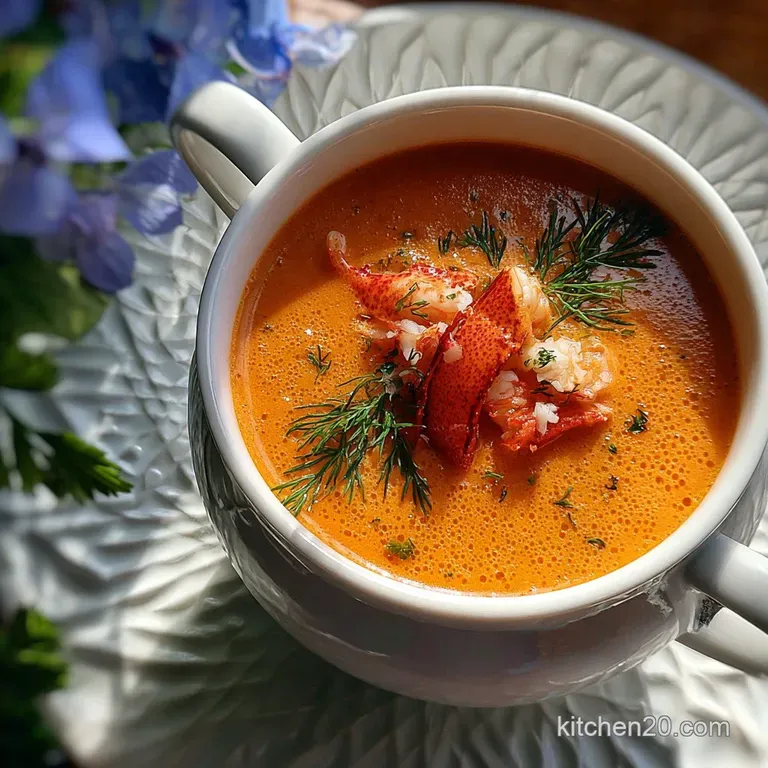
Steam the lobsters for 8 minutes until the shells turn bright red. Remove the meat from the tails and claws, then chop it into bite sized pieces and set aside in the fridge. Note: This prevents the meat from overcooking while we build the stock.
2. Searing the Shells for Maximum Umami
Crush the empty shells into smaller pieces using a heavy mallet or rolling pin. In a large pot, melt 2 tbsp butter over high heat and add the shells, cooking for 5 minutes until they smell nutty and toasted.
3. Deglazing and Simmering the Stock
Add the onion, carrots, and celery to the shells, sautéing for 5 minutes. Pour in the seafood stock and simmer on low for 45 minutes until the liquid has reduced by twenty percent.
4. Straining the Essence
Strain the mixture through a fine mesh sieve into a large bowl, pressing hard on the solids to extract every drop of liquid. Discard the shells and vegetables. You should have a dark, fragrant lobster tea.
5. Creating the Velvety Base
In the same cleaned pot, melt the remaining 3 tbsp butter. Whisk in the flour and cook for 2 minutes until it smells like toasted bread. Note: This "blond roux" stage is crucial for a smooth texture.
6. Building the Flavor Profile
Stir in the tomato paste, garlic, thyme, and paprika, cooking for 1 minute. Slowly whisk in the dry sherry, followed by the strained lobster stock, ensuring no lumps remain.
7. Simmering for Consistency
Bring the mixture to a gentle simmer and cook for 15 minutes until the sauce coats the back of a spoon. The starch should be fully hydrated now, creating a thick, glossy base.
8. Finishing with Cream and Lobster
Reduce heat to low and stir in the heavy cream. Add the reserved lobster meat and heat for 2 minutes until the meat is warmed through but still tender.
9. Final Seasoning Adjustments
Taste the bisque and add the salt and white pepper. If the soup feels too thick, add a splash more stock; if too thin, simmer for another 5 minutes without the lobster meat.
10. Emulsifying for Service
For a truly professional finish, use an immersion blender to pulse the bisque for 10 seconds right before serving. This creates a light airiness and ensures the fat is perfectly incorporated.
Managing Unexpected Challenges and Texture Related Issues
One of the most heart breaking moments in the kitchen is watching your beautiful, expensive cream sauce separate. This usually happens because the heat was too high when the cream was added, or there wasn't enough stabilization from the roux. If you see oily beads forming on the surface, don't panic.
You can often save it by whisking in a "slurry" of one tablespoon of cold cream and a teaspoon of cornstarch, then gently heating it back up.
Fixing Rubbery Lobster Meat
If you accidentally overcooked the lobster, it becomes tough and chewy. To fix this, you can't "un cook" it, but you can change the texture. Mince the overcooked meat very finely and fold it back into the bisque. The smaller pieces will be much less noticeable, and the flavor remains the same.
Adjusting Salt Levels
Seafood stock can vary wildly in saltiness. If your bisque ends up too salty, do not just add water that dilutes the flavor. Instead, add a peeled, halved potato to the simmering soup for 10 minutes. The potato acts as a sponge for salt. Remove it before serving.
Alternatively, a teaspoon of sugar or a splash of lemon juice can help mask the saltiness through flavor balancing.
| Problem | Root Cause | Solution |
|---|---|---|
| Grainy Texture | Flour wasn't cooked long enough | Simmer for 5 more mins and strain again |
| Lack of Depth | Shells weren't seared sufficiently | Add a drop of fish sauce or Worcestershire |
| Broken Sauce | Boiling after adding heavy cream | Whisk in a cold cream slurry immediately |
Common Mistakes Checklist ✓ Never boil the bisque after the heavy cream has been added. ✓ Always strain the stock through the finest mesh you own to remove grit. ✓ Don't skip the tomato paste; it provides the essential "rosé" color.
✓ Use room temperature cream to prevent the soup from "shocking" and curdling. ✓ Pat the lobster meat dry before adding it back to the soup for better integration.
Guidelines for Adjusting Yield and Batch Sizes
When scaling this lobster bisque recipe, the most important thing to remember is the surface area of your pot. If you are doubling the recipe, use two separate pots or one very large stockpot to ensure the shells can actually touch the bottom for proper searing.
- Scaling Down (1/2 batch): Use a small 2 litre saucepan. Reduce the simmer time for the stock to 30 minutes, as the smaller volume will concentrate faster. Use one large egg yolk whisked into the cream to add extra body if it feels too thin.
- Scaling Up (2x-3x batch): Be cautious with the salt. Only increase the salt by 1.5x initially, then taste and adjust. Large volumes of seafood liquid can become intensely salty as they reduce. Increase the roux (butter and flour) proportionally to maintain the thickness.
- The Spices Rule: For aromatic spices like paprika and thyme, do not simply triple them. Start with double the amount and see if the flavor is balanced. Over spicing can easily mask the delicate lobster notes.
| Premium Ingredient | Budget Alternative | Flavor Impact | Savings |
|---|---|---|---|
| Fresh Whole Lobster | Frozen Lobster Tails | Slightly less "ocean" aroma | Save €15-20 |
| Amontillado Sherry | Dry Vermouth | Less nutty, more herbal | Save €10 |
| Saffron Threads | Smoked Paprika | Loses floral notes, adds smoke | Save €5 per pinch |
Debunking Common Kitchen Misconceptions
Many people believe that "bisque" just means any creamy soup, but that is technically incorrect. A true bisque is historically defined by the use of crustacean shells as the thickening agent (often ground into a paste).
While we use a roux for modern convenience and smoothness, the soul of the dish is still the shell stock.
Another myth is that you must use fresh, live lobster for a good bisque. While fresh is always lovely, high-quality frozen tails work perfectly well because we are extracting so much flavor from the shells during the searing process.
In fact, some frozen brands are processed so quickly at sea that the shells retain more "sea breeze" flavor than a live lobster that has sat in a tank for a week.
Guidelines for Maintaining Freshness and Reducing Kitchen Waste
Storage: Keep the bisque in an airtight glass container in the fridge for up to 2 days. Because of the high fat and cream content, the flavor actually deepens overnight. However, the lobster meat may toughen slightly.
Freezing: You can freeze the bisque base (before adding the cream and lobster meat) for up to 3 months. I don't recommend freezing the finished version with cream, as it will likely separate and become grainy upon thawing. If you must, thaw it slowly in the fridge and whisk vigorously while reheating.
Reheating: Use a heavy saucepan over low heat. Do not let it boil. If the soup has thickened too much in the fridge, whisk in a tablespoon of milk or stock to loosen it up.
Zero Waste Tip: Never throw away the lobster bodies. Even after making this stock, you can dry the shells in a low oven (100°C) for 2 hours, then grind them into a powder. This "lobster dust" is an incredible seasoning for popcorn, roasted potatoes, or even sprinkled over a How to Make recipe.
Innovative Serving Suggestions to Foster Table Connection
Presentation is everything when you’ve spent over an hour on a dish. I love serving this in wide, shallow bowls to show off the brilliant orange hue. Instead of just dumping the lobster meat in, place a neat pile of poached meat in the center of the bowl first, then pour the hot bisque around it at the table.
It creates a connected experience for your guests and keeps the meat from getting lost.
For garnishes, skip the generic parsley. A drizzle of chive oil or a few snips of fresh tarragon will highlight the sweetness of the lobster far better. If you want a bit of crunch, serve with a side of sourdough crostini rubbed with a raw garlic clove.
The sharpness of the garlic cuts through the heavy cream perfectly.
If you want X, do Y: If you want a richer color, add an extra tablespoon of tomato paste and sauté it until it's nearly black red. If you want a lighter version, substitute half of the heavy cream with whole milk and add a squeeze of fresh lemon juice at the end.
If you want a spicier kick, add a pinch of cayenne pepper along with the paprika.
This lobster bisque recipe is more than just a meal; it's a revolutionizing way to think about flavor extraction. By focusing on the science of the shells and the patience of the roux, you've created a dish that is deeply connected to the traditions of the coast while being perfectly achievable in your own kitchen.
Enjoy the sizzle, the aroma, and most importantly, that first velvety spoonful.

High in Sodium
845 mg mg of sodium per serving (37% % of daily value)
The American Heart Association recommends limiting sodium intake to no more than 2,300mg per day for most adults.
Tips to Reduce Sodium in Your Lobster Bisque
-
Low-Sodium Broth-30%
Swap regular seafood stock for a low-sodium or no-salt added version. This can significantly reduce the sodium content of the bisque.
-
Reduce Added Salt-25%
Cut back on the amount of salt added to the recipe. Since you're already using seafood stock, start by reducing the added salt by half or omitting it entirely and taste as you go. You can always add more, but you can't take it away!
-
No-Salt Tomato Paste-20%
Many tomato pastes contain added salt. Seek out a no-salt added tomato paste to further reduce the sodium content without sacrificing flavor.
-
Unsalted Butter Only-10%
This recipe already calls for unsalted butter, which is great! Stick to using only unsalted butter for cooking and serving to keep sodium levels low.
-
Spice it Up!
Experiment with fresh or dried herbs and spices (like dill, bay leaf, or a pinch of cayenne) to enhance the flavor of the bisque. These additions can help compensate for the reduction in salt.
-
Fresh Garlic Power
Increase the amount of minced garlic or even add some roasted garlic to enhance the flavor profile. This can help to reduce the reliance on salt for taste.
Recipe FAQs
What are the ingredients in lobster bisque soup?
Key ingredients include lobster shells and meat, butter, aromatics like onion, carrots, and celery, seafood stock, dry sherry, flour for thickening, tomato paste, garlic, thyme, paprika, and heavy cream. These components work together to create the soup's rich flavor and velvety texture.
What's the secret to great bisque?
Focus on extracting maximum flavor from the lobster shells. This is achieved by searing them at high heat until toasted and nutty, then simmering them in stock to create a deeply flavored base. If you enjoyed mastering flavor extraction here, see how the same principle of ingredient utilization applies to our How To Make the Best Easy Shrimp Boil CrockPot Magic.
What is the secret to great lobster bisque?
The secret lies in building layers of flavor, starting with deeply toasted lobster shells. Searing the shells until they are nutty and caramelized creates an intense umami base, and a properly cooked roux ensures a silky smooth finish.
Which is the best liquid to use for lobster bisque?
A high-quality seafood stock is ideal for lobster bisque. It provides a foundational flavor that complements the lobster without overpowering it. If seafood stock is unavailable, a good quality chicken bone broth can be used as a substitute.
Can I use frozen lobster for bisque?
Yes, high-quality frozen lobster tails work perfectly well for bisque. While fresh is lovely, the intense flavor extraction from searing the shells is the key. Frozen lobster, especially if processed quickly at sea, can retain excellent flavor.
How do I make my lobster bisque rich and velvety?
Achieve richness and velvety texture by searing the lobster shells properly, using a well cooked blond roux, and finishing with heavy cream. The roux thickens the soup evenly, and the high fat cream emulsifies beautifully, creating that signature smooth mouthfeel.
What kind of sherry should I use for lobster bisque?
Dry sherry, specifically an Amontillado, is recommended for its nutty finish that complements the toasted shells. If you enjoyed the balance of sweet and tart in this recipe, you can explore similar flavor profiles in our Classic French Toast: The Only Recipe You Need.
Lobster Bisque Recipe
Ingredients:
Instructions:
Nutrition Facts:
| Calories | 437 kcal |
|---|---|
| Protein | 16 g |
| Fat | 31 g |
| Carbs | 11 g |
| Fiber | 1.2 g |
| Sugar | 4.1 g |
| Sodium | 845 mg |
