Long Grain Rice: Fluffy Individual Grains
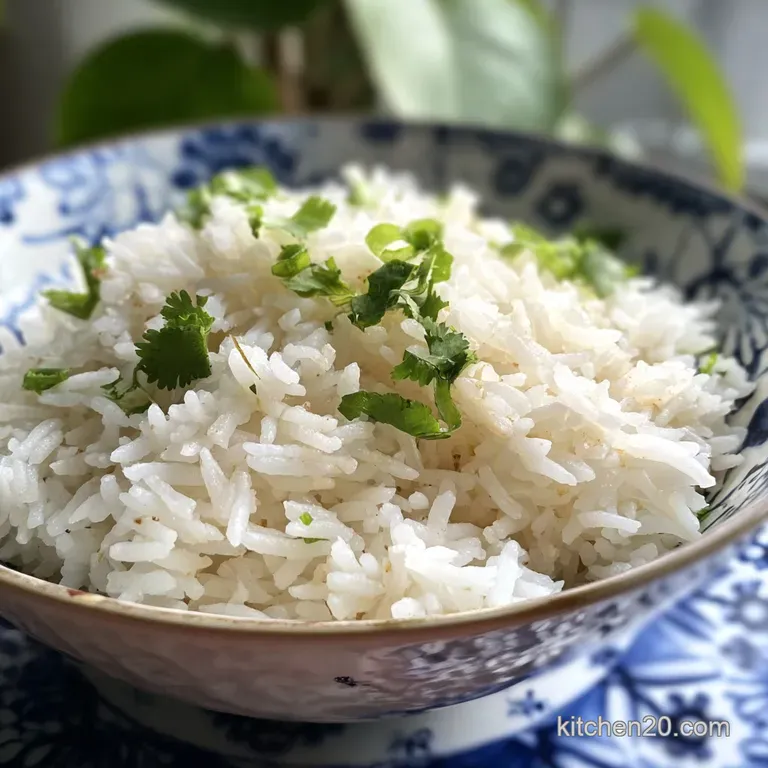
- Time: Active 5 minutes, Passive 25 minutes, Total 30 minutes
- Flavor/Texture Hook: Fluffy, individual grains with a subtle nutty aroma
- Perfect for: Holiday hosting, meal prep, or beginner cooks needing a win
- Creating the Fluffiest Long Grain Rice Every Single Time
- The Architecture of Grain Separation
- Precision Metrics for Occasion Ready Batches
- Sourcing Essential Components for Clean Flavor
- Hardware Requirements for a Reliable Kitchen
- Executing the Method for Distinct Grains
- Optimization Strategies and Performance Barriers
- Adjusting for Capacity and Scale
- Flavor Profiles for Diverse Community Gatherings
- Sustainability and Cold Chain Management
- Connectivity Through Balanced Plate Pairings
- Long Grain Rice FAQs
- 📝 Recipe Card
Creating the Fluffiest Long Grain Rice Every Single Time
The first time I hosted a big family dinner, I served what I thought was rice, but it was actually a structural hazard. It was a singular, grey, gummy brick that required a chisel to serve.
I remember the hiss of the steam as I lifted the lid, only to see a soggy mess instead of those elegant, separate grains you see in restaurants. It was a total failure of the kitchen platform, and honestly, I nearly gave up on grains entirely.
But after years of testing different temperatures and hydration levels, I realized that cooking this staple is more about physics than luck. It's about respecting the architecture of the grain itself.
Now, when I lift the lid, a cloud of nutty steam hits my face, and the grains are so light they practically shatter individually when I rake them with a fork. It’s a feeling of pure triumph that I want you to have every time you step up to the stove.
We've all been through the "mushy middle" or the "burnt bottom" phase, but we're moving past that today. This isn't just a side dish; it's a foundational skill that connects every other component on your plate.
Whether you're pairing this with a spicy curry or using it as a base for a grain bowl, the consistency will be identical every single time you use this specific logic.
The Architecture of Grain Separation
Amylose Ratio: This rice variety contains a high percentage of amylose starch, which prevents the grains from sticking together during the heating process.
The Steam Chamber: A tight lid creates a pressurized environment where the internal temperature remains constant, ensuring the starch gelatinizes without the grain bursting.
Capillary Action: Letting the rice rest allows the remaining surface moisture to be absorbed back into the center of the grain, resulting in a firm but tender bite.
| Method | Time | Texture | Best For |
|---|---|---|---|
| Stovetop | 25 mins | Firm, distinct grains | Daily meals and precision |
| Rice Cooker | 30 mins | Soft, very consistent | Set it and forget it needs |
| Instant Pot | 12 mins | Denser, chewy grains | High speed meal prep |
If you're wondering how this compares to other varieties, my How Long to recipe explains the nuances of timing perfectly. The key is understanding that different grains require different thermal treatments to reach their full potential.
Precision Metrics for Occasion Ready Batches
When you are preparing for a community gathering or a holiday event, guessing is your worst enemy. You need to treat your kitchen like a laboratory where the variables are controlled.
Using a scale for your 185g of rice and a measuring glass for your 355ml of water removes the "cup size" ambiguity that often leads to soggy results.
| Thickness of Layer | Heat Setting | Total Simmer Time | Visual Success Cue |
|---|---|---|---|
| 2 cm | Low | 15 minutes | Small steam holes on surface |
| 4 cm | Low Medium | 18 minutes | Water fully absorbed at edges |
| 6 cm+ | Medium Low | 22 minutes | Grains appear dry and elongated |
Chef Note: If you're doubling the recipe for a crowd, don't just double the water blindly. Use about 10% less liquid than the math suggests to account for the larger volume of steam trapped in a bigger pot.
Sourcing Essential Components for Clean Flavor
Success starts with the raw materials. I always look for "extra long grain" options because they have the most robust structure. The addition of a small bay leaf might seem minor, but it's a bridge that connects the neutral starch to the more complex flavors of your main course.
| Component | Science Role | Pro Secret |
|---|---|---|
| Long Grain Rice | Starch Source | Rinse until the water is clear to remove surface dust. |
| Filtered Water | Hydration Agent | Use filtered water to prevent "tap water" mineral odors. |
| Sea Salt | Flavor Catalyst | Adds salt at the start so it penetrates the grain core. |
| Olive Oil | Surface Tension | Coats the grains to further prevent sticking and clumping. |
- 1 cup (185g) long grain white rice: This is our structural foundation. Why this? High amylose content ensures grains stay separate and fluffy after cooking.
- Substitute: Basmati rice. It’s similar but adds a more floral, popcorn like aroma.
- 1.5 cups (355ml) filtered water: The vehicle for heat and hydration. Why this? The 1:1.5 ratio is the sweet spot for stovetop evaporation.
- Substitute: Vegetable or chicken stock for a massive flavor boost.
- 0.5 tsp fine sea salt: Essential for seasoning. Why this? Fine salt dissolves instantly, ensuring even distribution throughout the pot.
- Substitute: Kosher salt, but use 1 tsp as it’s less dense.
- 1 tsp extra virgin olive oil: Our secret for that velvety finish. Why this? Fat prevents the starch from foaming up and boiling over.
- Substitute: Unsalted butter or coconut oil for a richer profile.
- 1 small bay leaf: A subtle aromatic enhancer. Why this? It adds a "restaurant quality" depth that most home cooks miss.
- Substitute: A strip of lemon zest or a single green cardamom pod.
Hardware Requirements for a Reliable Kitchen
To execute this recipe properly, you need a heavy bottomed saucepan. Thin pots are the primary cause of scorched bottoms because they have "hot spots" where the heat isn't distributed evenly. A heavy pot acts like a thermal battery, holding a steady temperature that gently coaxes the rice to tenderness.
A tight fitting lid is non negotiable. If your lid is loose, you're losing the very steam required to finish the cooking process during the rest phase. If you've got a lid that rattles, try placing a clean kitchen towel between the pot and the lid (folded safely away from the burner) to create a better seal.
Finally, use a fork for fluffing never a spoon. A spoon mashes the grains, while a fork tines slide between them to release steam without damaging the structure.
Executing the Method for Distinct Grains
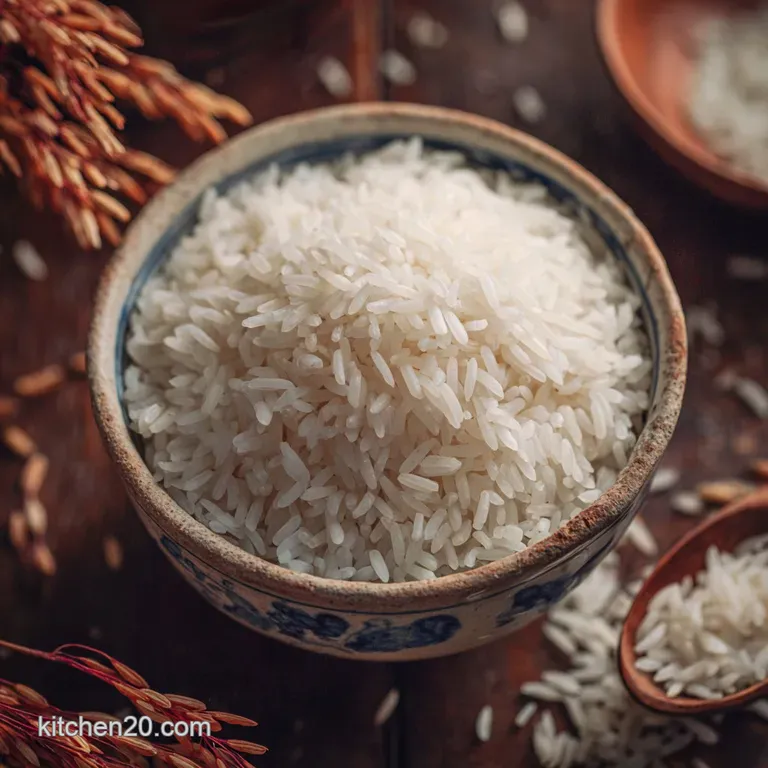
- Rinse the 185g of rice. Place it in a fine mesh sieve and run cold water over it until the water beneath runs crystal clear. Note: This removes excess surface starch that causes gumminess.
- Drain thoroughly. Shake the sieve well. We want to control the water precisely, and "clinging" rinse water can throw off our 355ml measurement.
- Combine the components. Add the rice, 355ml water, 0.5 tsp salt, 1 tsp oil, and the bay leaf into your saucepan.
- Initiate the boil. Turn the heat to high and bring the mixture to a rolling boil until large bubbles break the surface.
- Adjust the thermal load. Immediately drop the heat to the lowest possible setting. You want a whisper of a simmer, not a vigorous boil.
- Seal the chamber. Cover the pot tightly with the lid.
- Simmer with patience. Cook for 15 minutes. Don't lift the lid, or you'll ruin the steam pressure we've built up.
- Perform a dry check. At 15 minutes, quickly tilt the pot. If no water pools at the edge, it's done.
- The essential rest. Turn off the heat but keep the lid on. Let it sit for 10 minutes until the grains fully firm up.
- The final fluff. Remove the bay leaf and use a fork to gently lift and separate the grains.
Leftover grains are actually the secret weapon for a Wok This Way recipe. The drying process that happens in the fridge makes them much better for frying than fresh rice.
Optimization Strategies and Performance Barriers
The biggest mistake I see people make is "peeking." Every time you lift that lid, you're dropping the internal temperature by 20 degrees and letting out the steam that's supposed to be doing the work. It’s like opening the oven while a souffle is rising just don't do it!
Why Your Rice Is Crunchy
If the grains are still hard after the simmer time, it usually means your lid isn't as tight as you thought, or your simmer was too high, causing the water to evaporate before the rice could absorb it.
Why Your Rice Is Mushy
This is the result of too much water or over stirring. Stirring activates the starches, turning your pot into a bowl of porridge. Once the lid goes on, your job is over.
| Problem | Root Cause | Solution |
|---|---|---|
| Burnt Bottom | Heat too high or thin pot | Use a diffuser or the lowest flame possible. |
| Gummy Texture | Excess surface starch | Rinse the rice for at least 60 seconds longer. |
| Uneven Cooking | Pot is too wide | Use a smaller diameter pot for better steam height. |
Common Mistakes Checklist ✓ Skipping the rinse (results in a sticky, starchy mess) ✓ Using a pot with a glass lid that has a steam vent (tape the vent or use a solid lid) ✓ Stirring the rice while it simmers (breaks the grains and releases starch) ✓ Forgetting the 10 minute
rest (this is where the texture truly sets) ✓ Using "minute" or "instant" rice with this ratio (it will turn into soup)
Adjusting for Capacity and Scale
If you need to scale this down for a solo dinner, you can easily halve the ingredients. Use a very small saucepan to maintain the depth of the water; if the water is too shallow in a wide pan, it will evaporate before the rice cooks through.
For a half batch, reduce the simmer time by about 2 minutes but keep the 10 minute rest.
When scaling up for a big community event (doubling or tripling), the thermodynamics change. Use 1.25 cups of water for every additional cup of rice instead of 1.5. This prevents the weight of the rice at the bottom from getting crushed by excess moisture.
Also, give the rice an extra 5 minutes of resting time to ensure the heat reaches the very center of the large pot.
Flavor Profiles for Diverse Community Gatherings
Jollof Style Base
To connect with West African flavors, replace the water with a blend of blitzed roasted red peppers, tomatoes, and onions. Sauté the dry rice in the oil with some tomato paste before adding the liquid. This creates a deeply savory, slightly scorched flavor that is absolutely addictive.
Lemon Herb Vegan Twist
After the rest phase, stir in the zest of one lemon, a tablespoon of nutritional yeast, and a handful of fresh chopped parsley. It’s a clean, bright variation that pairs beautifully with grilled vegetables or chickpeas. For another fast variation, check out this How to Make recipe which uses a similar base for a Japanese inspired meal.
| Fresh Cooked | Shortcut (Pouch) | Impact |
|---|---|---|
| Clean, nutty flavor | Often has a "plastic" aftertaste | Fresh wins on taste |
| $0.15 per serving | $1.50 per serving | Huge savings with fresh |
| 30 minutes total | 90 seconds | Pouch wins on speed |
Sustainability and Cold Chain Management
Once the rice has cooled, you can store it in an airtight container in the fridge for up to 4 days. I actually prefer rice that’s been in the fridge for 24 hours for my fried rice dishes because the grains dehydrate slightly, allowing them to sear in the pan without breaking.
For long term storage, rice freezes remarkably well. Spread the cooked, cooled rice on a baking sheet and freeze for 30 minutes before transferring to a freezer bag. This prevents it from becoming a giant frozen block. It will stay fresh for up to 3 months.
To reheat, just add a teaspoon of water and microwave it covered it will steam itself back to life.
Don't toss the rinse water! If you're into gardening, that starchy water is full of nutrients that your houseplants will love. It's a small way to connect your kitchen waste back into a cycle of growth.
Connectivity Through Balanced Plate Pairings
This rice is the ultimate "blank canvas" for a connected dining experience. Because the grains are so distinct, they hold up well under heavy sauces without becoming soggy. I love serving this alongside a slow braised beef short rib or a velvety coconut milk curry.
The rice acts as a vehicle for the sauce, providing texture and balance to the richness of the meat.
If you're going for a lighter vibe, toss the warm rice with some grilled corn, black beans, and a lime vinaigrette for a quick grain salad. The key to a great meal is the contrast between the tender, separate grains and the other textures on the plate.
By revolutionizing the way you approach this basic staple, you've unlocked the potential for hundreds of different flavor profiles. It’s all about building that solid foundation.
If you’re looking for a more aromatic experience, you might want to try this Jasmine Rice recipe, which focuses on the floral notes of that specific grain. But for a reliable, sturdy, and classic result, this long grain method is the absolute standard you need in your repertoire. Happy cooking!
Long Grain Rice FAQs
What rice is considered long grain?
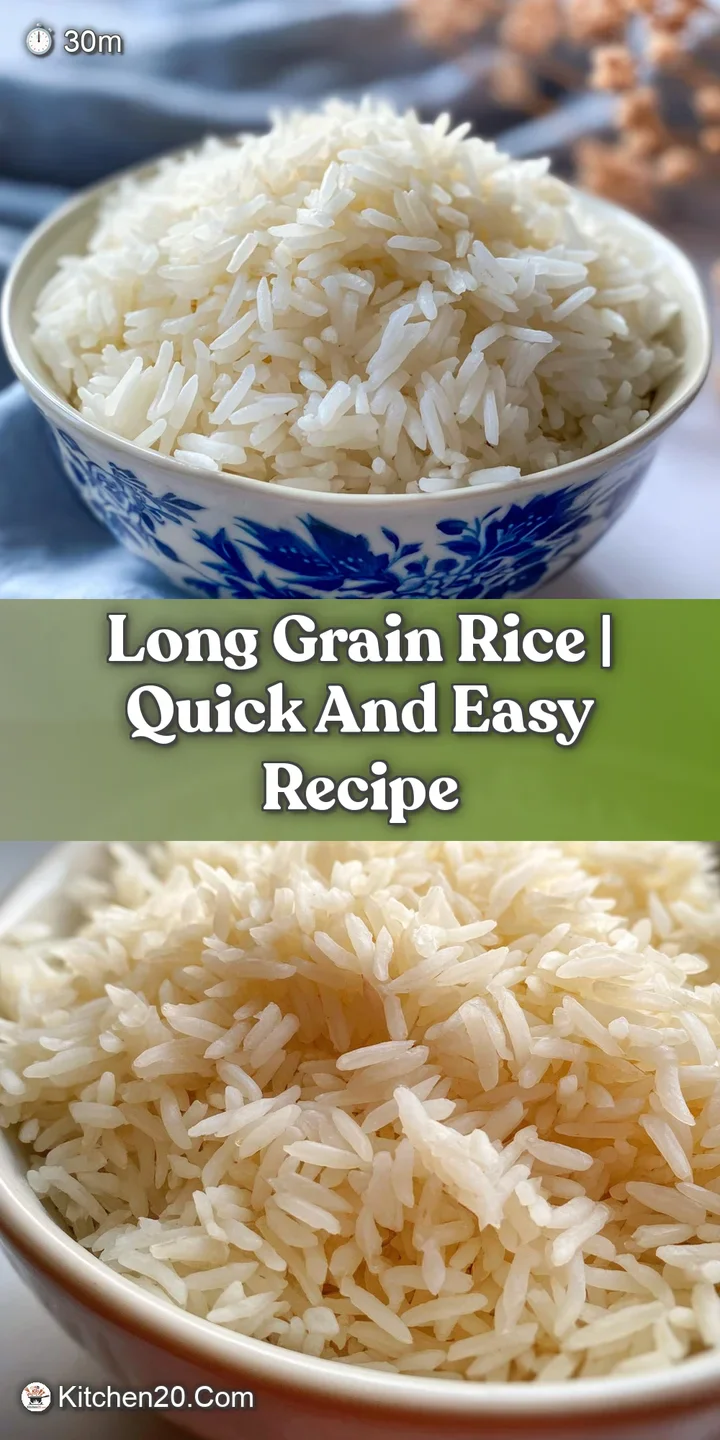
Long grain rice is defined by its kernel shape. Its grains are much longer than they are wide, typically 4-5 times as long as they are thick, which contributes to its fluffy, separate texture when cooked. Varieties like Basmati and Jasmine are classic examples.
Is long grain rice better than regular rice?
It depends on the dish. Long grain rice, due to its lower amylopectin content, cooks up fluffy and separate, making it ideal for pilafs, stir fries, and as a side dish. 'Regular' rice often implies medium or short grain, which tend to be stickier and better suited for dishes like sushi or risotto.
Is jasmine rice a type of long grain rice?
Yes, jasmine rice is a type of long grain rice. It's known for its distinct floral aroma and slightly chewy texture, making it a popular choice for many Asian cuisines. If you're curious about other aromatic varieties, check out our guide on Perfectly Fluffy Jasmine Rice.
When is the best time to use long grain rice?
Long grain rice shines when you want distinct, fluffy kernels. It's perfect for dishes where you don't want the grains to clump together, like fried rice, pilafs, or simply as a side for saucy mains. Its neutral flavor makes it a versatile base for countless meals.
Can I substitute long grain rice for short grain rice in recipes?
Generally, it's not recommended without adjustment. Long grain rice will remain separate, whereas short grain rice is sticky and intended for binding. For instance, if you're aiming for sushi texture, using long grain would be unsuitable, but for a quick stir fry, it works well. If you're experimenting with Asian flavors, you might find our Juicy Authentic Homemade Chinese Chicken Dumplings Recipe pairs well with a fluffier rice base.
How do I prevent long grain rice from becoming gummy?
Rinsing the rice thoroughly is key. Rinsing until the water runs clear removes excess surface starch that causes stickiness. Also, use the correct water-to-rice ratio and avoid over stirring while cooking.
What is the ideal water-to-rice ratio for long grain rice?
A common starting point is 1.5 to 2 cups of water for every 1 cup of long grain rice. This ratio can vary slightly depending on the specific type of long grain rice and your cooking method.
For a foolproof stovetop method, aiming for about 1.5 cups of water per cup of rice often yields the best fluffy results.
Long Grain Rice
Ingredients:
Instructions:
Nutrition Facts:
| Calories | 177 calories |
|---|---|
| Protein | 3.2g |
| Fat | 1.4g |
| Carbs | 37g |
| Fiber | 0.6g |
| Sugar | 0.1g |
| Sodium | 288mg |
