The Guiltfree Scoop Luxurious Keto Cookie Dough Ice Cream
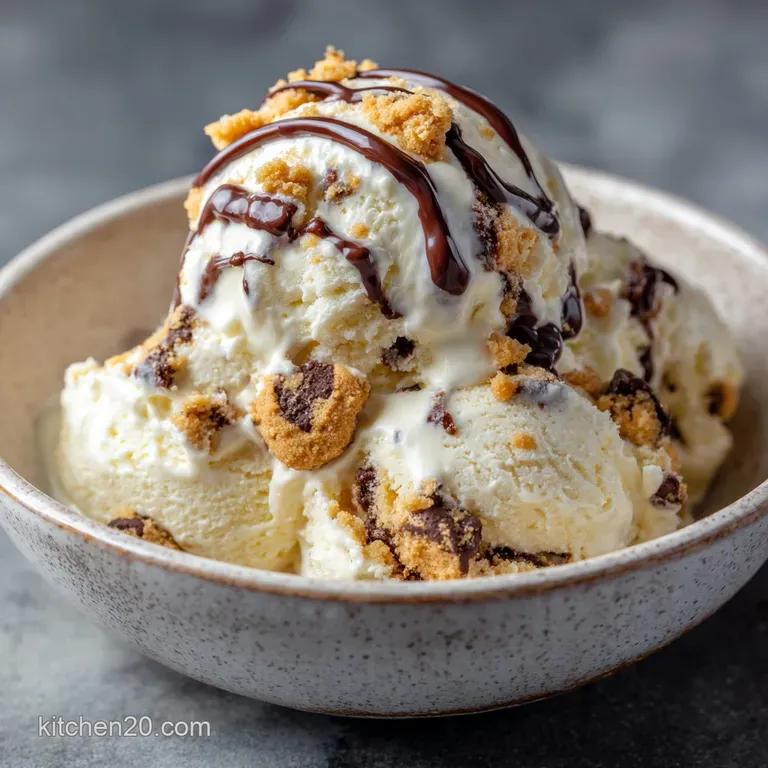
- Mastering the Ultimate Keto Cookie Dough Ice Cream
- Essential Components for the Perfect Low-Carb Dough and Base
- Required Equipment for Culinary Success
- Phase 1: Crafting the Silky Vanilla Ice Cream Base
- Phase 2: Preparing and Incorporating the Dough Chunks
- Phase 3: Churning, Layering, and Final Freezing
- Expert Troubleshooting and Consistency Hacks
- Storage, Serving, and Flavor Customization
- Recipe FAQs
- 📝 Recipe Card
Mastering the Ultimate Keto Cookie Dough Ice Cream
Crafting genuinely decadent Low Carb Ice Cream requires precision and commitment, elevating the final texture far beyond standard sugar-free desserts. This specific method uses a classic French style custard base, which results in a richness that rivals any high end scoop shop.
The result is a creamy, smooth vanilla base perfectly studded with chewy chunks of buttery Keto Cookie Dough. This luxurious approach ensures every spoonful of this Keto Cookie Dough Ice Cream is a satisfying indulgence.
Why a Tempered Custard Base Matters for Keto Ice Cream
A proper tempered custard, or crème anglaise, is the foundation of superior ice cream texture. Eggs yolks emulsify the mixture, preventing the formation of large, sharp ice crystals during freezing. This high fat, egg-rich base inherently resists hardening into an unappetizing block.
It guarantees a final scoop that is dense yet wonderfully pliable straight from the freezer.
This essential step stabilizes the liquid components, ensuring the final product remains velvety smooth. The thickening process binds the heavy cream and almond milk together, locking in the richness.
Skipping the tempering stage often yields an icy, crumbly texture that severely detracts from the quality of this Low Carb Dessert.
The Low-Carb Science Behind the Scoop (Stabilizers and Sweeteners)
Achieving a smooth, scoopable consistency without traditional sugar, which acts as a natural antifreeze, requires strategic replacements. We utilize a blend of erythritol and monk fruit to provide necessary sweetness while maintaining minimal impact on blood sugar.
Integrating a small measure of xanthan gum is vital; this stabilizer adds necessary elasticity to the mixture.
The xanthan gum works by trapping liquid and preventing water molecules from migrating and forming large crystals. This is the secret to How To Make Low-carb Ice Cream that stays genuinely creamy, even after days in the deep freeze.
This careful manipulation of ingredients addresses the challenges inherent in high fat, low-sugar recipes.
Tasting Notes: Texture, Sweetness, and Dough Consistency
The flavor profile of this keto chocolate chip cookie dough ice cream is profoundly satisfying, balancing intense vanilla with rich, buttery notes. The creamy base melts beautifully on the palate, leaving behind a wonderful, clean sweetness.
We ensure the sweetener level is high enough to compensate for the flavor dampening effect of freezing.
The star ingredient, the Keto Cookie Dough, maintains a delightful, slightly firm chewiness that contrasts perfectly with the soft base. The sugar-free chocolate chips deliver small bursts of intense cacao flavor throughout the low carb chocolate chip cookie dough ice cream.
This dual texture smooth and chewy is what makes this dessert so addictively comforting.
Essential Components for the Perfect Low-Carb Dough and Base
Building the ultimate Keto Cookie Dough Ice Cream requires two distinct, meticulously prepared components: the highly stable vanilla custard base and the safe, flourless cookie dough pieces. The base relies on high-quality heavy cream, rich egg yolks, and vanilla bean paste for its depth.
This ensures a deeply satisfying foundation for the inclusions.
The edible cookie dough is crafted using finely ground almond flour, softened butter, and an appropriate granulated sweetener. Crucially, the almond flour must be heat treated for food safety before mixing with the other ingredients. Both components require significant chilling time before their final combination.
Required Equipment for Culinary Success
While the ingredients are straightforward, achieving the perfect texture for this dessert depends heavily on using the right equipment. An operational ice cream maker is non-negotiable for producing the required soft serve consistency necessary for folding.
A fine mesh sieve is also essential to ensure the custard base is flawlessly smooth after cooking.
You will need a sturdy saucepan for gently heating the dairy and cooking the egg custard to the nappe stage. On top of that,, a large bowl filled with ice water, known as an ice bath, is vital for cooling the base quickly.
Rapid chilling stops the cooking process immediately and facilitates the smallest possible ice crystal formation.
Choosing Your Ideal Sugar Substitute (Erythritol vs. Allulose)
The choice of sweetener drastically impacts the finished texture and flavor of any Low Carb Ice Cream. We recommend using a granulated erythritol/monk fruit blend because it offers great bulk and a clean, recognizable sweetness.
Erythritol, however, tends to crystallize slightly when frozen hard, requiring a short rest before serving.
Allulose is another excellent option for low-carb recipes because it behaves much more like traditional sugar, lowering the freezing point of the ice cream. This results in a much softer scoop straight from the freezer, though it can be slightly harder to source and is often more expensive.
Always taste your base and adjust the sweetness level before chilling, as cold temperatures diminish perceived sweetness.
Making Edible Cookie Dough: The Flourless Method
The key to creating safe Keto Cookie Dough is eliminating the risk associated with consuming raw flour. We use finely ground almond flour, which must first be briefly heat treated in the microwave to neutralize potential bacteria.
This simple step ensures the dough is entirely safe for consumption without baking.
Once the almond flour cools completely, it is combined with softened butter and sugar-free sweetener. This mixture should form a tight, cohesive dough that holds its shape well. Using softened butter, not melted butter, is crucial for achieving that characteristic chewy cookie dough structure.
The Dairy Difference: Heavy Cream vs. Coconut Cream
Heavy cream provides the necessary milk solids and high fat content fundamental to a rich, dense ice cream base. Its 36% fat ratio prevents excessive crystallization and ensures maximum creamy mouthfeel. This fat content is integral to the successful emulsion created during the tempering process.
For those requiring a dairy-free variation for this low carb cookie dough ice cream, full fat canned coconut cream can be successfully substituted. Be aware that coconut cream imparts a subtle tropical flavor, which is a delicious variation but changes the classic vanilla profile.
Regardless of the choice, full fat is mandatory to maintain the structural integrity of the frozen dessert.
Selecting the Right Ice Cream Machine for Optimal Results
The type of ice cream machine you use directly influences the texture and speed of your preparation. Machines requiring a pre-frozen bowl are the most common and effective choice for home cooks making How To Make Low-carb Ice Cream .
Ensure your bowl is frozen solid, ideally for 24 hours, to achieve sufficient churning power.
Compressor style machines, while more costly, offer the convenience of churning multiple batches without re-freezing any component. Regardless of the type, the goal is rapid aeration and freezing. The faster the churning process, the less time the mixture has to develop large ice crystals.
Tools for Tempering Eggs Safely (Double Boiler Setup)
Tempering is the process of gently raising the temperature of the egg yolks to prevent them from scrambling when mixed with hot liquid. While a classic double boiler is useful, tempering can be managed effectively using a heat proof bowl set over simmering water, or by carefully pouring the hot liquid into the yolks.
The latter method is safer and quicker.
You will need a dependable saucepan for the main dairy mixture and a separate bowl for whisking the egg yolks and sweetener. This separation allows you to gradually introduce the hot cream using a ladle, whisking constantly to stabilize the eggs.
A reliable instant read thermometer is your best defense against overcooking the custard base.
Phase 1: Crafting the Silky Vanilla Ice Cream Base
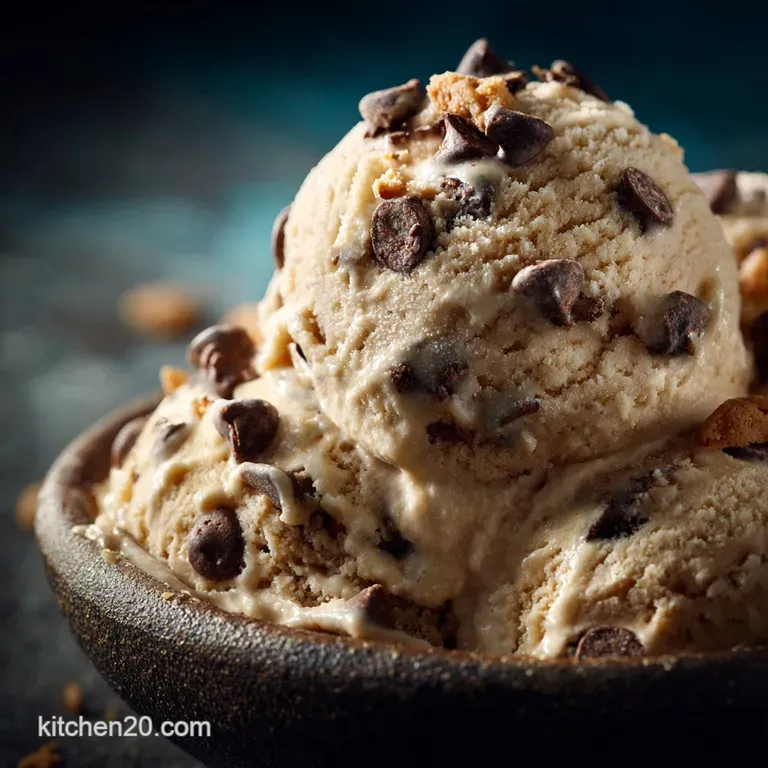
The first crucial phase involves creating and cooking the French style custard that serves as the foundation for your Keto Cookie Dough Ice Cream . Start by gently heating the heavy cream and almond milk in a medium saucepan until steam rises and small bubbles form around the edges.
This ensures the dairy is ready for the tempering process.
While the dairy heats, vigorously whisk the egg yolks with the granulated sweetener and a pinch of xanthan gum until the mixture is visibly pale and slightly thickened. This aeration step is essential for incorporating air and preparing the yolks to receive the hot liquid without curdling.
The dairy must be removed from the heat immediately before it reaches a full boil.
Related Recipes Worth Trying
- Creamy White Chicken Chili Ready in Under an Hour Easy Stovetop — This easy White Chicken Chili recipe is a proper hug in a bowl We use cream cheese and toasted spices to create a rich velvety soup base in just 50 minutes...
- Foolproof GlutenFree Keto Crab Cakes with Zesty Aioli — Skip the heavy fillers Our authentic GlutenFree Keto Crab Cakes are naturally low carb perfectly crisp and loaded with jumbo lump crab Try this elegant...
- Roasted Tomato Soup Recipe The Creamy Comforting Classic — Forget watery tins This Creamy Roasted Tomato Soup uses fresh ingredients for a rich velvety texture and depth Make this classic from scratch today
Phase 2: Preparing and Incorporating the Dough Chunks
As the ice cream base chills, focus attention on preparing the flavorful keto chocolate chip cookie dough ice cream inclusion. After heat treating the almond flour and mixing all the dough components, roll the finished dough into a tight log or a flattened disc.
This shaping makes it easier to cut into uniform pieces later.
This dough needs a minimum of 30 minutes in the refrigerator to firm up before cutting. Once firm, chop the dough into irregular, bite sized chunks, aiming for pieces roughly half an inch wide.
Transfer these chopped pieces to the freezer; they must be rock hard when introduced into the churned base to prevent melting.
Phase 3: Churning, Layering, and Final Freezing
Once the base is perfectly chilled and the cookie dough is frozen solid, the final churning and hardening can begin. Pour the thoroughly cold custard base into your activated ice cream maker and allow it to churn until it reaches the consistency of firm soft serve.
This usually takes 20 to 30 minutes, depending on the machine’s power.
Working quickly, transfer the soft ice cream to a chilled, freezer safe container, such as a loaf tin. Gently fold in the frozen dough pieces, distributing them evenly throughout the mixture without overmixing.
Cover the container tightly, then transfer it to the deepest part of your freezer for 3 to 4 hours to harden completely into scoopable keto cookie dough ice cream recipe .
step-by-step Guide to Tempering Your Egg Yolks
Tempering demands precision and speed to avoid creating sweet scrambled eggs. Slowly ladle about one full cup of the hot cream mixture into the prepared yolk and sweetener bowl. Maintain continuous, rapid whisking throughout the entire addition.
This gradual introduction raises the temperature of the yolks safely. The tempered mixture is then poured back into the saucepan with the remaining cream. Return the combined custard to very low heat, stirring constantly until it coats the back of a spoon, reaching an internal temperature of 80– 82° C (175– 180° F).
Chilling Protocol: Achieving Maximum Base Density
Proper chilling is not merely about temperature; it’s about allowing the fat molecules time to fully stabilize and the ingredients to hydrate. After cooking, strain the hot custard through a fine mesh sieve into a clean bowl to remove any potential solids or minute curdled bits.
Immediately place this bowl into an ice bath to rapidly drop the temperature.
Transfer the base to the refrigerator once it has cooled significantly in the ice bath. The minimum chilling time is four hours, but preferably leave the base overnight. The intensely cold temperature and resting time ensures the base achieves maximum density, translating directly into a smoother finished texture when churned.
Mixing the Perfect Chewy Chocolate Chip Dough
The texture of the low carb chocolate chip cookie dough ice cream chunks is determined by the ratio of butter to almond flour. Ensure the softened butter and granulated sweetener are thoroughly creamed together first until light and fluffy.
This provides the foundational airiness that keeps the dough pieces relatively soft when frozen.
Incorporate the cooled, heat treated almond flour, vanilla, and salt until the mixture forms a cohesive mass. Finally, fold in the sugar-free chocolate chips; do not overmix at this stage. You want the chips distributed well without the dough becoming overly warm or oily from handling.
Shaping and Freezing the Dough for Inclusion
After chilling the dough log for its initial 30 minutes, handling it while cold prevents the butter from softening excessively. Use a sharp knife to chop the dough into slightly irregular, small pieces. Irregular pieces add a more rustic, appealing texture to the final dessert.
The small chunks should be spread onto a parchment lined tray and returned to the freezer until they are completely solid. Frozen dough is critical because adding room temperature or merely chilled dough would instantly melt the surrounding soft serve, leading to crystallization and textural collapse.
Churning Dynamics: Monitoring Temperature and Volume
When the base is poured into the pre-frozen bowl, the rapid temperature drop initiates the freezing process immediately. The machine’s paddle simultaneously churns and incorporates air, increasing the volume by about 25%.
Monitor the ice cream until it pulls away from the walls and achieves the distinct thickness of commercial soft serve.
If the base is not cold enough when starting, or if the bowl is not fully frozen, the mixture will fail to thicken adequately. Stop churning the moment the ice cream is sufficiently firm. Over churning can lead to the separation of fat and water, resulting in a grainy, undesirable texture.
Swirling and Hardening Your Keto Cookie Dough Ice Cream
The final assembly phase requires quick action to avoid melting the newly churned product. Transfer the soft ice cream base to a chilled container, then gently scatter the frozen keto cookie dough ice cream recipe pieces across the top.
Use a spatula to fold the dough through the base two or three times.
The goal is a light swirl, not a uniform blend, allowing the dough to remain chunky and distinct. Press a sheet of parchment paper directly onto the surface of the mixture before securing the lid tightly. This prevents air exposure and minimizes freezer burn during the final 3-4 hour hardening period.
Expert Troubleshooting and Consistency Hacks
If your low-carb frozen dessert is too icy, it often indicates insufficient fat or poor emulsification in the base. Ensure you do not decrease the amount of heavy cream, as this high fat ratio is the primary defense against crystallization.
Always strain the custard, as removing even tiny solids helps maintain the smooth integrity of the base.
Another common issue is a gritty texture, which often arises from certain granulated sweeteners, particularly erythritol, recrystallizing in the cold. To combat this, ensure your sweetener is fully dissolved in the warm dairy mixture before tempering the eggs.
For the best flavor results, always chill the base thoroughly before churning, as rushing this step guarantees a compromised texture.
Storage, Serving, and Flavor Customization
Once the ice cream has hardened for at least four hours, let it sit out at room temperature for 10 to 15 minutes before attempting to scoop. This short temper period allows the dense, high fat, low-sugar product to soften slightly.
Serve this rich dessert plain, or consider drizzling it with a homemade sugar-free chocolate sauce for extra decadence.
For flavor variation, consider adding one teaspoon of sugar-free mint extract to the base alongside the vanilla paste before chilling. Alternatively, brown two tablespoons of butter before mixing the dough components; chilling the brown butter until solid adds an incredible nutty, caramelized complexity to the cookie dough pieces.
Preventing Ice Crystallization (The Alcohol Trick)
Ice crystallization occurs when water molecules bind together during freezing, forming noticeable, hard chunks. Beyond the use of stabilizers like xanthan gum, a culinary trick involves adding a very small amount of high proof clear alcohol, such as vodka.
A single tablespoon of vodka, added to the chilled base just before churning, effectively lowers the overall freezing point.
This subtle change in the mixture's chemistry inhibits the formation of large ice crystals without imparting any noticeable flavor. Coupled with rapid chilling and thorough emulsification, this small alcohol addition dramatically improves the long term texture of the ice cream.
Remember, this trick works by interfering with the freezing process, keeping the final product softer.
Why Is My Ice Cream Too Soft/Hard? (Understanding Fat Content)
If your finished product is too soft, it usually means your chilling time was inadequate or too much alcohol/allulose was used, excessively lowering the freezing point. The ice cream should maintain a firm, yet scoopable consistency.
Conversely, a rock hard texture indicates insufficient fat or the omission of stabilizers.
Traditional sugar helps keep ice cream soft because it prevents water from freezing solid; since we remove sugar, fat and fiber must compensate. The combination of high fat heavy cream and the tiny amount of xanthan gum ensures that the final scoop is hard enough to hold its shape but soft enough to be enjoyed immediately after a short temper.
Storage Life and Re-Softening Tips (The Freezer Burn Battle)
Proper storage is essential for maintaining the creamy texture of your Low Carb Dessert over time. Always transfer the finished ice cream to an airtight, freezer safe container, ideally a shallow loaf tin. Ensure the lid is completely sealed to prevent moisture loss and the ingress of freezer odors.
Stored correctly, this ice cream can maintain peak quality for up to two weeks. To re-soften a scoop that has frozen too hard, place the serving container in the microwave for a very brief 10 to 15-second burst on low power.
Alternatively, let it temper on the counter for 15 minutes before serving.
Nutritional Snapshot: Carbs, Fats, and Calorie Breakdown
This low carb cookie dough ice cream is designed to fit seamlessly into a ketogenic lifestyle, focusing on high fat ingredients and minimal net carbohydrates. Utilizing a rich custard base means the total fat content is substantial, providing sustained energy and satiety.
The estimated total fat per serving hovers around 30 grams.
Crucially, the recipe delivers an extremely low net carbohydrate count, estimated at only six grams per serving. This macro profile makes it a highly effective and indulgent treat for those strictly managing carbohydrate intake. The careful selection of sweeteners ensures negligible impact on blood sugar levels.
dairy-free Alternatives for Keto Cookie Dough Ice Cream
Creating a dairy-free version of this decadent dessert is straightforward, requiring one primary substitution. Replace the heavy cream with full fat canned coconut cream, ensuring you only use the thick cream from the top of the can. Avoid the watery liquid at the bottom.
Coconut cream is high in saturated fat, which effectively mimics the textural benefits of heavy dairy cream in the freezing process. While this substitute adds a subtle coconut undertone, it provides the necessary richness and stabilization required for a smooth, high-quality Keto Cookie Dough Ice Cream .

Recipe FAQs
My homemade keto ice cream often freezes rock hard how can I stop that from happening?
That is an absolute nightmare, isn't it? The culprit is usually a lack of sugar solids. Ensure your custard base is thoroughly chilled (at least 4 hours) and, crucially, do not skip the recommended xanthan gum; it acts as a much needed stabiliser, preventing the dreaded crystallisation that makes keto ice cream brick like.
Is the cookie dough safe to eat, seeing as it’s going straight into the ice cream?
Absolutely! Don’t panic, we’ve got this covered. This edible dough is egg-free, and the recipe specifically instructs you to heat treat the almond flour by microwaving it briefly, which neutralises any potential bacteria, so you're safe as houses to tuck in.
I don't have the erythritol blend; can I use a different sweetener?
You certainly can, but adjusting is a bit of a minefield! Allulose works beautifully and stays wonderfully soft when frozen, whereas liquid stevia is far more concentrated, so start low and make sure to taste the base before chilling, as you can’t adjust the sweetness later.
Can I make this recipe dairy-free for those with intolerances?
Yes, easy peasy! Swap the heavy cream for full fat canned coconut cream and use a neutral milk substitute like macadamia or hemp milk in the base; just remember the coconut cream needs to be chilled and whisked well before heating to ensure a smooth consistency.
How long can I keep my Keto Cookie Dough Ice Cream in the freezer before the quality drops off?
If you can make it last that long, your homemade, luxurious Keto Cookie Dough Ice Cream is best enjoyed within 2 to 3 weeks for optimum flavour and texture; after that, even with a stabiliser, the quality can drop off a tad, resulting in slightly larger ice crystals.
Luxurious Keto Cookie Dough Ice Cream
Ingredients:
Instructions:
Nutrition Facts:
| Calories | 417 kcal |
|---|---|
| Protein | 5.2 g |
| Fat | 18.7 g |
| Carbs | 55.4 g |
| Fiber | 11.8 g |
| Sodium | 5726 mg |
