Thanksgiving Vegetable Side Dishes: Maple-Kissed Roasted Butternut and Sprouts
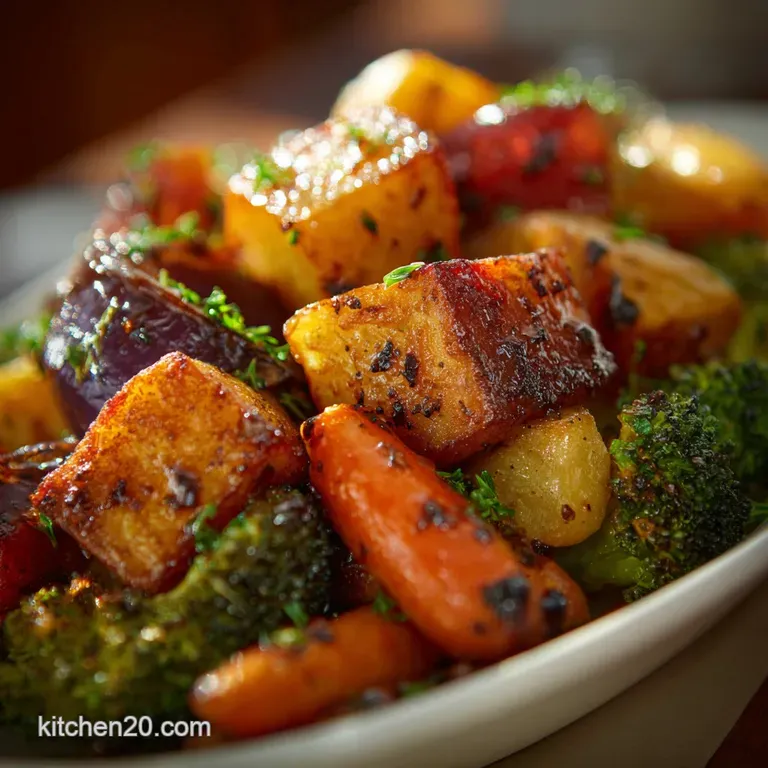
- Elevating Your Thanksgiving Vegetable Side Dishes: The Maple-Kissed Harmony
- Essential Ingredients for the Best Roasted Thanksgiving Vegetable Side Dish
- Roasting to Perfection: Step-by-Step Method
- The Science of Scrumptious: Achieving Perfect Texture and Flavor Balance
- Expert Tips and Avoiding Common Roasting Roadblocks
- Seamless Integration: Pairing This Side with Other Thanksgiving Dishes
- Recipe FAQs
- 📝 Recipe Card
Elevating Your Thanksgiving Vegetable Side Dishes: The Maple Kissed Harmony
The Magic of Maillard: Why over High heat Roasting is Essential
The moment that smell hits the air caramelized sugar, deep earthy sprouts, and a hint of warm maple you know the holidays have officially started. This dish is Thanksgiving comfort, but dialed way up. Forget those sad, soggy, boiled vegetables of years past.
This recipe for roasted butternut squash and Brussels sprouts is a total lifesaver, genuinely. It’s incredibly fast, requires just two basic sheet pans, and doesn't demand constant hovering, freeing up the stovetop for gravy and potatoes.
It takes classic Thanksgiving vegetable side dishes and turns them into a vibrant centerpiece, not just an afterthought.
We are converting everyone who thinks they hate Brussels sprouts, guaranteed. If you want a savory, sweet, and perfectly crisp counterpoint to your turkey, grab your best maple syrup and let’s crack on.
From Forgotten Sides to Festive Centerpiece
This recipe is built on simple kitchen logic: high heat plus sugar equals glorious caramelization, but only if you manage the timing. We utilize the Maillard reaction (that beautiful browning effect) to give the squash and sprouts incredible depth before we even introduce the sticky maple glaze.
You want crisp, deep brown edges, not limp, sad greens!
I learned this the hard way years ago by trying to toss the maple syrup on at the beginning. Rookie mistake. The sugar just burned long before the squash was tender.
This method uses staggered glazing to ensure everything is tender, golden, and coated in sticky goodness without tasting like charcoal.
A Quick Overview of Prep Time, Cook Time, and Servings
You don't need all day to make spectacular Thanksgiving vegetable sides, promise.
| Metric | Time/Count |
|---|---|
| Prep Time | 20 minutes (chopping) |
| Cook Time | 30– 35 minutes |
| Total Time | 50– 55 minutes |
| Servings | 8 generous servings |
Essential Ingredients for the Best Roasted Thanksgiving Vegetable Side Dish
Selecting and Preparing Your Brussels Sprouts and Butternut Squash
You must use fresh vegetables here; frozen sprouts just won't give you that crucial crispy texture. Look for firm, heavy squash without any soft spots, and make sure your sprouts are tightly closed. Uniformity is critical for even cooking, so take your time cutting the squash into true 1 inch cubes.
The Essential Pantry Staples (Garlic, Olive Oil, and Seasoning)
Don't skimp on the oil. We use extra virgin olive oil for its richness and high heat tolerance during the initial dry roast. Kosher salt is necessary because the larger crystals adhere better to the vegetables than fine table salt. And freshly ground pepper always tastes better it just does.
Ingredient Swaps: Pecan Alternatives and Squash Variations
Need to tweak the recipe for allergies or what’s on hand? Easy peasy. Always make sure to toast the nuts you swap in; it dramatically boosts their flavor.
| Ingredient | Viable Substitute | Chef’s Note |
|---|---|---|
| Butternut Squash | Sweet Potatoes or Acorn Squash | Keep pieces exactly 1 inch cubed. |
| Pecans | Toasted Walnuts or Sliced Almonds | Skip the cranberries if using almonds. |
| Pure Maple Syrup | Runny Honey or Agave Nectar | Honey burns faster; check the oven more often. |
| Balsamic Vinegar | Apple Cider Vinegar (ACV) | ACV provides a sharper, fruitier tang. |
Choosing the Right Maple Syrup Grade for Maximum Flavor
We are not using pancake syrup here, ever. Please, use pure maple syrup. For this application, I always go for a Grade A Dark Robust Taste. It has a deeper, richer, almost smoky caramel flavor that stands up beautifully to the savory, slightly bitter sprouts.
CRUCIAL TIP: If you use a light amber syrup, the flavor will be delicate and likely get lost against the intense roast and the balsamic vinegar. Go dark or go home.
Roasting to Perfection: step-by-step Method

This is the only recipe for Thanksgiving vegetable side dishes you will ever need, trust me.
1. The Crucial Prep: Uniform Chopping for Even Cooking
Preheat your oven to a blazing 400°F (200° C) . Toss the prepared, peeled, and cubed squash (3 lbs) and trimmed, halved sprouts (1.5 lbs) in a very large bowl. Drizzle with 4 Tbsp of olive oil, 1 tsp kosher salt, and 1/2 tsp pepper, tossing until everything is lightly and evenly coated.
2. Coating the Vegetables: Creating the Maple Oil Glaze
The Don’t Crowd the Pan Rule: Spread the oiled vegetables onto one large, rimmed baking sheet or two standard sheets if necessary. They MUST be in a single layer with space between them. If they touch, they will steam, and we lose the crisp!
Roast for the first 15 minutes.
While they roast, make the quick glaze. Melt 1 Tbsp unsalted butter and whisk it together with 1/4 cup pure maple syrup and 2 Tbsp good balsamic vinegar. Set it aside.
3. Staggered Roasting Times for Optimal Caramelization
After 15 minutes, pull the baking sheet out. The sprouts should be starting to look golden and the squash should be taking on some color. Drizzle exactly half of the maple balsamic glaze mixture over the hot vegetables and toss gently with a spatula to coat everything evenly.
Return to the oven for another 15– 20 minutes.
4. Adding the Pecans and Final Acidity Boost
Roast until the squash is easily pierced with a fork and the sprouts are deeply caramelized, almost blackened in spots. This is the flavor you want! Remove the pan, transfer the vegetables to a serving platter, and immediately drizzle with the remaining glaze.
Sprinkle with 1/2 cup of pre-toasted chopped pecans and 1/4 cup of dried cranberries (if you're using them for that festive color and chew).
The Science of Scrumptious: Achieving Perfect Texture and Flavor Balance
Contrasting Textures: Creamy Squash Meets Crisp Sprouts
What makes this such a great Thanksgiving vegetable side dish is the inherent contrast. We want the butternut squash to be sweet and yielding on the inside, almost creamy, while the sprouts maintain a nice bite and crisp, charred outer leaves. The over high heat roasting achieves this wonderful balance.
The Sweet Acidic Counterpoint: Maple Syrup and Balsamic Vinegar
Maple syrup provides that deep, rich sweetness that screams autumn. But without the acid, it’s just sticky. The balsamic vinegar’s intense, wine like tang is the critical ingredient here, cutting right through the richness and elevating the overall flavor profile.
It prevents the dish from feeling heavy or cloyingly sweet.
Boosting Nutty Notes with over High heat Roasting
Roasting the vegetables themselves brings out a natural, earthy nuttiness even before you add the pecans. If you love that toasted savory flavor, you should also check out my recipe for Savory Roasted Sweet Potatoes: Crispy Smoked Paprika Rosemary Side , which uses a similar technique to maximize natural vegetable flavor.
Expert Tips and Avoiding Common Roasting Roadblocks
The 'Don't Crowd the Pan' Rule for Maximum Crispness
I've said it before, but it bears repeating: Crowded pans steam! If you notice your vegetables are looking pale and watery instead of aggressively browning, they are too close together. Use two sheet trays if necessary, even if it feels like a waste of oven space.
That circulation is essential for a crispy finish.
Troubleshooting Undercooked Squash or Burnt Sprouts
If you check the vegetables and the squash is still hard but the sprouts are looking dangerously dark, here’s the fix: Use tongs to remove the sprouts and set them aside on a plate. Return the squash alone to the oven for 5– 10 minutes until tender.
Recombine everything when you toss the final glaze and pecans.
How to Store and Reheat Leftover Roasted Vegetables Safely
These Thanksgiving vegetable sides hold up pretty well, but they will lose some crispness overnight. Store them in an airtight container in the fridge for up to 4 days.
Reheating requires strategy. Don't microwave them! To re-crisp, spread the leftovers on a sheet pan and toss them back into a 400°F (200° C) oven or a toaster oven for about 5 to 7 minutes.
This high, dry heat will try to bring back the texture and minimize sogginess.
Seamless Integration: Pairing This Side with Other Thanksgiving Dishes
Serving Suggestions and Complementary Pairings
This roasted side dish provides much needed texture and acidity to balance out the richness of your main course. Because it’s so savory sweet, it pairs beautifully with traditional, dense sides.
Try serving it next to something softer and comforting, like perfect mashed potatoes or a super creamy gratin. If you need a spectacular stuffing recipe to balance the sweet maple glaze, you absolutely must try my Thanksgiving Stuffing: Brown Butter Sourdough for a Crisp Top . The intense sage and savory notes from the stuffing provide a perfect contrast to the sweetness of the squash.
If your preference leans toward a richer, more classic preparation, pairing this bright side with my traditional Grandmas Thanksgiving Stuffing: Classic Sage Sausage Dressing is also a winning combination. The key is contrast!

Recipe FAQs
Why are my Brussels sprouts soggy instead of perfectly caramelized and crispy?
Sogginess is usually caused by overcrowding the pan, which traps moisture and causes the vegetables to steam rather than roast. Ensure the sprouts and squash are spread in a single layer on the sheet pan, leaving small spaces between them. Use high heat (400 425°F) to promote rapid caramelization.
The maple glaze started burning before the squash was fully tender. What should I do differently?
The high sugar content in maple syrup can easily burn if exposed to intense heat for too long. For the best result, roast the vegetables seasoned only with oil, salt, and pepper for the first 15 20 minutes. Only add the maple syrup mixture for the final 10 minutes of cooking time.
Can I make this dish completely ahead of time for Thanksgiving?
While the vegetables can be prepped squash cubed and sprouts trimmed up to two days ahead, the dish must be roasted immediately before serving. Roasted vegetables lose their desirable crisp texture quickly, and reheating will often make them mushy.
Keep them raw and refrigerated until 45 minutes before serving.
I have a nut allergy; what is a good substitute for the crispy pecans?
You can substitute the pecans with toasted sunflower seeds or pepitas (pumpkin seeds) for a similar crunch and savory flavor contrast. Ensure that the seeds are added during the last five minutes of roasting or lightly toasted separately and sprinkled on top after the dish is removed from the oven.
Can I substitute butternut squash with a different type of squash or vegetable?
Yes, acorn squash, delicata squash, or even firm sweet potato cubes are excellent substitutes as they roast beautifully and have a similar density. If using sweet potatoes, monitor the cooking time, as they may soften slightly faster than the butternut squash.
How should I store and reheat leftovers to preserve the texture?
Store leftovers in an airtight container in the refrigerator for up to 3 days. To reheat, spread the vegetables on a baking sheet and warm them at 350°F (175°C) for 5-7 minutes. Avoid microwaving, as this will lead to a very soft, unappealing texture.
How can I elevate the flavor profile and add more acidity to balance the sweetness?
A simple yet effective method is drizzling a teaspoon of high-quality aged balsamic vinegar or a squeeze of fresh lemon juice over the finished, hot vegetables. This sharp acid will cut through the sweetness of the maple and the richness of the roast, brightening the overall dish.
Maple Glazed Thanksgiving Vegetable Sides

Ingredients:
Instructions:
Nutrition Facts:
| Calories | 250 kcal |
|---|---|
| Fat | 14 g |
| Fiber | 6 g |
