Marry Me Chicken Meatballs: Silky Cream Sauce
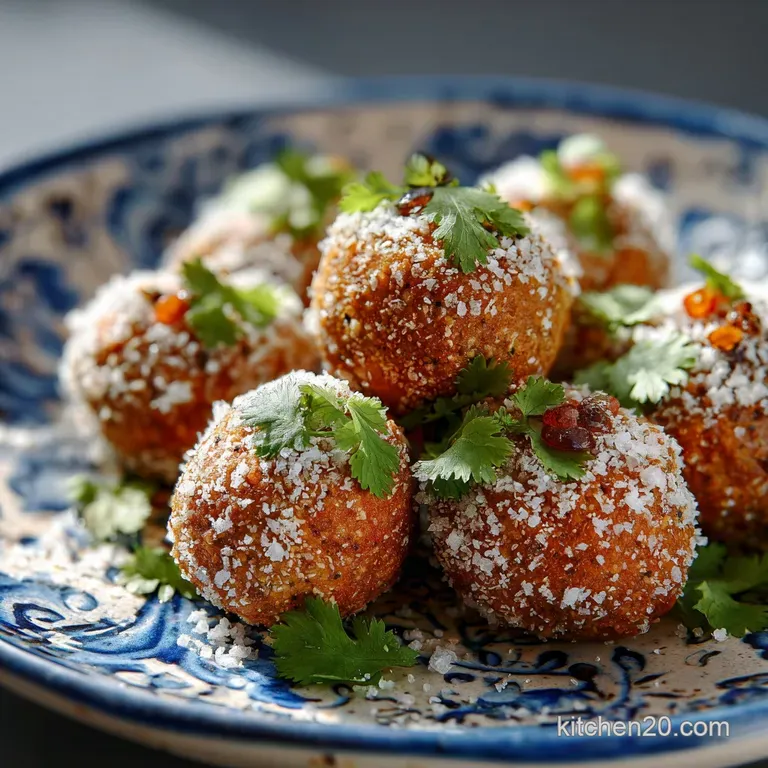
- Time: Active 15 minutes, Passive 15 minutes, Total 30 minutes
- Flavor/Texture Hook: Silky cream sauce with a golden, seared crust
- Perfect for: Impressing a date or a high speed weeknight win
- Revolutionizing Comfort with Marry Me Chicken Meatballs
- The Science of Why it Works
- Component Analysis and Ingredient Roles
- Selecting the Best Elements and Substitutions
- Engineering the Process Step by Step
- Solving Texture and Sauce Problems
- Strategy for Scaling the Recipe
- Debunking Common Kitchen Beliefs
- Storage and Zero Waste Strategies
- Creative Pairings and Serving Suggestions
- High in Sodium
- Recipe FAQs
- 📝 Recipe Card
Revolutionizing Comfort with Marry Me Chicken Meatballs
Imagine the sizzle of ground chicken hitting a hot skillet, followed by the intoxicating aroma of garlic and sun dried tomatoes hitting the air. We've all been there, staring at a pack of ground chicken and worrying it's going to turn out like dry, flavorless pebbles.
Honestly, I used to struggle with chicken meatballs until I stopped treating them like beef and started treating them like a precision engineered project. This dish solves the "dry chicken" problem once and for all.
We are connecting simple ingredients into a sophisticated flavor network. The sauce is so rich and savory it supposedly elicits marriage proposals, but I just love it because it’s a reliable system for a great dinner.
You get that satisfying sear on the outside while the interior stays tender thanks to a few technical tweaks we’ve borrowed from high end kitchens. It's not just a meal, it's a total logic upgrade for your weeknight rotation.
This recipe is about more than just eating, it's about revolutionizing your approach to poultry. We’re going to use specific color accents crimson sun dried tomatoes, emerald spinach, and snow white parmesan to make this look as good as it tastes.
Forget everything you know about boring chicken, we're building something much better here. Let’s get the pan hot and start the process.
The Science of Why it Works
Myofibrillar Protein Gelation: Salt dissolves specific proteins in the chicken, creating a sticky matrix that traps moisture and fat during the cooking process.
Capillary Action in Panade: The panko and heavy cream mixture acts as a microscopic sponge, holding liquid inside the meatball to prevent the "squeezing out" effect during heat exposure.
Maillard Reaction Control: over High heat searing converts amino acids and sugars into hundreds of flavor compounds, providing a savory depth that ground chicken naturally lacks.
Lipid Phase Emulsification: The fats from the heavy cream and parmesan join with the chicken bone broth to create a stable, velvety sauce that coats rather than runs.
| Thickness | Internal Temp | Rest Time | Visual Cue |
|---|---|---|---|
| 1 inch | 165°F | 3 minutes | Golden brown crust with clear juices |
| 1.5 inch | 165°F | 5 minutes | Firm to touch, no pink in center |
| 0.5 inch | 165°F | 2 minutes | Rapid browning, juices bubbling |
Choosing the right size for your Marry Me Chicken Meatballs depends on how much "sear to sauce" ratio you want. Smaller meatballs offer more crispy surface area per bite, while larger ones stay slightly juicier in the middle.
I usually aim for a 1 inch diameter because it balances the cook time perfectly with the sauce reduction.
Component Analysis and Ingredient Roles
When we look at the architecture of this dish, every element serves a functional purpose. We aren't just adding things for the sake of it, each component is a node in the flavor network.
For instance, using a mix of breast and thigh meat is a strategic move to ensure we have enough fat for flavor but enough lean protein for structure. It's about finding that balance.
| Ingredient | Science Role | Pro Secret |
|---|---|---|
| Heavy Cream | Fat Emulsifier | Use room temp cream to prevent sauce "breaking" |
| Panko Breadcrumbs | Moisture Trap | Let them hydrate in the cream before mixing |
| Sun dried Tomatoes | Acid & Umami | Use the oil from the jar for searing |
| Chicken Bone Broth | Collagen Source | Adds a "lip smacking" mouthfeel that water lacks |
The bone broth is particularly important because the collagen provides a natural thickness to the sauce without needing a heavy flour roux. If you want to see how this texture compares to other styles, you might notice similarities in the tender profile of a Nonnas Secret Tender recipe which also prioritizes moisture retention.
Selecting the Best Elements and Substitutions
To get the best results, start with a 1 lb ground chicken mix of breast and thigh. The thigh meat provides the fat needed to keep things silky. We’ll also need 1/2 cup panko breadcrumbs and 1 large egg to bind everything together.
The flavor base comes from 1/4 cup grated Parmesan cheese, 2 tbsp fresh parsley, 1 tsp garlic powder, and 1/2 tsp onion powder. Don't skip the 1/2 tsp kosher salt and 1/4 tsp cracked black pepper for basic seasoning.
For the sauce, we need 1 tbsp olive oil and 1 tbsp heavy cream (for the meatballs themselves). Then, the "Marry Me" magic happens with 3 cloves minced garlic, 1/2 cup sun dried tomatoes, 1 tsp dried oregano, and 1/2 tsp red pepper flakes.
We finish with 1 cup chicken bone broth, another 1 cup heavy cream, 1/2 cup freshly grated Parmesan, 2 cups fresh baby spinach, and fresh basil for the finish.
| Original Ingredient | Substitute | Why It Works |
|---|---|---|
| Heavy Cream (1 cup) | Coconut Milk (Full fat) | Similar viscosity. Note: Adds a subtle tropical scent to the profile. |
| Panko Breadcrumbs | Almond Flour | High fat content. Note: Creates a denser, slightly nuttier meatball. |
| Chicken Bone Broth | Vegetable Broth | Provides liquid volume. Note: Lacks the gelatinous body of bone broth. |
| Parmesan Cheese | Pecorino Romano | Salty and sharp. Note: Much funkier flavor than the mellow Parmesan. |
Using the right fat source is the "platform" for the entire dish. If you find yourself out of heavy cream, the coconut milk works surprisingly well, though it shifts the flavor slightly toward a fusion profile.
Always remember that the quality of your parmesan matters the stuff in the green can won't melt into the sauce correctly.
Engineering the Process step-by-step
- Hydrate the binder. Mix 1/2 cup panko with 1 tbsp heavy cream and the beaten egg. Note: This creates a panade that prevents the chicken proteins from tightening too much.
- Integrate the proteins. Combine the 1 lb ground chicken with the panko mixture, Parmesan, parsley, garlic powder, onion powder, salt, and pepper.
- Calibrate the size. Roll the mixture into 1 inch balls, aiming for about 16 to 20 total. Note: Uniform size ensures they all finish cooking at the exact same moment.
- Achieve the sear. Heat 1 tbsp olive oil in a large skillet over medium high heat. Add meatballs and cook for 5 minutes until a mahogany crust forms on at least two sides.
- Aromatics deployment. Remove meatballs and add the 3 cloves minced garlic and 1/2 cup sun dried tomatoes to the same pan.
- Deglaze the system. Pour in 1 cup chicken bone broth, scraping the bottom of the pan with a wooden spoon. Watch for the liquid to turn amber from the pan drippings.
- Emulsify the sauce. Stir in 1 cup heavy cream, oregano, and red pepper flakes. Bring to a light simmer.
- Reintroduce the meatballs. Place the meatballs back into the sauce. Simmer for 5 to 7 minutes until the sauce coats the back of a spoon.
- The color balance phase. Fold in 2 cups baby spinach and 1/2 cup Parmesan. Stir until the spinach wilts into emerald ribbons.
- Final polish. Garnish with fresh basil. Serve immediately while the sauce is at peak velvety consistency.
When you're searing the chicken, it's very similar to the technique I use in my How to Make recipe for roast poultry you want that high contact heat to develop flavor before you introduce moisture. If you rush the sear, you lose the deepest layer of savory notes.
Solving Texture and Sauce Problems
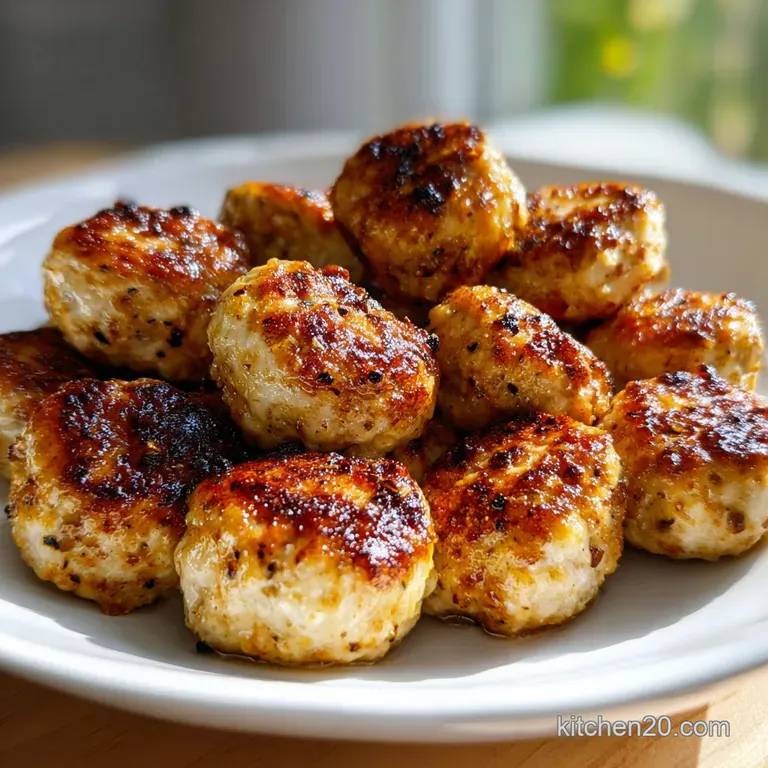
A common issue people face is the sauce "breaking" or becoming oily. This usually happens when the heat is too high or the cream is added while ice cold. If your sauce looks curdled, don't panic. You can often fix it by adding a splash of warm broth and whisking vigorously.
It's all about managing the temperature of the fats and proteins.
Why Your Meatballs Are Rubbery
This usually stems from over mixing the meat. When you work the ground chicken too much, you develop too much protein structure (similar to kneading bread), which leads to a bouncy, tough texture. Use a light hand and just combine until the ingredients are barely integrated.
| Problem | Root Cause | Solution |
|---|---|---|
| Thin Sauce | Not enough reduction | Simmer uncovered for 3 extra minutes to evaporate liquid. |
| Dry Meatballs | Lean meat/No panade | Ensure you use the heavy cream/panko mix to lock in moisture. |
| Bland Flavor | Lack of salt/acid | Add a squeeze of lemon juice or extra Parmesan at the end. |
Why Your Sauce Is Breaking
If you see pockets of oil separating from the cream, the emulsion has failed. This happens if the sauce boils too violently. To fix, remove from heat and whisk in a tablespoon of cold heavy cream to lower the temperature and encourage the fats to reconnect.
Common Mistakes Checklist - ✓ Don't overwork the meat; stop mixing as soon as the spices are visible throughout. - ✓ Use a heavy bottomed skillet like cast iron to maintain even heat during the sear.
- ✓ Pat the meatballs dry if they seem wet before hitting the oil to ensure a better crust. - ✓ Grate your own Parmesan; pre shredded cheese is coated in starch that prevents smooth melting. - ✓ Allow the sauce to simmer gently, never a rolling boil, once the cream is added.
Strategy for Scaling the Recipe
When scaling this recipe up for a crowd, remember that the sauce reduces differently in a larger pan. If you double the recipe (using 2 lbs of chicken), don't simply double the bone broth immediately. Start with 1.5 cups and add more if needed. This prevents the sauce from becoming too watery.
Also, work in batches when searing the meatballs. Overcrowding the pan will drop the temperature, causing the chicken to steam rather than sear, which ruins that beautiful mahogany crust.
If you're scaling down for a solo dinner, use a small 8 inch skillet. Since the surface area is smaller, your sauce will actually reduce slower. You might need an extra minute of simmering to get that velvety consistency.
For the egg, just beat one and use about half of it to avoid a "spongy" texture in a half batch of meatballs.
| Fresh Component | Shortcut Alternative | Impact on Result |
|---|---|---|
| Fresh Garlic | Jarred Minced Garlic | Less pungent, slightly sweeter profile. |
| Bone Broth | Water + Bouillon | Saltier, lacks the silky mouthfeel of collagen. |
| Fresh Spinach | Frozen Spinach | Soggier texture; must be squeezed dry first. |
Debunking Common Kitchen Beliefs
One myth is that you must use only chicken breast for "healthy" meatballs. In reality, using a mix of breast and thigh provides a much better fat to protein ratio, which actually helps you feel fuller and prevents the need for excess sauce.
The fat in the thighs is what makes this a "Marry Me" dish without it, the texture is just too lean and fibrous.
Another misconception is that searing "seals in the juices." Science shows that searing actually causes moisture loss on the surface. However, we do it anyway because the Maillard reaction creates flavor molecules that are essential for a deep, savory profile.
The juices are actually kept inside by the panade (the breadcrumb and cream mix), not the crust itself.
Storage and Zero Waste Strategies
To store leftovers, place the meatballs and sauce in an airtight container in the fridge for up to 3 days. When reheating, do it gently on the stovetop. If you use a microwave, the cream sauce might separate. I like to add a splash of milk or broth when reheating to bring that velvety texture back to life.
It’s a great way to ensure the dish stays as connected as the day you made it.
For zero waste, don't throw away the oil from the sun dried tomato jar. That oil is a flavor "platform" of its own, infused with herbs and tomato essence. Use it for searing the meatballs or even for roasting vegetables later in the week.
If you have leftover spinach that’s starting to wilt, toss it into the sauce at the very last second; it will vanish into the cream while adding extra nutrients. You can also freeze the raw meatballs (before searing) for up to 2 months. Just thaw them in the fridge overnight before you’re ready to cook.
Creative Pairings and Serving Suggestions
The best way to serve these Marry Me Chicken Meatballs is over a bed of al dente pasta or orzo. The small grains of orzo are particularly good at catching the sun dried tomato bits and cream. If you're looking for something different, these are also incredible served with a side of The Crockpot Swedish recipe style noodles if you want to experiment with different sauce bases.
The Classic Orzo Base
Cooking orzo directly in the sauce (with a little extra broth) creates a risotto like texture that is absolutely revolutionizing. The starch from the pasta thickens the cream even further, creating a one pan wonder that is hard to beat.
Shattering Garlic Bread
You need something to mop up every last drop of that velvety sauce. A high-quality baguette, sliced and toasted with garlic butter until the edges are ready to shatter, is the perfect companion. The crunch of the bread provides a necessary textural contrast to the soft, juicy meatballs.
If you want X, do Y: - If you want a thicker sauce, whisk an extra tablespoon of Parmesan into the simmering cream. - If you want crispier meatballs, toss them in a little extra dry panko right before searing.
- If you want a lighter version, swap the heavy cream for half and half and double the spinach.
By focusing on the color balance the deep red of the tomatoes, the bright green of the spinach, and the dusting of white cheese you create a visual experience that matches the technical precision of the flavors.
This is how we take a simple ground chicken recipe and turn it into a total dinner revolution. Let's get cooking!

High in Sodium
985 mg mg of sodium per serving (43% % of daily value)
The American Heart Association recommends limiting sodium intake to about 2,300mg per day for overall cardiovascular health.
Tips to Reduce Sodium in This Recipe
-
Low-Sodium Broth-30%
Replace regular chicken bone broth with a low-sodium or no-salt added version. This single swap can significantly reduce the overall sodium content of the dish.
-
Reduce Parmesan-15%
Parmesan cheese is a significant source of sodium. Reduce the amount of Parmesan by half, using just 1/4 cup in the meatballs and 1/4 cup for the sauce, or substitute with a lower sodium cheese like part skim mozzarella.
-
Fresh Tomatoes-15%
Replace the sun-dried tomatoes in oil with fresh or oven-roasted tomatoes. Sun-dried tomatoes are packed in salt and oil, so omitting or substituting them can substantially lower sodium.
-
Omit Added Salt-25%
Eliminate the 1/2 tsp of kosher salt. Taste the meatballs and sauce before adding any salt, and consider whether it's even needed with the other flavorful ingredients.
-
Herb Power!
Enhance the flavor with fresh herbs and spices! Use more parsley, basil, oregano, garlic, and red pepper flakes to compensate for the reduced sodium. Consider adding fresh thyme or rosemary for depth.
Recipe FAQs
What is the key to juicy chicken meatballs?
Use a panade and a mix of breast and thigh meat. The panko and cream mixture (panade) acts as a sponge to retain moisture, while the fat from the thigh meat prevents dryness. This technical approach is similar to what makes our Nonnas Secret Tender recipe so successful.
How do I prevent my chicken meatballs from becoming rubbery?
Don't overmix the meat. Overworking the chicken develops too much protein structure, leading to a tough, bouncy texture. Mix only until the ingredients are just combined for tender results.
Can I use ground turkey instead of chicken?
Yes, but adjust fat content. Ground turkey is often leaner than chicken, so consider adding a tablespoon of olive oil or using a higher fat percentage ground turkey to mimic the richness needed for this dish.
How do I get a good sear on the meatballs?
Use medium high heat and don't overcrowd the pan. Hot oil is crucial for developing that desirable mahogany crust through the Maillard reaction. Searing over high heat, like we do in the How to Make recipe for roast poultry, creates essential flavor compounds.
What if my sauce breaks or looks oily?
Whisk in a little warm broth or cold cream. A broken sauce typically means the emulsion has failed due to heat. Gently reheating or adding a small amount of liquid can help reform the velvety texture.
Can I make these meatballs ahead of time?
Yes, form them up to 24 hours in advance. Store the formed meatballs in the refrigerator. You can also freeze raw meatballs for up to two months; just thaw them in the fridge overnight before cooking.
What's the best way to serve Marry Me Chicken Meatballs?
Over pasta or orzo is classic. The small grains of orzo are excellent for catching the sauce and sun-dried tomato bits. They're also fantastic with a crusty bread to soak up every last drop.
Marry Me Chicken Meatballs
Ingredients:
Instructions:
Nutrition Facts:
| Calories | 642 kcal |
|---|---|
| Protein | 43.5 g |
| Fat | 46.2 g |
| Carbs | 12.8 g |
| Fiber | 1.6 g |
| Sugar | 4.2 g |
| Sodium | 985 mg |
