Mediterranean Orzo Salad: Zesty and Crisp
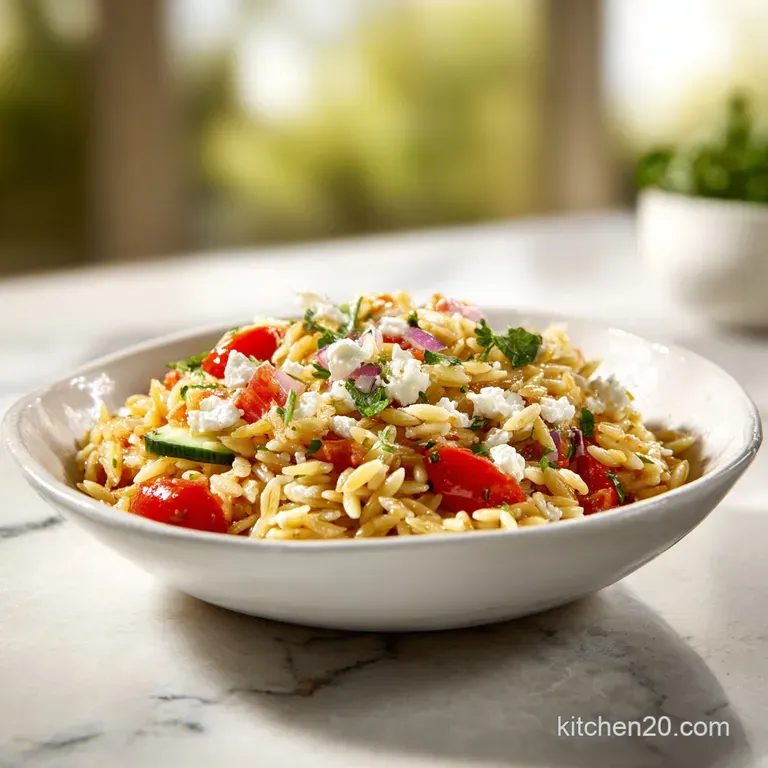
- Time: Active 10 mins, Passive 10 mins, Total 20 mins
- Flavor/Texture Hook: Silky orzo paired with crunchy cucumbers and creamy feta
- Perfect for: Meal prep, summer gatherings, or a quick office lunch
- Refreshing Mediterranean Orzo Salad
- The Starch and Acid Science
- Ingredient Science and Analysis
- Ingredients for Your Salad Platform
- Essential Tools for Assembly
- Instructions for the Perfect Mix
- Troubleshooting Your Orzo Salad
- Personalizing Your Flavor Network
- Storage and Zero Waste Methods
- Pairing Suggestions and Final Plating
- Recipe FAQs
- 📝 Recipe Card
Refreshing Mediterranean Orzo Salad
The first time I really understood the power of this dish, I was standing in a sun drenched kitchen with the sharp, nose tickling aroma of freshly rasped lemon zest filling the air.
I had just finished tossing the warm, teardrop shaped pasta with a sharp red wine vinegar and Dijon dressing, and the way the herbs immediately wilted and released their oils into the starch was a total "lightbulb" moment for me.
I used to rinse my pasta under cold water like everyone else told me to, but that mistake led to bland, slippery salads where the dressing just slid right off to the bottom of the bowl.
Now, I treat the assembly of this Mediterranean Orzo Salad like building a connected flavor network. Every component, from the burst of a cherry tomato to the salty crumble of feta, is a node in a system designed for maximum impact.
You want that silky, tender snap of the pasta to act as the perfect carrier for the vinaigrette. When you get it right, every bite is a synchronized explosion of Mediterranean sunshine. It's honestly revolutionizing how I think about "side dishes" entirely - this often becomes the main event at my house.
We've all been to those potlucks where the pasta salad is a soggy, overcooked mess drowning in bottled dressing. This isn't that. We're going for a polished, textured experience that feels as fresh on the third bite as it did on the first.
By focusing on the thermal timing of the pasta and the emulsification of our oils, we create a dish that doesn't just sit there; it pops. Let's get into the mechanics of why this works so well and how you can master it in your own kitchen platform.
The Starch and Acid Science
The Starch Absorption Window: Adding dressing while the orzo is still warm allows the pasta to absorb the vinaigrette into its outer layer through capillary action, rather than just coating the surface.
This ensures the flavor is integrated into the grain, preventing that "watery" sensation as it cools.
Decision Shortcut for Texture
- If you want a firm, bitey texture, boil the orzo for exactly 8 minutes and skip the carryover heat.
- If you want a softer, silky mouthfeel, cook for 10 minutes and let it sit in the dressing while slightly warm.
- If you want a meal prep powerhouse, slightly undercook the pasta to allow it to soften further as it sits in the lemon juice overnight.
| Method | Time | Texture | Best For |
|---|---|---|---|
| Standard Stovetop | 9-10 mins | Silky & Tender | Immediate serving |
| Cold Soak (Advanced) | 2 hours | Firm & Dense | Ultra stable meal prep |
| High Pressure (IP) | 4 mins | Soft & Unified | Quick weeknight volume |
Choosing the right method depends entirely on your schedule, but the stovetop method remains the gold standard for controlling that perfect al dente snap. For more inspiration on similar flavor profiles, you might enjoy my Mediterranean White Bean recipe which uses a very similar acidic balance.
Ingredient Science and Analysis
| Ingredient | Science Role | Pro Secret |
|---|---|---|
| Orzo Pasta | Starch Platform | Never rinse with water; it removes the starch that helps the dressing "stick." |
| Fresh Lemon Juice | Acid Catalyst | Brightens the fats in the oil and "cooks" the raw bite of the red onion. |
| Feta Cheese | Ionic Salinity | Use block feta in brine for a creamier texture that doesn't turn into powder. |
| Dijon Mustard | Emulsifier | Contains mucilage that binds the lemon juice and olive oil into a thick sauce. |
The interaction between the Dijon mustard and the extra virgin olive oil is critical for the "operating system" of this salad. Without that emulsifier, your dressing will separate, leaving the bottom of your bowl oily and the top of your salad dry.
Ingredients for Your Salad Platform
- 1 lb dried orzo pasta: Why this? The small shape mimics rice but offers a far more luxurious, silky pasta texture. (Substitute: Pearl couscous)
- 4 quarts water: Used for boiling the pasta.
- 2 tbsp sea salt: Essential for seasoning the pasta from the inside out during the boil.
- 1/2 cup extra virgin olive oil: Why this? Provides the fruity, fatty base that carries all other flavors. (Substitute: Avocado oil)
- 1/4 cup freshly squeezed lemon juice: Adds the sharp, top note acidity. (Substitute: White balsamic vinegar)
- 1 tbsp red wine vinegar: Provides a deeper, fermented acidic punch. (Substitute: Apple cider vinegar)
- 1 tsp Dijon mustard: Acts as the stabilizer for our vinaigrette. (Substitute: Ground mustard powder)
- 1 clove garlic, minced: Why this? Adds an aromatic, pungent depth that rounds out the lemon. (Substitute: 1/2 tsp garlic powder)
- 1 tsp dried oregano: The classic Mediterranean herbaceous backbone. (Substitute: Dried marjoram)
- 1/2 tsp freshly cracked black pepper: Provides a subtle, spicy heat.
- 1 cup seedless English cucumber, diced: Why this? Adds essential crunch and high water content for freshness. (Substitute: Persian cucumbers)
- 1 pint cherry tomatoes, halved: Provides pops of sweetness and acidity. (Substitute: Diced Roma tomatoes)
- 1/2 cup Kalamata olives, pitted and sliced: Adds the "funk" and salty brine notes. (Substitute: Castlevetrano olives)
- 1/2 cup red onion, finely diced: Provides a sharp, crisp bite. (Substitute: Shallots for a milder flavor)
- 15 oz can chickpeas, drained and rinsed: Why this? Adds plant based protein and a nutty, creamy texture. (Substitute: Cannellini beans)
- 1/2 cup oil packed sun dried tomatoes, chopped: Adds a chewy, concentrated umami element. (Substitute: Roasted red peppers)
- 6 oz feta cheese, crumbled: The creamy, salty finishing touch. (Substitute: Goat cheese)
- 1/2 cup fresh Italian parsley, chopped: Adds a clean, grassy finish. (Substitute: Fresh cilantro for a twist)
- 1/4 cup fresh mint, chiffonade: The "secret" ingredient for a cool, refreshing aftertaste. (Substitute: Fresh basil)
Essential Tools for Assembly
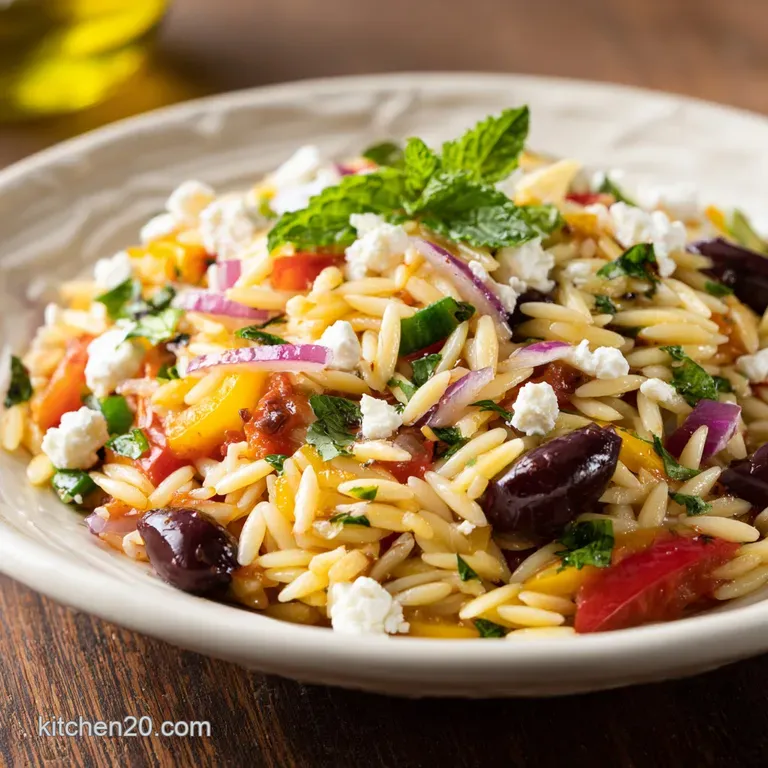
A large stockpot is non negotiable for boiling the 1 lb dried orzo pasta, as pasta needs plenty of room to dance without clumping. You'll also need a fine mesh strainer; because orzo is so small, standard colanders with large holes often let the grains slip through, which is a tragedy nobody wants to deal with.
For the dressing, a glass jar with a tight fitting lid is my favorite "tech" hack. Shaking the 1/2 cup extra virgin olive oil, 1/4 cup freshly squeezed lemon juice, and 1 tsp Dijon mustard vigorously creates a much tighter emulsion than whisking in a bowl ever could.
Plus, you can store any extra dressing right in the jar.
Finally,, a large wooden salad bowl is perfect for the final mix. Wood is slightly porous, which I find helps grip the dressing as you toss, ensuring every single grain of orzo is perfectly coated. If you're looking for more ways to use these tools, check out my Orzo Pasta with recipe for a warm variation.
Instructions for the Perfect Mix
Boiling the Orzo to Perfection
- Bring 4 quarts water and 2 tbsp sea salt to a rolling boil in a large pot. Note: The water should taste like the sea to properly season the grains.
- Add 1 lb dried orzo pasta and stir immediately. Cook for 9-10 minutes until tender but still offering a slight resistance.
- Drain the pasta into a fine mesh strainer. Do not rinse with water as the natural starches are the "glue" for our dressing.
- Transfer the warm pasta to a large bowl and drizzle with 1 tablespoon of the oil to prevent sticking while you prep the rest.
Whisking the Zesty Vinaigrette
- In a small jar or bowl, combine 1/2 cup extra virgin olive oil, 1/4 cup freshly squeezed lemon juice, 1 tbsp red wine vinegar, 1 tsp Dijon mustard, 1 clove garlic (minced), 1 tsp dried oregano, and 1/2 tsp black pepper.
- Shake or whisk vigorously until the liquid looks opaque and thickened.
Combining the Fresh Elements
- To the bowl of warm orzo, add the 1 cup diced cucumber, 1 pint halved cherry tomatoes, 1/2 cup sliced olives, 1/2 cup diced red onion, 15 oz drained chickpeas, and 1/2 cup chopped sun dried tomatoes.
- Pour the vinaigrette over the mixture and toss thoroughly until the colors are bright and the pasta is glossy.
Balancing and Finishing
- Gently fold in the 6 oz crumbled feta, 1/2 cup chopped parsley, and 1/4 cup fresh mint. Note: Folding gently prevents the feta from breaking down into a paste.
- Taste and add a pinch more salt if the feta isn't providing enough punch. Serve immediately or chill for 30 minutes to let the flavors "connect."
Troubleshooting Your Orzo Salad
Fixing Gummy or Clumpy Pasta
If your orzo has turned into a solid brick, it’s usually because it was overcooked or sat too long without being tossed in oil or dressing. This happens because the starches gelatinize and then "lock" together as they cool.
To fix this, simply add a splash of warm water or a bit more lemon juice and gently break the clumps apart with a silicone spatula.
Adjusting Overly Acidic Dressing
Sometimes lemons are extra "punchy," and the dressing can overwhelm the vegetables. If it tastes like it’s stinging your tongue, you need to balance the pH. A tiny pinch of granulated sugar or a teaspoon of honey will neutralize the sharp edge without making the whole salad taste sweet.
| Problem | Root Cause | Solution |
|---|---|---|
| Soggy Vegetables | Adding dressing too far in advance. | Add cucumbers and tomatoes just before serving if prepping 24+ hours early. |
| Bland Flavor | Not enough salt in the pasta water. | Add a splash of olive brine or extra feta to boost the savory profile. |
| Dry Pasta | Orzo absorbed all the liquid. | Whisk a "refresh" dressing of 2 parts oil to 1 part lemon juice and toss before serving. |
Common Mistakes Checklist
- ✓ Never rinse your pasta; it removes the "grip" for your vinaigrette.
- ✓ Use a fine mesh strainer to avoid losing half your orzo down the drain.
- ✓ Always salt your boiling water aggressively; it's your only chance to season the pasta itself.
- ✓ Let the pasta cool slightly (but not completely) before adding the fresh herbs to prevent them from turning brown.
- ✓ Use high-quality feta in brine rather than the pre crumbled dry stuff for a velvety finish.
Personalizing Your Flavor Network
Scaling for Parties or Individuals
- DOWN (1/2 size): Use 1/2 lb of orzo and exactly half of all dressing components. You can use a smaller 2 quart pot. Cook time remains the same, but the water will come to a boil faster.
- UP (2x size): When doubling for a crowd, use a massive stockpot (8+ quarts). Increase the spices to only 1.5x the original amount initially, then taste and adjust. Too much dried oregano can become bitter in large batches.
- Baking Note: While this is a cold salad, you can technically bake this mixture with extra chicken broth and top with mozzarella for a warm casserole. If doing so, reduce the lemon juice by half.
Plating for Impact
| Level | Technique | Visual Result |
|---|---|---|
| Simple | Large communal wooden bowl. | Rustic, family style comfort. |
| Polished | Individual white bowls with extra herbs on top. | Clean, structured, and vibrant. |
| Restaurant | Use a ring mold; top with microgreens and lemon curls. | High end, architectural, and sophisticated. |
Chef's Tip: If you want that "restaurant" look, save a handful of the feta and mint to sprinkle on top right at the end. It prevents the salad from looking like a monochromatic "mush" and highlights the fresh components.
Storage and Zero Waste Methods
Storage: This Mediterranean Orzo Salad is a meal prep legend. It stays fresh in an airtight container in the fridge for up to 4 days. In fact, many people (myself included) think it tastes better on day two once the red onions have softened and the garlic has mellowed into the pasta.
Freezing: Honestly, don't even bother freezing this. The cucumbers and tomatoes have high water content; once they thaw, they turn into a mushy, unappealing mess. The pasta also loses its snap and becomes grainy. This is a "fresh is-best" situation.
Zero Waste: Don't throw away that feta brine! Use a tablespoon of it in your dressing for an extra salty, fermented kick. If you have leftover scraps of cucumber or onion, toss them into a jar with some vinegar and sugar for quick pickles.
Also, the stems of the parsley and mint are packed with flavor - finely mince them and add them to the boil water for the orzo to infuse the pasta with herbal notes from the start.
Pairing Suggestions and Final Plating
This salad is incredibly versatile, acting as the perfect "platform" for a variety of proteins. It pairs beautifully with grilled lemon herb chicken or a flaky piece of seared salmon.
If you're keeping things plant based, the chickpeas already provide a great protein base, but adding some toasted pine nuts or walnuts can add a necessary fatty crunch that connects all the elements.
| Fresh | Shortcut | Flavor Impact |
|---|---|---|
| Fresh Squeezed Lemon | Bottled Juice | Fresh is significantly more aromatic and less "tinny." |
| Block Feta in Brine | Pre crumbled Feta | Block feta is creamy and rich; crumbles are often dry/starchy. |
| Fresh Mint Leaves | Dried Mint | Fresh adds a cooling "lift"; dried can taste medicinal. |
For a complete Mediterranean feast, I love serving this alongside my Grapes of Yore recipe which offers a sweet and savory contrast that keeps the palate interested. Alternatively, if you need a warm soup to start the meal, my Lemon Chicken Orzo recipe uses the same pasta base but in a comforting, velvety broth. Trust me, once you start experimenting with the "architecture" of these flavors, you'll see why this salad is a permanent fixture in my rotation. It's simple, it's connected, and it's absolutely brilliant.
Recipe FAQs
Can I substitute the orzo pasta with another grain?
Yes, but flavor profile changes. Pearl couscous (Israeli couscous) is the closest visual and textural substitute, but quinoa or farro will yield a nuttier, earthier salad.
Is it true that I must rinse the orzo after boiling to stop the cooking process?
No, rinsing is detrimental here. Rinsing washes away the surface starch needed for the vinaigrette to properly adhere to the pasta.
How to prevent the cucumbers from making the salad watery after storage?
Salt and seed the cucumbers heavily before adding them. Dice them, toss with a pinch of salt, let them sit for 15 minutes, then blot them dry with paper towels before assembly.
What is the function of the Dijon mustard in the vinaigrette?
It acts as the essential emulsifying agent. Dijon mustard helps bind the oil and acid components together, creating a stable, thick dressing that coats the pasta rather than separating into layers.
How long can I safely make this salad ahead of time for meal prepping?
Up to 4 days is ideal for flavor melding. The flavor actually improves overnight, but if you need it past day four, hold back the tomatoes and cucumbers until the day you plan to eat it.
What is the best way to ensure the dressing flavors penetrate the pasta?
Toss the dressing with the orzo while the pasta is still warm. The warm starch absorbs the oil and acid better through capillary action, integrating the flavor throughout the grain.
Can I substitute the olive oil for something lighter in the dressing?
Yes, you can use a neutral oil like grapeseed. However, you sacrifice significant flavor; the rich fruitiness of the olive oil is crucial to that Mediterranean profile, much like using quality oil in a Classic Garlic Aioli Recipe.
Mediterranean Orzo Salad Recipe
Ingredients:
Instructions:
Nutrition Facts:
| Calories | 629 kcal |
|---|---|
| Protein | 19.1 g |
| Fat | 30.2 g |
| Carbs | 72.2 g |
| Fiber | 5.7 g |
| Sugar | 4.8 g |
| Sodium | 583 mg |
