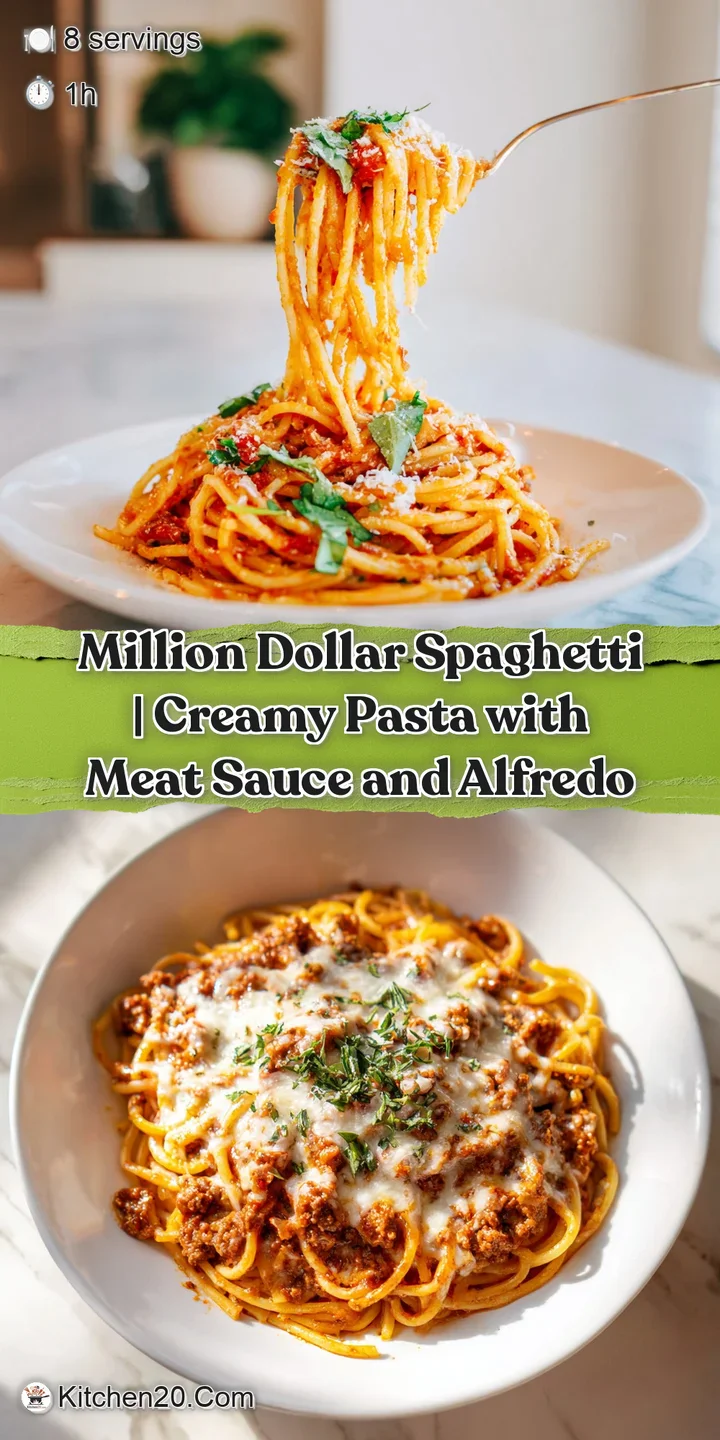
Million Dollar Spaghetti: Creamy and Baked
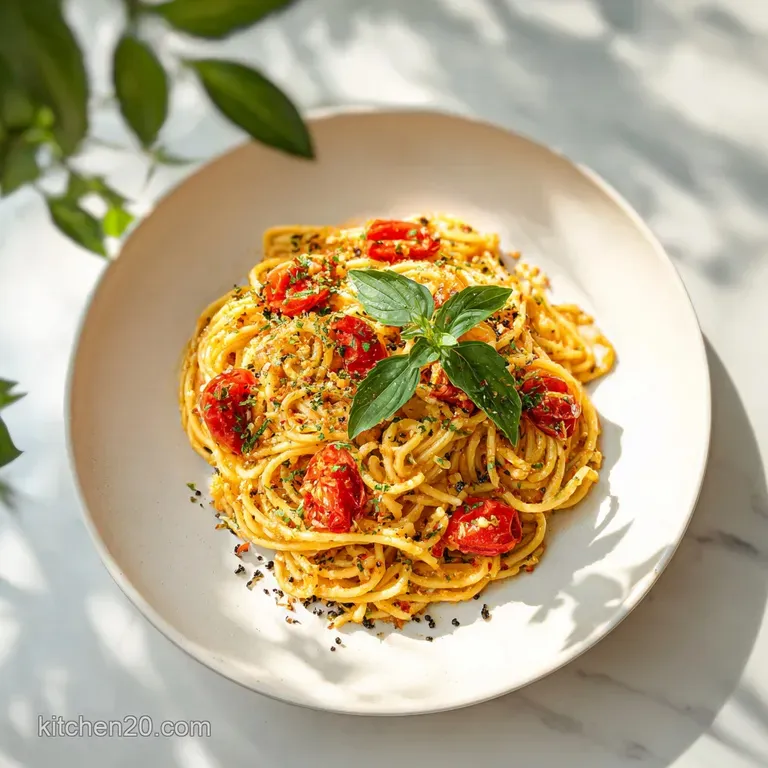
- Time: Active 20 minutes, Passive 40 minutes, Total 60 minutes
- Flavor/Texture Hook: Molten mozzarella and velvety cream layers with a savory meat finish
- Perfect for: High protein meal prep or a crowd-pleasing weekend dinner
- Revolutionizing Dinner With Million Dollar Spaghetti
- Why This Works
- Component Analysis
- Essential Elements and Substitutes
- Step by Step Assembly
- Troubleshooting the Pasta Bake
- Adjusting for Different Sizes
- Debunking Baked Pasta Myths
- Storage and Zero Waste
- Presentation Levels for the Table
- High in Sodium (⚠️)
- Recipe FAQs
- 📝 Recipe Card
Revolutionizing Dinner With Million Dollar Spaghetti
We've all been there, standing over a casserole dish with a heavy spoon, only to lift out a serving of pasta that has the structural integrity of wet cardboard. The "soggy noodle" disaster is the ultimate heartbreak of the home kitchen.
It usually happens because the pasta absorbs every drop of moisture from the marinara, leaving the dish dry on top and a swampy mess at the bottom. I used to think that was just the trade off for a baked pasta, but I was wrong. We can do better by thinking of this dish as a connected platform of textures.
The first time I heard a fork shatter the golden mozzarella crust of this specific version, I knew things had changed. There is a specific sizzle that happens when the marinara hits the hot beef in the pan, a sound that promises a deep, savory foundation.
This version of Million Dollar Spaghetti isn't just about throwing things in a pan, it's about a tech forward approach to layering. We are building a moisture resistant architecture that keeps the pasta firm while the middle stays incredibly creamy.
Right then, let's talk about the solution. By introducing a light alfredo coating to the noodles before they ever touch the red sauce, we create a barrier. This prevents the spaghetti from drinking up the marinara and becoming bloated. It's a total shift in how we view casserole construction.
You'll get that silky mouthfeel from the Neufchâtel and yogurt layer, contrasted against the bite of the al dente whole wheat pasta. Trust me on this, once you see how the layers stay separate and defined, you won't go back to the old way of tossing everything together.
Why This Works
- Moisture Barrier: The alfredo sauce coats each strand, preventing the pasta from absorbing excess liquid from the marinara.
- Acid Fat Balance: Using Greek yogurt and Neufchâtel provides a sharp tang that cuts through the richness of the beef and cheese.
- Starch Suspension: Reserving pasta water allows the alfredo to bind more tightly to the whole wheat noodles, creating a cohesive base.
- Thermal Insulation: The central cream layer protects the bottom noodles from overcooking while the top meat sauce browns.
- Protein Density: Utilizing 93/7 lean beef and high protein pasta ensures the dish stays filling without becoming a "grease lake."
| Servings | Pasta Quantity | Ground Beef | Pan Size | Cook Time |
|---|---|---|---|---|
| 4 People | 225 g | 225 g | 8x8 inch | 25 minutes |
| 8 People | 450 g | 450 g | 9x13 inch | 40 minutes |
| 12 People | 675 g | 675 g | Two 9x13 pans | 45 minutes |
The serving size calculator above is your roadmap for scaling. When you move to a larger crowd, the thermal mass of the dish increases, which is why we suggest splitting the 12 person serving into two pans.
This ensures the center of the Million Dollar Spaghetti reaches the necessary internal temperature without burning the edges of the cheese crust. It’s all about maintaining that connected heat distribution across the entire platform of the baking dish.
Component Analysis
| Ingredient | Science Role | Pro Secret |
|---|---|---|
| Neufchâtel Cheese | Texture Stabilizer | Contains more moisture than standard cream cheese, making the layer spreadable. |
| Greek Yogurt | Acidic Contrast | The lactic acid softens the fibers in the whole wheat pasta during the bake. |
| Reserved Pasta Water | Emulsification | The released starches act as a bridge between the noodles and the smooth alfredo sauce. |
| Extra Lean Beef (93/7) | Structural Protein | Minimizes rendered fat, which prevents the bottom of the casserole from becoming oily. |
Essential Elements and Substitutes
To build this dish, you will need the following components. I’ve included swaps that won’t break the recipe's architecture, though keep an eye on the trade offs mentioned.
- 16 oz spaghetti, whole wheat or high protein
- Substitute: Chickpea pasta. Why this? Maintains structure under high heat without turning to mush.
- 15 oz light Alfredo sauce
- Substitute: low-fat Béchamel sauce. Why this? Provides the same creamy coating for the moisture barrier.
- 1/2 cup reserved pasta water
- Substitute: Unsalted chicken stock. Why this? Adds depth if you accidentally drained all the water.
- 8 oz Neufchâtel cheese, softened
- Substitute: low-fat cream cheese. Why this? Similar fat content but slightly less tangy than Neufchâtel.
- 1 cup plain non fat Greek yogurt
- Substitute: low-fat sour cream. Why this? Adds creaminess but loses the high protein boost.
- 1/2 cup low moisture part skim ricotta cheese
- Substitute: Blended cottage cheese. Why this? Offers a similar grainy texture with higher protein content.
- 1 tsp garlic powder
- Substitute: 2 cloves fresh minced garlic. Why this? More pungent flavor but requires sautéing with the beef.
- 1/4 cup fresh parsley, finely chopped
- Substitute: 1 tbsp dried parsley. Why this? Provides the herbaceous note but lacks the bright color.
- 1 lb extra lean ground beef (93/7)
- Substitute: Ground turkey or chicken. Why this? Leaner profile but requires more seasoning to match beef's depth.
- 24 oz marinara sauce, no sugar added
- Substitute: Crushed tomatoes with basil. Why this? Fresher taste but might need a pinch of salt.
- 1 tsp dried Italian seasoning
- Substitute: Equal parts dried oregano and basil. Why this? Replicates the classic herbal profile of the sauce.
- 1/2 tsp crushed red pepper flakes
- Substitute: Cayenne pepper (pinch). Why this? Adds heat without the visual flakes of pepper.
- 2 cups shredded part skim mozzarella cheese
- Substitute: Provolone or Muenster. Why this? Different flavor profile but keeps the same melt factor.
step-by-step Assembly
- Bring a large pot of salted water to a rolling boil. Add 16 oz spaghetti and cook for exactly 2 minutes less than the package directions. Note: This ensures the pasta stays firm during the second cook in the oven.
- Before draining, scoop out 1/2 cup of the cloudy pasta water. Drain the noodles and return them to the warm pot.
- Immediately pour 15 oz light alfredo sauce and the reserved water over the hot noodles. Toss vigorously until every strand is shimmering and coated.
- In a 12 inch non stick skillet over medium high heat, add 1 lb extra lean ground beef. Break it up with a wooden spoon until browned and crumbly.
- Drain any fat from the skillet. Pour in 24 oz marinara, 1 tsp Italian seasoning, and 1/2 tsp red pepper flakes. Simmer 10 minutes until the sauce thickens and smells deeply aromatic.
- In a separate bowl, mash together 8 oz softened Neufchâtel, 1 cup Greek yogurt, 1/2 cup ricotta, 1 tsp garlic powder, and 1/4 cup parsley. Stir until the mixture is velvety and uniform.
- Set your oven to 175°C. Lightly grease a 9x13 inch baking dish. Spread half of the alfredo noodles across the bottom.
- Dollop the entire cream cheese mixture over the noodles and smooth it out. Top with the remaining noodles, then pour the meat sauce over everything.
- Scatter 2 cups shredded mozzarella across the top. Bake for 30 minutes until the cheese is bubbling and golden brown.
- Remove from the oven and let the dish rest for 5 minutes. Note: This allows the internal layers to set so it slices cleanly.
Troubleshooting the Pasta Bake
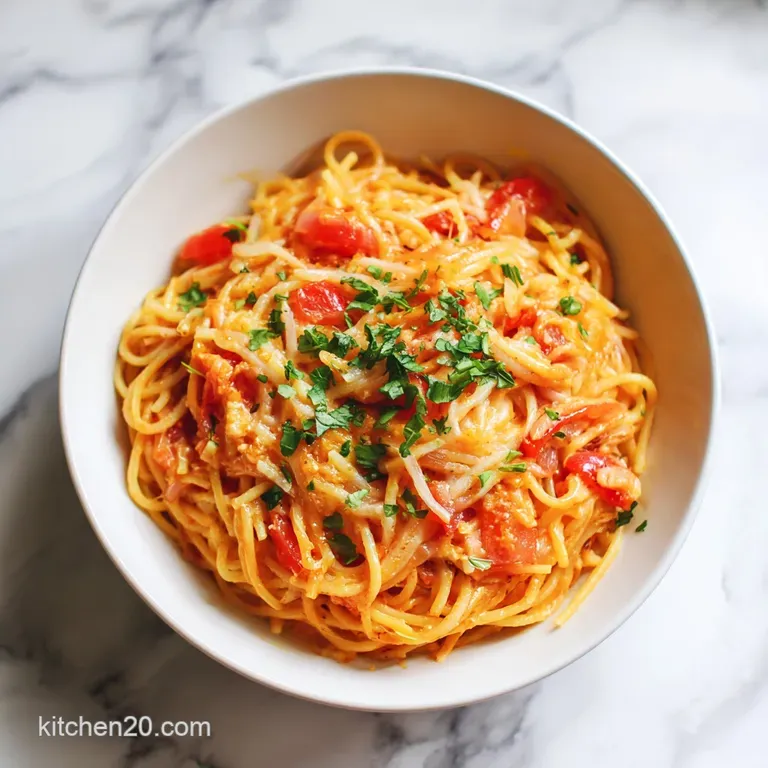
Why Your Sauce Is Runny
If you find a puddle of liquid at the bottom of the dish, it’s usually a matter of carry over moisture. This happens if the meat sauce wasn't simmered long enough or if the noodles weren't drained properly.
The water from the pasta pot can hide inside the tubular shapes or between the strands, eventually leaking out during the bake.
| Problem | Root Cause | Solution |
|---|---|---|
| Oily Surface | Meat fat not drained | Use 93/7 beef and always drain the skillet after browning. |
| Crunchy Noodles | Not enough sauce | Ensure the alfredo coating is thorough; it acts as a hydrating shield. |
| Bland Middle | No salt in pasta water | Salt your boiling water like the sea; it's your only chance to season the noodle itself. |
Another factor to consider is the brand of marinara. Some "budget" brands are very high in water content. If you're using a thinner sauce, simmer it for an extra 5 minutes to reduce the volume and concentrate the flavors. This creates a more stable platform for the cheese to sit on.
Common Mistakes Checklist
- ✓ Stop the pasta 2 minutes early; the oven will finish the job.
- ✓ Don't skip the "rest" period; 5 minutes makes the difference between a slice and a pile.
- ✓ Use a non stick skillet for the beef to avoid scorched bits in your sauce.
- ✓ Ensure the Neufchâtel is truly soft; cold cheese will result in a lumpy, disconnected middle layer.
- ✓ Pat the parsley dry after washing to prevent the cream layer from turning green.
Adjusting for Different Sizes
When you need to scale this recipe down for a solo dinner or up for a neighborhood block party, the math is relatively simple, but the physics of the pan changes. For a half batch, use an 8x8 inch square pan. You’ll find that the "Million Dollar Spaghetti" cooks faster because there is less mass.
Start checking for that golden crust at the 20 minute mark. If you’re using a high protein pasta like one made from lentils, be even more careful with the timing, as those can go from al dente to mush very quickly.
Scaling up is a revolution in logistics. If you're making a double batch, I highly recommend using two separate 9x13 pans rather than one massive deep dish container. The middle of a double deep casserole often stays cold while the outside burns.
By keeping the thickness consistent across two pans, you maintain the "connected" quality of the layers. Also, remember that when doubling spices like red pepper flakes, it’s safer to use a 1.5x ratio first, as heat can build up exponentially in larger batches.
| Original | Half Batch (4) | Double Batch (16) | Impact |
|---|---|---|---|
| 450 g Spaghetti | 225 g | 900 g | No change in texture |
| 450 g Beef | 225 g | 900 g | Maintains savory ratio |
| 1 tsp Red Pepper | 1/2 tsp | 1.5 tsp | Prevents excessive heat |
Debunking Baked Pasta Myths
One major misconception is that you need full fat cream cheese for a "Million Dollar" result. Honestly, don't even bother with the heavy stuff here. Because we are mixing it with Greek yogurt and ricotta, the Neufchâtel provides all the creamy structure you need while allowing the tang of the yogurt to shine through.
The extra fat in regular cream cheese often just ends up separating and creating an oily film that ruins the velvety mouthfeel we're after.
Another myth is that "searing the meat seals in the juices." While searing creates flavor through browning, it doesn't actually create a moisture seal. In this recipe, the goal of browning the beef is to create those "mahogany" flavor notes that contrast with the sweet marinara.
The real moisture lock comes from the alfredo coating on the noodles, not the way you cook the meat. This is about building a flavor platform, not just "cooking" ingredients.
Storage and Zero Waste
This dish is a meal prep legend. It stays fresh in the fridge for up to 4 days, and many people argue that the flavors actually become more "connected" after a night of sitting. The starches in the pasta settle, and the spices in the marinara have more time to permeate the cream layer.
To reheat, I suggest a splash of water or a bit more marinara on top to keep things from drying out in the microwave.
For freezing, this recipe is a powerhouse. You can assemble the entire dish, skip the baking step, and freeze it for up to 3 months. Just make sure to wrap it tightly in foil to prevent freezer burn. When you're ready to eat, let it thaw in the fridge for 24 hours before baking as directed. If you have leftover meat sauce, don't toss it! It makes a brilliant base for a Homemade Spaghetti Sauce the following week. Even the stems of your parsley can be tossed into a freezer bag for future vegetable stock nothing goes to waste in a connected kitchen.
Presentation Levels for the Table
Simple: The Family Bake
Serve this straight from the 9x13 dish. It’s honest, communal, and shows off the bubbling cheese. This level is all about the "connected" feeling of a shared meal. Use a large spatula to cut clean squares, ensuring everyone gets a bit of that golden edge.
It’s functional and unpretentious, perfect for a Tuesday night when you just need a win.
Polished: The Dinner Party
For a more intentional look, use a round white platter. Slice a large square of the Million Dollar Spaghetti and place it in the center. Wipe the edges of the plate for a clean border. Top with a few fresh leaves of whole parsley and a light dusting of extra Parmesan. This elevates the dish from a "casserole" to a "baked pasta entree." You can even serve it alongside a Million Dollar Bacon Crostini to really lean into the theme.
Restaurant: The Deconstructed Stack
If you want to really push the platform, use a ring mold to stack the layers on individual plates. This highlights the distinct colors: the white alfredo noodles, the creamy center, and the deep red meat sauce. Drizzle a tiny bit of high-quality olive oil around the base and add a crack of fresh black pepper.
It looks like something from a high end bistro but carries the soul of a home cooked classic.
| Plating Level | Key Tool | Garnishing Tip |
|---|---|---|
| Simple | Spatula | Extra Mozzarella on top |
| Polished | White Platter | Fresh whole parsley leaves |
| Restaurant | Ring Mold | Cold pressed olive oil drizzle |
Whether you're making this for a quick weeknight fix or a more formal gathering, the "Million Dollar Spaghetti" remains a versatile and innovative staple. By focusing on the moisture barrier and the structural layering, you've moved past the "soggy noodle" era and into a new realm of casserole mastery. For another spin on this concept, you might enjoy my Million Dollar Spaghetti Bake which uses slightly different cheese ratios. Enjoy the crunch of the cheese and the velvet of the cream you've earned it!
High in Sodium (⚠️)
1040 mg 1040 mg of sodium per serving (45% 45% of daily value)
The American Heart Association recommends a limit of no more than 2,300mg of sodium per day, with an ideal limit of no more than 1,500mg per day for most adults.
Tips to Reduce Sodium
-
Choose Low-Sodium Sauces-20%
Opt for no-salt added marinara sauce and a light, low-sodium Alfredo sauce. This is often the biggest contributor to sodium in this recipe.
-
Select Lower Sodium Cheeses-15%
Use part skim ricotta cheese and consider a reduced sodium or natural mozzarella cheese if available. For the Neufchâtel, look for a low-sodium version.
-
Rinse Ground Beef-10%
After cooking the extra lean ground beef, drain off any excess fat and rinse the beef under hot water before adding it to the sauce to remove some residual sodium.
-
Boost Flavor with Herbs & Spices
Enhance the taste by using generous amounts of fresh parsley, garlic powder, and Italian seasoning. Consider adding fresh garlic and onions for more depth.
-
Omit Added Salt-5%
This recipe doesn't call for added salt, but if you tend to add it, be sure to skip it entirely. The sauces and cheeses already contribute significant amounts.
Recipe FAQs
Why is it necessary to boil the pasta for two minutes less than the package instructions?
This prevents the noodles from becoming mushy. Since the spaghetti bakes for an additional 30 minutes in the oven, undercooking it slightly ensures it reaches the perfect al dente texture in the final dish.
How to store leftovers for the best results?
Refrigerate in an airtight container for up to 4 days. The flavors often meld better overnight, though you should add a splash of water or extra marinara when reheating to prevent the pasta from drying out.
How to prepare this dish for the freezer?
Assemble the entire dish in a freezer safe pan but do not bake it. Wrap the container tightly to prevent freezer burn; it will stay fresh for up to 3 months, ready to be thawed and baked as directed.
Is it true that I should use a high fat cheese for a richer result?
No, this is a common misconception. The combination of Neufchâtel, Greek yogurt, and part skim ricotta provides a creamy mouthfeel without the excess fat; if you enjoy mastering these lightened-up creamy textures, you will appreciate how this balance keeps the dish satisfying yet light.
How to ensure the sauce doesn't break during assembly?
Toss the hot noodles with the alfredo sauce and pasta water immediately after draining. The starch in the reserved water acts as a binder, ensuring the sauce clings to every strand instead of pooling at the bottom of the dish.
How to brown the beef effectively?
Cook the beef in a 12 inch non-stick skillet over medium high heat. Drain any rendered fat thoroughly after browning to maintain the integrity of the sauce and prevent the final bake from becoming greasy.
Is it necessary to serve the dish immediately after taking it out of the oven?
No, you must let it rest for 5 minutes. This short rest period allows the internal temperature to stabilize and the layers to set, making it much easier to portion into clean, beautiful squares.
Million Dollar Spaghetti Bake 2
Ingredients:
Instructions:
Nutrition Facts:
| Calories | 558 kcal |
|---|---|
| Protein | 35 g |
| Fat | 21 g |
| Carbs | 55 g |
| Fiber | 5 g |
| Sugar | 8 g |
| Sodium | 1040 mg |
