Moist Zucchini Bread: One Bowl Recipe
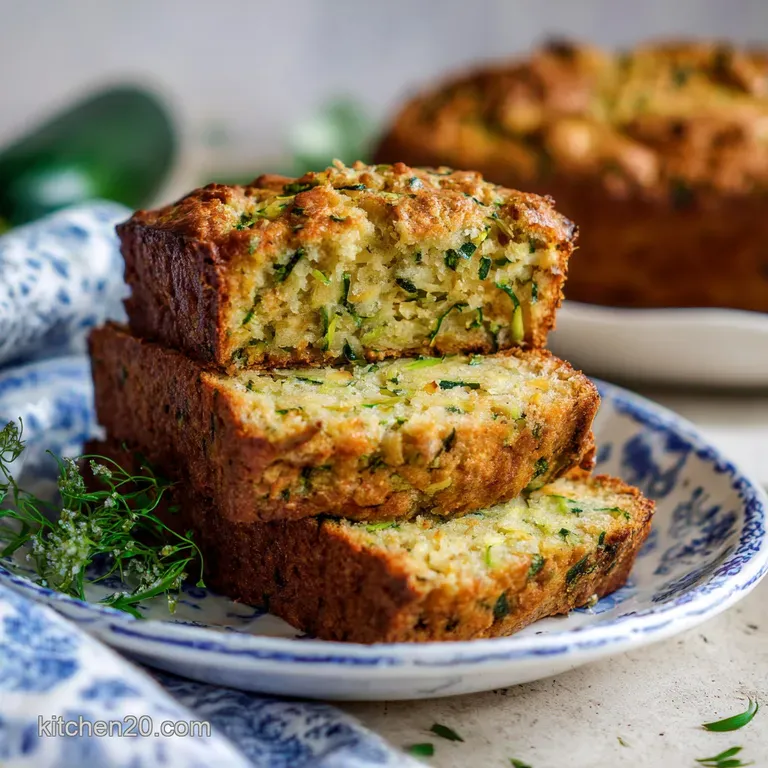
- Time: Active 15 minutes, Passive 50 minutes, Total 65 minutes
- Flavor/Texture Hook: A cinnamon spiced, moist crumb with a crackling sugar crust and crunchy toasted walnuts.
- Perfect for: Batch cooking, lunchbox snacks, or a streamlined weekend breakfast prep.
- Every Home Cook Cooks Zucchini Bread Better
- Vital Bread Specifications And Timeline
- Essential Elements For Bread Success
- Streamlining Your Essential Kitchen Tools
- From Initial Prep To Plate
- Detailed Troubleshooting And Problem Solving
- Customizing Your Sweet Vegetable Loaf
- Efficient Storage And Waste Management
- Optimal Serving And Pairing Suggestions
- Common Myths About Zucchini Baking
- Recipe FAQs
- 📝 Recipe Card
Every Home Cook Cooks Zucchini Bread Better
The scent of warm cinnamon and toasted nutmeg hitting the air as the oven door cracks open is, quite honestly, the best part of my Saturday morning. I used to follow those old school recipes that insisted you grate the zucchini and then spend ten minutes squeezing every last drop of water out of it using a tea towel.
It was a watery, green mess that left my hands stained and the bread often ended up strangely tough. One morning, I was running late for a brunch and decided to just dump the undrained, grated squash straight into the bowl. The result? A velvety, moisture rich loaf that shattered every expectation I had.
It turns out, that "excess" water is exactly what keeps the crumb tender and prevents it from becoming a dry, crumbly disappointment.
When a home cook cooks zucchini bread, they are usually looking for that specific balance between a sweet cake and a sturdy bread. We want something that can handle a thick smear of salted butter without falling apart, but still feels light enough to have a second slice with coffee.
By leaning into the natural hydration of the vegetable and focusing on a high speed emulsion of eggs and sugar, we create a structure that is both resilient and incredibly soft. This recipe is all about efficiency no extra bowls, no wasted juice, and no unnecessary steps.
We are streamlining the process to get that loaf into the oven in just 15 minutes of hands on time.
I’ve made this loaf in everything from high end silicone molds to battered old tin pans I found at a thrift store. The beauty of this easy zucchini bread recipe is its adaptability.
Whether you are using a box grater for a rustic texture or a food processor for speed, the goal remains the same: a moist zucchini bread that celebrates the garden's most prolific summer crop.
Trust me, once you stop fighting the zucchini’s natural moisture and start using it to your advantage, you will never go back to the old, squeezed dry method again. It’s a complete shift in how we think about vegetable based baking, focusing on the synergy between hydration and aeration.
Vital Bread Specifications And Timeline
To get this right every single time, we need to respect the clock and the scale. Baking is a game of ratios, and even a "dump and stir" recipe like this benefits from a bit of systematic planning.
We are aiming for a total time of 65 minutes, with the majority of that being passive oven time where the Maillard reaction does the heavy lifting for us. If you’re looking to maximize efficiency, I recommend grating your zucchini as the very first step, but don't let it sit too long or it will start to oxidize and turn a dull grey.
| Method | Time | Texture | Best For |
|---|---|---|---|
| Standard Oven | 50 minutes | Even crumb, crisp top | The classic experience |
| Stovetop (Dutch Oven) | 65 minutes | Dense, moist, steamed | No oven camping/emergencies |
| Air Fryer (Mini Loaves) | 25 minutes | Ultra crisp exterior | Quick individual portions |
The difference between a "good" loaf and a "great" one often comes down to the temperature of your ingredients. We are using room temperature eggs because they emulsify much more effectively with the sugars and oil.
Cold eggs can cause the oil to seize slightly or simply refuse to trap the air we need for that 15 minutes of prep work. If you forget to take them out of the fridge, just pop them in a bowl of warm water for five minutes while you gather your flour and spices.
1. The Prep Phase
Start by preheating the oven to 350°F (175°C). While the heating elements are glowing, line your 9x5 inch pan. I use the "sling method" with parchment paper, leaving a couple of inches hanging over the long sides.
This makes it incredibly easy to lift the loaf out later without risking it breaking apart. This initial 15 minutes is where you do all the heavy lifting whisking, grating, and folding.
2. The Baking Phase
Once the batter is in the pan and topped with that strategic layer of granulated sugar, it goes into the center rack for exactly 50 minutes. This is when the baking soda and powder react with the acidity in the brown sugar and the moisture from the zucchini.
The kitchen will start smelling like a professional bakery around the 30 minute mark. resist the urge to open the door; you want to maintain a constant heat to ensure the center rises perfectly.
3. The Cooling Phase
This is the hardest part. You must let the bread sit in the pan for 10 minutes after it comes out. This allows the structure to "set" as the steam redistributes. If you flip it out immediately, the bottom might stick or the middle might sag.
After those 10 minutes, move it to a wire rack. If you cut it while it's piping hot, the steam escapes too fast and the bread can become gummy. Patience here is a literal ingredient for success.
Essential Elements For Bread Success
The science of why this homemade zucchini bread stays so incredibly lush comes down to how we handle the fats and the moisture. Most people treat zucchini bread like a muffin, but it’s actually closer to a high hydration sponge.
We are using oil instead of butter because oil is a liquid at room temperature, which translates to a much softer mouthfeel even after the bread has cooled. Butter adds flavor, yes, but oil adds that lasting "moist" quality that we all crave in a vegetable bread.
- Emulsion Stability: By whisking the eggs and sugars for two full minutes, we are creating a thick, frothy base. This traps tiny air bubbles that expand in the oven, giving the bread lift without needing an excessive amount of chemical leaveners.
- Pectin Power: Zucchini skin contains natural pectins. When we leave the zucchini undrained and finely grated, these pectins help bind the flour and oil, creating a silkier crumb than you’d get with a drier vegetable like carrots.
- Hygroscopic Sugars: The combination of granulated and brown sugar isn't just for sweetness. The molasses in the brown sugar attracts moisture from the air, ensuring the loaf stays soft for days.
- Starch Gelatinization: As the loaf hits 350°F, the starches in the all purpose flour absorb the water from the zucchini and the eggs. Because we don't drain the zucchini, there is plenty of liquid for the starches to fully hydrate, preventing a sandy or dry texture.
| Ingredient | Science Role | Pro Secret |
|---|---|---|
| Neutral Oil | Prevents gluten strands from getting too tough | Use grapeseed for the cleanest, most neutral flavor profile |
| Zucchini | Provides structural moisture and fiber | Grate it on the fine side for "invisible" vegetable bits |
| Large Eggs | Acts as the primary emulsifier and binder | Use room temp eggs to double the volume of your foam |
| Brown Sugar | Adds acidity to trigger the baking soda | Pack it tightly to ensure accurate moisture ratios |
The interaction between the cinnamon and the nutmeg is also more than just flavor. These spices contain compounds that actually complement the earthy notes of the zucchini, masking any "veggie" taste and transforming it into something deeply aromatic.
If you are making a lemon zucchini bread recipe variation, you’d swap these warm spices for zest, which interacts with the baking soda to create an even lighter, fluffier lift.
Streamlining Your Essential Kitchen Tools
You don't need a pantry full of high tech gadgets to master this best zucchini bread recipe, but a few specific items will make the process much more efficient. I am a huge fan of the box grater for this specific task.
While a food processor is fast, it often chops the zucchini into chunks rather than long, thin strands. Those strands are vital because they weave into the batter, acting like a structural skeleton that supports the rise of the bread.
I also recommend using a heavy duty whisk or a stand mixer such as KitchenAid for the initial egg and sugar phase. You are looking for a specific visual cue: the mixture should turn a pale, creamy yellow and fall off the whisk in thick ribbons.
If you try to do this with a fork, you won’t get enough air into the eggs, and your bread will likely end up dense and oily. A silicone spatula is also non negotiable for the final folding steps; it allows you to scrape the bottom of the bowl to ensure no dry pockets of flour are left behind, which would otherwise lead to white clumps in your finished loaf.
Chef's Tip: Before you start your batter, toast your walnuts in the oven for 5 to 7 minutes at 350°F. This releases the oils and makes the nuts ten times more flavorful. A raw walnut is just a crunch; a toasted walnut is a flavor bomb.
From Initial Prep To Plate
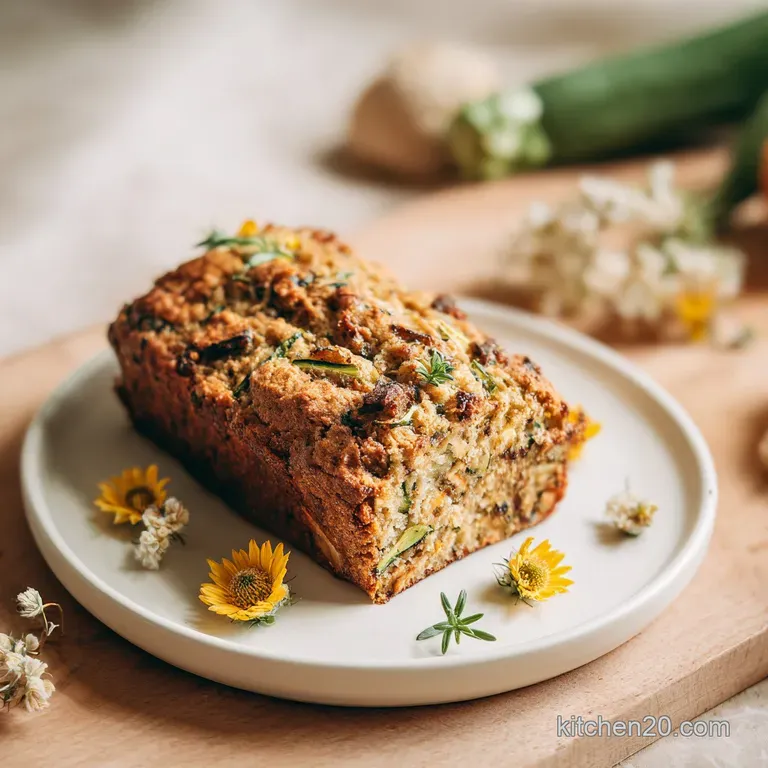
Now, let's get into the actual execution. This is where we bring the ingredients and the science together. Follow these steps precisely, especially the whisking time, to ensure your one bowl zucchini bread comes out with that sought after velvety interior and crackling top.
- Prepare the environment. Preheat your oven to 350°F (175°C). Grease a 9x5 inch loaf pan and line it with parchment paper. Note: The parchment overhang acts as a handle for easy removal.
- Build the base. In a large bowl, whisk 0.75 cup granulated sugar, 0.25 cup light brown sugar, and 2 large eggs. Whisk for 2 full minutes until pale and frothy.
- Create the emulsion. Slowly stream in 0.5 cup neutral oil and 1 tablespoon vanilla extract while continuing to whisk. Note: This creates a stable fat in-water emulsion that prevents the bread from feeling greasy.
- Add the greens. Fold in 1.5 cups of finely grated, undrained zucchini using a spatula. Ensure the green flecks are evenly distributed.
- Incorporate dry elements. Sift 1.5 cups all purpose flour, 0.5 teaspoon baking soda, 0.5 teaspoon baking powder, 0.5 teaspoon kosher salt, 1.5 teaspoons cinnamon, and 0.25 teaspoon nutmeg directly into the bowl.
- Fold gently. Use your spatula to fold the dry ingredients into the wet. Stop the moment you no longer see white streaks of flour. Overmixing will develop too much gluten and make the bread tough.
- Add texture. Fold in 0.5 cup of toasted, chopped walnuts. If you prefer a chocolate chip zucchini bread, this is where you’d swap the nuts for chips.
- The final touch. Pour the batter into the pan. Sprinkle the top with a tablespoon of granulated sugar. Bake for 50 minutes until a skewer comes out clean.
- The waiting game. Cool in the pan for 10 minutes. This is critical for the crumb to set. Transfer to a wire rack to cool completely.
| Original Ingredient | Substitute | Why It Works |
|---|---|---|
| Neutral Oil | Melted Coconut Oil | Similar fat content. Note: Adds a subtle tropical scent and slightly firmer texture. |
| All Purpose Flour | 1:1 gluten-free Blend | Rice/potato starches mimic wheat. Note: Crumb may be slightly more fragile. |
| Granulated Sugar | Coconut Sugar | Lower glycemic index. Note: Makes the bread much darker and adds a caramel like depth. |
If you are looking for a different texture profile, perhaps for a savory dinner companion, you might want to try something else. For example, while this bread is sweet, I often find that my crispy homemade tostadas provide that perfect salty crunch if I’m serving a Mexican inspired brunch. It’s all about balancing those flavor profiles across your entire meal plan.
Detailed Troubleshooting And Problem Solving
Even with the best intentions, things can go sideways in the kitchen. The most common issue home cooks face is a loaf that looks beautiful on the outside but is still raw or "gummy" in the middle.
This usually happens for one of two reasons: the oven temperature is off, or the zucchini was particularly large and watery. If you find your bread is browning too fast on top, don't just pull it out. Cover it loosely with foil and keep baking until that center skewer comes out clean.
Why Your Bread Sinks In The Middle
This is usually caused by over leavening or over mixing. If you add too much baking soda, the bread rises too quickly, the air bubbles get too big, and then they collapse because the flour structure isn't strong enough to hold them up yet.
Similarly, if you whisk the batter too much after adding the flour, you incorporate too much air that the bread can't support. Fold until just combined it’s okay if the batter looks a little lumpy.
Solutions For A Dry Loaf
If your bread comes out dry, it’s almost certainly because you over baked it or used too much flour. When measuring flour, always use the "spoon and level" method rather than scooping the measuring cup directly into the bag, which packs the flour down. If it's already baked and dry, don't toss it!
Slice it, toast it, and slather it with honey butter or use it to make an incredible French toast.
| Problem | Root Cause | Solution |
|---|---|---|
| Sunken Center | Too much leavener or opened oven door too early | Check expiration of baking soda; keep door closed for first 40 mins |
| Greasy Bottom | Oil didn't emulsify or zucchini settled | Whisk eggs/sugar longer; ensure zucchini is finely grated |
| Thick, Tough Crust | Oven too hot or too much sugar on top | Use an oven thermometer; stick to the 1 tablespoon sugar topping |
Common Mistakes Checklist:
- ✓ Always use room temperature eggs for a better emulsion.
- ✓ Don't peel the zucchini; the skin provides color, fiber, and structure.
- ✓ Check your baking soda for freshness by dropping a pinch in vinegar; it should fizz violently.
- ✓ Measure your zucchini by weight (225g) if possible, as "1.5 cups" can vary based on how tightly you pack it.
- ✓ Use a light colored metal pan if you can; dark pans absorb more heat and can burn the edges before the middle is done.
Customizing Your Sweet Vegetable Loaf
One of the reasons this is the best zucchini bread recipe is how easily it transforms. I call this my "base logic." Once you understand the ratio of moisture to flour, you can start playing with the add ins. For a healthy zucchini bread version, I sometimes swap half the all purpose flour for whole wheat pastry flour.
It adds a nutty depth without making the loaf feel like a brick. You can also reduce the granulated sugar by 25% and add a handful of raisins for natural sweetness.
If you’re feeling fancy, try the lemon zucchini bread recipe variation. Replace the cinnamon and nutmeg with the zest of two large lemons and a tablespoon of fresh lemon juice.
This acidity will make the bread rise even higher, resulting in a bright, summery loaf that pairs perfectly with a simple powdered sugar glaze. For those who want a mini loaf zucchini bread, simply divide the batter into three small pans and reduce the baking time to about 25 to 30 minutes.
For A Chocolate Twist
Add 0.5 cup of dark chocolate chips and 2 tablespoons of cocoa powder to the dry ingredients. This turns the bread into a decadent treat that feels more like a snack cake. If you’re a fan of rich, deep flavors, you might even consider adding a teaspoon of espresso powder to the batter.
It doesn't make it taste like coffee; it just makes the chocolate and cinnamon taste more like themselves.
For Savory Adaptations
While this recipe is designed to be sweet, you can pivot. Omit the sugar, vanilla, and warm spices. Add 0.5 cup of grated sharp cheddar cheese, a teaspoon of dried herbs (like rosemary or thyme), and a pinch of black pepper. It’s a completely different experience that goes beautifully with a bowl of summer gazpacho. If you're interested in other savory bakes, my crispy Colombian empanadas use a similar logic of vegetable moisture and corn dough to achieve a unique crunch.
Efficient Storage And Waste Management
Storing your loaf properly is the difference between enjoying it for a week or having it go moldy in two days. Because this is a moist zucchini bread, it has a high water activity level, which makes it prone to spoilage if left in a warm, humid spot.
I always wrap mine tightly in plastic wrap once it is completely cool. Leaving it on the counter is fine for about 2 days, but after that, it should move to the fridge where it will stay fresh for up to 5 days.
When it comes to freezing, this bread is a champion. I actually like to bake two loaves at once one for now and one for the freezer. Slice the second loaf entirely, place pieces of parchment paper between the slices, and wrap the whole thing in foil before sliding it into a freezer bag.
This way, you can pull out a single slice and pop it directly into the toaster whenever the craving hits. It will stay perfect in the freezer for up to 3 months.
Don't let the zucchini scraps go to waste either! If you have extra grated zucchini that didn't make it into the 1.5 cup measurement, toss it into your morning omelet or stir it into a pot of marinara sauce.
The "ends" of the zucchini (the stem and tip) can be thrown into a bag in the freezer for making vegetable stock later. Even the parchment paper can often be wiped down and reused for a second batch of cookies or roasted vegetables if it isn't too scorched.
Optimal Serving And Pairing Suggestions
How you serve this bread can elevate it from a simple snack to a centerpiece. My favorite way to eat a slice of this easy zucchini bread recipe is toasted until the edges are golden and shattering, then topped with a thick layer of salted European style butter and a tiny sprinkle of flaky sea salt.
The salt cuts through the sweetness of the cinnamon and sugar, making every bite feel balanced.
If you are serving this for a brunch, consider making a quick whipped cream cheese. Mix 4 ounces of softened cream cheese with a tablespoon of maple syrup and a pinch of orange zest. It creates a creamy, tangy contrast to the dense, spicy bread.
For a more decadent dessert vibe, serve a warm slice with a scoop of vanilla bean ice cream and a drizzle of warm caramel sauce. The way the ice cream melts into the nooks and crannies of the toasted walnuts is nothing short of a revelation.
The Breakfast Board
I love putting together a "bread board" for guests. Slice the zucchini loaf, some sourdough, and maybe a few pieces of fruit. Add a small bowl of honey, some softened butter, and maybe a few slices of sharp cheddar.
People are often surprised at how well the sweet, spiced zucchini bread pairs with a salty cheese like aged white cheddar or even a creamy brie. It’s a sophisticated way to serve a humble garden loaf.
The Afternoon Tea
For a lighter pairing, a cup of Earl Grey or a spicy Chai tea is the perfect companion. The bergamot in the Earl Grey highlights the nutmeg in the bread, while the Chai spices lean into the cinnamon. If it's a hot summer afternoon, a cold glass of milk or an iced latte is the classic choice.
No matter how you choose to eat it, the key is to take a moment to appreciate the texture that specific, velvety crumb that only comes from a home cook who knows exactly how to handle their zucchini.
Common Myths About Zucchini Baking
There is a long standing myth that you must use the smallest, most tender zucchini for baking. While small zucchinis are great for salads, the giant, "baseball bat" zucchinis that hide under the leaves in late August are actually perfect for bread. They have a slightly lower water content and a sturdier structure.
Just make sure to slice them open and scoop out any large, woody seeds before grating. The flavor is virtually the same once it’s mixed with cinnamon and sugar.
Another common misconception is that adding more baking soda will make the bread fluffier. In reality, baking soda is a powerful base; if you add too much, you’ll end up with a metallic, soapy aftertaste and a loaf that browns much too quickly. Stick to the 0.5 teaspoon measurement.
The lift in this recipe comes primarily from the egg emulsion and the steam generated by the zucchini’s moisture, not just the chemical leaveners. Respecting the ratio is the key to a clean, sweet flavor.
Finally, some people think you have to peel the zucchini to avoid a "vegetable" taste. This is completely unnecessary. The skin of the zucchini is very thin and breaks down almost completely during the 50 minute bake.
Plus, the skin contains the majority of the nutrients and provides those beautiful little green flecks that let everyone know this isn't just a standard spice cake. Keep the skin on it’s easier for you and better for the bread.

Recipe FAQs
Do I need to drain the zucchini before adding it to the batter?
No, keep the moisture. The natural liquid in the zucchini is essential for achieving a velvety crumb and keeping the loaf tender throughout the 50-minute bake time.
How to ensure the bread stays moist for several days?
Wrap the loaf tightly in plastic once completely cooled. The flavors settle and the crumb softens further by the second day, making it even better than when first baked.
Is it true I should squeeze the zucchini to avoid a soggy bread?
No, this is a common misconception. Using the undrained vegetable creates the perfect hydration level, provided you follow the precise 15-minute prep and 50-minute bake cycle.
How to achieve the signature crackling crust on top?
Sprinkle a layer of granulated sugar over the batter immediately before putting the pan into the oven. This creates a sweet, crunchy contrast to the soft interior.
Why is the initial whisking of eggs and sugar so critical?
Whisking for two full minutes creates a stable emulsion that provides the structural lift for the bread. If you enjoyed mastering this aeration technique, see how it improves the texture of our creamy chicken pot pie crust.
How to tell when the bread is perfectly baked?
Insert a skewer into the center of the loaf; it should come out clean after 50 minutes. Always allow the bread to cool in the pan for 10 minutes to set the structure before moving it to a wire rack.
Can I bake this in a smaller pan?
Use a standard 9x5 inch loaf pan to ensure the internal temperature hits the proper mark during the designated bake time. Changing the pan size will alter the density and require significant adjustments to the cooking duration.
Moist Zucchini Bread 2
Ingredients:
Instructions:
Nutrition Facts:
| Calories | 303 calories |
|---|---|
| Protein | 4.4 g |
| Fat | 15.9 g |
| Carbs | 35.9 g |
| Fiber | 1.5 g |
| Sugar | 20.1 g |
| Sodium | 212 mg |
