One Pot Sausage and Rice
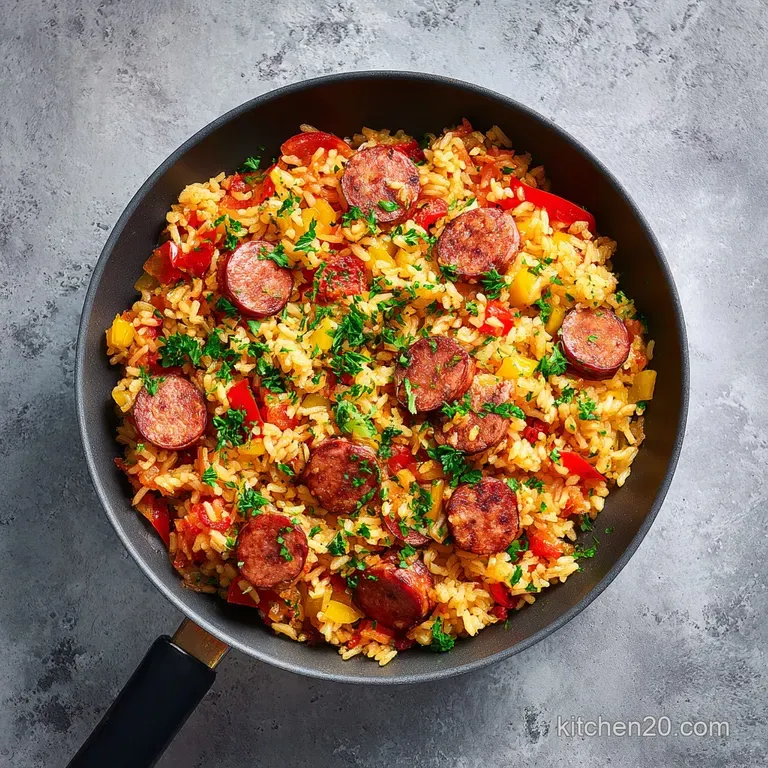
- Time: Active 10 minutes, Passive 25 minutes, Total 35 minutes
- Flavor/Texture Hook: Smokey, savory, and exceptionally fluffy
- Perfect for: High efficiency weeknight dinners and meal prep enthusiasts
- Conquering the Mushy Sausage and Rice Myth
- Why This Smoky One Pot Recipe Works
- Quick Decision and Yield Data
- Component Analysis and Ingredient Roles
- Essential Ingredients and Smart Substitutes
- Necessary Kitchen Tools for Success
- Step-By-Step Cooking Directions
- Pro Techniques and Common Pitfalls
- Creative Variations for Custom Flavor
- Color Balance and Garnish Strategy
- Safe Storage and Reheating Guide
- Best Side Dishes to Serve
- Culinary Myths Debunked
- Very High in Sodium
- Sausage and Rice FAQs
- 📝 Recipe Card
Conquering the Mushy Sausage and Rice Myth
The sizzle of smoked sausage hitting a hot pan is a universal signal that a great meal is about to happen. I remember one Tuesday evening when my fridge looked like a desolate landscape, containing only a lonely link of sausage and a half empty bag of rice.
I thought I was just making a "survival meal," but as the kitchen filled with the aroma of garlic and smoked paprika, I realized I was onto something much bigger. It wasn't just food, it was a connection to the simplicity of one pot cooking.
We have all been there, staring at a pot of gummy, overcooked grains wondering where it all went wrong. Most people treat Sausage and Rice as a "set it and forget it" dish, but there is a specific rhythm to it.
By treating the pan like a platform for flavor development, we can ensure the rice remains distinct and tender, rather than turning into a heavy porridge.
This recipe is designed for the modern kitchen, where efficiency meets flavor. We are revolutionizing the traditional "dump and simmer" method by focusing on the order of operations.
You are not just cooking dinner, you are building a system of layers that result in a smokey, savory, and incredibly satisfying result every single time. Let's look at the mechanics of why this works so well.
Why This Smoky One Pot Recipe Works
Lipid Barrier Technology: Searing the sausage first releases rendered fat, which we then use to toast the rice. This coats each grain in a hydrophobic layer of oil, preventing them from sticking together or absorbing water too rapidly, ensuring a fluffy texture.
The Maillard Platform: By browning the meat and aromatics before adding liquid, we create a foundation of complex sugars and proteins on the bottom of the pan. This fond dissolves into the broth, providing a depth of flavor that a simple boil cannot achieve.
Thermal Residual Carryover: Letting the pot rest off the heat for 5 minutes allows the steam to redistribute. This stabilizes the starch structure of the grain, making it less likely to break when you finally fluff it with a fork.
Aromatic Integration: Dicing the celery, onion, and pepper to a uniform size ensures they soften at the same rate. This creates a consistent base that mirrors the technique used in our Wok This Way recipe for maximum efficiency.
Quick Decision and Yield Data
| Meat Thickness | Internal Temp | Rest Time | Visual Cue |
|---|---|---|---|
| 0.5 inch rounds | 165°F (reheated) | 5 minutes | Golden brown edges |
| 1.0 inch chunks | 165°F (reheated) | 8 minutes | Deep caramelized crust |
| Ground sausage | N/A | 3 minutes | No pink remaining |
Using the correct thickness for your 14 oz Smoked Sausage is vital for ensuring the fat renders out properly without burning the exterior. If you slice it too thin, the sausage will dry out before the rice is even halfway done.
If you slice it too thick, you won't get enough surface area for browning, which means less flavor for your Sausage and Rice.
Component Analysis and Ingredient Roles
| Ingredient | Science Role | Pro Secret |
|---|---|---|
| Smoked Sausage | Primary fat source | Brown it until it looks nearly "overdone" for the best fond. |
| Long grain Rice | Structural starch | Rinse until the water is clear to remove excess surface starch. |
| Chicken Broth | Hydration and Umami | Use low sodium to control the salt levels of the final dish. |
| Garlic | Volatile aromatics | Add this last in the sauté phase so it doesn't turn bitter. |
The ratio of 1.5 cups Long grain White Rice to 3 cups Low sodium Chicken Broth is the golden rule for this specific dish. Because we are cooking in a covered pot with a high volume of vegetables, we need enough liquid to hydrate the rice but not so much that it drowns the aromatics.
Essential Ingredients and Smart Substitutes
- 14 oz Smoked Sausage: Sliced into 1/2 inch rounds. Why this? It provides the smokey base and the essential fats for toasting grains.
- 1 tbsp Extra Virgin Olive Oil: For the initial sear. Why this? Prevents the sausage from sticking before its own fat renders.
- 1 medium Yellow Onion: Finely diced. Why this? Adds sweetness and moisture as it breaks down during the simmer.
- 1 Green Bell Pepper: Diced. Why this? Provides an earthy, slightly bitter counterpoint to the rich sausage.
- 2 stalks Celery: Diced. Why this? Part of the "holy trinity" that builds a deep flavor profile.
- 1.5 cups Long grain White Rice: Rinsed well. Why this? Stays separate and fluffy compared to short grain varieties.
- 3 cups Low sodium Chicken Broth: The cooking liquid. Why this? Infuses the grains with savory notes from the inside out.
- 3 cloves Garlic: Minced. Why this? Adds a sharp, pungent kick that rounds out the spices.
- 1 tsp Smoked Paprika: For color and depth. Why this? Reinforces the smokey notes of the sausage.
- 1/2 tsp Dried Oregano: Herbal balance. Why this? Adds an earthy aroma that cuts through the fat.
- 0.5 tsp Salt: Seasoning. Why this? Enhances all other flavors; adjust based on broth saltiness.
- 0.25 tsp Cracked Black Pepper: Subtle heat. Why this? Adds a sharp finish to the heavy flavors.
- 0.25 cup Fresh Parsley: Chopped garnish. Why this? Provides a bright, grassy contrast to the cooked elements.
| Original Ingredient | Substitute | Why It Works |
|---|---|---|
| Smoked Sausage | Andouille Sausage | Adds a spicy, Cajun kick. Note: Increase liquid slightly if very lean. |
| White Rice | Brown Rice | Nuttier flavor. Note: Requires 20 extra minutes and 0.5 cup more broth. |
| Chicken Broth | Vegetable Broth | Lighter flavor profile. Note: May need extra salt or a splash of soy sauce. |
When selecting your meat, think about the flavor profile of the The Shrimp and recipe you might have tried before. The quality of the sausage is the single biggest factor in how the entire and Rice meal tastes, so don't settle for the cheapest option at the store.
Necessary Kitchen Tools for Success
You don't need a high tech lab to make this, but a heavy bottomed pot is non negotiable. I personally use a 12 inch cast iron skillet or a 5 quart Dutch oven. These vessels hold heat consistently, which is the key to preventing "hot spots" that burn the bottom of your rice while the top stays crunchy.
A tight fitting lid is the second most important tool. If steam escapes, your liquid to rice ratio will be thrown off, and you'll end up with undercooked grains. If your lid is a bit loose, place a piece of aluminum foil over the pot before putting the lid on to create a tighter seal.
It’s a simple trick that has saved many of my weeknight dinners.
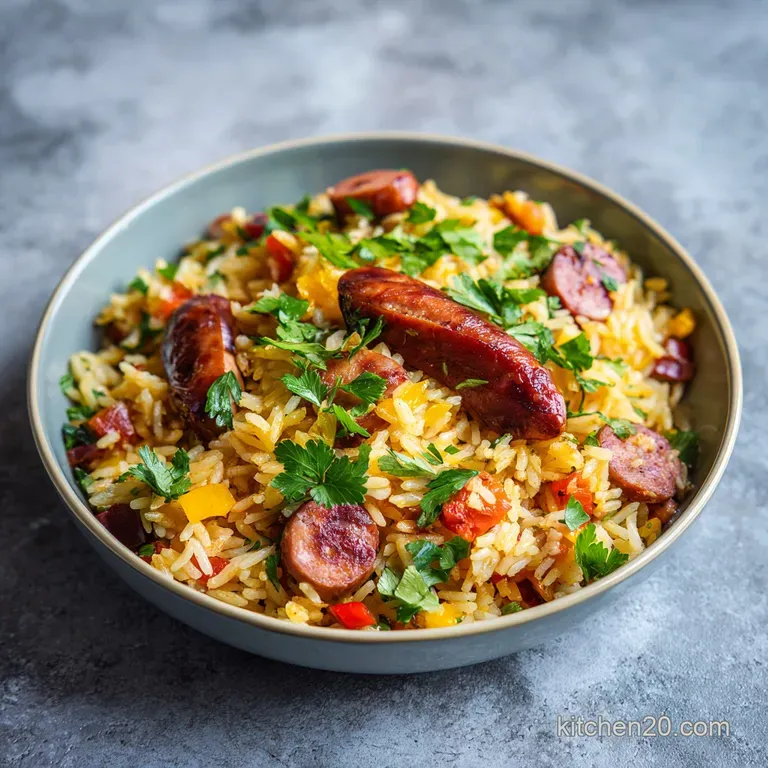
step-by-step Cooking Directions
Phase 1: Developing the Base Flavor
Heat 1 tbsp Extra Virgin Olive Oil in your large skillet over medium high heat. Add the 14 oz Smoked Sausage and cook for 5 to 6 minutes until the edges are browned and the fat is bubbling.
Note: This fat is liquid gold for flavor. Remove the sausage with a slotted spoon and set aside, leaving the fat in the pan.
Phase 2: Building the Aromatic Layer
Add 1 medium Yellow Onion, 1 Green Bell Pepper, and 2 stalks Celery to the rendered fat. Sauté for 4 minutes until the onions are translucent and the peppers have softened.
Stir in 3 cloves Garlic, 1 tsp Smoked Paprika, 1/2 tsp Dried Oregano, 0.5 tsp Salt, and 0.25 tsp Cracked Black Pepper. Cook for 1 minute until the spices are fragrant and the garlic is golden.
Phase 3: The Precision Simmer
Add the 1.5 cups Long grain White Rice to the pan. Stir constantly for 2 minutes to toast the grains until they look slightly opaque and smell nutty. Pour in the 3 cups Low sodium Chicken Broth and return the sausage to the pan.
Bring the mixture to a boil, then immediately reduce the heat to low. Cover tightly and simmer for 18 to 20 minutes until the liquid is fully absorbed and the rice is tender.
Phase 4: The Resting Period
Remove the pan from the heat. Do not peek! Let it sit, covered, for 5 minutes. This allows the moisture to stabilize. Remove the lid and use a fork to fluff the rice. Fold in 0.25 cup Fresh Parsley. Serve immediately while the steam is still rising and the aromas are at their peak.
Pro Techniques and Common Pitfalls
Mastering the Maillard Reaction
Browning your sausage isn't just about looks; it's about the chemistry of flavor. When the meat hits the pan, the amino acids and reducing sugars react to create hundreds of different flavor compounds. If you crowd the pan, the meat will steam instead of sear.
Work in batches if you need to, ensuring every round of sausage gets that beautiful, dark crust.
Achieving Flawless Grain Separation
The biggest mistake people make is stirring the rice while it simmers. This releases starch and leads to a gummy texture. Once you put that lid on, your job is done until the timer goes off. If you are worried about burning, make sure your heat is as low as it can go.
A simmer should be a gentle whisper, not a loud conversation.
Maximizing One Pan Efficiency
To keep things moving, chop your "holy trinity" (onion, celery, pepper) while the sausage is browning. This parallel processing saves time and keeps you engaged with the cooking process. I always have a "trash bowl" on the counter for scraps to keep my workspace clean and my mind focused on the sizzle of the pan.
| Problem | Root Cause | Solution |
|---|---|---|
| Rice is crunchy | Heat was too high; liquid evaporated | Add 2 tbsp broth, cover, and cook for 5 more minutes on low. |
| Bottom is scorched | Sugars in the broth/paprika burned | Use a heat diffuser or ensure the heat is truly at the lowest setting. |
| Dish is bland | Lack of salt or under toasted rice | Add a squeeze of lemon juice or extra smoked paprika at the end. |
Common Mistakes Checklist:
- ✓ Rinsing the rice to remove excess surface starch.
- ✓ Toasting the grains in the rendered fat before adding liquid.
- ✓ Keeping the lid on for the entire cooking and resting duration.
- ✓ Using a heavy bottomed pot to ensure even heat distribution.
- ✓ Cutting vegetables to a uniform size for consistent cooking.
Creative Variations for Custom Flavor
Creating a Creamy Sausage and Rice
If you want something richer, you can stir in 1/2 cup of heavy cream or 4 oz of cream cheese right after the rice has finished resting. This creates a velvety texture that feels incredibly indulgent.
This variation turns the skillet into a Cheesy sausage and rice skillet that kids and adults alike will obsess over. Just be sure to adjust your salt, as the cheese will add its own sodium.
The Low Carb Swap
For those looking to reduce carbohydrates, you can swap the white rice for cauliflower rice. However, the technique changes significantly. You will only need about 1/4 cup of broth, and the cooking time drops to about 5 to 7 minutes.
The result is a lighter Sausage and rice meals option that still hits those smokey flavor notes without the heavy starch.
Scaling the Recipe
- Scaling Down (1/2): Use a 10 inch skillet. Reduce the cooking time by about 3 to 4 minutes and be extra careful with the heat, as smaller quantities burn faster.
- Scaling Up (2x): Use a large Dutch oven. Increase the spices by 1.5x rather than doubling them to avoid overwhelming the dish. You may need to cook the sausage in three batches to ensure a proper sear.
Color Balance and Garnish Strategy
- 1. Green (The Base)
- The diced green bell pepper provides a subtle background hue throughout the rice.
- 2. Red (The Spice)
- The smoked paprika tints the rice a warm, sunset orange red that looks deeply appetizing.
- 3. Bright Green (The Finish)
- Adding the fresh parsley at the very end provides a "neon" contrast that signals freshness.
Safe Storage and Reheating Guide
This Sausage and Rice actually tastes better the next day as the spices have more time to permeate the grains. Store leftovers in an airtight container in the fridge for up to 4 days. When reheating, add a tablespoon of water or broth per serving to prevent the rice from drying out.
Use the microwave in 30 second bursts, stirring in between, until it is steaming.
For freezing, let the dish cool completely before transferring to a freezer safe bag. It will stay good for up to 3 months. To reheat from frozen, thaw it in the fridge overnight or use the defrost setting on your microwave. Just like with our Grandmas Creamy traditional recipe, moisture management is the key to maintaining a good texture after freezing.
Don't throw away those vegetable scraps! The ends of the celery, the onion skins, and the pepper cores can be tossed into a freezer bag. Once the bag is full, boil them with some water to make a quick homemade vegetable stock that you can use for your next batch of Sausage and Rice.
It’s the ultimate zero waste kitchen hack.
Best Side Dishes to Serve
Because this is a complete meal in one pot, you don't need much else. However, a crisp green salad with a sharp vinaigrette helps cut through the richness of the smoked sausage. Roasted broccoli or sautéed kale are also excellent choices for adding a bit of fiber and a different texture to the plate.
If you are serving this for a crowd, a side of cornbread or crusty French bread is a great way to soak up any remaining juices on the plate. The goal is to provide a neutral, crunchy contrast to the soft and savory rice.
Trust me, once you see how quickly this disappears from the table, you'll be making it a permanent part of your weekly rotation.
Culinary Myths Debunked
Myth: You must boil the rice uncovered first. This is the fastest way to unevenly cooked grains. By starting with a tight lid and low heat, you create a pressurized environment that cooks the rice evenly from the outside in. Opening the lid early ruins the "steam cycle."
Myth: Searing meat "locks in" juices. Searing is purely for flavor through the Maillard reaction. Moisture is actually lost during the searing process, but the trade off is a massive increase in savory aromatics that define the entire dish.
Myth: Rinsing rice removes all the nutrients. While some surface vitamins are lost, the texture improvement is worth the trade off. Unless you are using highly enriched rice and that is your only source of vitamins, the culinary benefits of removing excess starch far outweigh the nutritional loss.

Very High in Sodium
1142 mg mg of sodium per serving (50% of daily value)
The American Heart Association recommends limiting sodium intake to about 2,300mg per day for optimal health.
Sodium Reduction Tips for Your Recipe
-
Broth Swap-30%
Replace the 3 cups of low-sodium chicken broth with no-sodium chicken broth. This single change can significantly lower the sodium content.
-
Sausage Selection-25%
Opt for fresh, unprocessed chicken or turkey sausage instead of smoked sausage. Look for options labeled 'low sodium' or 'no salt added'.
-
Reduce Added Salt-25%
Eliminate the 0.5 tsp of added salt entirely. The sausage and broth already contribute sodium to the dish; taste and adjust after cooking, if needed, but try it without first!
-
Flavor Boost
Enhance the dish's flavor by increasing the amount of smoked paprika, dried oregano, and cracked black pepper. This will add depth and complexity without increasing sodium.
-
More Veggies-5%
Increase the quantities of onion, bell pepper and celery. This adds bulk and natural flavor without added sodium.
Sausage and Rice FAQs
Does sausage go well with rice?
Yes, sausage and rice are an excellent pairing. The rich, often smoky fat from the sausage renders into the cooking liquid, deeply flavoring every grain of rice.
Is rice and sausage generally considered a healthy dish?
It depends heavily on the sausage type and portion size. While this combination provides protein and carbohydrates, leaner sausages and adding plenty of vegetables, like in our How to Make recipe for inspiration on vegetable integration, keep it balanced.
What spices pair well with rice and sausage?
Smoked paprika, oregano, garlic powder, and thyme are essential anchors. These spices complement the smoky, savory notes of most sausages, especially when toasted briefly in the rendered fat.
What pairs well with sausage for dinner besides rice?
Collard greens, creamy polenta, or roasted root vegetables are fantastic accompaniments. If you're looking for another one-pot savory experience, consider adapting the flavor profile to our Proper Classic Homemade recipe.
How do I prevent my sausage and rice mixture from becoming mushy?
Sear the sausage first to render fat, then toast the dry, rinsed rice in that fat before adding liquid. This fat coating on the rice grain is crucial; it acts as a barrier, preventing over absorption and starch release, a concept also vital for good texture in dishes like stir fries.
Can I use wild rice or brown rice instead of white rice?
Yes, you can substitute brown or wild rice, but increase the cooking time significantly. Brown rice requires about 20 extra minutes and possibly half a cup more liquid because its bran layer takes longer to soften.
What is the secret to making the rice fluffy instead of sticky?
Rinsing the rice thoroughly until the water runs clear removes surface starch, and a mandatory 5-minute rest off the heat after cooking is non-negotiable. This resting period allows the internal steam to redistribute moisture evenly without breaking the grains.
One Pot Sausage And Rice
Ingredients:
Instructions:
Nutrition Facts:
| Calories | 538 kcal |
|---|---|
| Protein | 19.6 g |
| Fat | 31.2 g |
| Carbs | 52.4 g |
| Fiber | 2.7 g |
| Sugar | 3.8 g |
| Sodium | 1142 mg |
