Oven Spaghetti Squash: Effortlessly Perfect Roasting
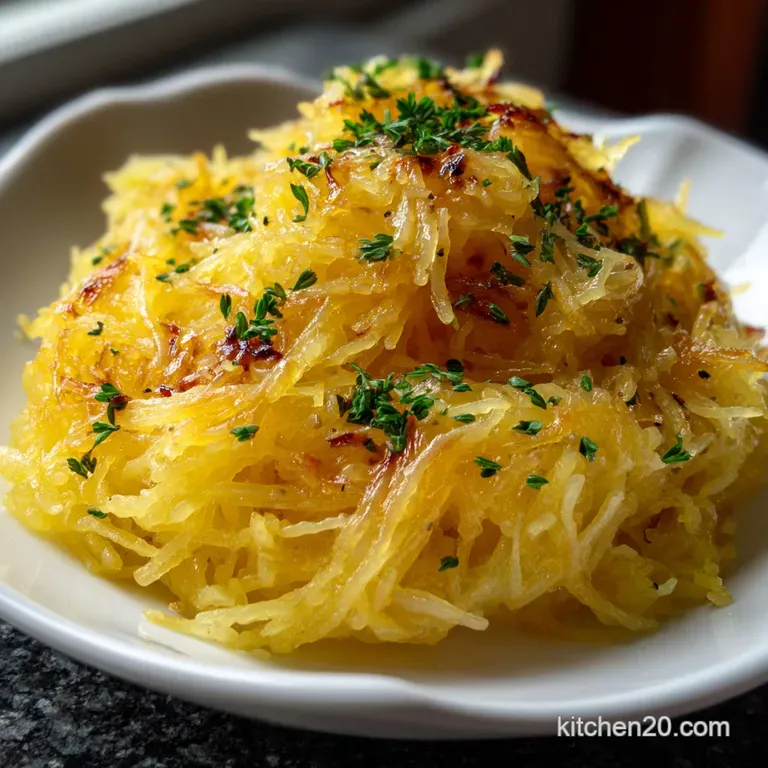
- The Ultimate Guide to Perfect Roasted Spaghetti Squash Strands
- The Science of Fluffy Strands: Why Oven-Baking Prevents Watery Results
- Bare Essentials: Ingredients for the Foundational Roast
- Ingredient Notes and Simple Substitutions
- Step-by-Step: Mastering the Roast Time and Temperature
- Troubleshooting the Oven Spaghetti Squash: Tips from the Kitchen
- Handling Leftovers: Storage, Reheating, and Freezing Guide
- Simple Pairings: Ways to Serve Your Base Spaghetti Squash
- Recipe FAQs
- 📝 Recipe Card
The Ultimate Guide to Perfect Roasted Spaghetti Squash Strands
Oh my gosh, friend, I have to tell you about the smell. That slightly sweet, nutty aroma that fills your kitchen when you make Oven Spaghetti Squash is pure heaven.
When you scrape the interior, you get these beautiful, distinct golden strands, light years away from the watery, sad mush you get when you boil it. Trust me, learning to master Oven Spaghetti Squash is a complete game changer.
This technique is a total lifesaver for weeknights because the prep takes about 10 minutes flat. It’s cheap, incredibly nutritious, and makes the best low-carb base for nearly any sauce you can imagine.
We’re swapping high carb noodles for natural vegetable strands, which makes this perfect for healthy eating plans.
Forget everything you’ve tried before that left you with a watery mess on your plate. We are focusing purely on over high heat roasting to lock in flavor and maximize texture.
This definitive guide ensures your next Oven Spaghetti Squash recipe is foolproof, delivering perfect, al dente strands every single time.
The Science of Fluffy Strands: Why Oven Baking Prevents Watery Results
The biggest mistake people make with squash is steaming it or boiling it whole. Vegetables are mostly water, and when you trap all that moisture in a closed environment, you get mush. We want distinct, fluffy texture, not a soggy disappointment.
Why Roasting Beats Boiling or Steaming for Texture
Boiling waterlogged the squash immediately, washing away some of the natural sweetness we want to preserve. Roasting, specifically on a high temperature, allows the excess surface moisture to evaporate quickly.
This concentrates the natural flavors and gives the squash that slight, earthy nuttiness that makes Oven Spaghetti Squash so addictive.
What to Expect: Mastering the Caramelized Exterior and Tender Interior
When done right, the edges where the squash meets the sheet pan turn slightly golden brown and sticky. Inside, the flesh is incredibly tender and ready to shred, but the strands hold their shape beautifully.
If you've been searching for the perfect texture, this roasted spaghetti squash method is the answer.
The Maillard Reaction: Unlocking Natural Sugars
Heat isn't just about cooking; it's about flavor transformation. Roasting the squash cut-side down against the hot pan activates the Maillard reaction that magical browning process. This slightly caramelizes the surface sugars, dramatically boosting the sweetness and depth of flavor in your resulting strands.
Moisture Control: How to Prevent Watery Spaghetti Squash
The key to preventing wateriness when preparing Oven Spaghetti Squash is placing it cut-side down. This allows the steam to escape up and away from the flesh, avoiding the internal steaming effect.
Plus, the direct contact with the hot metal helps achieve that beautiful golden caramelization we discussed.
Bare Essentials: Ingredients for the Foundational Roast
You only need four simple ingredients to make the best basic Oven Spaghetti Squash . We are focusing on enhancing the squash’s natural flavor, not overwhelming it. Making excellent Oven Spaghetti Squash is about technique, not complexity.
- 1 medium Spaghetti Squash
- 2 tbsp Olive Oil (or other over high heat fat)
- 1 tsp Coarse Sea Salt
- ½ tsp Freshly Ground Black Pepper
Ingredient Notes and Simple Substitutions
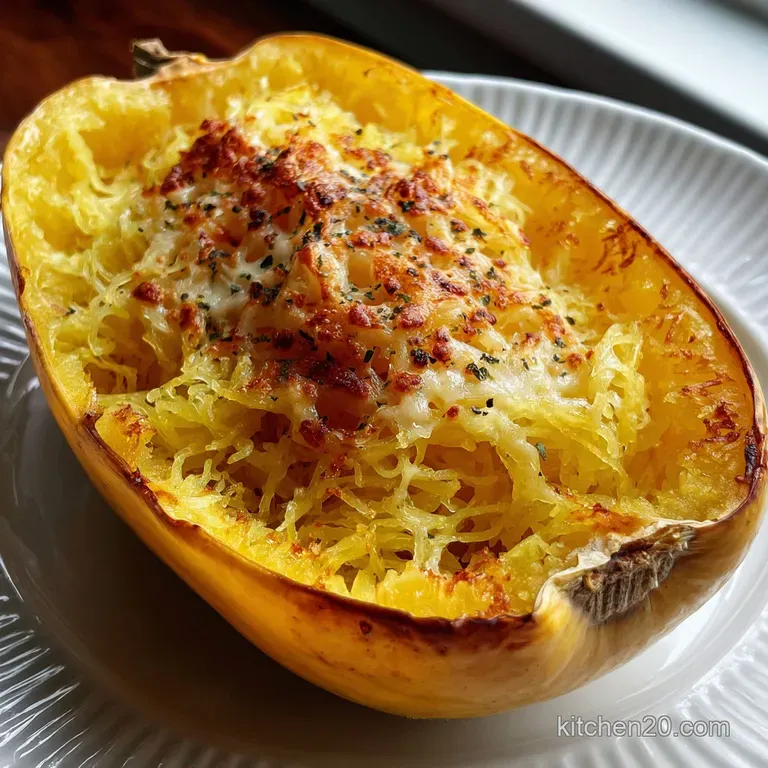
Selecting the Perfect Squash (Weight and Color)
Look for a squash that feels heavy for its size and has a uniform, deep yellow color. Avoid any that have soft spots, green patches, or obvious blemishes those are usually indicators of either being underripe or starting to turn bad.
A firm, unyielding rind is what you want for a safe cut and successful baked spaghetti squash session.
Choosing the Right Fat: Oil Notes for over High heat Roasting
I usually reach for good quality extra virgin olive oil because the flavor pairs so well with the final product. However, if you are worried about olive oil smoking at 400°F, use avocado oil or refined coconut oil instead.
They have higher smoke points and work just as well for our foundational Oven Spaghetti Squash .
Flavor Boosters: Salt, Pepper, and Optional Herb Rubs
Don't be shy with the salt; it's what pulls the water out and helps concentrate the flavor. I prefer sea salt or Kosher salt because the larger crystals distribute more evenly. Sometimes I sprinkle in a little garlic powder and dried oregano before the roast; it gives the whole dish a lovely, savory backdrop.
Equipment Essentials for Baking Success
The only non-negotiable item here is a sharp, heavy duty chef’s knife . Cutting the raw squash is the most dangerous part of this recipe, so you need the right tool.
You also need a sturdy cutting board and a rimmed baking sheet parchment paper is optional but makes cleanup a dream!
step-by-step: Mastering the Roast Time and Temperature
This is precisely how you cook spaghetti squash in the oven to achieve perfect strands.
Preparation: Safe Halving and Seed Removal Techniques
Preheat your oven to 400°F (200°C). Since cutting the squash can be tricky, here is my safety tip: Pierce the squash all over with a fork, then microwave it whole for 2 minutes. This slightly softens the skin and makes cutting infinitely safer.
Carefully slice the large Oven Spaghetti Squash lengthwise, stem to end. Use a spoon or an ice cream scoop to remove all the seeds and stringy bits.
The Crucial Seasoning and Scoring Method for Even Cooking
Lightly score the flesh of each squash half with your knife, creating shallow cross hatch marks. Drizzle the cut sides with oil, then rub the salt and pepper deeply into the flesh, ensuring the seasoning gets into the scores.
This ensures every bite of your finished Oven Spaghetti Squash is flavorful. Place the squash halves cut-side down on the prepared baking sheet.
Temperature and Timing Chart for Different Squash Sizes
Roast the squash at 400°F (200°C). A small squash (under 2.5 lbs) takes around 35– 45 minutes. A medium squash (3 4 lbs) generally takes 45– 55 minutes.
You are looking for a tender, yielding texture, and this is the best oven spaghetti squash time range.
The Fork Test: How to Determine Absolute Doneness
The easiest way to tell if your Oven Spaghetti Squash is done is to press gently on the skin of the thickest part. If the skin gives way and feels soft, it’s ready. For a precise check, gently pierce the flesh with a fork it should slide in with almost no resistance.
Troubleshooting the Oven Spaghetti Squash: Tips from the Kitchen
Mistake 1: Undercooking vs. Overcooking Know the Difference
Undercooked squash is difficult to shred and the strands are stiff and rubbery you’ll be tugging at them with your fork. Overcooked squash shreds easily but breaks apart into mushy rice like pieces.
We want the sweet spot where the strands are long and firm, making learning cook spaghetti squash oven techniques essential.
Chef's Note: If you find the ends of your squash are burning before the middle is tender, cover the ends loosely with a small piece of aluminum foil for the last 15 minutes of baking.
Pro Tip: Achieving Maximum Fluffiness (The Shredding Technique)
Once the squash is tender, let it rest for 5 to 10 minutes (it’s hot!). Then, here is the secret: scrape the flesh with your fork, moving parallel to the long sides of the squash. Don't scrape across the width!
This ensures you pull out the longest, fluffiest strands possible from the Oven Spaghetti Squash .
Adjusting Cook Time for Convection Ovens
Convection ovens circulate hot air, which can be fantastic for roasting. If you use convection, reduce your temperature by 25°F (about 15°C) and check for doneness about 10 minutes earlier than the conventional time.
Handling Leftovers: Storage, Reheating, and Freezing Guide
Fridge Life: Keeping Strands Fresh
Once the strands are shredded and fully cooled, store them in an airtight container in the refrigerator. They will last beautifully for 3 to 4 days. If they seem too wet, simply pat them lightly with a paper towel before storing.
Can You Freeze Spaghetti Squash? (Yes, and How)
You bet! This preserved Oven Spaghetti Squash can save weeknight dinners. After shredding, the strands often release a bit more moisture. Place the strands in a fine mesh sieve and gently press out any excess water.
Flash freeze the strands on a tray, then transfer them to a freezer safe bag or container. It keeps well for up to 6 months.
Simple Pairings: Ways to Serve Your Base Spaghetti Squash
The best part about this foundational recipe is its versatility. You’ve created the perfect noodle replacement; now it’s time to dress it up! It also pairs wonderfully alongside simple roasted vegetables, like my oven-roasted Peppers: The Chefs Guide to Silky Perfection .
The Classic Approach: Butter and Parmesan Dust
For absolute perfection, toss your warm, fluffy strands immediately with a tablespoon of high-quality unsalted butter, a heavy dusting of grated Parmesan cheese, and a pinch of black pepper. It’s simple, elegant, and totally satisfying. If you want to take this classic base even further, I highly recommend checking out my dedicated recipe for Spaghetti Squash with Brown Butter, Sage Parmesan Easy Recipe .
This basic Oven Spaghetti Squash preparation is everything you need. It’s easy, delivers incredible texture, and serves as the ultimate backdrop for any meal. Forget the fuss; just follow the steps, and you’ll be shredding perfect strands in under an hour.

Recipe FAQs
Why is my roasted spaghetti squash watery or mushy?
Mushiness usually occurs if the squash is overcooked or steamed; this often happens when roasting cut-side down without ventilation. To troubleshoot, always roast cut-side up to allow surface moisture to evaporate during cooking, leading to drier, better defined strands.
The cooking time should stop just when the strands are tender, avoiding excessive softening of the flesh.
How can I safely and easily cut a raw spaghetti squash?
Spaghetti squash can be incredibly hard to slice, posing a safety risk. Microwave the whole, intact squash for about 3 to 5 minutes before cutting; this softens the skin just enough to make slicing manageable.
Always use a sharp, sturdy knife and ensure the squash is stabilized on a non-slip cutting board before applying pressure.
Can I roast the spaghetti squash whole instead of slicing it in half?
Yes, you can roast it whole, but the cooking time will increase significantly, often requiring 75 to 90 minutes. However, roasting halves allows moisture to escape and promotes light caramelization on the interior, resulting in better flavor and drier, more texturally pleasing strands.
If roasting whole, poke several vents into the skin first.
How do I know when the spaghetti squash is perfectly cooked?
The squash is done when the flesh is easily pierced with a fork and you can scrape the strands away from the skin without resistance. If using a thermometer, the internal temperature of the thickest part should register between 200°F and 205°F (93°C 96°C).
The skin will also appear slightly wrinkled and softened.
How long can I store leftover cooked spaghetti squash?
Cooked spaghetti squash strands should be stored in an airtight container and kept refrigerated for 3 to 4 days. If condensation builds up, lightly pat the strands dry with a paper towel before reheating to maintain the best possible texture. Ensure the squash has cooled completely before sealing the container.
Can I freeze cooked spaghetti squash for later use?
While technically possible, freezing is generally not recommended as it drastically compromises the texture of the squash. Upon thawing, the strands become significantly mushier and release substantial amounts of water, making the resulting dish watery.
It is better to consume refrigerated leftovers within the storage window.
How can I use spaghetti squash to create a complete meal?
Spaghetti squash is a versatile, neutral base excellent for replacing traditional pasta. Toss the warm strands with lean protein, such as chicken Bolognese, pesto marinated shrimp, or a rich mushroom ragout, to create a quick and satisfying low-carb dinner.
You can also bake the strands directly into casseroles for added volume and nutrition.
Oven Spaghetti Squash Perfect Strands
Ingredients:
Instructions:
Nutrition Facts:
| Calories | 187 kcal |
|---|---|
| Protein | 3.5 g |
| Fat | 9.5 g |
| Carbs | 22.0 g |
