Parmesan Crusted Chicken Recipe
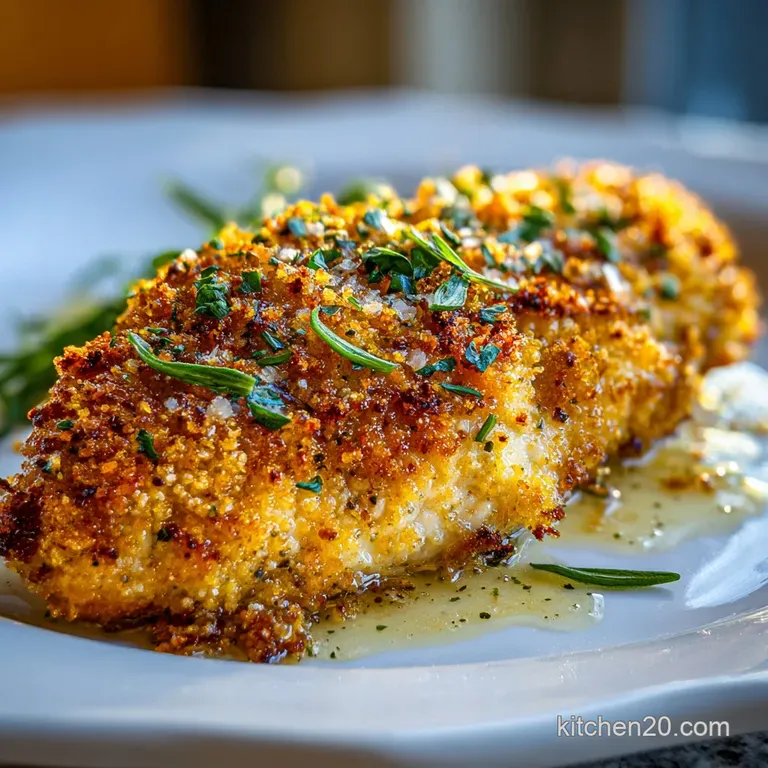
- Time: Active 15 minutes, Passive 20 minutes, Total 35 minutes
- Flavor/Texture Hook: Shatter crisp exterior with a velvety, garlic infused center
- Perfect for: High efficiency weeknight dinners or connecting with family over comfort food
- Cracking the Code for Ultimate Parmesan Crusted Chicken
- The Physics of the Crunch
- Component Analysis and Structural Integrity
- The Modular Ingredient List
- Essential Gear for Culinary Success
- From Prep to Plate
- Common Mistakes and Performance Fixes
- Alternative Configurations and Flavor Profiles
- Data Storage and Leftover Systems
- Harmonious Side Dish Ecosystems
- Debunking Culinary Myths
- Recipe FAQs
- 📝 Recipe Card
Cracking the Code for Ultimate Parmesan Crusted Chicken
There is a specific sound that defines a successful kitchen: the rhythmic, muffled thud of a meat mallet hitting a cutting board on a Sunday afternoon. It’s the tempo of preparation.
I remember the first time I tried making this dish without pounding the meat; the edges were like leather while the center remained dangerously pink. It was a total system failure.
Since that day, I’ve viewed the mallet as a tool for structural integrity, ensuring every bite of our Parmesan Crusted Chicken cooks at the exact same frequency.
The aroma of garlic hitting a hot skillet is a universal invitation to the table. When you marry that with the nutty, toasted scent of browning Parmesan, you’re not just making dinner; you’re revolutionizing the way your household views "chicken night." This isn't the soggy, flavorless version you might find in a cafeteria.
We are building a multi layered flavor profile that relies on an emulsified binder and a precision engineered crust.
We’ve all dealt with breading that slides off the protein like a glitchy software update. By moving away from the messy three bowl flour egg-crumb station and embracing a yogurt based "glue," we create a bond that is practically unbreakable.
You’ll find that this method is not only faster but produces a significantly more consistent result. Let’s get into the mechanics of how we make this happen.
The Physics of the Crunch
To understand why this recipe works, we have to look at the interface between the heat and the meat. We aren't just heating food; we are managing moisture and protein denaturation to achieve a specific sensory output.
- The Moisture Shield: Greek yogurt acts as an acidic buffer that tenderizes the chicken while providing a thick, sticky surface for the crumbs to anchor onto.
- Starch Gelatinization: Panko breadcrumbs have a larger surface area than traditional crumbs, allowing them to catch more radiant heat and create a shattering texture.
- The Protein Lattice: As the Parmesan cheese melts and then solidifies, it forms a savory, golden web that reinforces the structural integrity of the crust.
- Maillard Synchronization: By combining cheese and breadcrumbs, we trigger the Maillard reaction at multiple temperatures, resulting in a deeper, more complex color profile.
| Thickness | Internal Temp | Rest Time | Visual Cue |
|---|---|---|---|
| 12.7 mm (1/2 inch) | 74°C (165°F) | 3 minutes | Juices run clear when pierced |
| 19 mm (3/4 inch) | 74°C (165°F) | 5 minutes | Crust is deep mahogany |
| 25 mm (1 inch) | 74°C (165°F) | 7 minutes | Firm resistance when pressed |
This table serves as your primary decision making tool. If your chicken breasts are uneven, the thermal distribution will be skewed, leading to dry edges. Always aim for that 12.7 mm thickness to ensure the cook time aligns with the crust's browning rate.
Component Analysis and Structural Integrity
Choosing the right elements is like selecting the best hardware for a high end build. Every ingredient in this Parmesan Crusted Chicken serves a specific functional purpose in the final assembly.
| Ingredient | Science Role | Pro Secret |
|---|---|---|
| Greek Yogurt | Emulsified Binder | Use full fat for better fat soluble flavor transport. |
| Panko | Textural Component | Toasting them lightly beforehand can enhance the "shatter" factor. |
| Parmesan | Flavor & Structure | Grate it fresh on a microplane to ensure it melts into the breading. |
| Dijon Mustard | Surfactant | The mustard seeds contain mucilage which helps the yogurt stick to the meat. |
The Greek yogurt is the unsung hero here. Unlike egg washes, which can be thin and slippery, the thick protein structure of yogurt clings to the chicken. If you've struggled with your coating falling off in the past, this is the upgrade you need.
It creates a connected layer that survives the flip in the pan or the transition to the oven.
The Modular Ingredient List
Success depends on the quality of your components. We are using a specific blend of textures and fats to achieve that signature golden finish.
- Chicken Breasts (680g): The platform for our flavor. Why this? Lean protein that absorbs the garlic parmesan profile perfectly.
- Substitute: Chicken thighs (increase cook time by 5 minutes).
- Greek Yogurt (0.33 cup): Our high viscosity binder.
- Substitute: Sour cream or mayonnaise (similar fat content and acidity).
- Freshly Grated Parmesan (0.5 cup): The primary savory agent. Why this? High salt and protein content for a crisp finish.
- Substitute: Pecorino Romano (sharper, saltier profile).
- Panko Breadcrumbs (0.5 cup): For the shattering crunch.
- Substitute: Crushed pork rinds for a low carb alternative.
- Garlic Powder & Smoked Paprika: The aromatic foundation.
- Substitute: Onion powder or chipotle powder for heat.
- Unsalted Butter (2 tbsp): Used in the finishing sauce.
- Substitute: Ghee or a high-quality olive oil.
For those looking to streamline their kitchen time, you might find that the techniques used here are quite similar to how we manage heat in our How to Cook recipe. Using a consistent methodology across different proteins helps you master the "feel" of the cook.
Essential Gear for Culinary Success
You don't need a professional lab, but certain tools make the process much more fluid. I highly recommend using a heavy bottomed skillet, such as a cast iron pan from Lodge, to maintain consistent heat.
- Meat Mallet: For achieving that 12.7 mm uniform thickness.
- Microplane: Essential for grating the Parmesan into a fine "snow" that adheres well.
- Wire Cooling Rack: Placing the chicken on a rack over a baking sheet prevents the "soggy bottom" syndrome by allowing air to circulate.
- Instant Read Thermometer: This is the only way to guarantee the chicken reaches exactly 74°C without overshooting and becoming dry.
From Prep to Plate
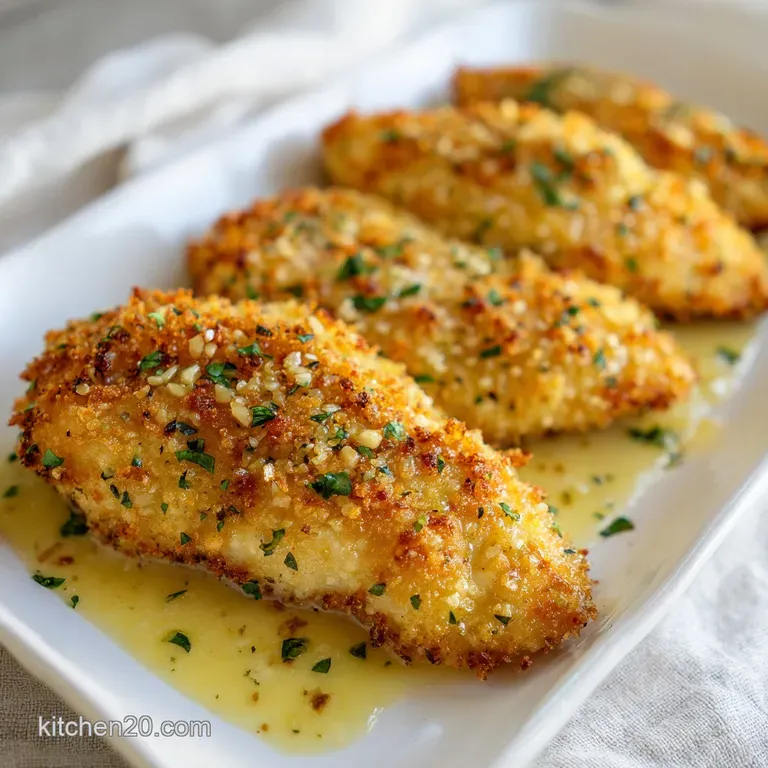
This process is divided into phases to ensure maximum efficiency and flavor development. We aren't just cooking; we are executing a series of precise movements.
Phase 1: Preparation and Tenderizing
Place the 680g of chicken breasts between two sheets of plastic wrap. Using the flat side of your mallet, pound the meat starting from the center and moving outward. Stop when you reach a uniform 12.7 mm thickness. Season both sides with 0.5 tsp salt and 0.5 tsp black pepper.
This mechanical tenderization breaks down tough fibers, ensuring every bite is silky.
Phase 2: The Emulsion Coating
In a small bowl, whisk together the 0.33 cup Greek yogurt, 1 tbsp Dijon mustard, and 2 microplaned garlic cloves. In a separate shallow dish, combine the 0.5 cup Panko, 0.5 cup Parmesan, 1 tsp garlic powder, 0.5 tsp smoked paprika, and minced parsley.
This creates two distinct layers: the moisture locking emulsion and the structural crust.
Phase 3: Assembly
Dip each chicken breast into the yogurt mixture, ensuring it is fully submerged. Let the excess drip off you want a thin, even coat, not a thick sludge. Press the chicken firmly into the Panko Parmesan mixture.
Firmly press the crumbs into the meat to ensure they are locked into the yogurt binder.
Phase 4: The Golden Bake
Preheat your oven to 200°C (400°F). Place the chicken on a wire rack set over a parchment lined baking sheet. Spray the tops lightly with olive oil.
Bake for 18-20 minutes until the crust is deep mahogany and the internal temperature hits 74°C. The wire rack is crucial here; it allows the heat to hit the underside, preventing a mushy base.
Phase 5: The Finishing Pan Sauce
While the chicken rests, melt 2 tbsp butter in a small skillet over medium heat. Add 2 minced garlic cloves and sizzle for 30 seconds until fragrant. Whisk in 0.25 cup chicken stock and 1 tbsp lemon juice. Simmer for 2 minutes until the sauce slightly thickens and looks glossy.
Drizzle this over the chicken right before serving.
If you enjoy this style of preparation, you might also be interested in our How to Make recipe, which explores a more traditional frying method for those who want an even more aggressive crunch.
Common Mistakes and Performance Fixes
Even the best systems encounter bugs. When making Parmesan Crusted Chicken, the most common issues usually stem from moisture management or heat distribution.
Why Your Crust Is Falling Off
Usually, this happens because the chicken was too wet before the yogurt was applied. If the surface of the meat is slick with moisture, the yogurt can't form a mechanical bond. Always pat the meat dry with paper towels before you begin the seasoning process.
| Problem | Root Cause | Solution |
|---|---|---|
| Soggy Bottom | Steam trapped under the meat | Use a wire cooling rack during baking |
| Burnt Cheese | Oven rack is too high | Move to the center rack or reduce temp by 10°C |
| Dry Meat | Internal temp exceeded 74°C | Use an instant read thermometer for precision |
Common Mistakes Checklist
- ✓ Pat the chicken completely dry before seasoning to ensure the binder sticks.
- ✓ Use freshly grated Parmesan; pre shredded cheese is coated in cellulose which prevents proper melting.
- ✓ Don't skip the resting period; it allows the juices to redistribute through the fibers.
- ✓ Ensure the oven is fully preheated to 200°C before the chicken goes in to jumpstart the crust.
Alternative Configurations and Flavor Profiles
One of the best things about this recipe is its modularity. You can swap out the "hardware" of the flavors to suit different dietary needs or taste preferences.
- If you want a Keto version, swap the Panko for crushed pork rinds or almond flour.
- If you want more heat, add a teaspoon of cayenne pepper or red chili flakes to the breading mix.
- If you want an Air Fryer version, cook at 190°C for 12-15 minutes, flipping halfway through.
| Fresh Ingredients | Shortcut Version | Flavor Impact |
|---|---|---|
| Freshly Microplaned Garlic | Garlic Powder | Less bite, more uniform distribution |
| Fresh Parsley | Dried Italian Seasoning | More herbal/earthy notes, less "green" finish |
| Freshly Grated Parm | Canned Parmesan | Grittier texture, significantly saltier |
Data Storage and Leftover Systems
Managing leftovers is about maintaining the integrity of the crunch. If you just throw these in a plastic bag, you'll end up with a soggy mess by tomorrow morning.
- Storage
- Keep in an airtight container in the fridge for up to 3 days. To maintain the crust, place a piece of paper towel in the container to absorb excess moisture.
- Freezing
- You can freeze the breaded (but uncooked) chicken for up to 2 months. Bake directly from frozen, adding about 10 minutes to the total time.
- Zero Waste
- If you have leftover crumbs or yogurt mixture, don't toss them! Toss the leftover Panko mixture with a little melted butter and bake it separately to make a savory topping for roasted broccoli or asparagus.
Harmonious Side Dish Ecosystems
The Parmesan Crusted Chicken is a powerful main, but it needs the right support system to truly shine. The goal is to balance the richness of the cheese and butter with brightness and color.
- 1. Fresh Parsley (Deep Emerald)
- Add this right before the plate leaves the kitchen. It provides a hit of freshness that cuts through the savory cheese.
- 2. Smoked Paprika (Rusty Amber)
- This is already in your breading, but a tiny dusting over the final sauce adds a warm, connected glow to the dish.
- 3. Lemon Wedges (Bright Citron)
- Place these on the side. The acidity is the "refresh button" for your palate, making every bite feel as vibrant as the first.
For a classic pairing, this chicken is incredible over a bed of Fluffy Jasmine Rice, which can soak up that garlic lemon butter sauce. If you're looking for something lighter, a simple arugula salad with a balsamic glaze provides a sharp contrast to the salty Parmesan crust.
Debunking Culinary Myths
Myth: Searing the meat "seals in the juices." This is a common misconception. Juices are held in by the protein structure and temperature control. Searing is strictly for flavor development (the Maillard reaction). In this recipe, the yogurt binder does more to "seal" moisture than any sear ever could.
Myth: You must use eggs for breading. Actually, dairy based binders like yogurt or mayo often produce a more tender result because the lactic acid actively works on the meat while it sits. It’s a more "connected" way to cook that integrates tenderizing and coating into one step.
By focusing on these precision checkpoints and understanding the science behind the ingredients, you’re not just following a recipe you’re mastering a technique that will serve you in dozens of other dishes. Enjoy the sizzle!
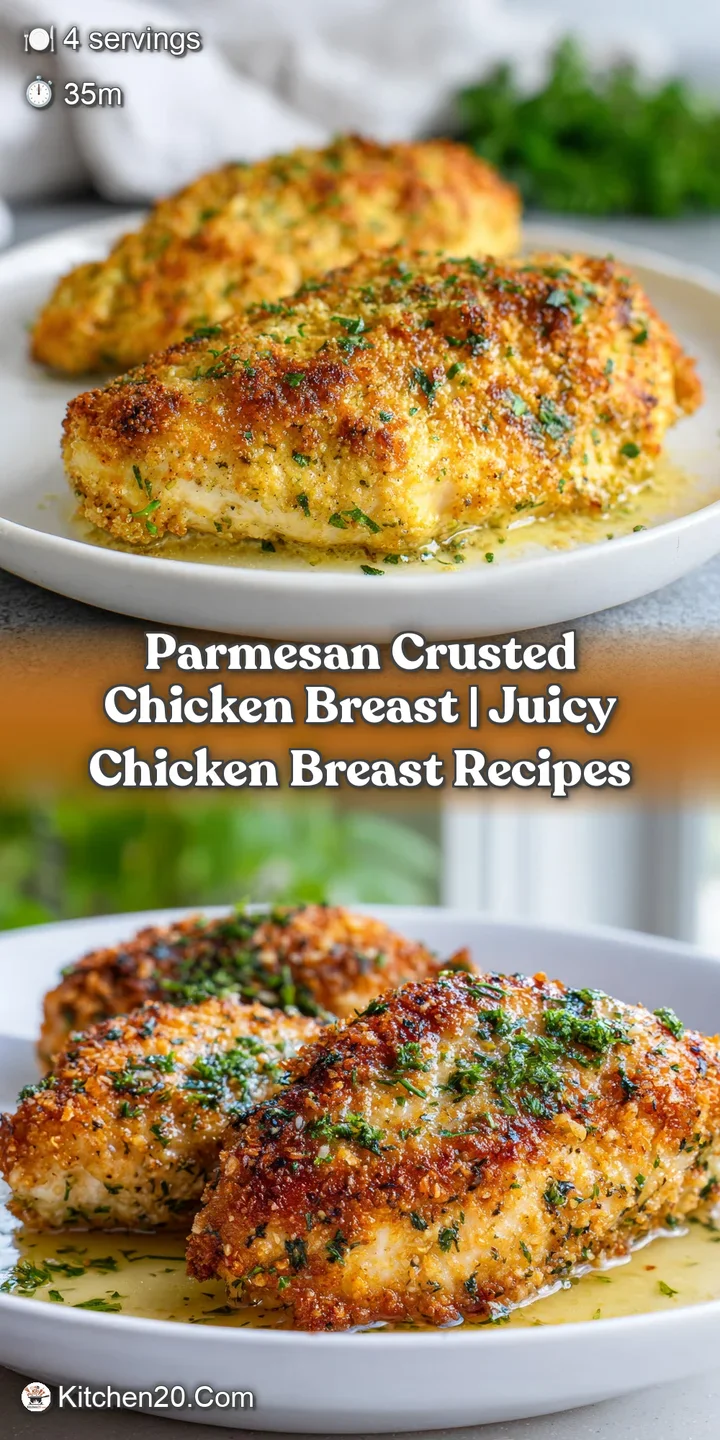
Recipe FAQs
What is the secret to crispy chicken Parmesan?
Use a thick, acidic binder and Panko breadcrumbs. Greek yogurt acts as a superior glue to traditional egg washes, holding the Panko firmly to the meat during cooking, which promotes even browning and maximum crispness.
Can you use regular breadcrumbs for parmesan crusted chicken?
No, stick with Panko. Regular breadcrumbs are finer and denser; they absorb more fat and tend to become soggy instead of creating a shattering crust like the larger, flakier Panko.
What goes best with parmesan crusted chicken?
Bright, acidic sides are ideal pairings. Simple steamed asparagus with lemon, or a side salad with a sharp vinaigrette, cuts through the richness of the Parmesan. If you like pasta, our How to Cook recipe offers a nice, creamy counterpoint.
How do you get breading to stick to chicken Parmesan?
Use a high viscosity binder like Greek yogurt and press firmly. After coating the chicken in the yogurt mixture, press the crumb mixture firmly onto the meat to mechanically anchor the breading before cooking.
Is it true that pounding the chicken thin ruins the flavor?
No, this is a common misconception. Pounding ensures uniform thickness (around 1/2 inch), which allows the exterior crust to brown perfectly at the same moment the interior reaches a safe temperature, preventing dry edges.
What temperature must the chicken reach for safety?
The chicken must reach an internal temperature of 74°C (165°F). Use an instant read thermometer inserted into the thickest part of the breast to verify this is the moment the juices run clear.
Can I make this recipe ahead of time for meal prep?
Yes, you can bread the chicken ahead, but don't cook it. For the best texture, apply the yogurt and Panko mixture, place them on a rack, and refrigerate up to 4 hours before baking. For longer prep, consider using the slow cooker method detailed in our Slow Cooker Chicken recipe framework.
Parmesan Crusted Chicken
Ingredients:
Instructions:
Nutrition Facts:
| Calories | 371 kcal |
|---|---|
| Protein | 45.2 g |
| Fat | 14.4 g |
| Carbs | 10.6 g |
| Fiber | 0.8 g |
| Sugar | 1.8 g |
| Sodium | 615 mg |
