Sauteed Mushrooms in Garlic Butter: the Ultimate Umami Bomb
- Mastering Sauteed Mushrooms in Garlic Butter: The Umami Secret
- The Flavor Science Behind Perfectly Cooked Fungi
- Essential Components for the Best Garlic Butter Sauté
- How to Master Sauteed Mushrooms in Garlic Butter: Step-by-Step
- Troubleshooting and Expert Hacks for Sauteed Mushrooms in Garlic Butter
- Storage and Preparation FAQs
- Elevating the Dish: Creative Serving Suggestions
- Recipe FAQs
- 📝 Recipe Card
Mastering Sauteed Mushrooms in Garlic Butter: The Umami Secret
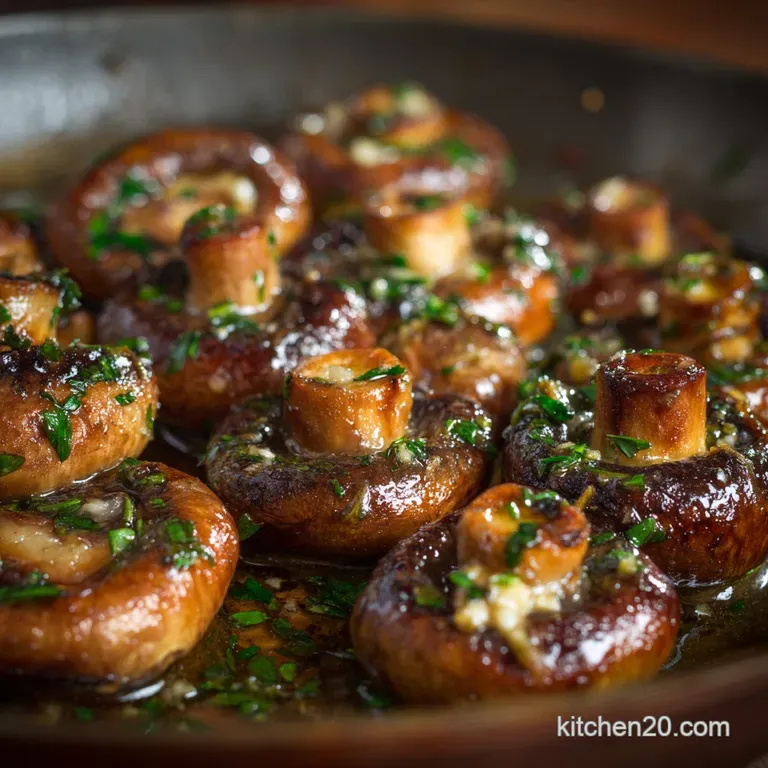
Can we just talk about the aroma? The sound of that first pat of butter hitting a hot pan, followed by the deep, earthy smell of mushrooms hitting the heat is absolutely the best thing. Then the garlic joins the party, and honestly, that’s when I start hovering, spatula in hand.
We are aiming for deeply caramelized fungi here, not those pale, watery excuses for a side dish.
This recipe is a massive weeknight lifesaver. It’s outrageously fast, totally cheap, and pairs perfectly with literally everything you are planning to serve. Trust me, learning how to cook mushrooms properly is one of the biggest secrets to feeling like a much better cook than you actually are (shhh, don't tell anyone).
We're going to break down the "why" of this process, because the biggest mistake most home cooks make is turning this into mushroom soup by accident. We need patience, high heat, and a willingness to wait until that moisture is gone before the magic truly begins.
Let’s crack on and transform some boring buttons into a rich, buttery umami bomb.
The Flavor Science Behind Perfectly Cooked Fungi
The Difference Between Sautéing and Steaming
Sautéing means cooking fast in a small amount of fat. Steaming means trapping moisture and cooking slowly. When you throw cold mushrooms into a cold pan and cover them in butter immediately, they release all their internal water and then they just boil in their own juices. We avoid that mess entirely.
Why This Recipe Deserves Center Stage
This dish isn’t just a side; it's a vehicle for amazing texture and deep flavour. We are stripping away the water first so the mushrooms can get serious about browning. That deep golden color means maximum flavour, friends.
Achieving Deep, Nutty Caramelization
Caramelization is our goal. You know that nutty, slightly chewy edge you get on really good pan-fried garlic butter mushrooms ? That comes from aggressively cooking out the water and then hitting them with high heat to achieve color.
The Critical Role of Moisture Release
Mushrooms are 90% water. If you don't remove that moisture, they will never brown. They’ll just shrink slightly and remain soft, pale, and bland. This is the single most crucial step in any sauteed mushroom recipe.
The Maillard Reaction and Umami Development
The Maillard reaction is just a fancy way of saying "browning = flavor." When those sugars and amino acids react under high heat, it develops incredible, savory, meaty depth the essential umami flavour. Getting a deep brown color is a scientific signal that you’ve done it right.
Boosting Flavor with Fat Layers (Butter vs. Oil)
We use oil and butter, and we add them at different times. Olive oil has a higher smoke point, which is helpful during the aggressive browning phase. Butter provides that necessary richness and milk solids, which brown beautifully and infuse the garlic and herbs. It’s a flavor layering technique.
Chef's Note: I once added all the butter right at the start and the pan turned into a greasy lake, resulting in pale, sad fungi. Learn from my soggy failures: add fat after the water is gone.
Essential Components for the Best Garlic Butter Sauté
Selecting the Right Mushroom Variety (Cremini vs. White Button)
I usually go with Cremini (Baby Bella) mushrooms. They have a slightly deeper, earthier flavour and firm texture, handling high heat perfectly. White Button mushrooms work great too, but they are milder. For serious richness, try slicing Shiitake mushrooms thickly; they offer a wonderfully meaty chew.
Clarified Butter vs. Unsalted Butter Notes
I prefer unsalted butter because I like controlling the salt level myself. If you use clarified butter (Ghee), you’ll get a purer, more nutty flavor, and you can cook hotter because Ghee has no milk solids to burn.
However, using regular unsalted butter allows those milk solids to brown and create extra flavour in the pan.
Fresh Herbs: Which Pairings Work Best?
Thyme and parsley are the classic duo for sauteed mushrooms in garlic butter . Thyme is earthy and robust, while parsley adds a necessary fresh, green lift at the very end. Rosemary is too strong for this simple dish unless you use just a tiny sprig.
Ingredient Swaps and Vegan Alternatives
The good news is that this recipe is incredibly flexible. If you want a quick weeknight protein option, these taste amazing next to anything from a creamy dish like Slow Cooker Garlic Parmesan Chicken: The Ultimate Creamy Dinner to a sticky sauce like the one we use for Crockpot Honey Garlic Meatballs: Effortless Weeknight Sticky Classic .
| Original Ingredient | Vegan Swap | Notes |
|---|---|---|
| Unsalted Butter | high-quality Vegan Butter Stick | Use a brand designed for over high heat cooking. |
| Olive Oil | Grapeseed or Avocado Oil | Neutral flavor and high smoke point are key. |
| Wine/Sherry | Good quality Vegetable Broth | We lose the acid, but retain the deglazing action. |
How to Master Sauteed Mushrooms in Garlic Butter: step-by-step
Prep Phase: Cleaning, Cutting, and Drying
First things first: Do NOT wash your mushrooms . Just take a damp paper towel and gently wipe off any dirt. Slice them thick, about ¼ inch (5mm). Uniform slices ensure even cooking.
Phase One: Dry Sautéing for Moisture Evaporation
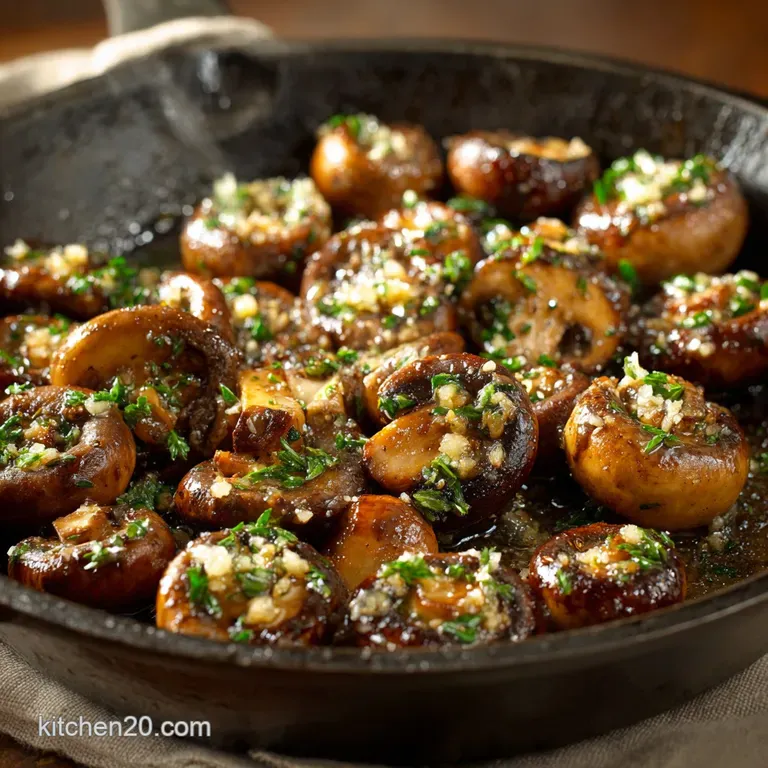
Heat your largest skillet (cast iron is my favourite) over medium high heat until it is ripping hot. Dump the sliced mushrooms into the dry pan. If they all fit in a single layer, great; if not, you must work in two batches.
Cook, stirring occasionally, until the water starts aggressively pooling in the pan. Let that murky liquid boil off completely. This step takes patience, roughly 5 to 7 minutes.
Phase Two: Introducing Fats and Building Color
Once the pan is completely dry and you hear a slightly squeaky sound, add the olive oil and the first two tablespoons of butter. Now we cook for color. Stir frequently over medium heat until the mushrooms have shrunk noticeably and have deep golden brown, caramelized edges. This is your umami developing; don't rush it.
The Finishing Touch: Garlic and Herb Infusion
Reduce the heat to low. Push the mushrooms over to one side. Add the remaining two tablespoons of butter into the empty space. Once melted, add your minced garlic and thyme. Swirl the butter around and cook the garlic until fragrant, maybe 60 seconds total. Watch the heat; burned garlic tastes like sadness.
Stir everything together, add the salt and pepper, and then deglaze with your sherry or lemon juice. Off the heat, toss in the fresh parsley, and serve immediately.
Troubleshooting and Expert Hacks for Sauteed Mushrooms in Garlic Butter
The Overcrowding Trap: Why Pan Size Matters
Overcrowding is the enemy of the perfect sauté. If you cram too many cold mushrooms into the pan, the temperature drops dramatically and they can’t release their moisture fast enough to evaporate. They end up stewing. If in doubt, cook in batches.
A proper 12 inch skillet should handle about 1 pound of fungi without issue.
When to Add Salt (And Why Timing is Crucial)
NEVER add salt at the beginning. Salt is a hydroscopic agent, meaning it pulls moisture out of the food. Adding salt early forces the mushrooms to release water even faster, guaranteeing you a soupy mess that takes ages to evaporate.
Add the salt only after the mushrooms are brown and the fats have been added.
Rescuing Mushrooms That Are Too Wet
Did you rush Phase One? Did your pan end up swimming in liquid? Don't panic. Simply tilt the pan and drain the excess liquid into a small bowl (save that mushroom stock for gravy!). Return the pan to high heat and continue cooking until the remaining moisture is gone before adding the fat.
Heat Management: High Heat vs. Medium Heat
We use medium high heat for the dry sauté phase to encourage fast evaporation. Once the fat is in, drop the heat to medium to allow for even browning without burning the butter.
When the garlic is added, drop the heat to low to prevent scorching.
Storage and Preparation FAQs
Shelf Life: Storing Leftovers Safely
If you happen to have leftovers (a rare occurrence in my house), they store beautifully. Pop the cooled mushrooms into an airtight container and keep them in the fridge for up to 3 to 4 days.
Can You Freeze Sautéed Mushrooms?
You can freeze them, but I only recommend it if they are destined for a cooked dish like a casserole or soup. The texture of mushrooms changes significantly upon freezing and thawing; they often become softer and rubbery.
If you must freeze, place them flat on a baking sheet first, freeze until solid, and then transfer to a freezer bag for up to three months.
Reheating Safely and Effectively
The microwave will make them sad and rubbery. Reheat them quickly in a dry, hot skillet over medium high heat until sizzling. If they look dry, add a tiny sliver of fresh butter right at the end for moisture and flavour, maybe alongside a little Creamy Garlic Salad Dressing: The Silky, Restaurant Quality Recipe if you're feeling extra.
Elevating the Dish: Creative Serving Suggestions
These sauteed button mushrooms in garlic butter are brilliant because they instantly elevate any meal.
- Classic Pairing: Spooned over a perfectly cooked steak or alongside a golden brown roasted chicken.
- Brunch Luxury: Serve them on toasted crusty bread (crostini) topped with fresh ricotta and a dash of balsamic glaze.
- Soup Base: Use them as a deeply flavourful starter for a cream of mushroom soup the caramelization adds fantastic complexity.
- Pasta Component: Toss them with fresh fettuccine, a splash of heavy cream, and a handful of freshly grated Parmesan for a decadent, quick weeknight dinner.
Recipe FAQs
Why are my mushrooms soggy and steamed instead of caramelized?
Sogginess is typically caused by two factors: overcrowding the pan or not using high enough heat initially. Mushrooms release a lot of moisture; you must allow this liquid to fully evaporate before the mushrooms can begin to properly brown and caramelize.
When should I add the garlic and herbs, and why?
Garlic and delicate herbs, like parsley or thyme, should only be added in the final 60 90 seconds of cooking. Adding them earlier exposes them to high heat for too long, which causes the garlic to burn and turn acrid, ruining the overall flavor profile.
Should I wash the mushrooms before sautéing them?
It is generally best practice to wipe mushrooms clean with a slightly damp paper towel or cloth rather than rinsing or soaking them. Mushrooms are highly porous and absorb water quickly, which extends the cooking time and prevents the deep, golden browning we are aiming for.
Can I make this recipe vegan or dairy-free?
Yes, this recipe adapts easily to vegan diets. Simply substitute the standard butter with an equal amount of high-quality plant based butter, or use a neutral cooking oil like grapeseed for the initial sauté and finish with a rich olive oil for flavor.
How can I prevent the butter from burning while sautéing?
Standard butter contains milk solids that burn quickly at high temperatures. To prevent this, use clarified butter (ghee) which has a higher smoke point, or wait to add the regular butter until after the mushrooms have fully released and evaporated their moisture, using just a splash of oil for the initial cooking phase.
How should I store leftover sautéed mushrooms?
Store any leftover sautéed mushrooms in an airtight container in the refrigerator for up to 3 to 4 days. When reheating, use a dry skillet over medium heat to restore some of their crisp texture, as microwaving will usually make them rubbery.
What type of mushroom offers the best flavor for this dish?
Cremini (baby bella) mushrooms are highly recommended as they provide a deep, meaty, umami flavor that stands up well to the garlic butter. For a more sophisticated dish, try using a mix of wild varieties like shiitake, oyster, and maitake mushrooms.
Perfect Sauteed Mushrooms In Garlic Butter
Ingredients:
Instructions:
Nutrition Facts:
| Calories | 96 kcal |
|---|---|
| Protein | 2.4 g |
| Fat | 4.4 g |
| Carbs | 11.6 g |
