Potato Wedges Cucumber Dip with Architectural Crunch
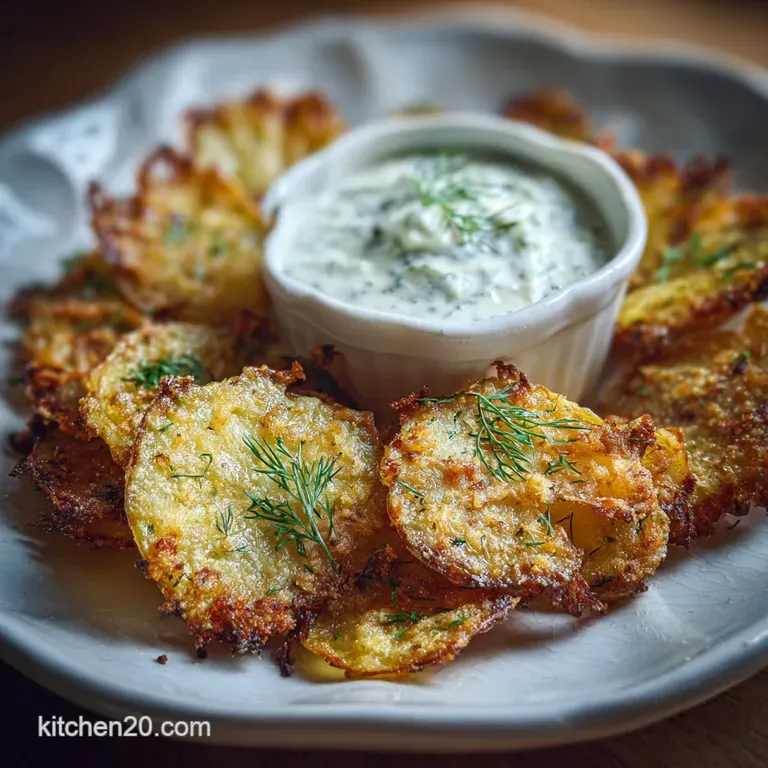
- Time: Active 20 minutes, Passive 35 minutes, Total 55 minutes
- Flavor/Texture Hook: Shatter crisp exterior with a velvety, garlic infused dip
- Perfect for: Social gathering appetizers or high performance weeknight sides
- Mastering Your Potato Wedges Cucumber Dip
- Physics of the Golden Crunch
- Essential Performance and Time Metrics
- Component Analysis and Ingredient Science
- Required Hardware for Precision Results
- Executing the Potato Roasting Algorithm
- Debugging Flavor and Texture Errors
- Expanding the Recipe Architecture
- Managing Leftovers and Waste
- Strategic Side Dish Connections
- Debunking Cooking Myths
- Recipe FAQs
- 📝 Recipe Card
Mastering Your Potato Wedges Cucumber Dip
The sizzle of fat hitting a hot baking sheet is the first signal that your kitchen is about to become a hub of high performance snacking. I remember the exact moment I pivoted from making mediocre, limp fries to these architectural wonders.
It was a rainy Tuesday, and I was experimenting with the contents of my pantry, desperately trying to replicate a street food texture I’d experienced months prior. When that first tray emerged, the wedges didn't just sit there; they practically hummed with a golden, craggy energy.
We are looking at a total kitchen revolution here. This isn't just about cutting a potato; it's about engineering the surface area to maximize the Maillard reaction. By the time you pull these out of the oven, the house smells like toasted garlic and smoked paprika a scent that acts like a dinner bell for the entire neighborhood.
We've all suffered through soggy, oil logged potatoes, but we are moving past that legacy system.
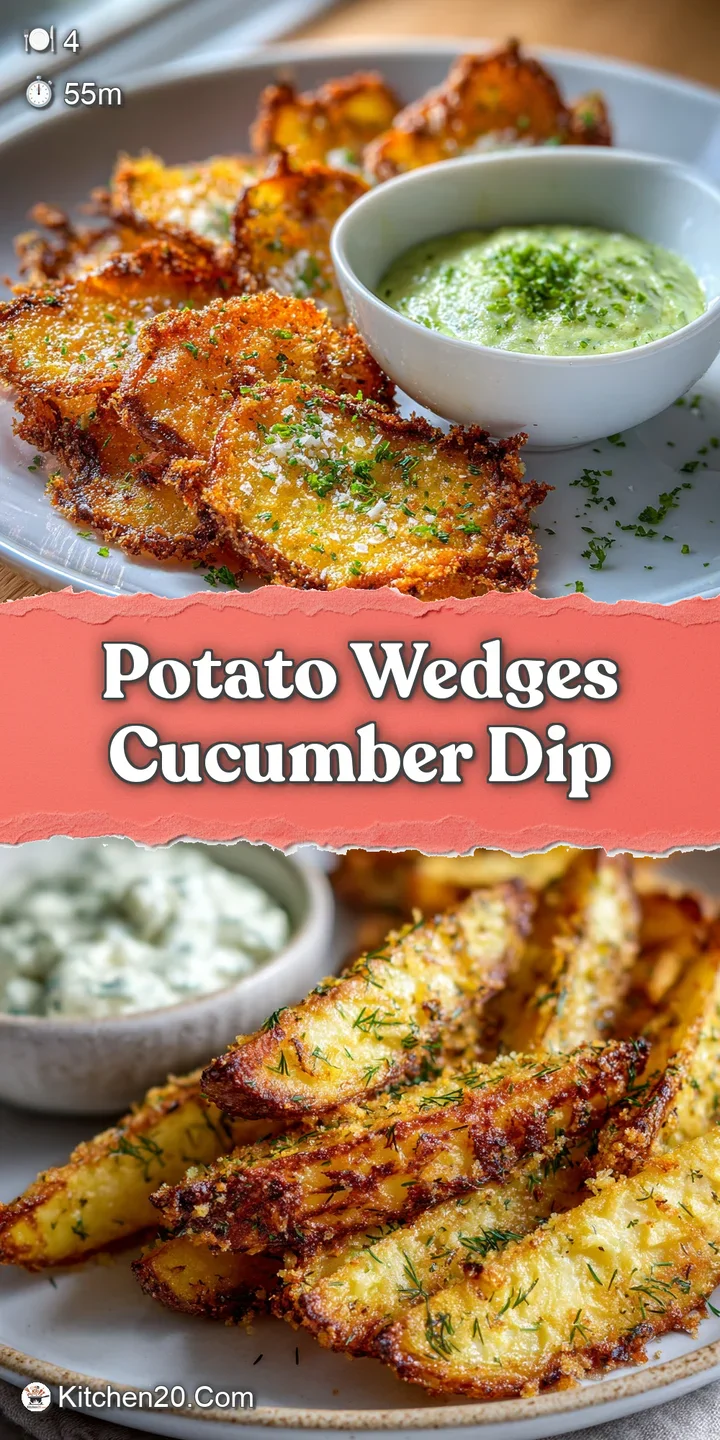
You should expect a shatter crisp shell that gives way to a fluffy, cloud like interior. When you pair that with a cold, garlicky Gurkendip, you create a thermal and textural interface that is honestly hard to stop eating.
We're going to use a few specific techniques, like a polenta "dusting" and a precision cucumber draining method, to ensure your results are consistent every single time. Trust me, once you see how these two components connect, you’ll never go back to basic fries again.
Physics of the Golden Crunch
Mechanical Friction: Adding polenta creates microscopic jagged edges on the potato surface, increasing the total surface area available for crisping.
Starch Gelatinization: High heat combined with olive oil causes the surface starches to swell and then dehydrate, forming a rigid, glass like structure that we perceive as a "shatter."
Osmotic Dehydration: Salting the cucumber before mixing it into the quark draws out excess water, preventing the dip from becoming a watery soup and ensuring a velvety mouthfeel.
| Metric | Simple Plating | Polished Plating | Restaurant Standard |
|---|---|---|---|
| Arrangement | Casual pile in a bowl | Overlapping shingle fan | Vertical "Jenga" stack |
| Dip Vessel | Side ramekin | Central bowl on platter | Piped dots or "swoosh" |
| Garnish | Pinch of salt | Fresh dill sprigs | Micro greens and oil drizzle |
Essential Performance and Time Metrics
To achieve a consistent output, we need to treat our kitchen like a laboratory for flavor. While a basic roast might get you halfway there, these precision checkpoints ensure your Potato Wedges Cucumber Dip hits the mark every time.
We are focusing on heat transfer and moisture management to keep our "hardware" (the potatoes) and "software" (the dip) in perfect sync.
| Processing Method | Time Efficiency | Texture Result | Best Application |
|---|---|---|---|
| Oven Roasting | 35 minutes | Shatter crisp skin | Standard high volume batch |
| Air Frying | 22 minutes | Uniformly dry crunch | Small servings for two |
| Par boiling First | 45 minutes | Extra fluffy interior | Premium weekend dinners |
If you want an even deeper umami profile, consider looking at a Roasted Fingerling Potatoes recipe for inspiration on sauce variations. The key to this specific dish, however, is the contrast between the hot, spiced wedge and the cold, acidic dip. We're looking for a 1.5 cm thickness on the wedges any thinner and they'll burn; any thicker and they won't dehydrate enough to stay crispy once they hit the air.
Component Analysis and Ingredient Science
The selection of your potatoes is the most critical decision in this recipe's architecture. We are using 1 kg of waxy or all purpose potatoes because they hold their structural integrity under high heat.
Unlike starchy russets which might fall apart, these varieties create a firm, satisfying bite that supports the heavy Gurkendip.
| Component | Science Role | Pro Secret |
|---|---|---|
| Polenta | Textural Catalyst | Use fine grind for a subtle grit that holds onto spices. |
| Magerquark | Protein Base | Provides a thick, lean structure that doesn't split when acidic vinegar is added. |
| Smoked Paprika | Flavor Networking | Adds a "charred" aroma even without an open flame. |
| English Cucumber | Hydration/Freshness | High water content provides the essential cooling counterpoint to the salt. |
For the Kartoffelspalten
- 1 kg Waxy or All purpose potatoes Why this? Maintains structural integrity and prevents a "mushy" interior during over high heat roasting.
- Substitute: Yukon Gold (adds a buttery flavor profile).
- 3 tbsp Extra virgin olive oil Why this? High smoke point and adds a fruity fat layer.
- Substitute: Avocado oil for even higher heat stability.
- 1 tsp Smoked paprika Why this? Mimics wood fired flavors.
- Substitute: Chipotle powder for a spicy, smoky kick.
- 1 tsp Garlic powder Why this? Coats more evenly than fresh garlic without burning.
- Substitute: Onion powder.
- 1 tsp Sea salt Why this? Large crystals provide focused bursts of salinity.
- Substitute: Kosher salt.
- 0.5 tsp Freshly cracked black pepper Why this? Adds essential piquant notes.
- 1 tsp Polenta Why this? The "secret" for a gritty, shatter crisp exterior.
- Substitute: Cornmeal or semolina flour.
For the Gurkendip (Cucumber Dip)
- 1 large English Cucumber Why this? Thin skin and fewer seeds mean less bitterness.
- Substitute: Persian cucumbers (use 3-4).
- 250g Magerquark or Thick Greek Yogurt Why this? High protein/low-fat creates a sturdy structure.
- Substitute: Skyr for a tangier, thicker dip.
- 100g Sour cream or Schmand Why this? Adds the necessary fat for a velvety mouthfeel.
- Substitute: Crème fraîche.
- 1 clove Garlic, finely minced Why this? Raw garlic punch is essential for the Gurkendip profile.
- 1 tbsp Fresh dill, chopped Why this? Classic herbal pairing for cucumber.
- Substitute: Fresh mint for a Mediterranean twist.
- 1 tsp White wine vinegar Why this? Cuts through the richness of the dairy.
- Substitute: Lemon juice.
Required Hardware for Precision Results
You don't need a professional laboratory to make a great Cucumber Dip, but a few specific tools will upgrade your results from "good home cooking" to "restaurant quality." Most importantly, you need a high-quality baking sheet.
Avoid thin, flimsy pans that warp; they cause uneven heat distribution, leading to some wedges burning while others stay pale.
Chef Tip: Place your baking sheet in the oven while it preheats. When you toss the seasoned potatoes onto a screaming hot pan, the "searing" process starts instantly, preventing the potatoes from sticking and jumping start the crust formation.
For the dip, a box grater is standard, but the real secret weapon is a clean kitchen towel or cheesecloth. You'll use this to squeeze the life out of your grated cucumber. If you leave that moisture in, your dip will turn into a puddle within ten minutes.
We also recommend a large stainless steel bowl for tossing the potatoes this gives you enough space to shake them vigorously, which "beats up" the edges of the potatoes, creating a starchy slurry that roasts into a beautiful crust.
Executing the Potato Roasting Algorithm
1. Preparation Phase
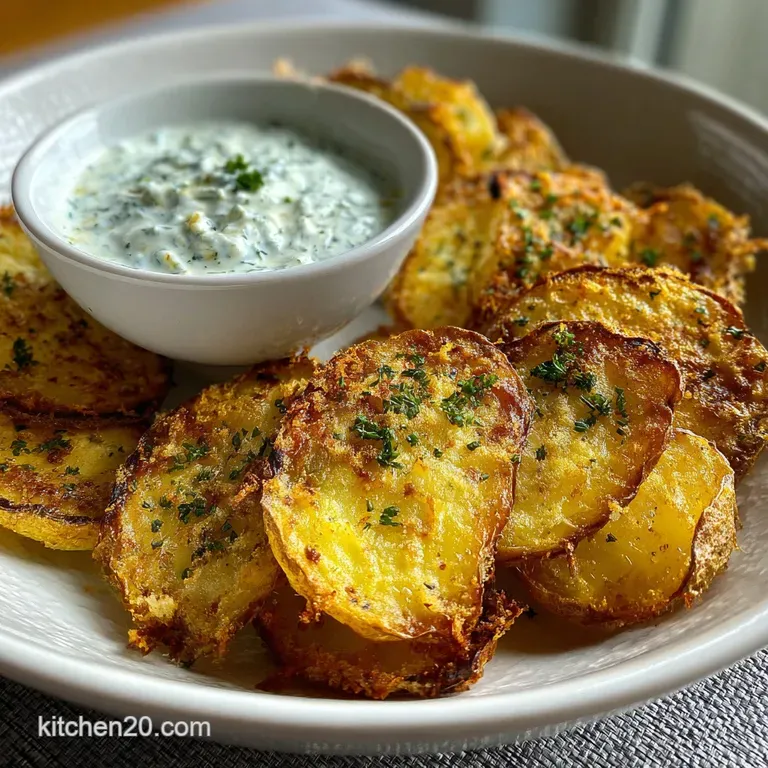
Preheat your oven to 220°C (425°F). Scrub the 1 kg of potatoes thoroughly, but leave the skins on; they add vital texture and nutrients to the Wedges Cucumber Dip experience. Cut each potato into uniform 1.5 cm wedges to ensure they all cook at the same rate.
2. The Starch Slurry
Place the wedges in a large bowl. Add the 3 tbsp olive oil, 1 tsp smoked paprika, 1 tsp garlic powder, 1 tsp sea salt, 0.5 tsp pepper, and the 1 tsp polenta. Cover the bowl with a lid or a large plate and shake vigorously for 30 seconds.
Note: This roughs up the edges of the potatoes, creating a "mash" that fries in the oil to create extra crunch.
3. Precision Roasting
Spread the wedges onto the preheated baking sheet in a single layer. Make sure they aren't touching! Cook for 35 minutes, flipping them halfway through, until they are deep golden and the edges look visibly dry and brittle.
4. Cucumber Processing
While the potatoes roast, grate the English cucumber using the coarse side of a box grater. Sprinkle with a pinch of salt and let it sit in a colander for 10 minutes. Note: This draws out the water through osmosis, which is the most common failure point in this recipe.
5. Liquid Extraction
Place the grated cucumber in a clean kitchen towel and twist it tightly over the sink. Squeeze until no more liquid comes out. You will be surprised by how much water is removed this is the secret to a velvety dip.
6. Dip Assembly
In a medium bowl, whisk together the 250g Magerquark, 100g sour cream, minced garlic clove, 1 tbsp chopped dill, and 1 tsp white wine vinegar. Fold in the squeezed cucumber until fully integrated.
7. Temperature Adjustment
Taste the dip and add a pinch of salt or pepper if needed. Place the dip in the refrigerator for at least 15 minutes while the potatoes finish roasting. Note: Serving the dip chilled against the hot potatoes is crucial for the sensory experience.
8. Final Interface
Once the potatoes are done, let them rest on the pan for 2 minutes. This allows the internal steam to redistribute slightly, making them easier to remove without breaking the crust. Serve immediately alongside the chilled Gurkendip.
Debugging Flavor and Texture Errors
Even with the best instructions, the "system" can sometimes fail. Usually, it's a matter of moisture management or heat fluctuations. If your potatoes aren't as crunchy as you'd like, check your oven temperature most home ovens run 10-15 degrees cool. You might also be overcrowding the pan.
When potatoes are too close, they steam each other rather than roasting, leading to a limp, sad texture.
To Fix Soggy Wedges
If your wedges come out soft, don't panic. You can often save them by cranking the oven to 240°C (460°F) for an additional 5 minutes. This "flash heat" method can sometimes crisp up the exterior, though it's a risky maneuver that requires constant monitoring to prevent burning. For more tips on oven calibration, check out my How to Cook recipe which goes into detail about heat zones.
To Prevent a Watery Dip
If you forgot to squeeze the cucumber and your dip looks thin, you can "thicken" the interface by whisking in an extra tablespoon of quark or Greek yogurt. Alternatively, you can serve it in a deeper bowl so the liquid doesn't spread out, but next time, remember that the "towel squeeze" is a non negotiable step in the processing algorithm.
| Problem | Root Cause | Solution |
|---|---|---|
| Pale Wedges | Oven temperature too low | Increase heat to 220°C and use a dark baking sheet. |
| Bland Dip | Not enough acidity | Add a half teaspoon of lemon juice or extra vinegar. |
| Potatoes Sticking | Pan wasn't preheated | Always heat the baking sheet before adding the oil and potatoes. |
Common Mistakes Checklist:
- ✓ Pat the potato wedges dry with a paper towel after cutting but before oiling (prevents steaming).
- ✓ Ensure the oven is fully preheated for at least 15 minutes before the tray goes in.
- ✓ Use a "waxy" potato variety to prevent the wedges from disintegrating when flipped.
- ✓ Don't skip the polenta it is the primary mechanical agent for that specific crunch.
- ✓ Mince the garlic for the dip into a paste rather than chunks for better distribution.
Expanding the Recipe Architecture
One of the best things about the Potato Wedges Cucumber Dip is how easily it can be modified for different community needs. For a "Gefächerte Kartoffeln" (Hasselback) style, you can make thin slices 75% of the way through the potato instead of cutting them into wedges.
This creates even more surface area for the oil and spices to penetrate, resulting in a "fan" of crispy potato layers.
For a Vegan Feast
To make this dish completely plant based, swap the Magerquark and sour cream for a thick soy based yogurt or a cashew based cream. Since vegan yogurts can sometimes be thinner, I recommend adding a teaspoon of tahini to the dip.
It adds a nutty depth and helps emulsify the mixture into a more stable platform for dipping.
Flavor Iterations
If you want to move away from the traditional smoked paprika profile, try a "Mediterranean" version. Swap the paprika for dried oregano and lemon zest. In the dip, use feta cheese crumbles instead of sour cream. It’s a completely different flavor interface that still utilizes the same core roasting technology.
Managing Leftovers and Waste
Storage for fried or roasted potatoes is notoriously difficult because starch retrogradation and moisture absorption happen quickly once they cool. However, you can maintain about 80% of the original texture quality if you follow a specific reheating protocol.
Never use the microwave; it will turn your crispy wedges into rubbery sponges.
- Fridge Storage: Store the dip and wedges in separate airtight containers. The dip stays fresh for 3 days. The wedges are best used within 48 hours.
- Reheating: Place the cold wedges on a wire rack over a baking sheet. Bake at 200°C (400°F) for 8-10 minutes. The wire rack allows hot air to circulate under the wedge, re crisping the bottom without flipping.
- Zero Waste Tip: Don't throw away the cucumber peels or the liquid you squeezed out! The liquid is packed with nutrients and makes a refreshing base for a morning smoothie or a cocktail. The peels can be finely chopped and added to a Creamy Potato Salad recipe for extra crunch and color.
Strategic Side Dish Connections
While these wedges are a powerhouse on their own, they truly shine when connected to other components of a meal platform. I love serving these alongside grilled halloumi or a simple lemon herb chicken. The cooling nature of the Gurkendip makes it the perfect partner for anything with a bit of "char" or spice.
Chef Tip: If you're hosting a larger gathering, create a "Dip Station." Offer the standard Cucumber Dip alongside a spicy harissa mayo or a truffle aioli. This allows your guests to customize their flavor experience while the potatoes remain the consistent, crispy foundation.
Debunking Cooking Myths
Myth: Soaking potatoes in water is mandatory for crispiness. While soaking removes surface starch, it also adds moisture. If you don't dry them perfectly afterward, they will steam. For wedges, I find the "roughing up" technique with polenta is more effective than a long soak.
Myth: You need a deep fryer for restaurant style wedges. Untrue. Modern convection ovens can achieve the same results with 90% less oil. The secret isn't the amount of fat, but the temperature of the air and the "dusting" of the surface to create texture.
Myth: Full fat quark is better for dipping. Actually, Magerquark (low-fat) has a higher protein content, which provides a stiffer structure. This allows the dip to "grip" the wedge better. We add the sour cream back in for the fat, giving us the best of both worlds: stability and flavor.
Recipe FAQs
Can I substitute the Magerquark in the dip with regular plain yogurt?
No, this will result in a watery dip. Magerquark is much higher in protein, providing a necessary thick, stable base; standard yogurt will not hold its structure when combined with the cucumber.
How do I ensure my potato wedges achieve that "shatter crisp" exterior?
Toss the wedges vigorously with the polenta and oil. This mechanical action roughens the surface starch, and the polenta acts as a catalyst to create a gritty, rigid crust during high heat roasting.
What is the primary purpose of preheating the baking sheet before adding the seasoned potatoes?
It initiates immediate searing upon contact. Placing the oiled potatoes onto a screaming hot surface jumps starts the dehydration process, preventing the wedges from sticking and promoting the Maillard reaction needed for a deep color.
How far in advance can I prepare the cucumber dip for the best flavor integration?
Prepare the dip up to 24 hours ahead of time. Allowing it to chill overnight lets the garlic and dill flavors fully integrate into the dairy base, creating a more complex, cohesive flavor profile.
If my oven doesn't get hot enough, what technique can I use to salvage pale wedges?
Use a finishing flash heat maneuver on a higher temperature setting. Crank the oven to 240°C (460°F) and roast for a final 5 minutes, but you must watch constantly to prevent the spices from burning.
Is it true that microwaving leftover wedges will give them a better texture than reheating in the oven?
No, microwaving is guaranteed to ruin the texture. Microwaves reintroduce moisture, turning the crispy shell into a soggy mess; instead, use a wire rack over a baking sheet at 200°C for 10 minutes to re-crisp them.
If I want a spicy version, what should I substitute for the smoked paprika?
Substitute smoked paprika with chipotle powder. This switch maintains the dark, smoky background note while adding a pronounced, lingering heat that contrasts nicely with the cool dip.
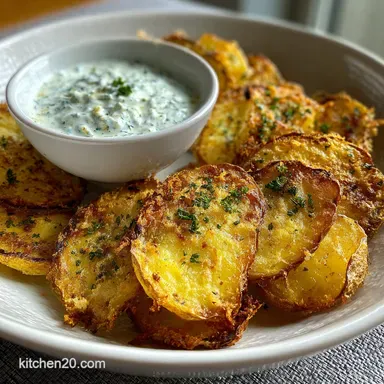
Potato Wedges Cucumber Dip
Ingredients:
Instructions:
Nutrition Facts:
| Calories | 398 kcal |
|---|---|
| Protein | 12.3 g |
| Fat | 16.8 g |
| Carbs | 51.8 g |
| Fiber | 6.2 g |
| Sugar | 4.4 g |
| Sodium | 645 mg |
