Corn Pudding: Proper Creamy Baked Recipe (Sunday Roast Staple)
- Proper Creamy Baked Corn Pudding: The Ultimate Sunday Side Dish
- The Science of Texture: Why This Corn Pudding is Unbeatable
- Essential Ingredients for the Perfect Baked Corn Pudding
- How to Master This Easy, Creamy Corn Pudding Recipe
- Expert Tips for Flawless Corn Pudding Results
- Make-Ahead, Freezing, and Storing Baked Corn Pudding
- The Best Pairings for Your Creamy Pudding
- Recipe FAQs
- 📝 Recipe Card
Proper Creamy Baked Corn Pudding: The Ultimate Sunday Side Dish
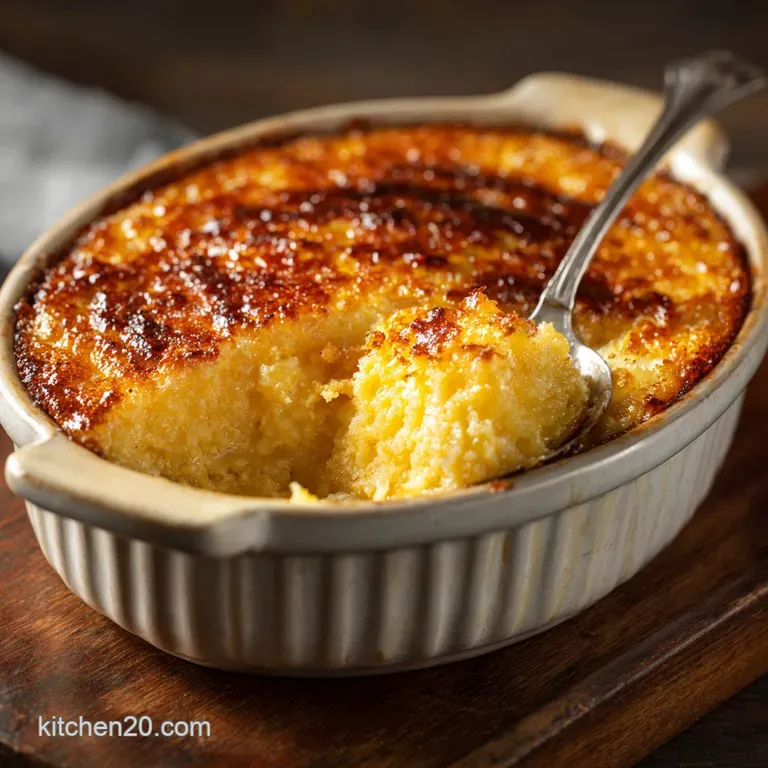
When this homemade corn pudding comes out of the oven, the smell alone could genuinely solve world peace. Seriously, I’m not exaggerating even a little bit. It’s that perfect blend of sweet corn, rich baked butter, and just a hint of vanilla like warmth, all wrapped up in a creamy, golden crust.
The texture inside is the real kicker: think perfectly set, unbelievably smooth custard, studded throughout with sweet, juicy kernels.
Look, we all desperately need those reliable side dishes that aren't fussy or demanding, especially when cooking for a crowd. This easy corn pudding recipe is my ultimate weeknight hero and my secret weapon for the holidays, requiring only about 15 minutes of actual active stirring time.
It’s incredibly cheap, shockingly impressive, and I promise you, it will always disappear faster than anything else on the table.
I know some recipes end up weirdly dry, crumbly, and tasting vaguely like dry cornbread (trust me, I’ve made that regrettable mistake a dozen times back in the day). This specific dump and stir method guarantees a ridiculously creamy baked corn pudding interior every single time, and we manage it without relying on a boxed Jiffy mix.
Let's dive into the simple techniques required to nail this old-fashioned classic.
The Science of Texture: Why This Corn Pudding is Unbeatable
What Defines a "Proper" Corn Pudding?
A proper corn pudding is basically a creamy, savory sweet custard baked with corn. The primary difference between this and a standard Corn Casserole Recipe: The Ultimate Creamy Jiffy Side Dish is the binding agent. We use a combination of eggs and a little flour here, resulting in a dish that slices cleanly but still maintains a meltingly creamy interior. This structure is essential for avoiding a mushy texture.
Quick Overview of the "Dump and Stir" Method
This recipe is truly effortless; you’re just combining your wet ingredients, whisking in the flour, and folding in the corn. The key is to manage the temperature, ensuring we don't end up with scrambled eggs inside a corn dish.
We are stirring, not whipping, which keeps air incorporation minimal and the final texture dense and luxurious.
Why We Avoid a Dry, Crumbly Result
The secret to avoiding that dreaded dryness is twofold: the fat content and the structure. We use full fat milk and melted butter for richness, naturally. Then, the real hero is creamed corn; this product provides instant binding and incredible moisture without adding a single extra cup of liquid.
The final product is fudgy, not crumbly.
The Power Duo: Whole Kernels vs. Creamed Corn
You absolutely must use both types of corn for the perfect texture contrast. The creamed corn is the binder and the luxurious, wet base that melts in your mouth. Conversely, the whole corn kernels (fresh or thawed frozen) give the dish that necessary pop and satisfying chew.
If you only use creamed corn, it becomes too uniformly soft.
Achieving That Perfect Golden Brown Crust
This comes down to temperature management and the sugar content, surprisingly enough. We use a standard ceramic or glass baking dish, which helps cook the edges evenly and ensures great color.
Reducing the oven temp slightly mid-bake (from 375°F to 350°F) prevents the custard from curdling before the top has a chance to turn beautifully golden brown.
Temperature Control: Preventing a Curdled Custard
Chef's Note: Always make sure your eggs and milk are at room temperature. If you pour cold eggs directly into hot melted butter, you risk the butter seizing up, or worse, starting to cook the eggs before they hit the oven. This quick temperature change is a major culprit for a grainy or curdled final texture.
Essential Ingredients for the Perfect Baked Corn Pudding
This list is simple, but quality really matters when you have so few components. We are making an old fashioned corn pudding recipe, so let’s stick to the basics that Grandma would approve of.
Selecting Your Corn: Fresh, Frozen, or Canned?
Honestly, all three are perfectly fine for this application, which is great for flexibility. Fresh sweetcorn cut right off the cob delivers the best flavor, hands down. However, high-quality frozen corn, thawed completely, is a fantastic substitute.
Always use a good brand of canned creamed corn; don't try to skimp here, as it's the texture backbone of the dish.
Dairy Decisions: Milk, Cream, or Half and Half?
Full fat whole milk is my go-to standard for the best flavor and richness. If you want something truly decadent, maybe for a holiday like Thanksgiving, swap out a quarter cup of the milk for heavy cream.
If you need a quick dairy swap, you can use unsweetened oat milk, but understand the final structure will be slightly softer and less rich.
Binding Agents: Eggs and Flavorful Seasonings
We use three large eggs, which is enough to set the custard firmly without making it rubbery. We are also adding a tiny bit of all-purpose flour, which acts as a stabilizer. For seasonings, a good pinch of salt and a healthy grind of black pepper are vital don't forget the pepper, as it balances the sweetness beautifully.
Simple Swaps and Flavor Variations (Sweetness/Spice)
Need to adjust this homemade corn pudding? Here are my reliable go-tos:
| Ingredient | Standard Amount | Viable Substitute |
|---|---|---|
| Whole Milk | 1 cup | 1 cup Unsweetened Oat Milk OR 3/4 cup milk + 1/4 cup heavy cream |
| All-Purpose Flour | 2 Tbsp | 1/4 cup Fine Cornmeal (Polenta) for GF |
| Granulated Sugar | 2 Tbsp | 1 Tbsp (if making it strictly savory) or 1 Tbsp Maple Syrup |
| Unsalted Butter | 1/4 cup | 1/4 cup quality neutral oil (like grapeseed) |
If you want to try something fully savoury, check out my recipe for Savory Corn Pudding Recipe: The Ultimate Creamy Cheddar Showstopper — it swaps most of the sugar for cheese and herbs.
How to Master This Easy, Creamy Corn Pudding Recipe
Step 1: Preparing the Wet and Dry Bases
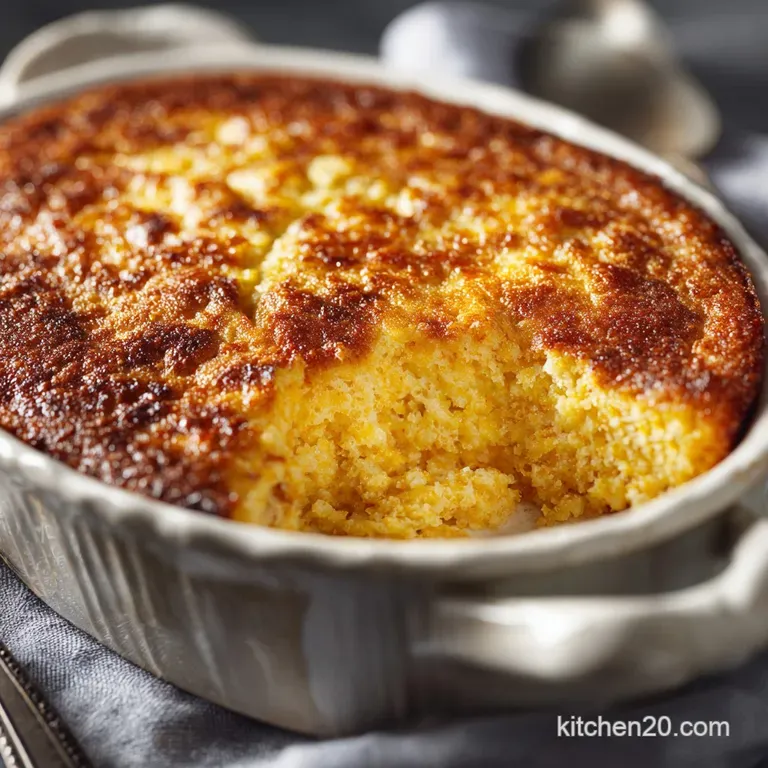
First, preheat your oven to 375°F (190°C) and grab your 8x8 baking dish, buttering it generously. In a medium bowl, whisk together the melted butter, the slightly beaten eggs, whole milk, sugar, salt, and pepper until everything is beautifully combined and slightly frothy. This adds a little needed airiness.
Step 2: Combining, Resting, and Pouring into the Baking Dish
Sprinkle the 2 tablespoons of flour directly over the liquid base. Whisk vigorously for about 30 seconds until you see zero lumps; the mixture should look smooth, even though it's thin. Now, fold in both the creamed corn and the whole corn kernels.
Mix quickly, just until they are evenly distributed, and pour the batter into your prepared dish.
Step 3: Precise Baking Temperatures and Timing
Bake for 30 minutes at 375°F. At this point, the edges should be clearly setting, but the centre will still look very wobbly and raw. Reduce the temperature immediately to 350°F (175°C) and continue baking for another 15 to 20 minutes.
Total cook time should be around 45 to 55 minutes, depending on your oven.
Expert Tips for Flawless Corn Pudding Results
The Toothpick Test: Knowing When It’s Truly Done
Don't use a toothpick in the center like a cake! That will leave a huge hole, and it can be misleading. Insert a clean knife or toothpick about one inch from the edge of the dish. If it comes out clean, the edges are set.
The dead center should still have a noticeable jiggle ; if it's completely firm, you've overbaked it, guaranteed.
Preventing the Dreaded Watery or Soggy Center
This is usually a result of underbaking or resting it incorrectly. Make sure you allow the pudding to rest for at least 10 minutes out of the oven before serving. That residual heat is essential for carrying the cooking process through and ensuring the center firms up properly.
Troubleshooting: Why Your Pudding is Too Crumbly
If your Grandmas Corn Pudding Recipe comes out tasting dry and crumbly, you have overbaked it. It is that simple. Next time, pull it out when the center still looks slightly soft, remembering the jiggle test. Using full fat dairy also helps prevent a dry texture.
make-ahead, Freezing, and Storing Baked Corn Pudding
Chilling the Batter vs. Baking Ahead
You can absolutely prepare the batter fully, pour it into the baking dish, cover it tightly, and chill it for up to 24 hours before baking. Just let it sit on the counter for 30 minutes before baking to take the chill off.
If you bake it ahead, it loses a little of that creamy magic, but it’s still delicious.
Reheating Baked Corn Pudding for Optimum Creaminess
If you’ve baked the dish fully, cover it with foil and reheat it gently in a 300°F (150°C) oven until warmed through (about 20 minutes). If you try to microwave the entire dish, the edges will dry out quickly.
This gentle reheating method helps keep that incredibly creamy texture intact.
Freezing Baked vs. Unbaked Portions
But does it freeze well? You bet it does. You can bake it fully, let it cool completely, and then wrap it tightly in foil and plastic wrap. It keeps well for up to three months. Thaw it overnight in the fridge and reheat as described above. I tend to make this in big batches, just like I do with my Jiffy Corn Casserole Recipe: Ultra Creamy Easy Corn Pudding Bake .
The Best Pairings for Your Creamy Pudding
This creamy baked corn pudding is the perfect sidekick to almost any main course, sweet or savory. It is rich enough to stand up to heavy hitters but light enough not to overwhelm the plate.
I love serving it alongside simple roast pork or a classic smoked ham. If you’re planning a holiday menu, this dish is non-negotiable and pairs beautifully with a traditional Southern Thanksgiving Menu: Classic Sage Pecan Cornbread Dressing Recipe . For summer, serve it room temperature alongside ribs or barbecue pulled chicken.
Recipe FAQs
Why did my corn pudding turn out dry or crumbly instead of creamy?
Dryness usually results from overbaking, which causes the custard to separate and weep liquid, leaving behind a rubbery or crumbly texture. Ensure you check for doneness by inserting a knife near the center it should come out mostly clean, but the pudding should still have a slight jiggle in the middle.
Baking in a water bath (bain marie) can also help regulate the temperature and prevent edges from overcooking.
My pudding is still runny in the center after the recommended baking time. What should I do?
The cooking time can vary significantly based on your oven calibration and the material of your baking dish. If the center is still unset, continue baking the pudding in 5 to 7-minute increments, checking frequently to prevent overcooking the edges.
For assurance, the pudding is safely set when the internal temperature reaches 180°F (82°C).
What savory additions can I include to enhance the flavor of this pudding?
To give the pudding a savory edge, you can incorporate 1/2 cup of shredded sharp cheddar or Parmesan cheese into the batter before baking. Alternatively, stirring in 1/4 cup of finely chopped pickled jalapeños or cooked, crumbled bacon adds a delicious heat and smokiness.
For the best flavor, make sure any additions are mixed evenly through the batter.
Can I make this corn pudding dairy-free or vegan?
Yes, you can substitute the whole milk and heavy cream with full fat coconut milk or a high-quality plant based creamer like cashew or oat milk. To achieve the necessary set without eggs, you will need to use a commercial egg replacer or substitute with a mixture of flaxseed meal and water (flax egg), understanding the final texture may be slightly denser.
I only have fresh corn. Can I omit the creamed corn completely?
Creamed corn is crucial to this recipe as it provides essential binding moisture and that signature creamy mouthfeel. If you absolutely must omit it, you should puree about 1.5 cups of your fresh or thawed frozen corn kernels with a tablespoon of heavy cream.
Additionally, increase the amount of binder (like flour or cornstarch) by one teaspoon to help stabilize the custard.
How should I store leftovers, and what is the best way to reheat corn pudding?
Leftovers should be cooled completely, covered tightly, and stored in the refrigerator for up to 3 days. To reheat, the best method is to cover the portion loosely with foil and warm it slowly in a 300°F (150°C) oven until it is heated through.
Avoid using a microwave if possible, as it tends to dry out the edges of the pudding quickly.
Can I freeze corn pudding for later use?
Freezing is not generally recommended for baked custards like corn pudding because the dairy and egg emulsion tends to break upon thawing. This separation results in a watery or grainy texture once reheated.
If you choose to freeze, ensure it is wrapped airtight and thawed very slowly overnight in the refrigerator to minimize textural degradation.
Proper Creamy Baked Corn Pudding Recipe
Ingredients:
Instructions:
Nutrition Facts:
| Calories | 300 kcal |
|---|---|
| Fat | 14 g |
| Fiber | 3 g |
