Quick Easy Lasagna: Streamlined Comfort
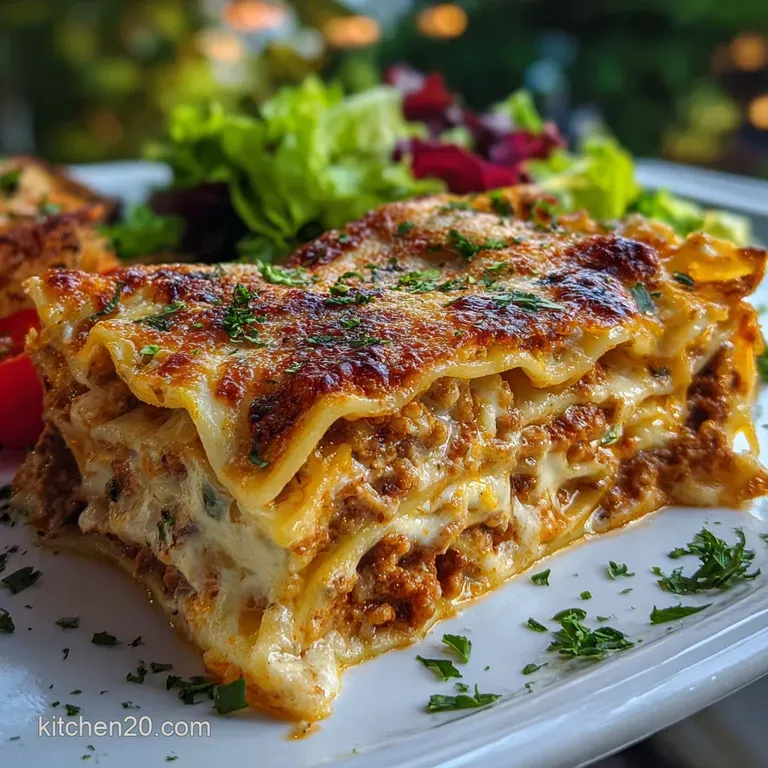
- Time: Active 20 minutes, Passive 45 minutes, Total 1 hours 5 mins
- Flavor/Texture Hook: Savory, beefy base with a velvety, nutmeg spiced cheese finish.
- Perfect for: Busy weeknights where you need a high protein, connective family meal.
- Creating Connection Through My Quick Easy Lasagna Recipe
- The Physics Behind the Perfect No Boil Pasta Texture
- Vital Metrics for Your Seamless Lasagna Experience
- Analyzing the Core Components of This Meat Rich Bake
- Essential Platforms for Assembling Your Weeknight Masterpiece
- Executing the Layered Architecture for Maximum Flavor Saturation
- Bypassing Common Pitfalls for a Velvety Cheese Finish
- Customizing the Flavor Profiles to Suit Your Local Community
- Maintaining Structural Integrity During Storage and Reheating
- Curating the Ideal Garden Pairings for a Balanced Plate
- High in Sodium
- Recipe FAQs
- 📝 Recipe Card
Creating Connection Through My Quick Easy Lasagna Recipe
The sizzle of lean ground beef hitting a hot pan with extra virgin olive oil is the soundtrack to my favorite Tuesday nights. I remember the first time I tried to make a lasagna on a whim after a long day at work.
I was craving that specific comfort, but the thought of boiling huge pots of water and fishing out slippery, hot noodles felt like a hurdle I couldn't clear. I felt disconnected from the joy of cooking because the process was so cumbersome.
That’s when I started revolutionizing my approach, treating the recipe like a platform for efficiency rather than a rigid set of rules.
We’ve all been there staring at a box of pasta and a jar of sauce, wishing they would just assemble themselves into something spectacular. This Quick Easy Lasagna is the result of years of trial and error in my own kitchen.
I’ve made the mistake of using too much sauce (soupy mess) and too little (crunchy noodle disaster). Now, I’ve found the perfect balance that ensures every bite is structural yet tender.
It’s about connecting the convenience of modern ingredients with the soulful results we usually associate with hours of labor.
This isn't just a meal; it's a way to bring everyone to the table without the chef being stuck at the stove for three hours. We’re using a lean 93/7 beef to keep things light but savory, and adding a hint of nutmeg to the ricotta to provide that "something special" that people can't quite put their finger on.
Trust me, once you see how the mozzarella bubbles and browns into those beautiful golden patches, you’ll never look at a frozen box lasagna again.
The Physics Behind the Perfect No Boil Pasta Texture
Steam Hydration Mechanism: The no boil noodles absorb the water based moisture from the marinara sauce as it heats, effectively cooking the pasta in place while concentrating the flavors. This creates a denser, more structural bite than pre boiled noodles which often become oversaturated and slippery.
| Feature | Fast Method (This Recipe) | Classic Method |
|---|---|---|
| Pasta Prep | Direct from box | 10 min boil + drying |
| Active Labor | 20 minutes | 60+ minutes |
| Structural Integrity | High (clean slices) | Variable (often slips) |
By focusing on the moisture balance, we are revolutionizing the way we think about pasta. In a standard Traditional Lasagna Recipe, you might spend half an hour just managing the noodles. Here, we use that time to connect with our family or simply enjoy a glass of wine while the oven does the heavy lifting. The lean beef ensures we aren't dealing with a pool of grease, which is a common failure point when people try to rush a lasagna.
Vital Metrics for Your Seamless Lasagna Experience
Before we start the assembly platform, let's look at the specific checkpoints that guarantee a successful outcome. Precision is the key to consistency, especially when we are looking for a quick turnaround.
- Meat Doneness: Ensure the 1 lb of ground beef reaches a safe 165°F during the browning stage to ensure all fats are rendered and the protein is fully set.
- Oven Calibration: Preheat your oven to a steady 400°F; this high heat is necessary to trigger the Maillard reaction on the cheese while the sauce provides the steam for the noodles.
- Resting Period: You must let the lasagna sit for exactly 10 minutes after it leaves the oven. This allows the protein structures in the cheese and the starches in the pasta to "set," preventing the layers from sliding apart when you cut into them.
If you want a shatter crisp top layer, you can even switch to the broil setting for the final 2 minutes of the bake. However, if you prefer a more velvety, stretchy cheese experience, stick to the standard bake time and keep the foil on for the first 30 minutes to trap the moisture.
Analyzing the Core Components of This Meat Rich Bake
| Ingredient | Science Role | Pro Secret |
|---|---|---|
| No Boil Noodles | Starch Platform | Don't overlap them more than half an inch or they won't hydrate evenly. |
| Part Skim Ricotta | Moisture Buffer | Adding the egg creates a "custard" effect that prevents the cheese from weeping into the sauce. |
| Low Sugar Marinara | Hydration Agent | The acidity in the tomatoes helps break down the beef fibers, making them more tender. |
To make this recipe work, we need to be smart about our substitutions. Not every ingredient behaves the same way when subjected to high heat in a confined space. For example, if you were making The Homemade Lasagna recipe, you might use a heavy béchamel. Here, we use ricotta as a faster, high protein alternative that connects perfectly with the spinach.
Ingredients & Substitutes:
- 1 lb lean ground beef (93/7): You could swap this for ground turkey or chicken, but you may need an extra splash of olive oil for flavor. Why this? Keeps the dish hearty without excessive grease pooling at the bottom.
- 28 oz low sugar marinara sauce: Use a high-quality jarred sauce to save time. Why this? Controls the moisture and sweetness levels for a balanced profile.
- 15 oz part skim ricotta cheese: Cottage cheese is a great high protein swap if you pulse it in a blender first. Why this? Provides the creamy, structural "glue" for the middle layers.
- 1 cup fresh baby spinach: Finely chopped is best so it distributes evenly. Why this? Adds fiber and color without distracting from the velvety texture.
- 9 no boil lasagna noodles: Do not use standard noodles unless you boil them first. Why this? Revolutionizing the speed of assembly by skipping the boiling pot.
- 0.5 tsp ground nutmeg: Don't skip this; it's the secret to that authentic Italian taste.
Essential Platforms for Assembling Your Weeknight Masterpiece
To keep the process connected and smooth, gather your equipment before you begin. You’ll need a large skillet for browning the meat and a standard 9x13 inch baking dish. A glass dish is helpful because you can actually see the sauce bubbling through the sides, which is a great visual cue for doneness.
Chef's Tip: Freeze your block of mozzarella for 10 mins before grating it. This prevents the cheese from clumping and ensures those beautiful, individual strands that melt into a velvety blanket.
I also recommend using a high-quality garlic press. Minced garlic from a jar often has a metallic aftertaste that can ruin the delicate balance of the nutmeg and oregano. By using fresh cloves, you’re revolutionizing the flavor profile with very little extra effort.
Executing the Layered Architecture for Maximum Flavor Saturation
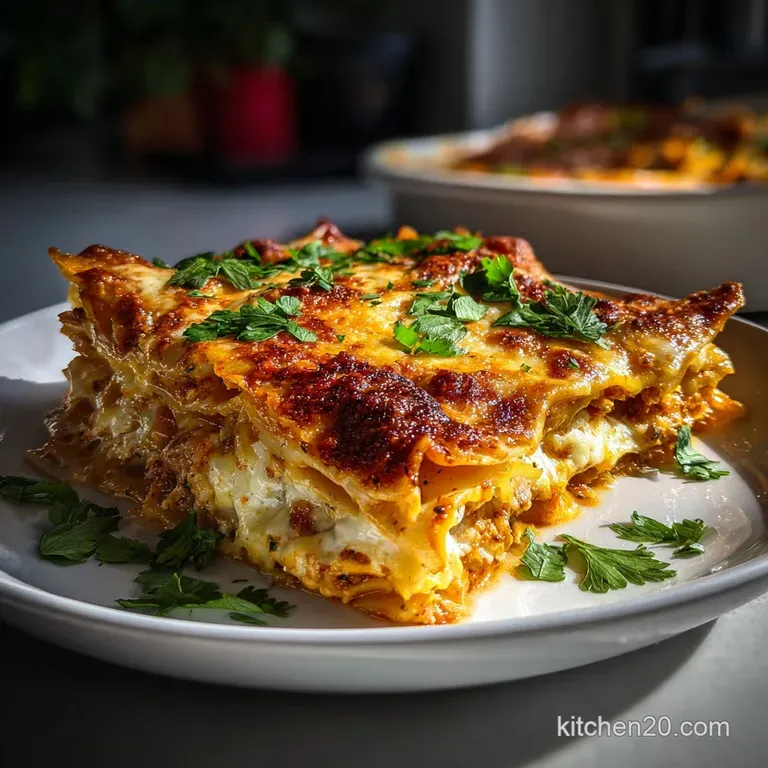
- Heat the base: Warm 1 tbsp extra virgin olive oil in your skillet over medium high heat until it shimmers.
- Brown the protein: Add the 1 lb ground beef and 1 small diced onion. Cook until the meat is browned and the onions are translucent.
- Aromatize the sauce: Stir in the 3 minced garlic cloves, 1 tsp dried oregano, and 0.5 tsp red pepper flakes. Cook for 1 minute until the scent of garlic fills the room.
- Simmer the meat: Pour in the 28 oz marinara sauce. Let it simmer for 5 minutes until slightly thickened. Note: This concentrates the flavors before they hit the oven.
- Mix the cheese: In a bowl, combine 15 oz ricotta, chopped spinach, 1 egg, 0.25 cup parmesan, and 0.5 tsp nutmeg. Mix until a thick, green speckled paste forms.
- Start the layers: Spread 1 cup of the meat sauce on the bottom of your 9x13 dish. Ensure the bottom is completely coated to prevent sticking.
- Place the pasta: Lay 3 no boil noodles over the sauce. Avoid overlapping them too much to ensure even cooking.
- Spread the ricotta: Dollop half of the ricotta mixture over the noodles and spread it gently. Top with a layer of meat sauce and mozzarella.
- Repeat and top: Repeat the layers, finishing with the final 3 noodles, the remaining sauce, and a generous 2 cup blanket of mozzarella.
- Bake to finish: Cover with foil and bake at 400°F for 30 minutes. Remove the foil and bake for another 15 minutes until the cheese is bubbly and starting to brown.
Bypassing Common Pitfalls for a Velvety Cheese Finish
One mistake I once made was taking the lasagna out and cutting it immediately. The result was a "lasagna soup" where the layers just slid into the center of the dish. I learned that the cooling period is actually a part of the cooking process.
The residual heat finishes the pasta hydration while the proteins in the cheese firm up.
Why Your Lasagna Is Soupy
If your dish has too much liquid, it usually comes from the vegetables or the beef not being drained. Even lean beef can release some moisture. Also, make sure you don't use more than the 28 oz of sauce called for in the recipe.
| Problem | Root Cause | Solution |
|---|---|---|
| Dry Noodles | Not enough sauce coverage | Ensure the top layer of noodles is completely submerged in sauce. |
| Greasy Surface | Beef wasn't lean enough | Use 93/7 meat or blot the browned meat with a paper towel before adding sauce. |
| Separated Layers | Cutting too soon | Let the dish rest for at least 10 minutes to allow the starches to set. |
Common Mistakes Checklist:
- ✓ Ensure the oven is fully preheated to 400°F before the dish goes in.
- ✓ Don't skip the egg in the ricotta; it's essential for structural connection.
- ✓ Check that your marinara is "low sugar" to prevent the sauce from caramelizing too fast and burning.
- ✓ Pat the spinach dry after chopping if you washed it, as extra water leads to sogginess.
- ✓ Spray the underside of your foil with non stick spray so it doesn't tear the cheese off when you remove it.
Customizing the Flavor Profiles to Suit Your Local Community
This platform is incredibly flexible. If you have a neighbor who doesn't eat beef, you can easily swap the protein. Or, if you’re looking to boost the nutrition further, you can integrate more greens.
Decision Shortcut: If you want a more "authentic" feel, swap the ricotta for a mix of ricotta and cottage cheese for a tangier profile. If you want a spicy kick, double the crushed red pepper flakes in the meat sauce.
If you want a vegetarian version, replace the beef with 1 lb of sautéed mushrooms and zucchini.
Scaling this recipe is also quite simple. If you are cooking for a larger community event, you can double the ingredients and use two separate 9x13 pans. I don't recommend using one giant deep dish pan, as the middle often stays cold while the edges burn.
If you scale down for two people, use an 8x8 pan and reduce the cook time by about 10 minutes.
Maintaining Structural Integrity During Storage and Reheating
Lasagna is one of those rare dishes that actually tastes better the next day. The flavors have more time to connect and the texture becomes even more cohesive. Revolutionizing your leftovers is all about the reheating method.
Storage: Keep leftovers in an airtight container in the fridge for up to 4 days. For longer storage, you can freeze individual slices. Wrap them tightly in plastic wrap and then foil to prevent freezer burn. They will stay fresh for up to 3 months.
Zero Waste Tip: If you have leftover ricotta or spinach, don't throw them away. Mix them with a little parmesan and use them as a stuffing for chicken breasts or spread it on toast the next morning for a high protein breakfast.
You can even take the leftover meat sauce and use it as a base for a quick Bolognese over penne later in the week.
Curating the Ideal Garden Pairings for a Balanced Plate
To finish this experience, we need to talk about color balance. A lasagna can look a bit monochromatic a sea of red and white. By using a specific garnish strategy, we can make the dish look as good as it tastes.
- 1. Emerald Green
- Add a handful of fresh basil chiffonade or chopped parsley immediately after the lasagna finishes its 10 minute rest.
- 2. Snow White
- Dot the top with small pearls of fresh mozzarella or a dusting of Pecorino Romano just before serving to add dimension.
- 3. Ruby Red
- Keep a half cup of the marinara sauce aside and swirl a fresh ribbon of it over the melted cheese for a visual pop.
Pair this Quick Easy Lasagna with a crisp, acidic green salad or some roasted broccoli. The bitterness of the greens cuts through the rich, velvety fat of the cheese, creating a perfectly balanced palate.
This connection between the heavy main and the light side is what keeps you coming back for a second slice without feeling overwhelmed. Enjoy the process of revolutionizing your weeknight routine with this connected, simple meal!
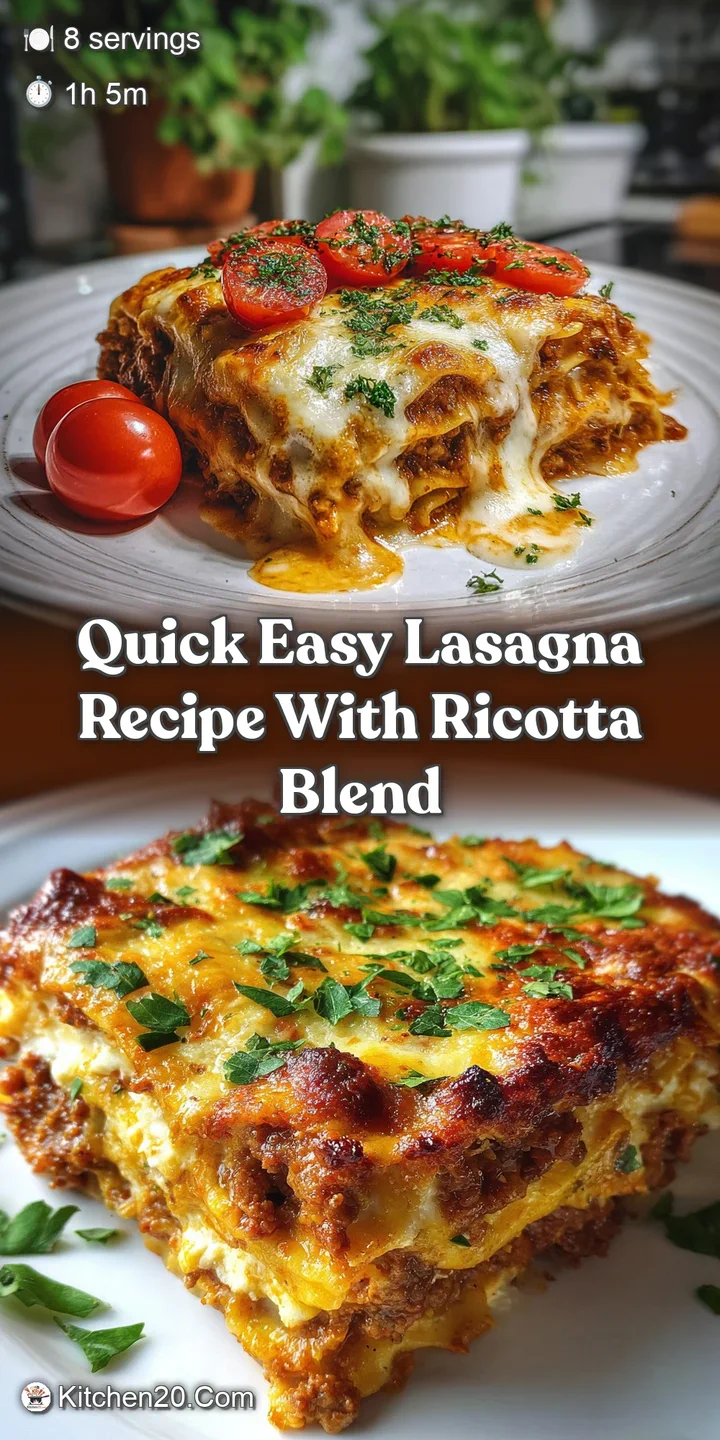
High in Sodium
850 mg mg of sodium per serving (37% % of daily value)
The American Heart Association recommends limiting sodium intake to no more than 2,300mg per day for most adults.
Tips to Reduce Sodium in Your Lasagna
-
Low-Sodium Marinara-20%
Choose a no-salt added or low-sodium marinara sauce. This simple swap can significantly decrease the overall sodium content.
-
Lower Sodium Cheeses-15%
Opt for low-sodium ricotta and mozzarella cheeses. Some brands offer reduced sodium options that maintain flavor while cutting down on sodium. Consider using a fresh mozzarella, soaking it in water to remove salt.
-
Rinse the Beef-10%
After browning the ground beef, rinse it thoroughly with hot water to remove excess fat and some of the sodium. Drain well before adding to the sauce.
-
Fresh Herbs
Enhance the flavor of your lasagna with fresh herbs like basil, parsley, or thyme. These add depth and complexity without increasing sodium. In addition, be sure to use fresh garlic instead of garlic salt.
Recipe FAQs
Can I use regular lasagna noodles instead of no boil?
Yes, but you must boil them first. Boil them until they are very al dente about 2 minutes shy of the package directions and drain them well. Remember that the sauce needs moisture to finish cooking the pasta in the oven.
How to ensure the no boil noodles cook evenly without being crunchy?
Ensure noodles are completely submerged in sauce layers. The moisture from the marinara is the sole cooking agent; if any part of the dry noodle touches air or dry cheese, it will remain hard. Mastering this steam hydration technique is key, much like controlling the moisture in our How to Make recipe for perfect dips.
What is the minimum required resting time after baking?
Rest for a minimum of 10 minutes. This resting period allows the starches in the pasta and the proteins in the cheese to firm up, setting the layers. Cutting immediately results in a soupy mess that collapses when served.
How to make this lasagna vegetarian?
Substitute the ground beef with 1 lb of finely chopped mushrooms and zucchini. Sauté the vegetables until all their released moisture has evaporated before mixing in the sauce. This keeps the flavor base rich without needing excessive oil.
Is it true that adding egg to the ricotta mixture ruins the texture?
No, adding egg is crucial for structural integrity. The egg acts as a binder, turning the cheese layer into a stable, sliceable custard rather than a runny, weeping layer once baked.
How can I add a sharper cheese flavor without more work?
Mix 1/4 cup of finely grated Pecorino Romano into the ricotta filling. This adds a salty, sharp complexity that complements the nutmeg beautifully. If you enjoy similar flavor layering, check out how we balance the fat and acid in our The Homemade Taco recipe base.
How do I reheat leftovers to avoid drying out the edges?
Reheat covered with foil at 350°F until warmed through. The foil traps steam, rehydrating the pasta slightly and preventing the edges from becoming brittle. For faster single serving reheating, microwave covered with a damp paper towel.
Quick Easy Lasagna In Under 1 Hour
Ingredients:
Instructions:
Nutrition Facts:
| Calories | 428 calories |
|---|---|
| Protein | 31.5g |
| Fat | 16.3g |
| Carbs | 35g |
| Fiber | 3.2g |
| Sugar | 6.1g |
| Sodium | 850mg |
