Homemade Ramen in Under an Hour
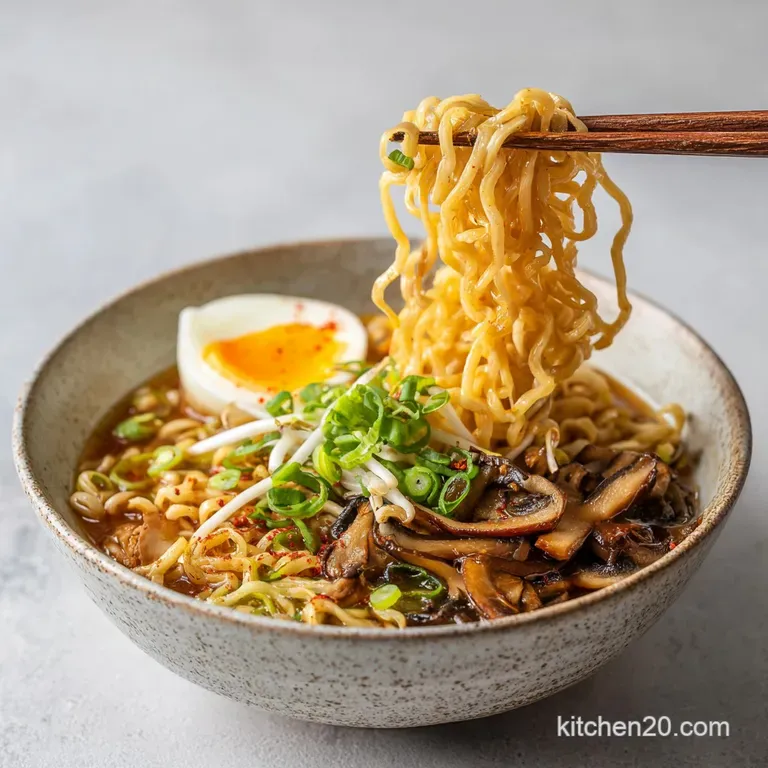
- Time: Active 15 minutes, Passive 30 minutes, Total 45 minutes
- Flavor/Texture Hook: Savory umami broth with silky noodles
- Perfect for: Cozy weeknights or impressive date nights
- Why This Homemade Ramen Beats Instant Cups
- Secret Behind the Umami Punch
- Quick Method Decision Guide
- Essential Flavor Architecture Analysis
- Everything You Need to Start
- Tools for Better Broth
- Step-by-Step Cooking Walkthrough
- Fixing Common Soup Mistakes
- Smart Ways to Customize
- Debunking Ramen Legends
- Storage and Reducing Food Waste
- Refreshing Drink Pairing Ideas
- Very High in Sodium
- Recipe FAQs
- 📝 Recipe Card
Why This Homemade Ramen Beats Instant Cups
The first time I tried to make a real bowl of soup from scratch, I ended up with a kitchen that smelled like a wet forest and a broth that tasted like lukewarm salt water. It was a disaster.
I was trying to follow a 72 hour pork bone recipe I found online, and halfway through, I realized I just didn't have the patience - or the industrial sized stockpot - to make it work.
But then I discovered the power of "cheat" aromatics. By using 8 cups low sodium chicken stock as a base and fortifying it with kombu and dried shiitakes, I realized I could mimic that long simmered richness in less than an hour.
The smell of the ginger hitting the hot pot is honestly better than any candle you can buy, and when you finally crack that soft boiled egg into the velvety liquid, it’s pure magic.
We're going to use a few tech inspired shortcuts to streamline the workflow, essentially "batching" our flavors so every minute spent at the stove counts. This isn't just about food; it's about revolutionizing your weeknight dinner rotation with a dish that feels like a warm hug.
Trust me, once you taste the difference between a real noodle and the dried bricks from a packet, there's no going back.
Secret Behind the Umami Punch
Glutamate Synergy: Combining kombu (seaweed) with dried shiitake mushrooms creates a chemical reaction that amplifies savory flavors far beyond what either could do alone. This interaction mimics the depth of a long boiled bone broth in a fraction of the time.
Chef Tip: For the most intense flavor, use a pair of kitchen shears to snip 2 or 3 small slits into the kombu before dropping it into the stock. This increases the surface area, allowing those savory minerals to dissolve into the liquid gold much faster.
Quick Method Decision Guide
| Method | Total Time | Texture | Best For |
|---|---|---|---|
| Standard Stovetop | 45 minutes | Clean, clear broth | Beginners seeking classic flavor |
| Pressure Cooker | 30 minutes | More extracted, "cloudy" feel | Maximum flavor in minimum time |
| Slow Cooker | 4 hours | Deeply infused aromatics | Hands off prep for busy days |
Choosing the right approach depends on how much you want to "set it and forget it." While the stovetop method listed below is the most reliable for controlling the noodle texture, a pressure cooker is a great way to force the ginger and garlic flavors into the chicken stock if you're in a massive rush.
Essential Flavor Architecture Analysis
| Component | Science Role | Pro Secret |
|---|---|---|
| Miso Paste | Fermented depth | Never boil it; whisk it in at the end to preserve delicate enzymes. |
| Ginger/Garlic | Volatile aromatics | Smash them instead of mincing to prevent burning and provide a mellow infusion. |
| Dried Shiitakes | Guanylate source | These act as natural "flavor boosters" that make the chicken stock taste meatier. |
Everything You Need to Start
To build this bowl, we need a mix of pantry staples and fresh components. If you find yourself wanting a bit of heat, I highly recommend finishing your bowl with a drizzle of this KnockYourSocksOff Rayu My recipe for a spicy, smoky kick.
- 8 cups low sodium chicken stock: The foundational liquid for our soup. Why this? Allows you to control the final saltiness yourself.
- 1 lb skin on chicken thighs: Our main protein source. Why this? The skin provides essential fats for a rich mouthfeel.
- 10 oz fresh ramen noodles: The star of the show.
- 2 inch piece fresh ginger: Halved lengthwise for easy removal.
- 4 cloves garlic: Smashed to release oils.
- 3 whole scallions: Bruised to break the cell walls.
- 2 dried shiitake mushrooms: For that earthy, savory backbone.
- 1 small piece kombu: Essential for authentic Japanese flavor.
- 4 tbsp low sodium soy sauce: Adds color and salt.
- 1 tbsp mirin: Provides a subtle, sweet tang.
- 1 tsp rice vinegar: Cuts through the fat of the chicken.
- 1 tsp miso paste: Adds a thick, fermented finish.
- 2 soft boiled eggs: For a jammy, creamy topping.
- 1 cup fresh baby spinach: Wilts perfectly in the hot broth.
- 1/4 cup sweet corn: Adds a pop of sweetness.
- 2 sheets nori: Cut into rectangles for crunch and sea salt flavor.
| Original Ingredient | Substitute | Why It Works |
|---|---|---|
| Mirin | Sherry + sugar | Similar sweet fortified wine profile. Note: Use half the amount of sugar. |
| Fresh Ramen | Dried Udon | Thicker but carries broth well. Note: Adjust boiling time per package. |
| Chicken Thighs | Firm Tofu | Absorbs the soy and ginger well. Note: Press tofu first to remove water. |
Tools for Better Broth
You don't need a professional kitchen, but a few specific items make the process much smoother. A heavy bottomed pot, like a Dutch oven, is great because it holds heat consistently while the aromatics steep.
You'll also want a fine mesh strainer to remove the ginger and garlic bits, ensuring a silky, velvety broth that doesn't have "surprises" floating in it.
I usually use a cast iron skillet for the chicken. Getting that skin to shatter when you bite into it requires high, even heat that stainless steel sometimes struggles to maintain.
Finally,, a whisk is non negotiable for the miso paste - if you just drop a clump of miso into the pot, it will stay a clump, and you'll end up with a salt bomb in one spoonful and bland water in the next.
step-by-step Cooking Walkthrough
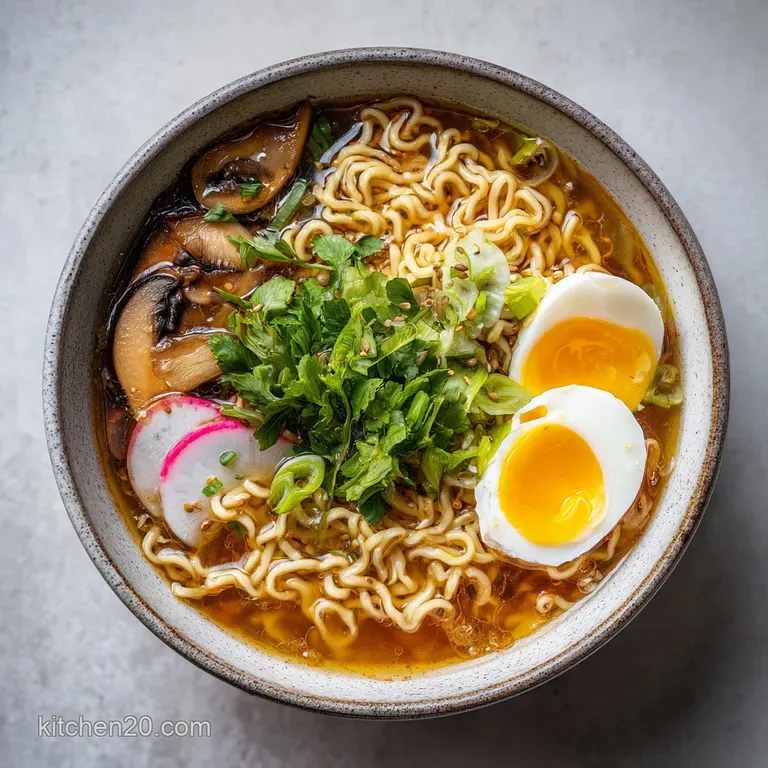
- Infuse the stock. Combine 8 cups low sodium chicken stock, halved ginger, smashed garlic, bruised scallions, dried shiitakes, and kombu in a large pot. Note: Starting cold helps extract more flavor from the aromatics.
- Simmer the base. Bring the liquid to a gentle boil, then reduce heat and let it simmer for 20 minutes until the kitchen smells intensely of ginger.
- Prep the chicken. Pat 1 lb skin on chicken thighs dry with a paper towel. Note: Moisture is the enemy of a crispy sear.
- Sear the protein. Heat 1 tsp neutral oil in a skillet over medium high and place chicken skin side down for 5-7 mins until the skin is golden and crackling.
- Finish the meat. Flip the thighs and cook for another 5 mins until the internal temp reaches 165°F (74°C), then let them rest before slicing.
- Season the broth. Remove the solids from the stockpot and stir in 4 tbsp soy sauce, 1 tbsp mirin, and 1 tsp rice vinegar.
- Temper the miso. Place 1 tsp miso paste in a small bowl, add a ladle of hot broth, and whisk until smooth before adding back to the main pot.
- Cook the noodles. Boil 10 oz fresh ramen noodles in a separate pot of water for 2-3 minutes until they are "al dente" or slightly firm.
- Wilt the greens. Place 1 cup fresh baby spinach in the bottom of four serving bowls.
- Assemble the masterpiece. Divide the noodles among bowls, pour over the hot broth, and top with sliced chicken, corn, nori, and a soft boiled egg.
Fixing Common Soup Mistakes
Why Your Broth Tastes Flat
Usually, this happens because the acid balance is off. Even if you've used plenty of salt, the flavors won't "pop" without a bit of brightness. Try adding an extra half teaspoon of rice vinegar or a tiny pinch of sugar to bridge the gap between the salty soy and the earthy mushrooms.
The Soggy Noodle Syndrome
If you cook your noodles directly in the broth, they will release starch that makes the soup gummy. More importantly, they will continue to cook as you eat, turning into mush. Always boil them in a separate pot of plain water and only combine them with the liquid at the very last second.
| Problem | Root Cause | Solution |
|---|---|---|
| Bitter broth | Ginger/Garlic burned | Only simmer aromatics; never let them fry in oil at high heat. |
| Cloudy soup | Boiling too hard | Keep the stock at a gentle "smile" simmer rather than a rolling boil. |
| Tough chicken | No resting period | Let the thighs sit for 5 minutes before slicing to keep juices inside. |
Common Mistakes Checklist
- ✓ Never boil the miso paste directly; always temper it first in a side bowl.
- ✓ Remove the kombu after 20 minutes to prevent a slimy texture or bitter aftertaste.
- ✓ Use low sodium stock so you can control the salt level with the soy sauce.
- ✓ Pat the chicken skin completely dry before it hits the hot pan for maximum crunch.
Smart Ways to Customize
When you want to scale this down for a solo lunch, you can easily halve the ingredients. Just remember that 1/2 of a large egg is tricky, so just use one whole egg and enjoy the extra protein! For a smaller batch, reduce the simmer time by about 5 minutes since the volume is lower.
If you're feeding a crowd, you can double the recipe easily. However, when doubling the spices and salt (like the soy sauce and mirin), only increase them by 1.5x initially. You can always add more at the end, but liquids reduce differently in larger pots, and it's easy to accidentally over season.
Work in batches when searing the chicken to avoid overcrowding the pan, which leads to steaming instead of browning.
Debunking Ramen Legends
A common misconception is that the "best" ramen must have a thick layer of fat on top. While traditional Tonkotsu is creamy, a clear "Shio" or "Shoyu" style like this one focuses on the clarity of flavor. You don't need a fat cap for a dish to be authentic or satisfying.
Another myth is that you need to wash your noodles after boiling. While this is true for some cold pasta dishes, for homemade ramen, you want a tiny bit of that residual surface starch to help the broth cling to the strands. Just drain them well and drop them straight into the bowl.
Storage and Reducing Food Waste
You can keep the broth in the fridge for up to 4 days or freeze it in airtight containers for 2 months. Just make sure to store the noodles and broth separately! If you store them together, the noodles will absorb every drop of liquid, leaving you with a bowl of salty dough the next morning.
To reheat, bring the broth to a simmer on the stove and drop in fresh or leftover noodles for just 30 seconds.
Don't toss those scallion ends or ginger peels! I keep a "stock bag" in my freezer where I throw all my veggie scraps. When the bag is full, I boil it all down with water to make a zero waste base for the next time I'm craving a bowl of soup.
Even the mushroom stems can be finely minced and sautéed into an omelet the next day.
Refreshing Drink Pairing Ideas
Since this bowl is quite rich and savory, you need something to cleanse the palate. A cold glass of this Sweet Tea Recipe is actually a fantastic bridge between the salty broth and a refreshing finish. The tannins in the tea cut right through the chicken fat.
If you want to stay within the Japanese flavor profile, a crisp lager or a chilled green tea works wonders. The goal is to find a drink that doesn't compete with the umami of the miso but provides a sharp, clean contrast to the warm, velvety noodles. Enjoy your revolution in a bowl!
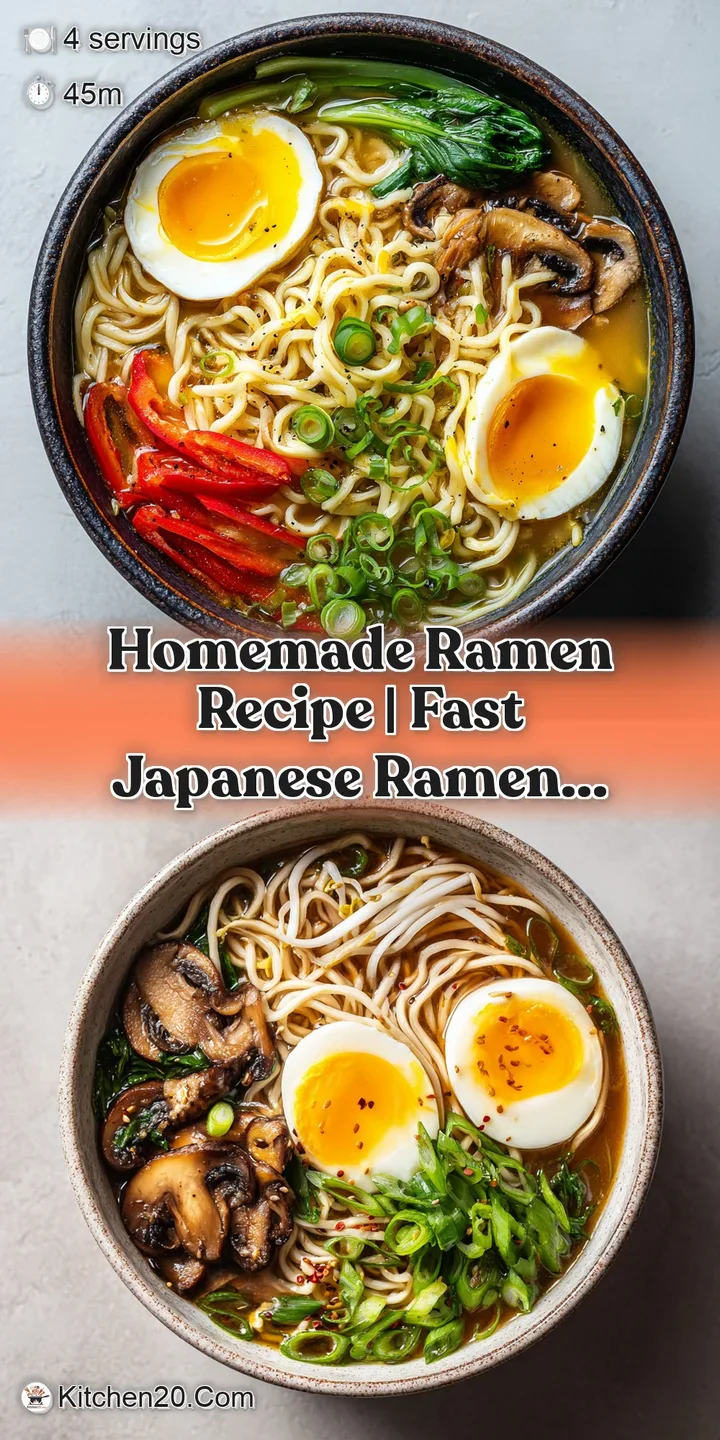
Very High in Sodium
1345 mg mg of sodium per serving (58% % of daily value)
American Heart Association recommends limiting sodium intake to about 2,300mg per day for adults.
Sodium Reduction Tips for Your Ramen
-
Broth Upgrade-30%
Even 'low-sodium' broths can contribute significant sodium. Make your own broth from scratch using roasted chicken bones and vegetables, controlling the sodium content completely. Omit any added salt during the broth making process.
-
Soy Sauce Swap-20%
Replace the low-sodium soy sauce with an even lower sodium option or a sodium free alternative. You can also dilute the soy sauce with water or rice vinegar to further reduce its impact.
-
Umami Boost-15%
Enhance the umami flavor with additional dried shiitake mushrooms or kombu to compensate for reduced soy sauce. These ingredients provide a rich, savory taste without the added sodium.
-
Miso Management-10%
Miso paste is a concentrated source of sodium. Use it sparingly, starting with half the amount and adjusting to taste. Consider a lighter colored miso for a less intense flavor.
-
Skip the Skin-5%
While flavorful, chicken skin can add to the overall sodium content. Consider removing the skin from the chicken thighs before cooking to reduce sodium intake.
-
Fresh is Best-5%
Ensure your spinach and sweet corn are fresh or frozen without any added salt. Canned or processed vegetables often contain high levels of sodium.
-
Spice It Up!
Experiment with sodium free herbs and spices like white pepper, star anise, cloves, or a pinch of red pepper flakes to add depth and complexity to your ramen without adding sodium. Fresh herbs such as cilantro or basil can also enhance the flavor.
Recipe FAQs
What are the 5 main flavor components in a savory ramen broth?
Stock, Umami, Salt, Fat, and Aromatic. The stock is your base, umami comes from kombu/shiitake, salt from soy sauce, fat from the protein, and aromatics from ginger and garlic.
What do you need to make homemade ramen successfully?
You need quality stock and strong flavor builders. Focus on a good low sodium chicken stock fortified with dried shiitake mushrooms and kombu to mimic long simmer depth, plus fresh noodles.
How to make a simple ramen base in under an hour?
Simmer your stock with aromatics for 20 minutes, then strain immediately. Whisk in miso paste off the heat after seasoning with soy sauce and mirin to preserve its delicate enzymes.
Is ramen dough different from standard Italian pasta dough?
Yes, ramen dough typically uses kansui, an alkaline solution. This solution gives fresh ramen its signature springy texture and yellow hue, which is absent in standard wheat and egg pasta recipes.
Why does my chicken thigh skin not get crispy in the ramen?
You likely did not pat the skin completely dry before searing. Moisture on the skin turns to steam, preventing the Maillard reaction needed for crispness; use high heat in a separate, dry skillet.
Can I use dried noodles instead of fresh ramen noodles?
Yes, but you must adjust the cooking time significantly. Dried noodles require boiling separately in plain water until pliable, usually 5-8 minutes, whereas fresh noodles only need 2-3 minutes of blanching.
If I want to deepen the savory flavor profile, what technique should I focus on?
Focus on achieving glutamate synergy by combining kombu and dried shiitake mushrooms. This technique amplifies savory flavors, making the broth taste like it simmered all day. If you enjoyed mastering this flavor balancing technique here, see how the same principles of maximizing flavor extraction apply to our Jack Daniels Sauce Recipe.
Quick Homemade Ramen Recipe
Ingredients:
Instructions:
Nutrition Facts:
| Calories | 412 kcal |
|---|---|
| Protein | 27.5 g |
| Fat | 14.8 g |
| Carbs | 42.3 g |
| Fiber | 2.8 g |
| Sugar | 3.2 g |
| Sodium | 1345 mg |
