Quick Ravioli Sauce: Silky Tomato Cream
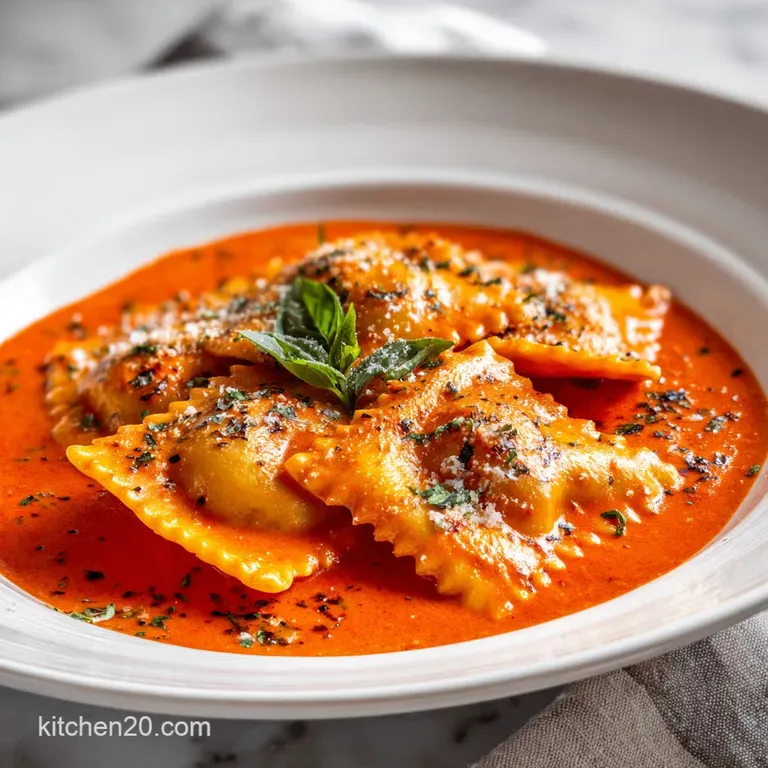
- Time: Active 5 minutes, Passive 10 minutes, Total 15 minutes
- Flavor/Texture Hook: Velvety tomato cream with a bright, herbaceous finish
- Perfect for: Stress free date nights or quick family dinners
- Science Behind Smooth Tomato Emulsions
- Time and Yield Success Metrics
- Essential Elements for Velvety Texture
- Tools for Kitchen Efficiency
- Step-by-Step Sauce Workflow Guide
- Fixing Common Sauce Consistency Issues
- Adaptations for Unique Ravioli Fillings
- Debunking Common Kitchen Beliefs
- Preservation and Zero Waste Methods
- Visual Presentation and Plating Strategy
- Recipe FAQs
- 📝 Recipe Card
Ever had that moment where your pasta is cooked to a perfect al dente bite, but your sauce feels like a watery afterthought? I remember my first attempt at a "fancy" date night at home.
I spent hours trying to reduce a complex marinara, only for it to separate and leave my store-bought pasta swimming in a puddle of oil. It was a mess, and honestly, a bit of a mood killer.
I learned that the secret isn't more time; it's better science. This Ravioli Sauce is the result of years of tinkering with fat to acid ratios to find that sweet spot where the sauce actually clings to the pasta instead of sliding off. We're going for a vibrant, sunset orange hue that looks as good as it tastes.
You don't need a culinary degree to pull this off, just a few high-quality staples and about fifteen minutes. This isn't just another tomato base; it's a platform for whatever filling you’ve chosen, whether it's classic ricotta or something more adventurous like lobster or butternut squash.
Trust me on this, once you nail the emulsion, you'll never go back to the jarred stuff.
Science Behind Smooth Tomato Emulsions
Maillard Reaction: Sautéing shallots and garlic in butter creates complex flavor compounds that bridge the gap between sweet and savory.
Starch Suspension: The pasta water acts as a glue, using starch molecules to link the watery tomato base with the fatty cream.
Fat Integration: Whisking heavy cream into acidic tomatoes requires a slow tempering process to prevent the proteins from curdling instantly.
| Method | Time | Texture | Best For |
|---|---|---|---|
| Fast Method | 15 minutes | Silky and light | Fresh pasta and quick dinners |
| Classic Method | 45 minutes | Thick and concentrated | Hearty meat fillings or dried pasta |
| Blender Method | 10 minutes | Completely uniform | Hiding veggies from picky eaters |
The difference between a "good" sauce and a professional grade sauce often comes down to how you handle the ingredients. If you're looking for something with a bit more of a slow cooked feel, you might enjoy the depth of my Homemade Spaghetti Sauce recipe, but for ravioli, we want that lighter, velvety touch.
Time and Yield Success Metrics
| Ingredient | Science Role | Pro Secret |
|---|---|---|
| Heavy Cream | Fat source for emulsification | Use full fat only to prevent the sauce from breaking |
| Tomato Paste | Umami and color depth | Fry it until it turns brick red to remove the metallic tang |
| Pasta Water | Binder | Use the cloudiest water from the very end of the boil |
Getting the timing right is half the battle. You want your sauce hitting its peak thickness just as the pasta floats to the top of the pot. If the sauce sits too long, the cream can start to thicken into a paste. If it’s too fast, it won't have time to absorb the aromatic garlic and oregano.
Essential Elements for Velvety Texture
- 2 tbsp unsalted butter
- Provides the rich, creamy mouthfeel.
- 1 tbsp extra virgin olive oil
- Adds a peppery note and raises the smoke point of the butter.
- 2 cloves garlic, minced
- Essential for that aromatic backbone.
- 1 small shallot, finely diced
- Sweeter and milder than onion, perfect for a 15 minute simmer.
- 0.5 tsp dried oregano
- Blooms in the oil for an earthy scent.
- 1 tbsp tomato paste
- Why this? Concentrates the tomato flavor without adding excess water.
- 15 oz canned crushed tomatoes
- The base of our red profile.
- 0.5 cup heavy cream
- Why this? High fat content creates a stable, silky emulsion.
- 0.25 cup reserved pasta water
- The "liquid gold" that binds everything.
- Fresh basil leaves, chiffonade
- Our primary green color accent.
- Salt & Black pepper
- To taste.
Chef's Tip: Freeze your Parmesan for 10 minutes before grating. It prevents the cheese from clumping and creates a fine, snowy texture that melts instantly into the sauce.
Tools for Kitchen Efficiency
You don't need a whole arsenal here. A wide, heavy bottomed skillet is your best friend because it allows for faster evaporation and even heating. A silicone whisk is also better than a spoon here; it helps incorporate the cream more effectively without scratching your pan.
Make sure your garlic press is handy if you don't want to mince by hand, but I find hand chopping the shallot gives a better texture. You'll also want a liquid measuring cup to snag that pasta water right before you drain the ravioli.
step-by-step Sauce Workflow Guide
- Melt butter and olive oil in a large skillet over medium heat until the butter begins to sizzle and foam. Note: This ensures the pan is hot enough to cook the aromatics without burning them.
- Add shallots and cook for 3 minutes until translucent and soft.
- Stir in minced garlic and dried oregano, cooking for 60 seconds until the kitchen smells fragrant.
- Mix in the tomato paste and cook for 2 minutes until it turns a deep rust color. Note: This caramelization step is vital for a rich Ravioli Sauce.
- Pour in the crushed tomatoes and season with a pinch of salt and pepper.
- Simmer gently for 5 minutes until the sauce slightly darkens and thickens.
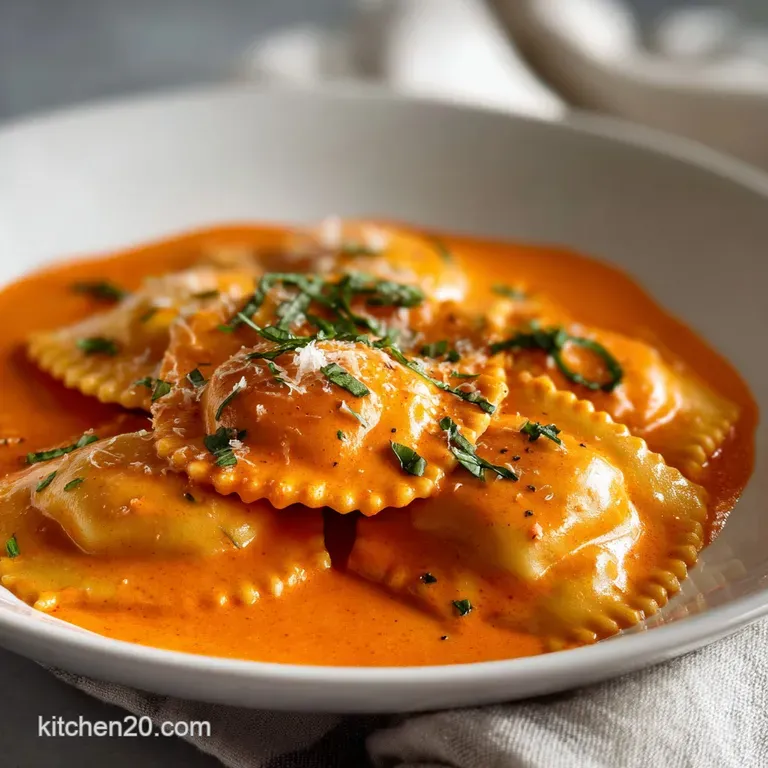
- Reduce heat to low and slowly whisk in the heavy cream until the sauce turns a uniform orange.
- Stir in the Parmesan cheese and the reserved pasta water until the cheese is fully melted and glossy.
- Add ravioli directly to the pan and toss gently until every piece is coated in the velvety liquid.
- Garnish with fresh basil and an extra crack of pepper before serving.
Fixing Common Sauce Consistency Issues
Why Your Sauce Looks Broken
If you see little beads of oil separating from the tomato solids, your heat was likely too high when you added the cream. The proteins in the dairy can't handle the thermal shock or the high acidity of the tomatoes if the pan is boiling aggressively.
Why Your Sauce Is Runny
Usually, this happens if the crushed tomatoes had too much liquid or the pasta wasn't drained well. The fix is easy: let it simmer for another 2-3 minutes or add an extra tablespoon of Parmesan to act as a natural thickener.
| Problem | Root Cause | Solution |
|---|---|---|
| Grainy texture | Pre shredded cheese used | Use freshly grated Parmesan only |
| Sour taste | Under cooked tomato paste | Simmer longer or add a pinch of sugar |
| Muted flavor | Lack of salt | Increase salt 0.25 tsp at a time |
Common Mistakes Checklist
- ✓ Never use "shaky can" Parmesan; it contains cellulose that prevents a smooth melt.
- ✓ Pat your ravioli slightly if they are dripping wet before adding to the pan.
- ✓ Don't skip the shallots; they provide a sweetness that white onions lack.
- ✓ Turn the heat to the lowest setting before adding the dairy.
- ✓ Always reserve your pasta water before you dump it down the drain.
Adaptations for Unique Ravioli Fillings
If you are making a Chicken Ravioli Sauce, you can add a splash of white wine after the garlic to brighten the protein. For a Mushroom Ravioli Sauce, try adding a teaspoon of truffle oil at the very end to complement the earthy notes of the fungi.
If you’re looking for a Lobster Ravioli Sauce Recipe variation, swap the dried oregano for fresh tarragon and add a squeeze of lemon juice at the end. The acidity cuts through the richness of the seafood perfectly, much like the balance found in a Keto Hollandaise Sauce recipe.
| Premium | Budget | Flavor Impact | Savings |
|---|---|---|---|
| Heavy Cream | Whole Milk + Butter | Less stable, slightly thinner | Save $2.00 |
| Shallots | Yellow Onion | More pungent, less sweet | Save $1.50 |
| Fresh Basil | Dried Basil | Loses the bright green pop | Save $3.00 |
If you need a Ravioli Sauce Without Cream, you can use the pasta water and a bit more butter to create a "mantecatura" (a creamy coating created by starch and fat) without any dairy liquid at all. It’s lighter but still feels luxurious.
Debunking Common Kitchen Beliefs
Adding oil to the pasta water does not prevent the sauce from sticking; it actually does the opposite. The oil coats the ravioli and creates a slick barrier that makes the sauce slide right off into the bottom of your bowl.
Sugar is not always necessary for a good tomato sauce. If you cook your aromatics and tomato paste long enough, the natural sugars in the vegetables will caramelize and provide all the balance you need. Only add sugar as a last resort if your canned tomatoes are exceptionally acidic.
Preservation and Zero Waste Methods
Storage: You can keep this sauce in an airtight container in the fridge for up to 4 days. If it thickens too much in the cold, just add a tablespoon of water when reheating on the stove to bring back that velvety texture.
Freezing: This sauce freezes well for up to 3 months. However, the cream might separate slightly when thawed. To fix this, simply whisk it vigorously over medium low heat during the reheating process.
Zero Waste: Don't toss those basil stems! You can throw them into the sauce while it simmers and remove them before serving to extract every bit of herbal flavor. Also, if you have leftover sauce, it makes a fantastic base for a quick shakshuka the next morning.
Visual Presentation and Plating Strategy
- 1. Red (The Base)
- The deep, warm orange red of the sauce provides the primary canvas.
- 2. White (The Contrast)
- Freshly shaved Parmesan flakes (use a vegetable peeler for wide ribbons) should be added right before serving.
- 3. Green (The Pop)
- Chiffonade basil added at the very last second ensures the leaves don't wilt or turn black from the heat.
When plating, place the ravioli in a shallow bowl first, then spoon the extra sauce over the top. This ensures the edges of the pasta don't dry out. A final crack of black pepper adds a rustic touch that signals to your guests that this was made from scratch.
It’s all about connecting the visual beauty of the ingredients to the flavor on the fork. Now, go enjoy that silky, restaurant quality meal!
Recipe FAQs
Is it true that adding oil to the pasta water helps the sauce adhere to the ravioli?
No, this is counterproductive. Oil coats the ravioli, creating a slick barrier that prevents the starchy sauce from bonding properly.
How to thicken a ravioli sauce that is too runny after simmering?
Simmer longer or add Parmesan cheese. Allow the sauce to cook uncovered for 2 3 minutes to evaporate excess water, or whisk in an additional tablespoon of finely grated Parmesan to bind it.
How to prevent heavy cream from curdling when mixing it into the tomato base?
Reduce the heat to low and temper slowly. The heat must be gentle, and you should whisk the cream in gradually to allow the proteins to stabilize against the acidity.
Can I use regular milk instead of heavy cream for a lower fat ravioli sauce?
No, this is not recommended for this recipe. Milk lacks the fat content necessary to create a stable emulsion, which will result in a broken or watery sauce consistency.
How to make a flavorful ravioli sauce if I have no cream?
Use starchy pasta water and butter to create an emulsion. Whisk hot pasta water into the sautéed base and finish with butter and Parmesan to create a light, velvety coating without dairy cream.
What is the key step to maximize the flavor of tomato paste in a quick sauce?
Fry the paste until it turns a deep rust color. Cooking the paste for about two minutes after the aromatics removes its raw, metallic taste and deepens its umami profile.
What side dish pairs best with this bright, velvety tomato cream sauce?
A simple, crispy, roasted side dish balances the sauce richness. This bright sauce pairs perfectly with the savory umami coating found on our Roasted Fingerling Potatoes recipe.
Quick Ravioli Sauce Recipe
Ingredients:
Instructions:
Nutrition Facts:
| Calories | 258 kcal |
|---|---|
| Protein | 4.9 g |
| Fat | 22.3 g |
| Carbs | 11.8 g |
| Fiber | 2.4 g |
| Sugar | 5.9 g |
| Sodium | 345 mg |
