Red Snapper Recipe with Garlic and Herbs
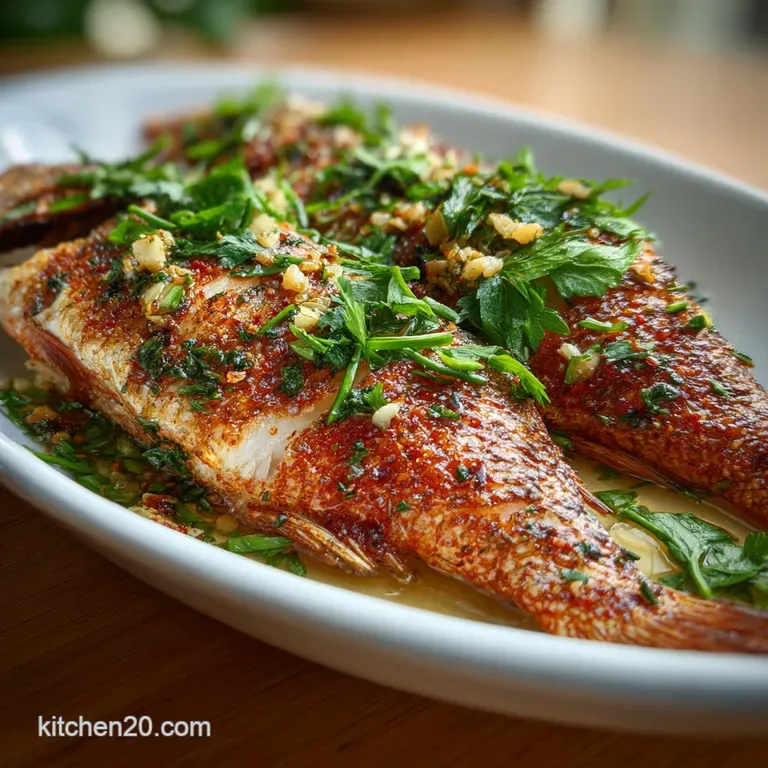
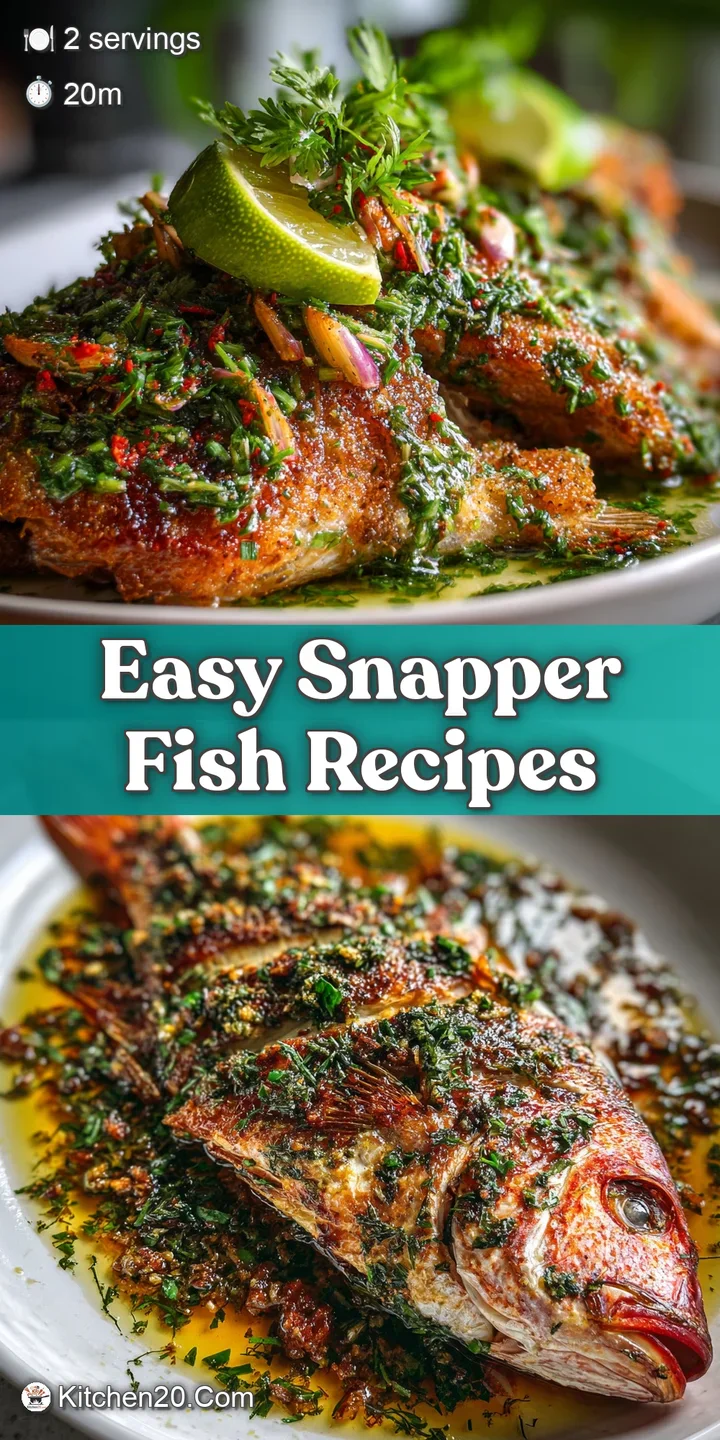
- Time: Active 10 mins, Passive 10 mins, Total 20 mins
- Flavor/Texture Hook: Shatter crisp skin with a velvety, herb infused center
- Perfect for: High impact weeknight dinners or impressive date nights
- A Reliable Red Snapper Recipe with Garlic and Herbs
- What Makes This Pan Seared Snapper Truly Exceptional
- Essential Recipe Specifications for a Successful Fish Dinner
- Gathering Your Fresh Ingredients for the Perfect Seared Fillet
- Professional Kitchen Equipment Needed for Perfect Golden Skin
- Key Steps to Achieve a Flaky and Delicious Finish
- Fix Common Searing Texture Problems
- Creative Ways to Make This Fish Recipe Your Own
- Keeping It Fresh with Proper Storage and Zero Waste
- Perfect Complements to Serve with Your Herb Crusted Fish
- Very High in Sodium
- Recipe FAQs
- 📝 Recipe Card
A Reliable Red Snapper Recipe with Garlic and Herbs
There's a specific, rhythmic sizzle that happens the moment cold fish skin hits a hot stainless steel pan. I remember the first time I tried this; I was terrified the skin would stick and tear, leaving me with a shredded mess.
But when I finally worked up the courage to peek, the skin had transformed into a golden, crackling wafer that pulled away from the metal with zero resistance. This Red Snapper Recipe with Garlic and Herbs will become your new weeknight favorite because it bridges the gap between sophisticated dining and simple, honest cooking.
We aren't just heating up a piece of protein here; we are revolutionizing how you perceive home cooked seafood. The aroma of smashed garlic dancing in foaming butter, combined with the woody scent of fresh thyme, creates a sensory experience that fills your kitchen.
It's a connected way of cooking where you listen to the pan and watch the color change, rather than just staring at a timer.
I’ve made every mistake in the book, from overcrowding the pan to using low quality oil that smoked out my apartment. Through those failures, I’ve refined a method that guarantees success. You don’t need a culinary degree to pull this off, just a bit of patience and a heavy bottomed skillet.
We've built a platform here for you to master the art of the sear, and once you do, you'll never look at a fillet the same way again.
What Makes This Pan Seared Snapper Truly Exceptional
The Science of the Crunch
Thermal Shock: Placing cold, dry skin into over high heat oil causes immediate moisture evaporation, which allows the skin to "fry" into a rigid, crispy structure before the internal protein tightens. This prevents the fish from becoming rubbery while ensuring the exterior provides a satisfying snap.
- Maillard Mastery: The high smoke point oil initiates browning, while the finishing butter adds milk solids that caramelize for a richer flavor profile.
- Basting Efficiency: Spooning hot herb butter over the top side (the "presentation" side) cooks the fish gently from both directions without needing a flip that might break the delicate fillet.
- Myoglobin Stability: Keeping the heat consistent prevents the albumin (that white gunk) from squeezing out of the muscle fibers, resulting in a cleaner look.
- Aromatic Infusion: Fat is a flavor carrier; by smashing the garlic rather than mincing it, we release essential oils into the butter without burning the tiny bits.
| Thickness | Internal Temp | Rest Time | Visual Cue |
|---|---|---|---|
| 1.5 cm | 52°C | 2 mins | Flesh is opaque but still moist |
| 2 cm | 55°C | 3 mins | Flakes easily with a gentle fork press |
| 3 cm | 57°C | 4 mins | Center is hot and skin is rigid |
The temperature of your fish is the most critical variable in this equation. Using a digital thermometer ensures you hit that sweet spot where the snapper is succulent rather than dry. A short rest period allows the juices to redistribute, meaning they stay in the fish instead of running all over your plate.
Essential Recipe Specifications for a Successful Fish Dinner
Component Analysis
| Ingredient | Science Role | Pro Secret |
|---|---|---|
| Red Snapper Fillets | Lean Protein | Always buy skin on to protect the delicate meat from direct heat. |
| Unsalted Butter | Emulsifier/Flavor | Cold butter creates a foam that's easier to spoon and less likely to burn. |
| Fresh Thyme/Rosemary | Volatile Aromatics | Bruise the herbs in your hand before adding to release oils faster. |
| Kosher Salt | Moisture Extractor | Salt the skin 15 minutes early to draw out moisture, then pat dry. |
When you look at how these elements interact, it’s like building a software platform where each module supports the next. The salt prepares the surface, the oil provides the heat transfer, and the butter finishes the user experience with richness. If you are looking for a side that matches this intensity, the bright notes in my Roasted Fingerling Potatoes recipe provide a great earthy contrast.
Gathering Your Fresh Ingredients for the Perfect Seared Fillet
- 2 (200 g) Red snapper fillets, skin on: This is the star of the show. Why this? Snapper has a firm texture that holds up well to over high heat pan searing.
- 1 tbsp neutral high smoke point oil: Think avocado or grapeseed oil. Why this? Olive oil burns too fast at the temperatures needed for a proper sear.
- 1 tsp kosher salt: For seasoning and moisture control.
- 0.5 tsp freshly cracked black pepper: Adds a subtle heat.
- 3 tbsp unsalted butter: Used for the final basting stage. Why this? Unsalted allows you to control the final sodium level precisely.
- 4 cloves garlic, smashed: Provides a mellow, nutty undertone.
- 3 sprigs fresh thyme or rosemary: Woody herbs that won't wilt instantly.
- 0.5 tsp red pepper flakes: For a tiny kick that cuts through the fat.
- 0.5 large lemon, sliced into rounds: Essential for acidity.
- 1 tbsp fresh parsley, finely chopped: For a bright, clean finish.
Substitution Table
| Original Ingredient | Substitute | Why It Works |
|---|---|---|
| Red Snapper Fillets | Sea Bass or Grouper | Similar oil content and firm flake structure. Note: Adjust time for thickness. |
| Unsalted Butter | Ghee (Clarified Butter) | Higher smoke point but still provides that rich, nutty dairy flavor. |
| Fresh Thyme | Dried Oregano | Provides a Mediterranean vibe. Note: Use half the amount as it's concentrated. |
Chef's Tip: Freeze your butter for 10 minutes before adding it to the pan. This delay in melting gives the garlic more time to infuse without the milk solids turning black.
Professional Kitchen Equipment Needed for Perfect Golden Skin
To get that restaurant style finish, your gear matters as much as your ingredients. I always reach for my heavy cast iron or a high-quality stainless steel pan. Non stick pans are great for eggs, but they often can't handle the high heat required to truly "shatter" the fish skin.
You want a surface that holds heat consistently so the temperature doesn't drop when the cold fish hits the metal.
A flexible fish spatula is another non negotiable for me. It’s thin enough to slide under the skin without damaging it but strong enough to lift the whole fillet. If you're doubling this recipe for a crowd, you'll want to work in batches to avoid crowding, which leads to steaming rather than searing. If you happen to be making a feast, these fillets sit beautifully next to a side of Homemade Stuffing recipe for a more "surf and turf" holiday feel.
Key Steps to Achieve a Flaky and Delicious Finish
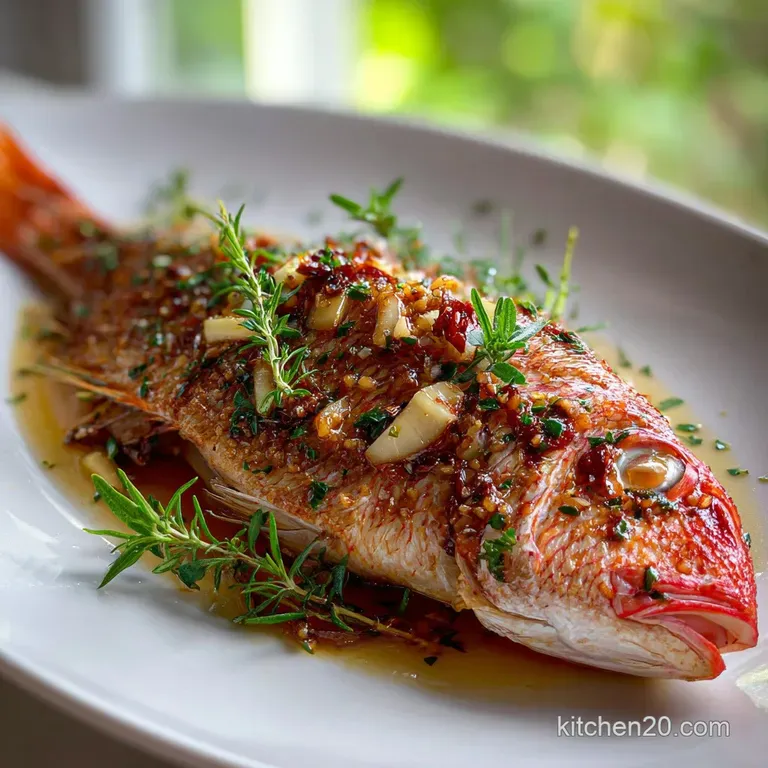
- Dry the fish. Use paper towels to press every bit of moisture off the snapper skin. Note: Moisture is the enemy of a crispy sear; it creates steam.
- Season thoroughly. Sprinkle kosher salt and pepper on both sides of the fillets.
- Heat the pan. Add 1 tbsp oil to the skillet over medium high heat until it shimmers and wisps of smoke appear.
- Position the fillets. Lay the fish skin side down, pressing gently with a spatula for 30 seconds. Note: This prevents the skin from curling up.
- Sear undisturbed. Cook for 4 to 5 minutes until the skin is golden brown and releases easily.
- Introduce the aromatics. Lower heat to medium and add 3 tbsp butter, 4 garlic cloves, and 3 sprigs of herbs.
- Baste the fish. Tilt the pan and spoon the foaming butter over the flesh until the meat turns opaque and milky.
- Add the citrus. Drop in the lemon rounds and red pepper flakes for the final 60 seconds of cooking.
- Check doneness. Use a fork to see if the thickest part flakes; it should be moist and translucent in the very center.
- Rest and garnish. Remove from the pan, let rest for 2 minutes, and top with fresh parsley.
| Feature | Fresh Snapper Fillets | Frozen/Shortcut Fillets |
|---|---|---|
| Texture | Firm, distinct flakes | Can be slightly mushy if thawed poorly |
| Flavor | Sweet, clean, oceanic | Milder, may need more salt/acid |
| Skin | Tightly bound, gets very crisp | Can sometimes detach during cooking |
Fix Common Searing Texture Problems
Why Your Fish Skin Sticks
This usually happens because the pan wasn't hot enough or you tried to flip it too early. Protein bonds with the metal at a molecular level when it's cold. Once the "crust" forms via the Maillard reaction, the fish will naturally release itself.
It’s a game of chicken; don’t touch it until you see that golden edge forming around the bottom.
Why Your Fillets Are Rubbery
Overcooking is the culprit here. Fish has very little connective tissue, so it goes from perfect to "eraser texture" in about thirty seconds. This is why basting is so smart; it’s a much gentler way to finish the cooking process than direct contact with a scorching pan.
| Problem | Root Cause | Solution |
|---|---|---|
| Skin is soggy | Excess moisture on surface | Pat dry with paper towels twice before seasoning. |
| Bitter garlic flavor | Garlic was minced too small | Use whole, smashed cloves to infuse flavor without burning. |
| Fish is dry | Internal temp exceeded 63°C | Pull fish off heat at 55°C; carryover cooking will do the rest. |
Common Mistakes Checklist: ✓ Never use a cold pan; the oil must be shimmering before the fish enters. ✓ Don't skip the "press" step; hold the fish down for the first 30 seconds to ensure total skin contact.
✓ Avoid flipping more than once; the more you move it, the more likely it is to break. ✓ Use a neutral oil for the start; butter is only for the finish because of its low smoke point.
✓ Let the fish come to room temperature for 10 minutes before cooking to ensure even heat penetration.
Creative Ways to Make This Fish Recipe Your Own
If you want a Mediterranean twist, swap the thyme for oregano and add a handful of kalamata olives and cherry tomatoes to the butter while basting. The tomatoes will blister and release their juices, creating a quick pan sauce that's incredible over rice. For a more "pub style" feel, you can serve these fillets with a side of Garlic Knots The recipe to soak up all that extra herb butter.
- 1. Lemon Rounds
- Place these under the fish on the plate for a pop of vibrant yellow.
- 2. Red Pepper Flakes
- Sprinkle these at the very end so they don't darken too much; the red contrast against the white fish is stunning.
- 3. Fresh Parsley
- Add this only after the fish is off the heat to keep the green color "connected" and bright.
Scaling Guidelines:Scaling Down (1 serving): Use a smaller 8 inch skillet to keep the butter from spreading too thin and burning. Scaling Up (4+ servings): Use two separate pans.
If you try to crowd four fillets into one skillet, the temperature will drop, and you'll end up poaching the fish in its own juices rather than searing it. For larger groups, increase the butter to 5 tbsp but keep the spices at 1.5x the original amount.
Keeping It Fresh with Proper Storage and Zero Waste
Fresh fish is always best eaten immediately, but if you have leftovers, they will keep in an airtight container in the fridge for up to 2 days. To reheat, avoid the microwave at all costs! It will turn the skin into wet cardboard.
Instead, place the fillets in a cold pan with a splash of water, cover with a lid, and heat on medium low until warmed through. This "steams" it gently without drying it out further.
Don't toss those lemon ends or parsley stems! I throw them into a bag in the freezer to use for making seafood stock later. Even the garlic skins can be saved for stock. If you have extra herb butter left in the pan, pour it over some roasted vegetables the next day it’s liquid gold. If you find yourself with extra garlic and want to prep ahead for your next meal, check out this Garlic Butter recipe which stores beautifully for weeks.
Perfect Complements to Serve with Your Herb Crusted Fish
When thinking about what to serve, you want to balance the richness of the butter basting. A simple arugula salad with a lemon vinaigrette works wonders. The peppery greens cut right through the fat. If you're looking for something heartier, a bed of creamy polenta or even a light pasta tossed in Grandmas Sunday Gravy recipe (if you go the Mediterranean route) can turn this into a full blown feast.
The Truth About Searing Myths
Many people think searing "seals in the juices." In reality, searing is all about creating new flavor compounds through the Maillard reaction. Moisture is still lost during the process, but the crust provides such a massive boost in taste and texture that we don't mind a little juice loss.
Another myth is that you should only cook fish on the skin side. While the skin side gets the most time to become crispy, a brief baste or a very quick flip ensures the top is seasoned and fully cooked without becoming tough.
Using these techniques creates a revolutionizing shift in your cooking, making every bite a connected experience of texture and flavor.
Very High in Sodium
1148 mg mg of sodium per serving (50% of daily value)
The American Heart Association recommends limiting sodium intake to about 2,300mg per day for overall health.
Simple Sodium Reduction Tips
-
Reduce Added Salt-25%
Eliminate or drastically reduce the 1 tsp of kosher salt. Start with 1/4 tsp and adjust to taste after cooking. You can always add more, but you can't take it away!
-
Unsalted Butter-10%
Ensure you are using completely unsalted butter, as even 'lightly salted' butter can contribute significant sodium.
-
Lemon Power-5%
Enhance the lemon flavor! Squeeze fresh lemon juice over the fish before and after cooking for a more pronounced, tangy flavor that can help offset the need for salt.
-
Herb Infusion
Experiment with other fresh herbs like dill, oregano, or chives. These will add flavor complexities that can reduce reliance on sodium.
Recipe FAQs
Is garlic and herb seasoning good on fish?
Yes, absolutely. Garlic and herbs are classic pairings for fish, enhancing its natural flavor without overpowering it. Think of the simple elegance of lemon, garlic, and dill on salmon, or thyme and rosemary with a firm white fish.
What should I season red snapper with?
Start with salt and pepper, then build. For red snapper, kosher salt and freshly cracked black pepper are essential. Then, consider aromatics like smashed garlic, fresh herbs such as thyme or rosemary, and a pinch of red pepper flakes for a little heat.
What pairs well with red snapper?
Virtually any vegetable or starch side dish. Red snapper's mild, sweet flavor makes it incredibly versatile. It shines alongside bright, fresh salads, roasted vegetables, or creamy starches. Try it with our Roasted Fingerling Potatoes with Craveable Sauce: The Ultra Crispy Umami Aioli Recipe for a fantastic pairing.
What is the best sauce for red snapper?
A light, bright sauce is ideal. Often, the best "sauce" is the pan sauce created from the basting butter, garlic, and herbs, finished with a squeeze of lemon. For a different style, a fresh salsa like our Homemade Salsa Recipe Easy FireRoasted Fresh Tomato Dip or a creamy dill sauce also works wonderfully.
Can I use dried herbs instead of fresh?
Yes, but use less. Dried herbs are more concentrated than fresh, so use about one-third the amount. For example, if the recipe calls for 3 sprigs of fresh thyme, use about 1 teaspoon of dried thyme.
How do I get crispy skin on red snapper?
Dry the skin thoroughly and use high heat. Pat the snapper fillets completely dry with paper towels before seasoning. Sear them skin side down in a hot, oiled pan without moving them until the skin is golden and crisp.
What’s the secret to tender, flaky red snapper?
Don't overcook it, and let it rest. Red snapper cooks quickly; aim for an internal temperature of around 135-140°F (57-60°C). If you enjoyed mastering the precise cooking cues here, apply similar sensory skills to our Homemade Salsa Recipe Easy FireRoasted Fresh Tomato Dip for perfectly ripe tomatoes.
Red Snapper Garlic Herb
Ingredients:
Instructions:
Nutrition Facts:
| Calories | 438 calories |
|---|---|
| Protein | 41.5 g |
| Fat | 27.2 g |
| Carbs | 3.1 g |
| Fiber | 0.8 g |
| Sugar | 0.4 g |
| Sodium | 1148 mg |
