Ridiculously Good Olive Oil Dip
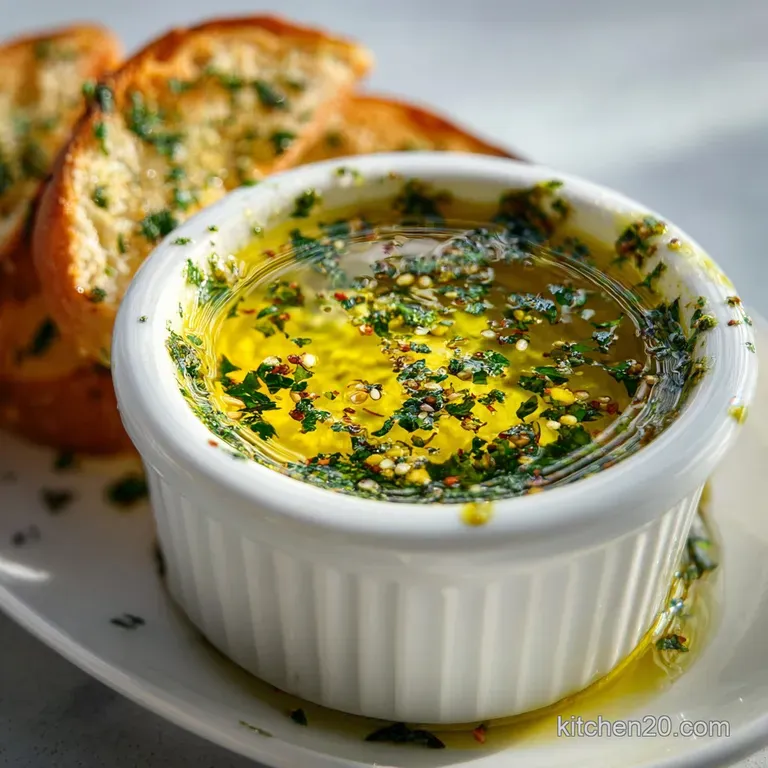
- Time: Active 10 minutes, Passive 0 minutes, Total 10 minutes
- Flavor/Texture Hook: Velvety, herbaceous, and pungent
- Perfect for: Impressing dinner guests or upgrading a casual weekend snack
- Create a Ridiculously Good Olive Oil Dip
- The Science of Flavor Infusion
- Component Analysis and Selection
- The Perfect Shopping List
- Essential Tools for Best Results
- Step-by-Step Mixing Process
- Troubleshooting Common Flavor Issues
- Scaling Your Party Portion
- Debunking Common Kitchen Myths
- Storage and Zero Waste Tips
- Ideal Pairing and Serving Suggestions
- FAQ: Making the Best Choices
- Recipe FAQs
- 📝 Recipe Card
Create a Ridiculously Good Olive Oil Dip
Have you ever wondered why that tiny bowl of oil at the local Italian spot tastes a thousand times better than what you pour at home? I used to think they had some secret, ancient source of olives hidden in the back.
Honestly, I spent way too much time overcomplicating things, adding too many dried herbs until it tasted like a dusty spice cabinet. Then it clicked, it is about the connectivity between the acid and the fat, not just a random pile of ingredients.
This Ridiculously Good Olive Oil Dip is the result of years of trial and error in my own kitchen. I once made a batch so garlicky my husband wouldn't sit in the same room as me for three hours, total rookie move.
Now, I have dialed in the ratios to ensure every dip of crusty bread is a perfectly balanced bite of zing, salt, and herbaceous goodness. We are talking about a total revolution in how you approach appetizers.
We are going to move fast here because your bread is probably getting cold. This isn't just a recipe, it is a platform for your favorite Mediterranean flavors to shine. Whether you are hosting a fancy dinner or just want to feel like a pro during a solo movie night, this dip is the answer.
It is connected, it is fresh, and it is about to become your new favorite hosting hack.
The Science of Flavor Infusion
Lipid Solubilization: The essential oils in the rosemary and oregano are fat soluble, meaning the olive oil acts as a vehicle to pull those flavors out of the plant cells. This creates a more unified taste profile compared to just sprinkling herbs on top.
Acidic Brightening: The balsamic vinegar and lemon juice create a chemical contrast that cuts through the heavy fat molecules of the oil. This prevents the palate from feeling coated and heavy, allowing the more delicate herbal notes to pop.
Enzymatic Activation: When you mince the garlic, you trigger a reaction that produces allicin. By letting it sit briefly in the lemon juice before adding the oil, you manage the intensity of that "bite," keeping it sharp but not overwhelming.
Component Analysis and Selection
| Ingredient | Science Role | Pro Secret |
|---|---|---|
| Extra Virgin Olive Oil | Primary Lipid Base | Look for a "harvest date" within the last year |
| Fresh Garlic | Pungent Aromatic | Use a Microplane for a seamless, silky texture |
| Balsamic Vinegar | Acidic Counterpoint | Aged versions provide a thicker, syrupy mouthfeel |
| Sea Salt | Flavor Enhancer | Coarse grains provide tiny "pops" of intensity |
The Perfect Shopping List
- 1 cup Extra Virgin Olive Oil: Use a high-quality, cold pressed oil like California Olive Ranch. Why this? It provides the foundational peppery notes that define the entire dish.
- 2 tablespoons aged balsamic vinegar of Modena: I swear by Lucini Savory Fig Balsamic for extra depth. Why this? Higher sugar content in aged vinegar balances the bitter notes of the oil.
- 1 tablespoon fresh lemon juice: Squeezed fresh from a Sunkist Lemon. Why this? Citric acid provides a different "high note" than the acetic acid in vinegar.
- 4 cloves garlic: Fresh, firm cloves with no green sprouts. Why this? Sprouted garlic is bitter and will ruin the delicate balance.
- 1 teaspoon fresh rosemary: Finely chopped to release oils. Why this? Fresh rosemary has resinous notes that dried versions simply lack.
- 1 tablespoon fresh Italian parsley: Flat leaf variety for a clean finish. Why this? Parsley acts as a palate cleanser within the dip itself.
- 1 teaspoon dried oregano: A high-quality Mediterranean variety. Why this? Dried oregano actually has a more concentrated savory punch than fresh.
- 0.5 teaspoon red pepper flakes: For a subtle, warming back heat. Why this? Capsaicin adds a third dimension of flavor beyond just salt and acid.
- 0.5 teaspoon coarse sea salt: I prefer Maldon Sea Salt Flakes. Why this? The pyramid shape creates a delightful crunch against the soft bread.
- 0.5 teaspoon cracked black pepper: Freshly ground for maximum aroma. Why this? Pre ground pepper tastes like paper; fresh cracked adds floral spice.
Essential Tools for Best Results
Precision Cutting Instruments
You really need a sharp knife for the rosemary. If your knife is dull, you will just bruise the herb and leave all the flavor on your cutting board. I use a Wüsthof Classic Chef's Knife because the weight helps get that fine, dusty mince on the herbs.
For the garlic, a Microplane Classic Zester is a game changer if you want the garlic to melt into the oil rather than having chunky bits that get stuck in your teeth.
The Mixing Vessel
Don't just use any bowl. A wide, shallow ceramic plate or a specialized dipping bowl is best. The increased surface area allows the vinegar to bead up beautifully in the oil, which is exactly the visual you want.
I often use a Le Creuset Tapas Dish because the colors make the green herbs really stand out.
step-by-step Mixing Process
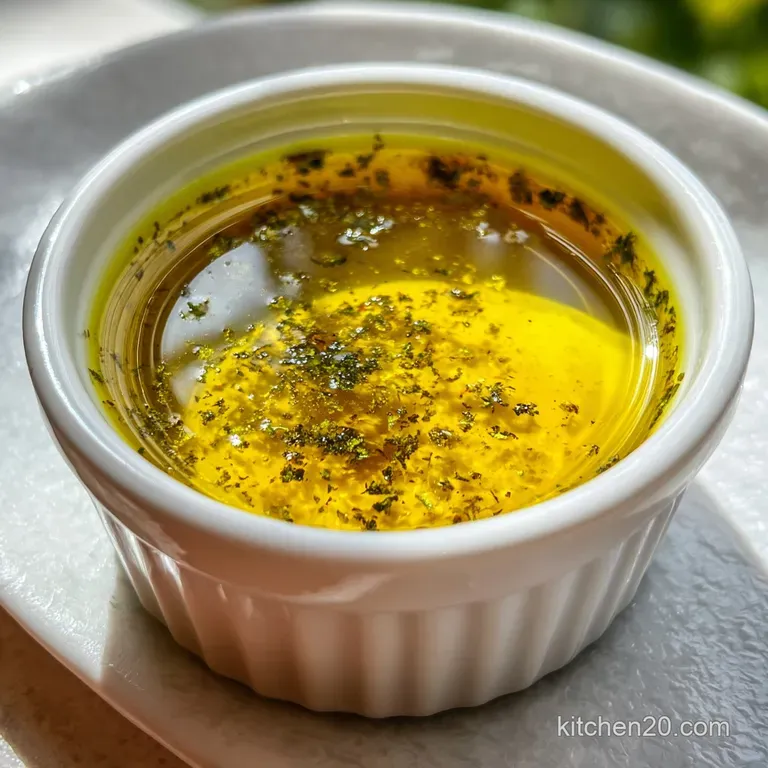
- Mince garlic cloves. Aim for a paste like consistency to ensure the flavor is evenly distributed. Note: This prevents anyone from getting a huge "garlic bomb" in one bite.
- Chop fresh rosemary. Remove the leaves from the woody stem and mince until they are almost a powder.
- Prepare Italian parsley. Use only the leaves and chop finely until you smell a bright, grassy aroma.
- Combine acids. Whisk the 2 tablespoons of balsamic vinegar and 1 tablespoon of lemon juice in a small bowl. Note: Mixing the acids first helps them stay suspended together later.
- Add aromatics. Stir the minced garlic, rosemary, parsley, and 1 teaspoon of dried oregano into the acid mixture.
- Season the base. Incorporate the 0.5 teaspoon of red pepper flakes, sea salt, and black pepper.
- Pour olive oil. Gently pour the 1 cup of extra virgin olive oil over the herb and acid base.
- Agitate gently. Use a fork to swirl the mixture until the balsamic forms dark, velvety beads throughout the golden oil.
- Rest the mixture. Let it sit for 5 minutes at room temperature until the dried oregano softens slightly.
- Serve immediately. Pair with warm, crusty bread while the flavors are at their peak.
Troubleshooting Common Flavor Issues
Sometimes the connectivity of the ingredients feels a bit off. If your dip tastes a bit flat, it is usually an issue of balance rather than quantity. Similar to how we balance the creamy elements in a Homemade Garlic Aioli recipe, this dip relies on the interaction between fat and acid.
Signs of Bitterness
If the oil tastes overly bitter or "metallic," your oil might be past its prime. Olive oil is a fresh product, not a fine wine that ages well. You can try to save it by adding a tiny pinch of sugar to mask the bitterness, but usually, it is a sign you need a fresher bottle.
Overpowering Garlic
We have all been there. If the garlic is stinging your tongue, you can mellow it out by adding a bit more oil or a splash more balsamic. Next time, try "blooming" the garlic in the lemon juice for 2 minutes before adding anything else; the acid helps neutralize the harsh sulfur compounds.
Oil and Vinegar Separation
It is totally normal for the vinegar to sink to the bottom. To keep it looking like a professional Olive Oil Dip Recipe, give it a quick swirl with a piece of bread right before you eat.
| Problem | Cause | Fix |
|---|---|---|
| Too salty | Sea salt didn't dissolve | Whisk the salt into the lemon juice first next time |
| Herbs taste "woody" | Rosemary wasn't chopped fine enough | Run your knife through it until it's almost a paste |
| No "pop" | Lacking acidity | Add an extra teaspoon of lemon juice just before serving |
Scaling Your Party Portion
- Scaling Up (2x-4x)
- Increase the oil and vinegar proportionately, but keep the red pepper flakes and salt at 1.5x the original amount. You can always add more salt, but you can't take it out once it's in there!
- Scaling Down (½)
- Use a smaller bowl so the oil isn't spread too thin. Keep the garlic at a full 2 cloves, because a little extra punch never hurt anyone in a smaller batch.
- Timing for Events
- If you're prepping for a party, mix the herbs, spices, and acids in a jar up to 24 hours ahead. Don't add the oil until 10 minutes before the guests arrive to keep the color of the parsley bright and fresh.
Debunking Common Kitchen Myths
- Myth: You must use the most expensive "finishing" oil for it to be good.
- Truth: While quality matters, a very expensive, delicate oil can sometimes be drowned out by the pungent garlic and balsamic. A solid, mid range EVOO with a peppery finish often works better.
- Myth: Fresh oregano is always better than dried.
- Truth: In oil based dips, dried oregano actually hydrates and releases a more concentrated "pizza shop" nostalgia that fresh oregano can't replicate.
Storage and Zero Waste Tips
Storage: This dip is best enjoyed fresh. If you have leftovers, store them in an airtight jar in the fridge for up to 3 days. The oil will solidify in the cold, so you'll need to leave it on the counter for 20 minutes to liquify again before serving.
Do not microwave it, as that will cook the fresh herbs and change the flavor profile completely.
Zero Waste: Never pour leftover oil down the drain! If you have a small amount left, use it as a marinade for chicken or fish the next night. It also makes an incredible base for a salad dressing just whisk in a little more mustard and vinegar.
You can even toss it with some cubed bread and bake them to make the most flavor packed croutons you have ever had.
Ideal Pairing and Serving Suggestions
The obvious choice is a warm baguette or a loaf of ciabatta, but let's think bigger. This dip is basically a flavor concentrate platform. I love serving it alongside a spread of roasted vegetables or as a finishing drizzle over a Beurre Monté Silky recipe for a Mediterranean twist.
Chef's Note: If you want to go the extra mile, toast your bread in a Lodge Cast Iron Skillet with a tiny bit of butter before dipping. The crunch of the toasted bread against the silky oil is a texture combination that wins every time.
- For a smoky finish
- Swap the sea salt for smoked Maldon salt.
- For a creamy texture
- Whisk in a tablespoon of finely grated Parmesan cheese.
- For more heat
- Double the red pepper flakes and add a dash of hot honey.
FAQ: Making the Best Choices
Selecting the Right Vinegar
While Modena balsamic is the standard, don't feel locked in. A white balsamic can keep the dip looking "cleaner" and brighter if you're serving it on a white plate. Just ensure whatever you use has enough sugar content to balance the lemon juice.
Fresh vs Dried Herbs
I always stick to fresh parsley and rosemary for this. Dried parsley is basically green confetti it has zero flavor. Rosemary is so resinous that the dried version can feel like eating pine needles. The oregano is the only place where dried truly wins for that classic Mediterranean Dip Recipe feel.
Handling Garlic Breath
If you're worried about the pungent after effects, try removing the "germ" (the little green core) from the center of the garlic cloves. It's the part that's hardest to digest and causes the most lingering odor. You're welcome!
Recipe FAQs
Can I use dried herbs instead of fresh rosemary and parsley?
No, use fresh rosemary and parsley for this recipe. Dried parsley offers very little flavor, acting more like green confetti, and dried rosemary can taste woody. The dried oregano is the exception, as it offers a more concentrated classic Mediterranean flavor profile.
How long can I make this dip ahead of time for a party?
Yes, you can prep the herb base ahead of time. Mix all the herbs, garlic, spices, and acids together up to 4 hours in advance to let the flavors meld. Add the olive oil only 10 minutes before serving to ensure the parsley stays vibrant.
My olive oil separated after sitting; is the dip ruined?
No, separation is normal for this recipe. The vinegar naturally settles to the bottom because it is denser than the oil. Just give the dip a quick swirl right before you serve it, similar to how you would re-emulsify a vinaigrette.
What is the best way to avoid harsh, overpowering garlic flavor?
Remove the green germ from the center of the cloves. This small inner sprout is difficult to digest and often causes the most lingering bitterness or sharp bite. If you are worried, try blooming the minced garlic in the lemon juice for two minutes before mixing in the oil.
If my dip tastes too bitter, what is the fastest fix?
Add a very small amount of sugar or more balsamic vinegar. Bitterness often comes from overly aged oil or unripened ingredients, which you can combat by adding a touch of sweetness to balance the palate. If you enjoyed balancing these contrasting flavors, see how we use acid to cut richness in our Creamy Dreamy Simple Alfredo Sauce Recipe Youll ADORE.
Should I use white balsamic or traditional dark balsamic vinegar?
Use dark, aged balsamic for the best flavor depth. While white balsamic works to keep the dip visually bright, dark balsamic offers a necessary syrupy sweetness that balances the pungency of the garlic and the pepperiness of the oil.
Can I use this oil dip as a dressing for a fresh salad?
Yes, this makes an excellent, robust salad dressing. The ratio is already close, but you should whisk in an extra teaspoon of Dijon mustard to help stabilize the emulsion further. This technique of using a strong emulsifier works similarly to binding agents in other recipes, like our approach in the Elevated Veggie Cups with Classic Herby Vegetable Dip.
Ridiculously Good Olive Oil Dip
Ingredients:
Instructions:
Nutrition Facts:
| Calories | 245 kcal |
|---|---|
| Protein | 0.2 g |
| Fat | 27.1 g |
| Carbs | 1.2 g |
| Fiber | 0.1 g |
| Sugar | 0.5 g |
| Sodium | 146 mg |
