Roasted Tomato Caprese Salad: Silky Cheese
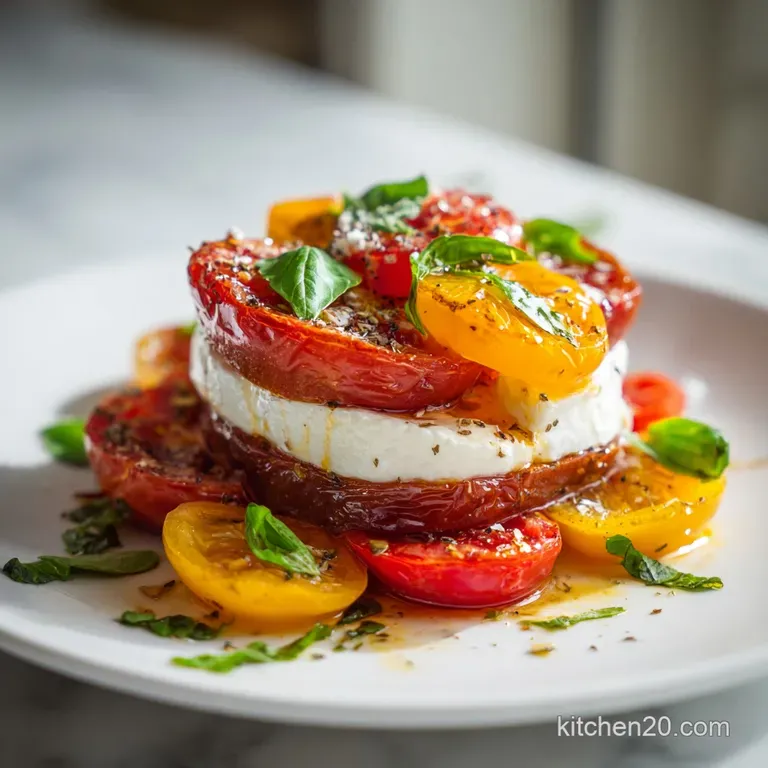
- Time: Active 5 minutes, Passive 15 minutes, Total 20 minutes
- Flavor/Texture Hook: Blistered, jammy tomatoes meeting silky, semi melted mozzarella pearls.
- Perfect for: Elegant dinner parties, modern holiday appetizers, or a sophisticated weeknight side.
- Revolutionizing Your Table With Roasted Tomato Caprese Salad
- Why This Flavor Profile Works
- Essential Salad Recipe Metrics
- Curating Your Premium Ingredient Palette
- Modern Kitchen Tools for Success
- Step-by-Step Culinary Implementation
- Navigating Common Culinary Setbacks
- Creative Salad Innovation Pathways
- Smart Logistics and Storage Strategy
- Artful Presentation and Plating Design
- Culinary Myths Debunked
- Recipe FAQs
- 📝 Recipe Card
Revolutionizing Your Table With Roasted Tomato Caprese Salad
You know that feeling when you bite into a standard Caprese salad in the middle of winter and the tomatoes just feel... hollow? It’s disappointing. I remember hosting a small get together last November, trying to cling to the memory of summer, and the tomatoes were watery and sad.
That’s when I decided to flip the script. I threw those lackluster cherry tomatoes onto a sheet pan with a heavy glisten of oil and let the oven do the heavy lifting. The result wasn't just a salad; it was a total transformation of how we think about this classic Italian trio.
When those skins finally shatter under the heat and the juices start to caramelize against the pan, the aroma is enough to pull everyone into the kitchen. It’s a sensory experience that connects the rustic comfort of a roast with the sharp, clean brightness of a salad.
We’ve all made mistakes with soggy basil or rubbery cheese, but this method creates a cohesive ecosystem of flavor that honestly makes the "raw" version feel like it's missing a gear. It’s about building a better platform for these ingredients to shine, regardless of the season.
This Roasted Tomato Caprese Salad is the solution for anyone who wants a "wow" dish without spending three hours at the stove. It’s sophisticated enough for a formal dinner but simple enough that you can prep it while your guests are already pouring their first glass of wine.
We’re moving beyond the traditional cold plate and into something much more intentional and connective.
Why This Flavor Profile Works
- Thermal Transformation: Applying high heat triggers the Maillard reaction in the tomato skins, converting simple starches into complex, jammy sugars that raw fruit simply cannot match.
- Emulsion Synergy: The warm tomato juices mingle with the extra virgin olive oil on the pan, creating a natural, warm vinaigrette that binds the basil and mozzarella together.
- Cellular Breakdown: Roasting softens the pectin in the tomato walls, allowing them to release their savory glutamates which provide that deep umami hit.
- Aromatic Infusion: The thinly slivered garlic doesn't just sit on top; it "confits" in the oil, losing its harsh bite and becoming a mellow, buttery companion to the fruit.
| Preparation Method | Total Time | Resulting Texture | Best Occasion |
|---|---|---|---|
| Oven Roast | 15 minutes | Blistered skins, jammy interior | Dinner parties / Formal sides |
| Stovetop Sear | 8 minutes | Charred exterior, firm center | Quick weeknight snacks |
| Traditional Raw | 5 minutes | Crisp, watery, refreshing | Peak summer outdoor lunch |
The choice between methods really comes down to the depth of flavor you're chasing. While the stovetop is fast, the oven provides a surround sound heat that ensures every tomato is equally jammy and concentrated.
For this specific recipe, the oven is our primary tool because it allows the garlic to mellow without burning to a crisp.
Essential Salad Recipe Metrics
| Component Analysis | Science Role | Pro Secret |
|---|---|---|
| Cherry Tomatoes | Acidic base and sugar source | Use a mix of colors to vary the acidity levels and visual depth. |
| Fresh Mozzarella | Fat carrier and texture contrast | Pat the pearls dry with a paper towel so they don't leach water. |
| Balsamic Glaze | Concentrated tartness (pH balance) | Apply at the very last second to prevent the basil from oxidizing. |
| Extra Virgin Olive Oil | Thermal conductor and flavor bridge | Use a high-quality finishing oil; it’s the primary "sauce" here. |
Selecting the right ingredients is about more than just a shopping list; it’s about understanding how they interact under pressure. For instance, the mozzarella pearls (ciliegine) are small enough to warm through without turning into a puddle of liquid on your platter. If you're looking for other ways to use this roasting technique, you might find it works beautifully when paired with the flavors in this Roasted Tomato Pasta recipe.
Curating Your Premium Ingredient Palette
- 1 lb cherry tomatoes: Look for firm, shiny skins. Why this? They have the highest sugar to water ratio for roasting.
- Substitute: Grape tomatoes work equally well and hold their shape slightly better.
- 2 tbsp extra virgin olive oil: Use the good stuff here. Why this? It acts as the primary heat conductor and flavor base.
- Substitute: Avocado oil if you want a higher smoke point, though you'll lose the peppery notes.
- 2 cloves garlic, thinly slivered: Not minced, but slivered. Why this? Slivers caramelize without burning into bitter charcoal bits.
- Substitute: 0.5 tsp garlic powder tossed in the oil if fresh isn't available.
- 0.5 tsp sea salt: Flaky salt is even better. Why this? It draws out moisture to help the tomatoes blister faster.
- Substitute: Kosher salt (use slightly more as it's less dense).
- 0.25 tsp cracked black pepper: Freshly cracked only. Why this? Pre ground pepper lacks the volatile oils that provide real "pop."
- Substitute: Red pepper flakes for a subtle, connective heat.
- 8 oz fresh mozzarella pearls (ciliegine): Small and uniform. Why this? Their high surface area allows them to catch the warm oil perfectly.
- Substitute: Bocconcini cut into quarters or even torn bits of a large Burrata ball.
- 1 cup fresh basil leaves, hand torn: Hand tearing prevents bruising. Why this? It releases the oils without the metallic "cut" of a knife.
- Substitute: Fresh oregano or flat leaf parsley for a different herbaceous profile.
- 2 tbsp balsamic glaze: Thick and syrupy. Why this? It clings to the tomatoes rather than running off the plate.
- Substitute: A reduction of balsamic vinegar and a touch of honey.
Modern Kitchen Tools for Success
Chef's Tip: Freeze your mozzarella pearls for exactly 5 minutes before you plan to toss them with the hot tomatoes. This brief cold shock creates a "thermal barrier" that allows the outside of the cheese to get soft and velvety while the inside remains slightly firm, preventing the whole salad from becoming a melted mess.
To execute this properly, you’ll need a heavy rimmed baking sheet (like a Nordic Ware half sheet). The rim is crucial because the tomatoes will release a significant amount of liquid as they roast, and you don't want that flavor gold spilling into your oven.
A parchment paper lining is optional but highly recommended; it prevents the balsamic sugars and tomato juices from sticking to the metal, making cleanup a breeze and ensuring you can scrape every drop of oil onto your serving platter.
I also suggest using a wide, shallow serving bowl rather than a deep one. This is a "presentation first" dish. A shallow bowl allows you to spread the ingredients out so that every bite has a piece of cheese, a blistered tomato, and a shard of basil.
When you crowd everything into a deep bowl, the tomatoes at the bottom get crushed, and the basil gets soggy from the weight and heat.
step-by-step Culinary Implementation
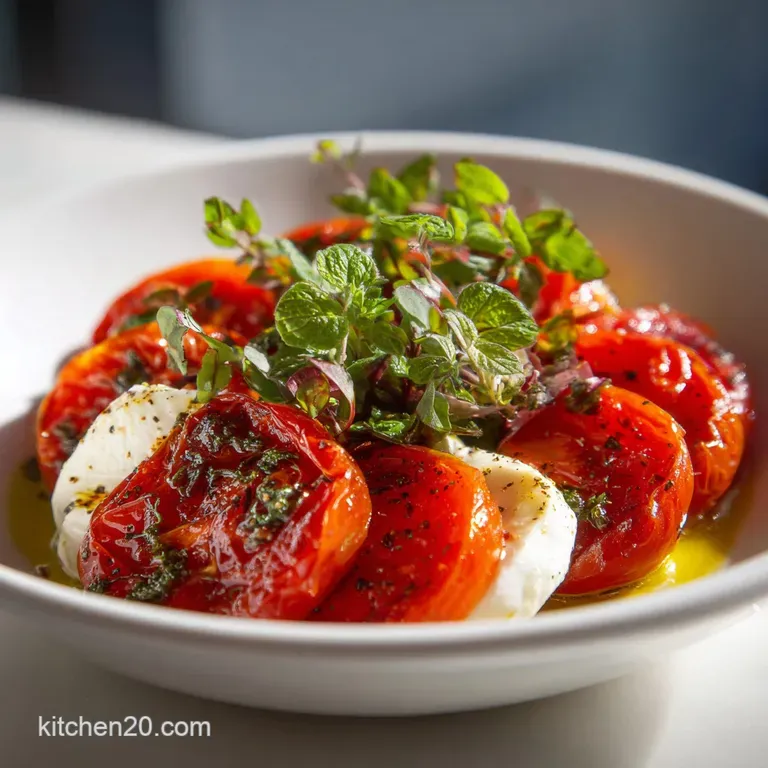
1. The over High heat Roast
Preheat your oven to 400°F (200°C). Arrange the 1 lb cherry tomatoes on your rimmed baking sheet in a single layer. Note: Overcrowding causes steaming rather than roasting, so give them some breathing room.
2. The Aromatic Infusion
Drizzle the tomatoes with the 2 tbsp extra virgin olive oil. Scatter the 2 slivered garlic cloves over the top, then sprinkle with 0.5 tsp sea salt and 0.25 tsp cracked black pepper. Note: Ensure the garlic slivers are touching the oil to prevent them from drying out.
3. The Blistering Phase
Slide the pan into the oven and roast for 15 minutes. You are looking for the moment the skins shatter and the tomatoes begin to slump.
4. The Sizzle Check
Halfway through (around 7 minutes), give the pan a gentle shake. This rotates the tomatoes and ensures the garlic doesn't stay in one hot spot for too long.
5. The Cool Down Phase
Remove the pan from the oven and let it sit for 2 to 3 minutes. Note: This prevents the mozzarella from melting instantly into a puddle.
6. The Composition
Transfer the warm tomatoes and all the pan juices to a shallow serving bowl. Add the 8 oz mozzarella pearls.
7. The Herb Integration
Scatter the 1 cup of hand torn basil over the mixture. Use a spoon to gently fold the ingredients once or twice just enough to coat the cheese in the warm tomato oil.
8. The Finishing Touches
Drizzle the 2 tbsp balsamic glaze in a zig zag pattern across the top. Serve immediately while the tomatoes are still warm and the cheese is just beginning to soften.
Navigating Common Culinary Setbacks
Why Your Cheese Melted Too Fast
If you end up with a white puddle instead of distinct pearls, the tomatoes were likely too hot when you combined them. Heat management is everything in this recipe. Residual heat is your friend, but direct oven to cheese contact is usually too aggressive.
Why Your Basil Turned Black
Basil is incredibly sensitive to both heat and acidity. If you toss it with the tomatoes while they are bubbling, or if you apply the balsamic glaze and then let it sit for 20 minutes, the leaves will oxidize and turn a murky grey.
| Problem | Root Cause | Solution |
|---|---|---|
| Watery Salad | Tomatoes didn't roast long enough | Extend roasting until skins are noticeably wrinkled and charred. |
| Bitter Garlic | Slivered too thin or roasted too long | Add garlic halfway through the roasting process if your oven runs hot. |
| Bland Flavor | Not enough salt to draw out sugars | Season both before roasting and a tiny pinch of flaky salt at the end. |
Common Mistakes Checklist:
- ✓ Pat the mozzarella completely dry before adding to the bowl (prevents a watery mess).
- ✓ Don't use a deep bowl - the weight of the tomatoes will crush the cheese at the bottom.
- ✓ Avoid pre minced garlic in a jar; it burns instantly and tastes metallic.
- ✓ Never cut the basil with a knife; the metal causes the edges to darken immediately.
- ✓ Let the tomatoes rest on the pan for 3 minutes before assembly to stabilize the temperature.
Creative Salad Innovation Pathways
If you want to take this platform even further, consider a "Decadent Upgrade." Swap the mozzarella pearls for a large ball of Burrata placed right in the center of the warm tomatoes.
When you break the Burrata open, the creamy interior flows out and connects with the roasted juices to create a velvety sauce that is out of this world. It’s a total game changer for a dinner party.
For a more "Mediterranean Twist," you can add a tablespoon of drained capers and some pitted Kalamata olives to the sheet pan during the last 5 minutes of roasting. The saltiness of the olives provides a sharp contrast to the sweetness of the tomatoes. If you enjoy this salty sweet dynamic, you might also love the flavor profile of our Sweet Silky Roasted Red Peppers recipe.
- If you want a crunchier texture, add 1/4 cup of toasted pine nuts at the very end.
- If you want a heartier meal, serve the entire mixture over a bed of warm farro or quinoa.
- If you want more zing, add a teaspoon of lemon zest to the basil before tossing.
Smart Logistics and Storage Strategy
This dish is best served immediately because the magic lies in the temperature contrast between the warm fruit and the cool cheese. However, life happens! If you have leftovers, store them in an airtight container in the fridge for up to 3 days.
Just know that the basil will lose its brightness and the cheese will firm up again.
To revive leftovers, I don't recommend the microwave. Instead, toss the whole mixture into a pan over medium heat for 2 minutes just enough to wake up the oils. Alternatively, these leftovers make an incredible topping for toasted sourdough or can be stirred into a quick pasta.
The leftover tomato oil is liquid gold; don't waste it! It has all the concentrated essence of the garlic and roasted tomatoes.
If you find yourself with extra roasted tomatoes but no cheese, you can freeze the roasted tomatoes in their oil for up to 3 months. They won't work for a fresh salad later, but they are a fantastic "flavor bomb" for soups or stews.
This zero waste approach ensures that even the scraps of your prep work contribute to your next meal.
Artful Presentation and Plating Design
For a "Restaurant Quality Plating" look, don't just dump everything in a pile. Start with a layer of the roasted tomatoes, then nestle the cheese pearls into the gaps. This makes the dish look intentional rather than accidental.
When you add the basil, think of it as a garnish, not just an ingredient place the larger leaves at the bottom and the tiny, tender "micro" leaves from the top of the sprig on the very top.
If you're serving this as part of a larger spread, it pairs beautifully with other roasted elements. I often serve it alongside our Roasted Fingerling Potatoes recipe to create a variety of textures on the table. The contrast between the crispy potatoes and the soft, jammy tomatoes is always a hit with guests.
Finally, the balsamic glaze should be the very last thing that touches the plate. Use a squeeze bottle to create thin, purposeful lines. It’s not just about aesthetics; it ensures that the acidity is distributed evenly across every bite, providing that final "zing" that cuts through the richness of the olive oil and mozzarella.
Culinary Myths Debunked
One common misconception is that Caprese salad must always be cold to be authentic. While the traditional Insalata Caprese from the island of Capri is indeed a raw dish, Italian cuisine is deeply rooted in "Cucina Povera," which encourages using heat to bring out the best in seasonal produce.
Roasting tomatoes isn't an "incorrect" method; it's a culinary evolution that honors the ingredient's potential.
Another myth is that you need to peel the tomatoes for a "refined" salad. In reality, the skin is where most of the flavor and nutrients are stored. When roasted at high heat, the skins become thin and almost crisp, adding a necessary textural element that prevents the salad from being one dimensionally soft.
Trust the process and keep the skins on they are the "shatter" factor that makes this dish so addictive.
Finally,, don't believe the idea that you shouldn't salt tomatoes until the last second. While salt does draw out moisture, in a roasting scenario, we want that moisture to release and then evaporate, which concentrates the sugars.
Salting before they hit the oven is the secret to getting that jammy, concentrated flavor we're after.
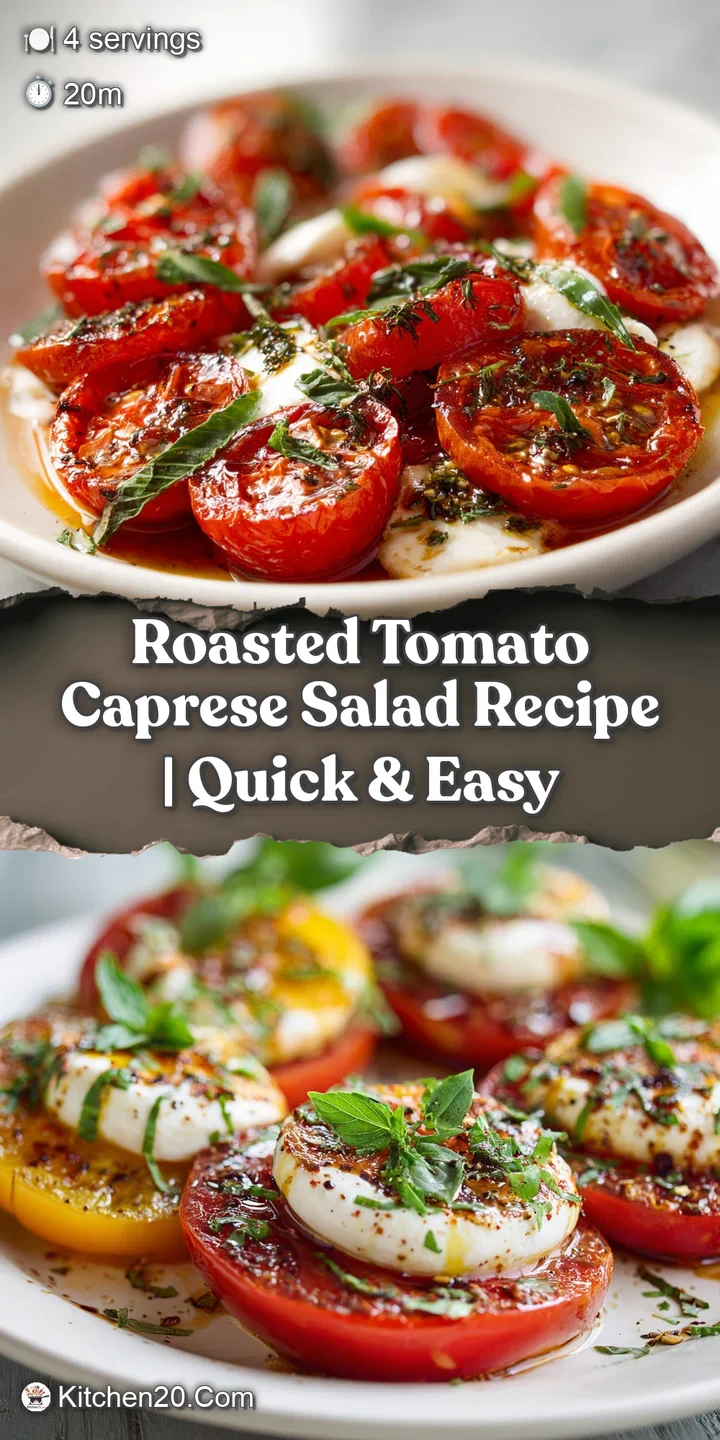
Recipe FAQs
Can I substitute fresh mozzarella pearls with fresh mozzarella block?
Yes, but you must cut it precisely. If using a block, cut the cheese into uniform 1/2 inch cubes so they can warm through evenly without melting completely.
How to tell when the tomatoes are perfectly roasted?
Look for visible skin blistering and slumping. The skins should appear wrinkled and slightly charred where they touch the pan, indicating that the sugars inside have caramelized.
How to prevent the basil from turning black after assembling?
Add the torn basil only after the warm tomatoes have rested for 3 minutes. Heat and acid cause immediate oxidation, so incorporate the herbs last and serve right away.
Is it true I must use a double boiler for roasting the tomatoes?
No, this is a common misconception. A heavy rimmed baking sheet allows the direct heat needed to blister the skins, while the residual olive oil acts as the perfect cooking medium.
How to achieve a sweet and savory balance in the final dish?
Control the finishing acidity carefully. Drizzle the thick balsamic glaze only after plating, ensuring the deep sweetness from the roasted tomatoes is balanced by the glaze's tartness.
How to incorporate more savory depth into the tomato roasting stage?
Toss slivered garlic directly with the tomatoes and oil before roasting. The slow heat mellows the garlic's harshness, allowing it to confit and infuse the entire oil base with umami.
How to store leftovers for future use?
Store the tomatoes and cheese mixture separately from the basil. The leftover warm tomato oil is excellent as a flavorful base for other dishes; if you enjoyed the depth of flavor here, apply that same roasting principle to our Grandmas Sunday Gravy recipe.
Roasted Tomato Caprese Salad
Ingredients:
Instructions:
Nutrition Facts:
| Calories | 245 kcal |
|---|---|
| Protein | 10.8 g |
| Fat | 17.3 g |
| Carbs | 11.5 g |
| Fiber | 1.4 g |
| Sugar | 7.8 g |
| Sodium | 501 mg |
