Baked Spaghetti Squash: Browned Butter Herbs
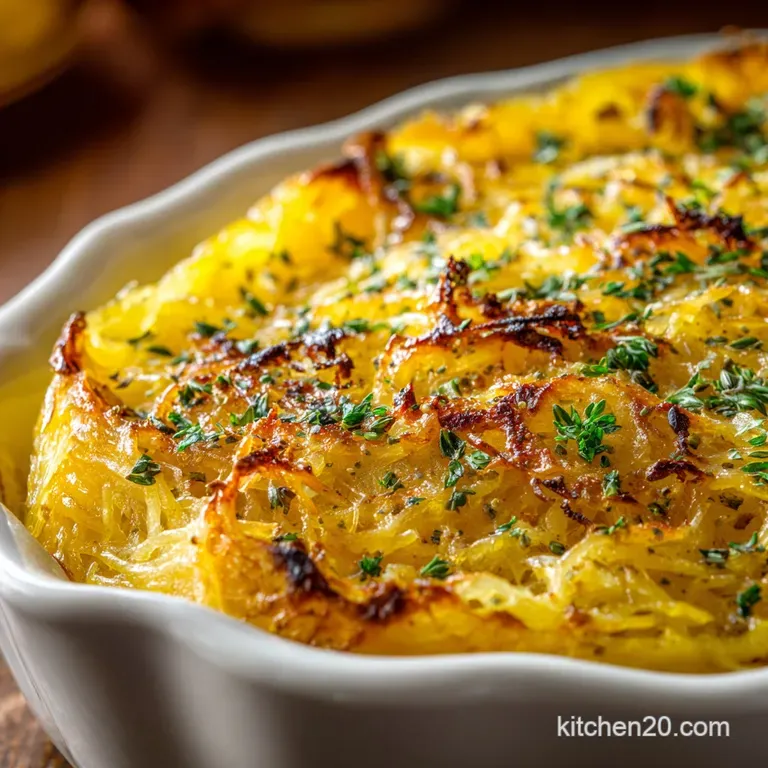
- The Ultimate Low-Carb Swap: Introducing Baked Spaghetti Squash
- The Secret to Al Dente "Noodles": Why Roasting is Superior
- Gather Your Essentials: Ingredients, Quality, and Smart Swaps
- From Prep to Plate: Detailed Steps for Perfect Baked Squash
- Troubleshooting and Advanced Techniques for Optimal Results
- Preparing Ahead and Preserving Leftovers: Storage Guide
- Beyond the Side Dish: Pairing and Presentation Ideas
- Recipe FAQs
- 📝 Recipe Card
The Ultimate Low-Carb Swap: Introducing Baked Spaghetti Squash
Oh my goodness, you absolutely have to try this. When that perfect winter squash hits the oven, it doesn’t just cook, it transforms, filling your kitchen with an incredibly warm, nutty, and slightly sweet scent that promises comfort food magic.
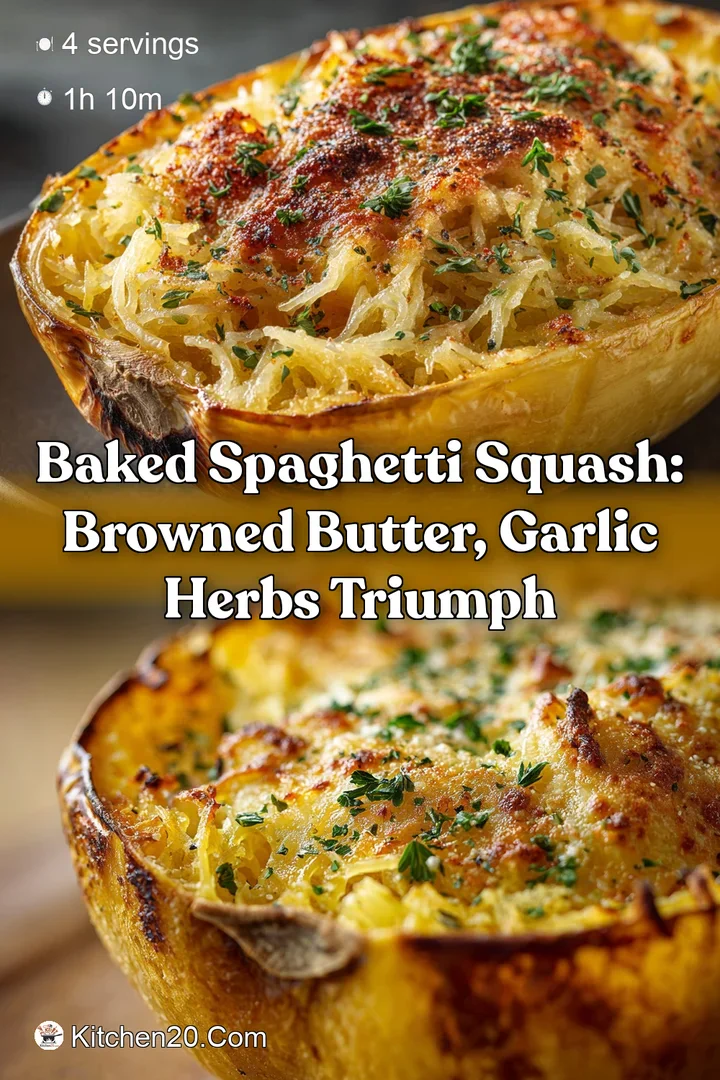
Forget bland sides; we are talking about perfectly textured, slightly caramelised strands ready to soak up the most glorious browned butter bath. This is how you make Baked Spaghetti Squash unforgettable.
I swear, this recipe is a total lifesaver, especially when you need something genuinely healthy but ridiculously fast. It’s cheap, requires maybe 10 minutes of active work, and is the ultimate sneaky way to cut carbs without feeling deprived.
It’s the kind of side dish that steals the show, yet asks for almost zero effort. Seriously, once you master this method, you’ll be making Baked Spaghetti Squash every week.
So, let's ditch the soggy, microwaved methods right now. We're going over high heat, maximizing flavour concentration, and finishing things off with a simple yet decadent brown butter and herb sauce. Trust me, this specific technique guarantees sweet, sturdy strands every single time.
Get ready, because this Baked Spaghetti Squash recipe is about to become your new kitchen MVP.
The Secret to Al Dente "Noodles": Why Roasting is Superior
Why bother with roasting when the microwave is faster? Because flavour isn't negotiable, darling. Microwave cooking essentially steams the squash from the inside out, leading to strands that are waterlogged and mushy, lacking any real depth. We want robust, slightly chewy texture, akin to actual pasta.
What Makes Browned Butter & Garlic the Ideal Finish?
Brown butter (or beurre noisette ) is pure magic. It’s simple butter, cooked just past the melting point until the milk solids toast and take on a deep, hazelnut aroma.
This process adds an incredible layer of complexity a depth of flavour that a plain melted butter sauce simply cannot touch. Pairing that nutty richness with fresh thyme and sharp garlic ensures the Baked Spaghetti Squash isn’t just creamy, but savory and fragrant too.
Nutritional Snapshot: Is Squash Really a Pasta Replacement?
Listen, no vegetable will ever taste exactly like durum wheat pasta, but spaghetti squash offers fantastic structural integrity and a wonderful neutral canvas. It’s incredibly low in calories and high in fibre and essential vitamins, making it a stellar substitution for those aiming for low-carb or gluten-free meals.
Plus, when you load it up with healthy fats from the browned butter, it’s surprisingly satisfying. Making a perfect Baked Spaghetti Squash is truly a win-win situation.
Tools of the Trade: Essential Equipment You'll Need
You don’t need a fancy gadget drawer for this, thank goodness. A really sharp knife is non-negotiable for safety when cutting the hard squash. I also strongly recommend using a light coloured saucepan for the brown butter. Why?
Because you need to watch those milk solids change colour, and a dark pan hides the critical moment before they burn. A large, sturdy fork is crucial for shredding the perfect Baked Spaghetti Squash strands.
Concentrating Flavor: The Science of over High heat Baking
We’re baking this at 400°F (200°C), which might seem high, but it’s intentional. This heat encourages the water content in the squash to evaporate quickly, preventing sogginess. It also promotes subtle caramelization around the edges.
This concentration of flavour elevates the natural sweetness of the squash, giving the finished dish a richer, deeper taste than if you slow baked it.
The Maillard Reaction and Its Role in Sweetness
When the cut surface of the squash hits that hot pan, we get a bit of the Maillard reaction happening. This chemical reaction browns the surface (even though it's face down) and develops deeper, more complex flavour compounds.
This subtle sweetness is what makes truly great Baked Spaghetti Squash stand out from the mediocre versions.
Why We Cut the Squash Lengthwise (And Why It Matters)
This is my secret weapon. Most recipes tell you to cut the squash width wise (into rings). Don't do it! Spaghetti squash strands naturally run lengthwise down the squash. By cutting it from stem to end, you maximize the length of your resulting 'noodles' when you scrape them out.
This is a small adjustment, but it makes the final presentation and eating experience so much better. Long, beautiful strands of Baked Spaghetti Squash are the goal.
Gather Your Essentials: Ingredients, Quality, and Smart Swaps
Simplicity rules here, but quality matters, especially with butter and garlic. Since there are only a handful of ingredients, make them count. This method relies on the roasting process and the nutty fat to do the heavy lifting.
| Ingredient | Role | Substitution |
|---|---|---|
| Spaghetti Squash | The Base | Acorn or Butternut (if you don't need the 'spaghetti' texture) |
| Unsalted Butter | Flavour & Fat | Ghee (for higher smoke point) or quality vegan butter |
| Garlic | Aromatic Kick | Shallots, minced very finely (use 1 medium shallot) |
| Fresh Thyme | Earthy Herb | Fresh Sage or Rosemary (use half the amount, they are strong!) |
| Parmesan Cheese | Salty/Umami | Nutritional Yeast (2 3 Tbsp) + a pinch more salt |
Selecting the Perfect Spaghetti Squash
When you’re at the market, look for squash that feels heavy for its size. The skin should be hard, smooth, and free of soft spots or cracks. A dull yellow colour is usually a good indicator of ripeness. Avoid any that look pale green they haven't matured enough and won't be as sweet.
Remember, a great Baked Spaghetti Squash starts with excellent raw material.
Achieving the Perfect Nutty Brown Butter (Beurre Noisette)
This is the most crucial step and the one that requires your full attention. Melt the butter over medium heat in a small pan. It will melt, then foam wildly. Once the foaming starts to subside, you'll see tiny specks forming at the bottom. Keep swirling!
They will turn from white to golden brown, and you’ll smell a distinct hazelnut aroma. As soon as it hits that beautiful nutty brown, pull it off the heat immediately . If you leave it on for 30 more seconds, it will burn and taste bitter.
Herb Profile: Best Fresh Alternatives to Use
Thyme is my favourite because it’s robust enough to stand up to the garlic and the roasting, but fresh parsley is essential for that pop of green freshness at the end. If you want a Mediterranean twist, swap the thyme for fresh oregano.
If you want something autumnal and deep, a small amount of finely minced fresh sage works wonders with the brown butter profile of this Baked Spaghetti Squash .
Salt and Seasoning Ratios for Maximum Impact
We season the squash twice: once before roasting and once after, when we toss it with the sauce. Seasoning the cut side before roasting helps draw out excess moisture and starts building the flavour base. The final pinch of salt and pepper, added after the Parmesan, brings all the flavours into sharp focus.
Don't be shy with the salt, especially if you skip the Parmesan!
Chef's Note: My biggest mistake early on was not using enough olive oil on the cut surface before roasting. The oil creates a protective layer that helps steam the insides while allowing the edges to achieve that perfect golden caramelization. It’s essential for amazing Baked Spaghetti Squash .
From Prep to Plate: Detailed Steps for Perfect Baked Squash
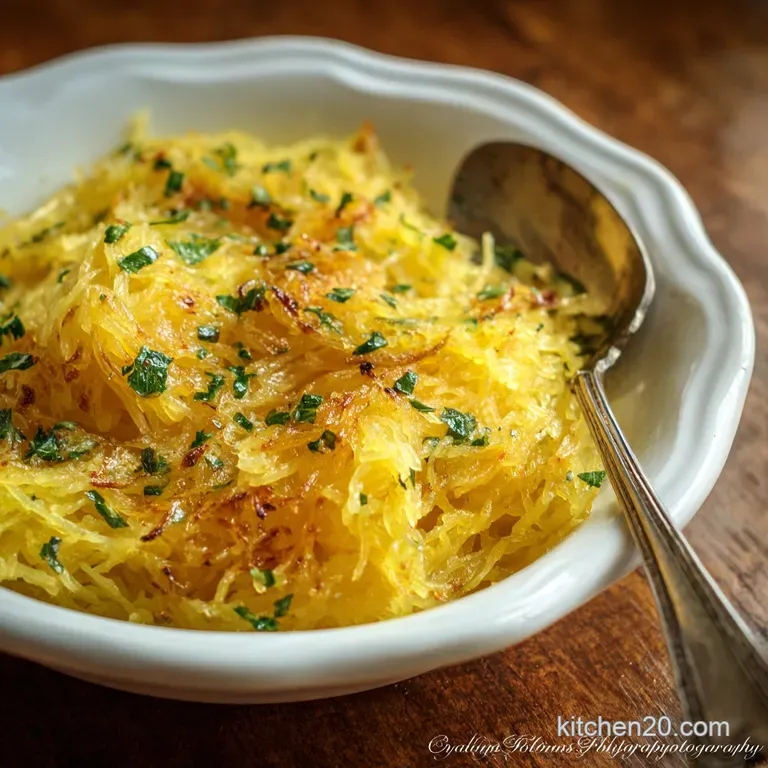
Prepping the Squash Safely (The Easiest Way to Cut)
Safety first! Place your cutting board on a damp kitchen towel to prevent slippage. Using a very sharp knife, carefully pierce the squash near the stem and push straight down, following the length of the squash all the way through the bottom.
If the rind is incredibly tough, pierce it all over with a fork and microwave the whole squash for 3 minutes; it will soften the skin just enough to make the slicing much easier. Once halved, scoop out the seeds and stringy bits with a sturdy spoon. Drizzle with olive oil, salt, and pepper.
Roasting Time and Temperature Calibrations
Preheat your oven to 400°F (200°C). Place the squash halves cut-side down on a parchment lined baking sheet. This ensures the cut surface is steaming slightly while the moisture escapes, concentrating the flavour. Roast for 45– 50 minutes.
The squash is perfectly cooked when you can easily pierce the skin with a fork, and the flesh is tender but not collapsing. If you want a quick way to serve a healthy side, this method for Baked Spaghetti Squash is flawless.
Shredding the Strands: Technique for Long, Uniform "Pasta"
Let the halves cool for about 5 minutes; you don’t want to burn your fingers! Hold one half steady. Using a fork, gently scrape the flesh, working from the outer edge toward the centre. The squash should separate easily into long, spaghetti like strands.
Transfer all the strands to a large mixing bowl. If you find any overly mushy bits, just discard them, but using this baking technique minimizes that risk when making great Baked Spaghetti Squash .
Incorporating the Browned Butter and Aromatics
While the squash cools, make the sauce. Brown the butter as described above until nutty. Remove from heat and immediately stir in the minced garlic and thyme (and red pepper flakes, if using).
The residual heat of the butter will cook the garlic just enough to become fragrant about 30 seconds without burning it. Pour the entire mixture over the squash strands. Add the Parmesan, and the remaining salt and pepper. Toss gently with tongs.
Don't mix too aggressively or you'll break the beautiful strands. Toss lightly until everything is coated. This simple coating turns plain Baked Spaghetti Squash into something spectacular.
Troubleshooting and Advanced Techniques for Optimal Results
Preventing Watery Squash Strands (A Critical Step)
The secret is ensuring proper drainage during cooking and reducing internal moisture. Always roast cut-side down. If you cut the squash and notice condensation pooling in the middle, you can sprinkle a tiny pinch of salt over the cut side before the oil salt helps draw moisture out.
When you shred the strands, if they seem overly wet, let them sit in the mixing bowl for a minute or two and then blot any excess liquid with a clean paper towel before adding the butter.
The Danger of Over Baking (Mushy Results)
Over baking is the number one enemy of satisfying Baked Spaghetti Squash . If you roast it for too long, the cell structure breaks down entirely, and you get a wet, gluey mess, not separate strands. Start checking for doneness around 40 minutes.
The skin should yield to gentle pressure, but the flesh should still feel firm, not sloppy. Remember that carryover heat will continue to cook it slightly once it’s out of the oven.
When to Adjust Your Oven Rack Placement
I always recommend roasting the squash on the middle rack. If you place it too high, you risk burning the delicate edges before the centre is fully cooked. If you place it too low, you might not get the necessary heat intensity needed for proper moisture evaporation. Consistency is key when perfecting this Baked Spaghetti Squash . This same principle applies when I make my famous Twice Baked Potatoes Recipe: The Ultimate Creamy Cheesy Side Dish .
Preparing Ahead and Preserving Leftovers: Storage Guide
Best Methods for Reheating Without Losing Texture
The absolute best way to reheat leftover Baked Spaghetti Squash is in a skillet on the stovetop. Use medium heat and toss the strands gently for about 5– 7 minutes until heated through. The dry heat helps re-crisp the edges slightly.
Avoid the microwave if possible, as it adds moisture and can make the strands mushy, defeating all your perfect roasting efforts.
Refrigerating Cooked Strands vs. Whole Halves
If you plan to eat the leftovers within 2 3 days, you can simply store the shredded and seasoned strands in an airtight container in the fridge. They hold up quite well! However, for longer storage (up to 5 days), I recommend scraping the strands out, placing them in a container without the sauce, and storing the brown butter sauce separately.
You can combine and reheat right before serving.
Can You Freeze Baked Spaghetti Squash?
You bet, but be warned: the texture changes slightly. It won't be as 'al dente' as freshly made. To freeze, scrape the plain, unseasoned strands (no butter or Parmesan) into a freezer bag or container. Squeeze out as much air as possible. It will last for up to 3 months.
When you want to use it, thaw it overnight in the fridge and then squeeze out any excess water that has accumulated before tossing it with fresh brown butter and seasoning. Don't forget that fresh Parmesan when you finish your freezer friendly Baked Spaghetti Squash dish.
Beyond the Side Dish: Pairing and Presentation Ideas
This simple version of Baked Spaghetti Squash is brilliant because it serves as a foundation for so many meals. It’s light enough to accompany richer main courses but substantial enough to carry big, bold flavours.
For a comforting seasonal meal, I love pairing this specific recipe with a juicy roasted salmon fillet. The rich fat from the fish complements the nutty butter perfectly. If you are looking for other cozy baked inspiration, you should definitely check out my recipe for Baked Apples Recipe Easy: Classic Cinnamon Dessert in 45 Minutes — it's the perfect dessert contrast.
You can also use the leftover strands as a base for a fun, quick salad the next day. Toss the cold squash with a little vinaigrette, some toasted nuts, and dried cranberries for a completely new flavour profile.
The versatile texture of the Baked Spaghetti Squash makes it endlessly adaptable for healthy dinners.
Recipe FAQs
How do I prevent the baked spaghetti squash from being watery or mushy?
Mushiness usually results from overcooking or excess residual moisture. To prevent this, ensure you roast the squash cut-side down, which allows excess moisture to steam out effectively during cooking.
If the flesh still seems damp after cooking, lightly blot the surface with a paper towel before adding the browned butter and herbs.
Can I make this recipe dairy-free or vegan, since it uses browned butter?
Yes, this recipe is easily adapted for vegan diets by substituting the browned butter. A quality extra virgin olive oil works perfectly and retains the savoury texture, or you may use a plant based vegan butter alternative. For added richness, stir in a teaspoon of nutritional yeast along with the garlic and herbs.
What is the best way to tell when the spaghetti squash is perfectly cooked?
The squash is perfectly done when the strands separate easily when scraped, offering a satisfying al dente bite rather than a soft mash. Test the exterior by piercing it with a fork; it should meet slight resistance but be easily penetrable, indicating tender flesh beneath the skin.
Should I roast the squash cut-side up or cut-side down?
Roasting cut-side down yields the best texture for spaghetti squash because the flat surface seals in heat, allowing the strands to steam perfectly without drying out. If you desire slight caramelization on the edges, you can flip the squash cut-side up for the final 10 minutes of baking.
How can I transform this herb focused side dish into a complete main course?
This base recipe is excellent for expansion into a low-carb meal. Try tossing the finished squash with cooked, shredded chicken, crumbled Italian sausage, or sautéed shrimp before serving. A sprinkle of Parmesan or goat cheese also elevates it into a more robust dish.
How long do leftovers last, and is it possible to freeze baked spaghetti squash?
Leftovers should be stored in an airtight container in the refrigerator and will remain fresh for up to 3 to 4 days. While technically freezer safe, we generally do not recommend freezing the cooked squash. Freezing dramatically softens the texture upon thawing, destroying that desirable al dente bite.
I only have dried herbs on hand. Can I use them instead of fresh ones?
Yes, dried herbs are a suitable substitute, but remember that their flavour is more concentrated than fresh herbs. Use about one-third of the amount called for in the recipe and ensure you mix them into the melted butter or oil early.
This allows them time to rehydrate slightly and release their full flavour profile during the resting period.
Savvy Baked Spaghetti Squash Recipe
Ingredients:
Instructions:
Nutrition Facts:
| Calories | 350 kcal |
|---|---|
| Protein | 12.5 g |
| Fat | 23.8 g |
| Carbs | 31.1 g |
