The King of Dips Chefs Secret Silky Hummus Better Than Shopbought
- The Pursuit of Perfection: Decoding Truly Silky Hummus
- A History on a Plate: The Origins of Traditional Hummus
- Why Most Homemade Hummus Fails (And How to Fix It)
- Essential Components and Equipment for Superior Silky Hummus
- The Master Method: Step-by-Step Guide to Perfect Hummus
- Transforming Simple Ingredients Into Liquid Gold (The Blending Process)
- Troubleshooting, Storage, and Creative Hummus Variations
- Recipe FAQs
- 📝 Recipe Card
The Pursuit of Perfection: Decoding Truly Silky Hummus
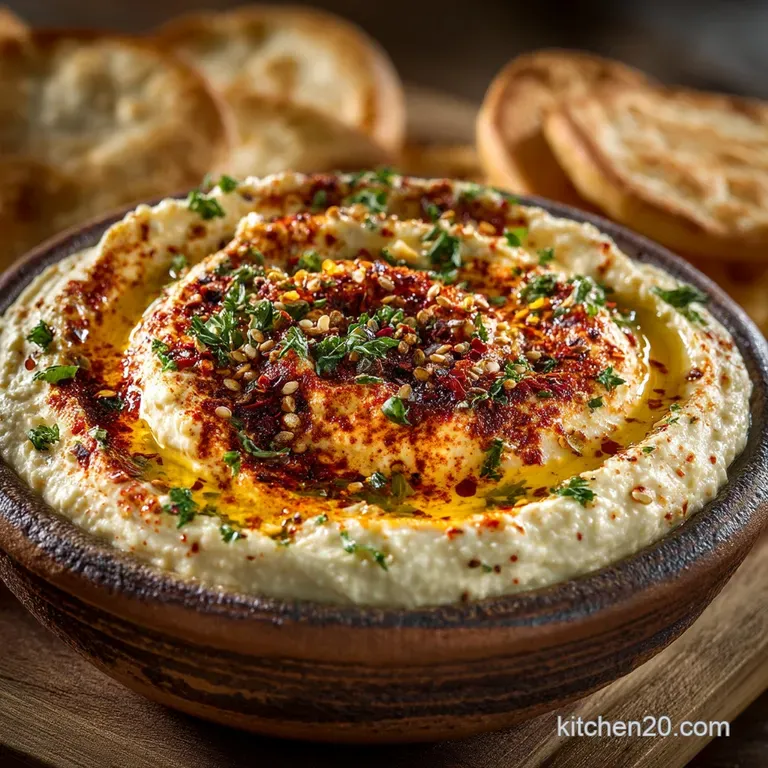
For too many home cooks, attempting a genuine, restaurant quality hummus recipe ends in frustration, yielding a pasty, thick, and somewhat gritty spread. But when executed properly, hummus is nothing short of liquid gold airy, impossibly light, and bright with lemon.
This is the Easy Hummus Recipe that finally delivers that elusive, luxurious texture. Our method, affectionately known as "The King of Dips," is guaranteed to produce Silky Hummus better than anything you’ll find pre-packaged.
The difference lies not in fancy ingredients, but in a crucial, small technique that breaks down the tough outer casings of the chickpeas, transforming them from dense legumes into pillowy, blendable softness.
A History on a Plate: The Origins of Traditional Hummus
Before it became a global supermarket fixture, hummus, or hummus bi tahini (chickpeas with tahini), was, and remains, a cornerstone of Middle Eastern and Mediterranean gastronomy.
Originating in the Levantine region, this simple mixture of chickpeas, tahini, lemon, and garlic is a pillar of Lebanese Recipes , Israeli cuisine, and Syrian and Jordanian tables alike.
Its enduring popularity speaks to its perfect balance: the earthy base of the chickpea, the rich, nutty quality of sesame paste (tahini), and the sharp brightness of fresh citrus. Understanding its heritage helps underscore the importance of honoring those few, powerful Hummus ingredients to achieve an authentic result.
Why Most Homemade Hummus Fails (And How to Fix It)
The primary reason most homemade attempts fall short is texture. Achieving that velvety smooth mouthfeel requires patience and specific intervention, moving the process beyond just blending and into the realm of true technique. We aim for a light, whipped dip, not a heavy paste.
The Baking Soda Secret: Achieving Pillowy Soft Legumes
The most impactful trick is utilizing the secret ingredient of professional kitchens: baking soda. When you boil canned chickpeas, which are already cooked, with half a teaspoon of baking soda (bicarbonate of soda) for 20 minutes, the alkali environment effectively breaks down the cellulose and pectin in the chickpea skins.
This means you don't have to manually peel every single bean. This step ensures that every piece of legume completely integrates into the dip, making the foundation of your Hummus recipe incomparably smooth.
Is it the Chickpeas or the Tahini? Defining the Creaminess Factor
Both components are critical, but they serve different purposes. The chickpeas provide the bulk and structure, which, thanks to the baking soda boil, become blendable. The true richness, however, is driven by the tahini.
A high-quality sesame paste, combined with fresh lemon juice and salt, creates a potent emulsion when whipped. This paste should lighten in color and thicken before the chickpeas are even added this foundation is what defines the final creaminess factor and nutty depth of your Silky Hummus .
From Scratch Versus Canned: The Flavor and Texture Showdown
While dried chickpeas, soaked overnight and boiled, offer a slightly more robust, earthy flavor, this Easy Hummus Recipe utilizes one 15-ounce (425g) can of chickpeas as a fantastic shortcut.
By integrating the baking soda boil into the canned bean routine, we bypass the long soaking and cooking time without sacrificing the desired texture, offering the best of both worlds: speed and exceptional quality.
Related Recipes Worth Trying
- Easy Roasted Veggie Hummus Cups with Lemon Drizzle — Ditch the bread and try these incredible Roasted Veggie Hummus Cups Perfectly smooth hummus topped with smoky roast veg A surprisingly simple starter or...
- Best Hummus Recipe: My Silky Smooth Homemade Garlic Hummus — Ditch the shop bought stuff! This hummus recipe homemade is creamy, dreamy, and packed with flavour. Get my secrets for the Best Homemade Hummus ever!
Essential Components and Equipment for Superior Silky Hummus
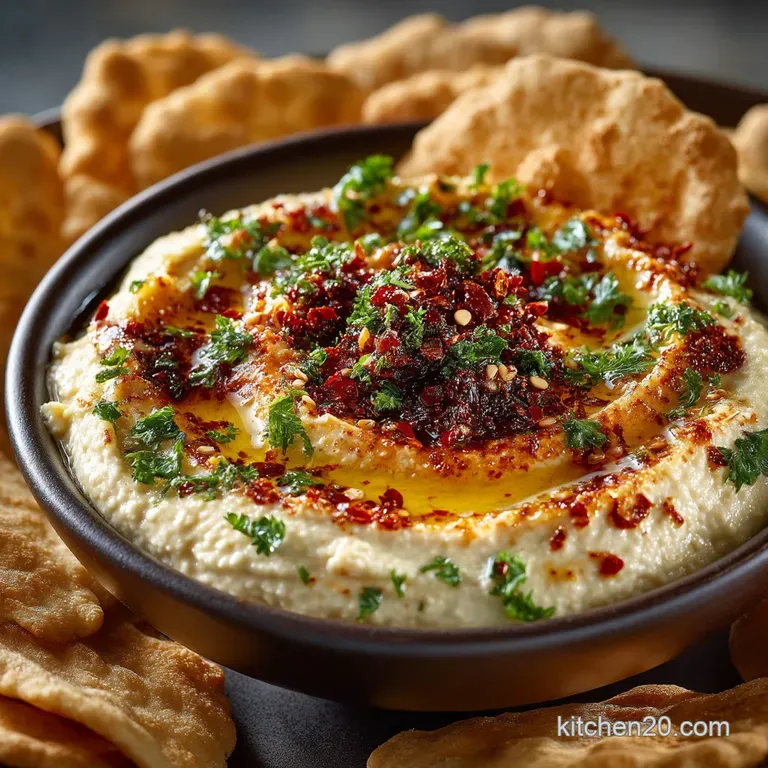
Crafting superior hummus relies entirely on selecting and preparing the correct Hummus ingredients and ensuring you have the right tools for the job.
The Tahini Test: Why Quality Makes or Breaks Your Dip
Tahini is responsible for nearly half the dip's flavor and most of its richness. You need a free flowing, smooth variety often brands from Israel or Lebanon are superior and you must ensure it is thoroughly stirred before measuring out the required half cup (120mL).
Gritty or separated tahini will immediately lead to a thick, pasty, and disappointing final product.
Equipment Checklist: Power Blenders vs. Food Processors
A standard blender might struggle, overheating the mixture and failing to fully break down the fibres. For genuine Silky Hummus , a powerful machine is essential.
Either a robust food processor or a high powered blender is necessary to achieve the crucial 5– 8 minutes of sustained blending that whips air into the mixture, resulting in a light, airy texture.
Prepping the Dried Chickpeas: Soaking for Success
For this accelerated method, we rely on canned chickpeas. The primary prep involves carefully draining the 425 grams of chickpeas while diligently reserving the liquid (aquafaba). This thick, starchy liquid is invaluable, as it can be used instead of plain ice water to thin the hummus later, boosting both the flavor and binding properties.
The Master Method: step-by-step Guide to Perfect Hummus
The journey to perfect hummus is executed in four defined stages, beginning with the crucial softening of the legumes, moving through the formation of the flavor base, and concluding with a careful final blend and seasoning check.
This structured approach ensures a predictable and delicious outcome, elevating this from a simple dip to a culinary staple. We start by focusing all effort on achieving maximum chickpea tenderness before introducing any other flavorings.
Transforming Simple Ingredients Into Liquid Gold (The Blending Process)
This is where the magic happens where the seemingly simple Hummus ingredients transform through heat and powerful mechanical action.
Mastering the Baking Soda Boil: The Softening Phase
After draining the canned chickpeas and reserving the aquafaba, place the legumes in a small saucepan. Cover them with water or the reserved liquid and add the 1/2 teaspoon of baking soda. Bring this mixture to a vigorous simmer for exactly 20 minutes, stirring occasionally.
The skins will begin to loosen and sometimes slough off completely this is ideal. Once tender, immediately drain them through a fine mesh sieve and rinse briefly with cold water to halt the cooking process and cool them sufficiently for blending.
Whipping the Tahini Paste: Building the Hummus Foundation
In your food processor, combine the 1/2 cup tahini, 1/4 cup fresh lemon juice (from about two medium lemons), 2 chopped garlic cloves, and 1 teaspoon of sea salt. Process this mixture for 1 to 2 minutes. The ingredients will initially seize into a thick, stiff paste. This is a good sign!
It means the emulsion is activating. Stop and scrape down the sides to ensure uniformity.
Achieving the Right Consistency: Ice Water and Slow Blending
With the machine running, slowly drizzle in 2 to 3 tablespoons of ice-cold water or the reserved cold aquafaba. The paste will miraculously transform, turning pale and remarkably creamy, forming the rich base. Now, add the boiled chickpeas and the 1/2 teaspoon of ground cumin.
Process continuously for 3 to 5 full minutes, stopping several times to scrape down the sides. If the hummus appears too thick or sticky, add the remaining cold liquid, one teaspoon at a time, until the final result is airy and smooth, demonstrating the perfect texture of true Silky Hummus .
The Critical Flavor Check: Seasoning Your Silky Hummus
After blending, the texture should be beautifully light, but the flavor needs fine tuning. Taste the hummus and adjust the salt the bright acidity of the lemon and the richness of the tahini require ample salt for balance. If it tastes heavy, a tiny splash more lemon juice will provide the lift it needs.
Transfer the finished dip to a container and refrigerate for a minimum of 30 minutes; chilling allows the volatile flavors to meld and the final structure to set, significantly improving the overall result.
The Final Presentation: Swirling and Drizzling Oil
The final presentation is almost as important as the preparation. Scoop the chilled hummus onto a shallow plate, using the back of a spoon to create a classic, artistic swirl or well in the center.
Drizzle generously with 1 to 2 tablespoons of high-quality Extra Virgin Olive Oil and finish with a decorative pinch of paprika (smoked paprika adds a lovely warmth).
Troubleshooting, Storage, and Creative Hummus Variations
Beyond the classic method, understanding the versatility and logistics of your homemade Hummus recipe ensures you enjoy it to the fullest.
Lifespan and Storage Hacks: Keeping Your Hummus Fresh
This recipe yields a generous amount, approximately 2 cups (6 8 servings). Due to its fresh ingredients, homemade hummus maintains peak quality for 4 to 5 days when stored in an airtight container in the refrigerator.
A great hack for longevity is to smooth the top layer and drizzle a very thin coat of olive oil over the surface before sealing the container; this acts as a barrier against air and moisture loss.
Troubleshooting Tough Texture: Why Your Blender Might Be Struggling
If, after the full 5 minutes of blending, your hummus still feels grainy, the issue is likely insufficient chickpea breakdown or lack of cold liquid. Ensure you never skip the baking soda boil. If you've done the boil, then blend for two additional minutes.
The friction of extended blending, coupled with the inclusion of ice-cold water, is essential for aerating and achieving that desired lightness, avoiding the dense texture associated with insufficient processing.
Flavor Customization: Beyond Classic Lemon Garlic Hummus
Once you master the base Silky Hummus , customization is easy. For a smoky depth, blend in roasted red pepper. For heat, try blending a tablespoon of Harissa paste.
Alternatively, for a bright, vibrant dip, try Green Goddess hummus by adding a handful of fresh parsley and cilantro during the final blending stage.
Serving Suggestions: The Best Accompaniments for the King of Dips
Hummus is far more than just a dip. With its remarkable profile of Hummus protein (around 6g per serving) and substantial fiber content, it forms a core part of any Healthy Nutrition regimen.
Based on 8 servings, the estimated Hummus calories sit between 200 220 kcal, predominantly from healthy monounsaturated fats found in the tahini and olive oil.
Serve it traditionally warm or at room temperature with fluffy pita bread or as the anchor for a comprehensive mezze platter alongside olives, tabbouleh, and crudités. It also makes an excellent, nutrient dense spread for wraps and sandwiches, replacing less healthy dairy options.
Recipe FAQs
My hummus is grainy, not silky! What did I do wrong?
The culprit is almost always the tough skin of the chickpeas. To achieve that truly silky texture, you absolutely cannot skip the crucial step of boiling the chickpeas with baking soda for the full 20 minutes; this breaks the fibres down beautifully.
Secondly, make sure you blend the mixture for a minimum of 5 minutes straight after adding the chickpeas, stopping occasionally to scrape the sides, allowing the machine to truly whip air into the emulsion.
How long will this lovely homemade Hummus keep in the fridge?
If you keep it covered and chilled properly, your homemade hummus is usually good for about 4 to 7 days in the refrigerator. To keep it tasting fresh right until the end, always pour a thin layer of good quality olive oil over the surface before sealing the container.
This acts as a protective barrier, keeping the dip moist and preventing oxidisation.
Is tahini really essential, or can I skip it to save a few quid?
Tahini is absolutely non-negotiable for a proper job; it's the defining ingredient that moves it from being plain chickpea mash to classic hummus. It provides the essential healthy fats needed for the rich, creamy texture and also carries that characteristic earthy, nutty flavour.
If you need a substitution due to an allergy, sunflower seed butter or cashew butter can be used, but the final flavour will be markedly different.
I keep reading about aquafaba should I use it instead of ice-cold water?
Yes, please do! Aquafaba (the reserved chickpea liquid) contains starches and proteins that are magic for emulsification, helping the hummus whip up much lighter and smoother than if you use plain water.
Ensure it is chilled right down to ice-cold before you drizzle it in, as the shock of the cold liquid helps stabilise the tahini and lemon juice base perfectly. It’s a great way to avoid food waste, too.
I’m bored of plain hummus; what are the best toppings or mix-ins?
To really zhuzh up your hummus, try adding vibrant toppings like warm spiced lamb mince (known as laham), sautéed pine nuts, or a dollop of bright green zhug or pesto. For mix-ins, before the final chill, blend in a few scoops of charred, peeled aubergine (turning it into mutabbal), or swirl through some roasted beetroot for a beautiful pink hue and earthy sweetness.
Silky Hummus The Chefs Secret Recipe
Ingredients:
Instructions:
Nutrition Facts:
| Calories | 669 kcal |
|---|---|
| Protein | 7.6 g |
| Fat | 32.3 g |
| Carbs | 26.2 g |
| Fiber | 17.3 g |
| Sodium | 11119 mg |
