Peanut Sauce: the Ultimate Silky Smooth Dip
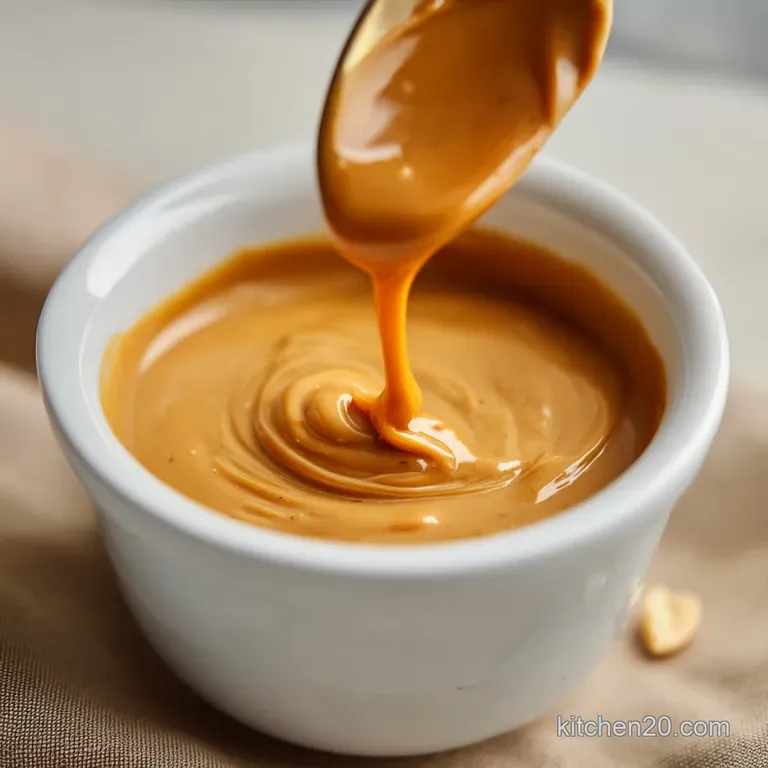
- The Ultimate Silky Smooth Thai-Inspired Peanut Dipping Sauce
- Beyond the Basics: What Makes This Thai-Inspired Dipping Sauce Different?
- Essential Components for the Perfect Creamy Sauce: Ingredients and Notes
- Mixing Magic: Step-by-Step Preparation Guide
- Troubleshooting & Mastering Your Sauce Consistency
- Make Ahead: Storing and Reviving Your Homemade Sauce
- Creative Pairings: How to Use Your Finished Sauce
- Recipe FAQs
- 📝 Recipe Card
The Ultimate Silky Smooth Thai Inspired Peanut Dipping Sauce
Oh my gosh, I am so excited to finally share this recipe with you. When you smell that deep, roasted peanut aroma mixing with fresh ginger and bright lime, you immediately know dinner is going to be legendary.
We aren’t just making a sauce today; we’re creating liquid gold, a creamy, luscious, perfectly balanced Peanut Sauce that you will want to pour on everything. It’s thick enough to cling beautifully to a spring roll, yet silky enough to toss through warm noodles.
This Peanut Sauce is an absolute lifesaver because it’s ridiculously fast we’re talking 15 minutes max, start to finish.
Seriously, it's quicker than ordering takeout and waiting for delivery, and the ingredients are all things you probably already have stashed in your pantry. It’s cheap, incredibly versatile, and the homemade flavour depth simply cannot be matched by anything in a jar.
I’ve made every mistake possible in pursuit of the perfect, authentic tasting Peanut Sauce —I’ve split it, burned it, made it too watery, and made it so thick it was basically paste. But I cracked the code.
This specific method ensures you get that velvety, smooth texture every single time, making this the last Peanut Sauce recipe you will ever need. Now, let’s crack on!
Beyond the Basics: What Makes This Thai Inspired Dipping Sauce Different?
Most people think making a killer Peanut Sauce is complicated, but it’s actually about following basic culinary chemistry. This recipe cuts out the unnecessary steps and focuses purely on technique and quality ingredients. We are aiming for complexity without fussiness.
The Quadruple Flavor Balance: Sweet, Salty, Sour, and Heat.
A truly great sauce, especially this Peanut Sauce , needs perfect balance. If it’s too sweet, it tastes like dessert; too salty, and it’s overwhelming.
We achieve that stunning complexity by carefully layering brown sugar (sweet), soy sauce (salty/umami), rice vinegar and lime juice (sour), and chili garlic paste (heat). The secret is fresh lime juice, not bottled.
That vibrant acidity is what cuts through the richness of the peanut butter, preventing the final Peanut Sauce from tasting heavy or cloying.
Achieving True Velvety Texture, Not Watery Runoff.
Texture is everything here. We want a sauce that flows like heavy cream but coats the back of a spoon. Traditional recipes often dump all ingredients in and boil them, which can result in a grainy or split consistency.
My method introduces the liquid gradually while gently heating, allowing the peanut butter to fully melt and emulsify before any thinning happens. This slow, steady start is crucial for a superior, creamy Peanut Sauce .
The Ultimate Versatility of This Homemade Dressing.
Once you master this simple Peanut Sauce , your dinner options explode. It’s not just for satay skewers, although it excels there. Think about tossing it through cold sesame noodles on a hot summer night, or using it as a dressing for a crunchy Asian slaw. The rich, earthy flavour profile pairs beautifully with almost any fresh, simple ingredient. It’s definitely more useful than that Tartar Sauce: Homemade Chip Shop Recipe Creamy, Tangy, Easy I posted last month, unless you happen to be frying fish every night.
Emulsion Explained: Combining Fat and Liquid Successfully.
An emulsion is just a fancy word for forcing ingredients that usually don't mix (like oil and water) to combine. Peanut butter is mostly fat, and we are mixing it with vinegar, soy sauce, and water. By introducing the liquid slowly and whisking constantly while warming the mixture, we gently break down the fat cells, allowing the liquid to become suspended within the creamy base. This technique is similar to why my recipe for Keto Hollandaise Sauce: Silky Smooth Foolproof Recipe works so well, except here the peanut butter is doing the thickening job for us.
The Role of Acidity (Lime) in Brightening Rich Flavors.
If you ever finish a rich, fatty sauce and feel like it just sits heavy on your tongue, it probably needs acidity. Fat coats your palate, dulling your taste buds. Acid (lime juice or vinegar) acts like a reset button, brightening the entire flavor profile.
We add the lime juice right at the end, off the heat, ensuring the flavour remains sharp and vibrant. This is critical for preventing the finished Peanut Sauce from tasting flat or overly sugary.
Controlling Thickness with Hot Water vs. Coconut Milk.
The choice of liquid determines the richness and overall style of your Peanut Sauce . Using warm water gives you the cleanest, most intensely nutty flavor, making it excellent for dipping or light dressings.
Coconut milk, on the other hand, makes it richer, sweeter, and denser, leaning closer to a traditional Malaysian satay. I prefer water first, as it allows maximum control over the final texture of the Peanut Sauce and doesn't mask the flavour of the ginger and garlic.
Essential Components for the Perfect Creamy Sauce: Ingredients and Notes
I’m obsessed with simplicity, but sometimes a small detail makes all the difference. Don't cheap out on the foundational ingredients if you want truly spectacular Peanut Sauce .
Choosing the Right Peanut Butter (Roasted vs. Raw, Smooth vs. Chunky).
You absolutely, 100% need creamy peanut butter here. Skip the chunky varieties unless you want a textured sauce, which is fine, but not for the "silky smooth" we promised. Crucially, use natural, unsweetened peanut butter.
The regular sugary kinds contain added oils and stabilizers that throw off the careful sugar balance we establish with the brown sugar.
| Ingredient | My Recommendation | Substitute Option |
|---|---|---|
| Peanut Butter | Natural, Smooth, Unsweetened | Almond Butter or Cashew Butter (Milder taste) |
| Soy Sauce | Low Sodium or Tamari | Coconut Aminos (Less salty, use slightly more) |
| Brown Sugar | Lightly Packed Brown Sugar | Honey or Maple Syrup (Use 1.5 Tbsp) |
| Rice Vinegar | Unseasoned Rice Vinegar | Apple Cider Vinegar (Less subtle flavor) |
| Chili Sauce | Sambal Oelek or Sriracha | Pinch of Cayenne Pepper or Chili Flakes |
| Warm Water | Plain Tap Water, Warmed | Full Fat Coconut Milk (For richer flavor) |
Sweeteners and Umami: Balancing Soy Sauce and Brown Sugar.
Brown sugar is superior to white sugar because of its molasses content, which gives the Peanut Sauce a deeper, slightly caramelised flavour. Similarly, using low-sodium soy sauce is a non-negotiable step.
If you use regular soy sauce, your final Peanut Sauce will be so salty you won't be able to taste the ginger or lime. We need that subtle umami hit without total salt dominance.
Must Have Aromatics: Fresh Ginger and Garlic.
Please, I’m begging you, use fresh aromatics. Don’t even look at that pre-minced jarred garlic. Minced fresh garlic and finely grated ginger, bloomed briefly in hot oil, provide the spicy, pungent backdrop that defines a great Thai inspired Peanut Sauce .
You sauté them briefly until fragrant just 60 seconds is enough which mellows their harshness but keeps their lively flavour intact.
Necessary Substitutions for Allergies and Dietary Needs.
If you have a peanut allergy, you can still enjoy a variation of this fantastic dipping sauce. Almond butter or cashew butter work exceptionally well, though you might need a tiny extra pinch of salt since those nut butters are typically milder.
For those needing a gluten-free option, Tamari or Coconut Aminos seamlessly replace the traditional soy sauce base without any detectable difference in the finished Peanut Sauce . Don't let dietary restrictions hold you back from this amazing treat.
Mixing Magic: step-by-step Preparation Guide
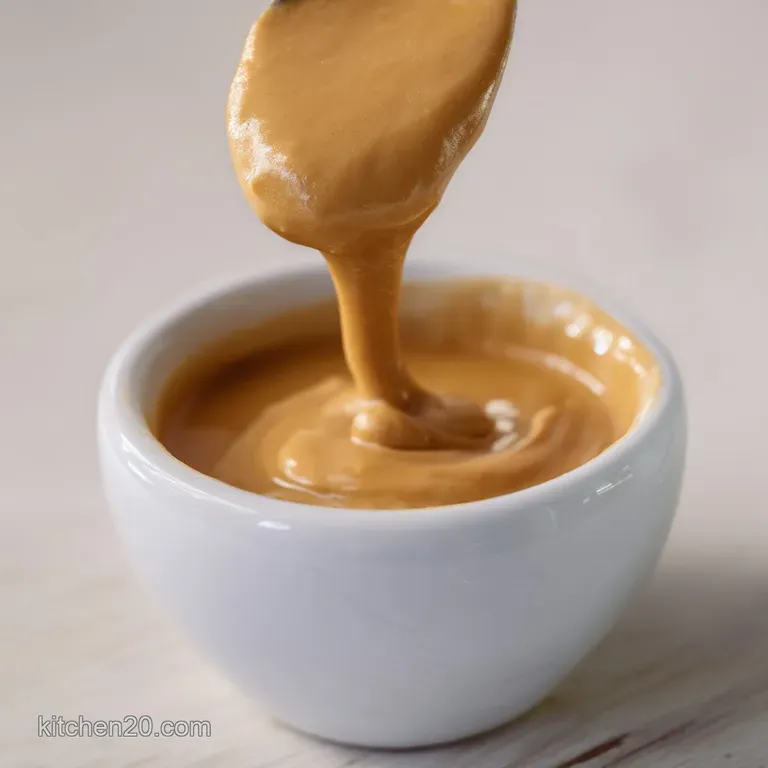
This process is about patience and gentle heat. Remember, we are coaxing the flavour out, not scalding it. Making this Peanut Sauce properly is a meditative process.
Setting Up Your Mise En Place for Quick Blending.
"Mise en place" is just a fancy French term for getting your ingredients prepped before you start cooking. Because the cooking time is so fast (under 7 minutes), you need everything minced, measured, and ready to go.
Having the warm water standing by is especially important because you'll need to add it quickly to the thick peanut mixture.
The Whisking Technique for Optimal Emulsification.
Start by heating your oil, sautéing the garlic, ginger, and chili paste. This "blooming" step is where the magic starts. Once they smell intensely fragrant and nutty, drop the heat to low. Now, add the peanut butter, sugar, soy sauce, and rice vinegar. Whisk immediately.
This creates a very thick, glossy paste. Do not let this paste stick or scorch on the bottom of the pan! Whisk vigorously for 60 seconds until everything is uniformly combined.
Achieving the Ideal Consistency: Testing and Adjusting.
This is the most critical step for making our ultimate Peanut Sauce . While still on low heat, slowly drizzle in the warm water, whisking constantly. Start with half the water (1/4 cup). See how thick it is.
The sauce should be thinner than you think at this stage, because it will thicken substantially as it simmers and cools. Continue adding water, one tablespoon at a time, until it flows easily from your whisk.
Chef’s Note: You are looking for a consistency similar to heavy cream or a very thin yogurt when warm. If it seems too thick now, it will be impossible to pour when cold.
Final Finish: Adjusting Heat and Spice Levels to Taste.
Once you’ve simmered the Peanut Sauce for a couple of minutes and the sugar is dissolved, remove it from the heat. This is when the volatile ingredients the fresh lime juice and the toasted sesame oil go in.
Adding them off the heat preserves their delicate aroma and flavour. Taste it. Does it need more zing (lime/vinegar)? Does it need more sweetness to cut the spice (sugar)? If you want it hotter, add a small extra dash of chili paste.
Troubleshooting & Mastering Your Sauce Consistency
We all make mistakes. I once added cold water straight from the tap and ended up with a sad, grainy, separated mess. Don't panic; this Peanut Sauce is resilient.
Fixing a Sauce That Is Too Thick or Too Thin.
If your sauce cools and turns into cement, it’s an easy fix! Simply whisk in a small amount of boiling hot water (or warmed coconut milk) a teaspoon at a time until the desired dipping consistency is reached.
If, conversely, you got happy with the water and now it’s too thin, you have two options: simmer it very gently for another 5 minutes to reduce, or whisk in an extra tablespoon of peanut butter off the heat.
Avoiding Graininess: The Temperature Factor.
Graininess usually happens if you boil the sauce too aggressively or if you used cold liquid to thin the peanut butter base. To fix a slightly grainy or separated Peanut Sauce , remove it from the heat entirely. Whisk in 1 teaspoon of very hot, nearly boiling water aggressively.
The sudden addition of heat and sharp whisking often re-emulsifies the sauce, bringing it back to a smooth finish.
Deepening the Flavor: A Quick Toasting Hack.
If your Peanut Sauce tastes a little flat, you might need a deeper base flavour. Before you start the recipe, try this: slightly toast the peanut butter in the dry saucepan for 30 seconds over medium heat, stirring constantly, until it smells intensely nutty.
Then proceed with the oil and aromatics. This little trick gives the finished Peanut Sauce a richer, more profound flavour that is truly restaurant quality.
make-ahead: Storing and Reviving Your Homemade Sauce
One of the great things about making a big batch of this fantastic Peanut Sauce is how well it keeps. Planning ahead saves so much time during the busy week.
Refrigeration Lifetime and Best Containers.
Your beautiful, silky Peanut Sauce will last beautifully in the fridge for up to 5 days, provided you use an airtight container. Use a glass jar or a high-quality Tupperware container.
When chilled, it will thicken significantly and appear much paler don’t worry, this is totally normal for any sauce with a high fat content.
Freezing Do's and Don'ts for Creamy Peanut Sauce.
But does it freeze well? You bet! While some dairy based sauces like Alfredo don't freeze and thaw well, this oil and nut-based sauce holds up surprisingly well. I recommend freezing the Peanut Sauce in small portions (1/2 cup) in freezer safe bags or containers.
Lay the bags flat to freeze; they stack better and thaw faster. It keeps in the freezer for about 3 months, making bulk cooking incredibly efficient.
Reconstituting Separated Sauce Post Chilling.
When you take the cold Peanut Sauce out of the fridge, it might look stiff, oily, or even slightly separated. That's just the fat solidifying. To reconstitute it, simply scoop the amount you need into a microwave safe bowl and zap it for 15 20 seconds, or transfer it to a small saucepan and warm it gently over low heat, whisking constantly.
As it warms, it will instantly return to its gorgeous, silky consistency. You may need to add a teaspoon of hot water to get it back to the perfect dipping texture. This superior Peanut Sauce is worth the minimal effort required to bring it back to life.
Creative Pairings: How to Use Your Finished Sauce
You have 1.5 cups of the world’s best Peanut Sauce . Now what? The possibilities are endless, but here are my absolute favorite ways to use this magical condiment.
Tossed Through Cold Noodles and Veggies.
My go-to use for a big batch of Peanut Sauce is cold noodle salad. Cook some thin rice noodles (or spaghetti, honestly, I’m not judging), toss them with the sauce, and load up with crunchy julienned carrots, cucumber, and red bell peppers. Top it all with chopped peanuts and fresh cilantro. It’s perfect for meal prepping and tastes better the next day. If you want another great Asian inspired sauce pairing, you should definitely check out my Jack Daniels Sauce Recipe: Restaurant Quality Sticky Whiskey Glaze , though that one is strictly for grilling!
As a Marinade for Grilled Skewers (Satay).
Of course, the classic use is satay. Marinate cubes of pork or firm tofu in a slightly thinner version of this Peanut Sauce for an hour before threading them onto skewers and grilling them until beautifully charred. Serve the remaining sauce as a dipper.
The intense flavour of this Peanut Sauce stands up wonderfully to the smoke from the grill.
Drizzled Over Roasted Vegetables.
Forget sad, plain broccoli. Toss any roasted vegetable carrots, sweet potatoes, Brussels sprouts in a generous drizzle of this silky Peanut Sauce right before serving. The rich flavour coats the caramelized edges perfectly and turns a simple side dish into something truly exciting. This is almost as versatile as my beloved Peruvian Green Sauce: The Ultimate Aji Verde Recipe , but entirely different flavour wise, obviously.
Now you have all the tools and secrets to make the world’s best homemade Peanut Sauce . Go forth and dip, drizzle, and devour!
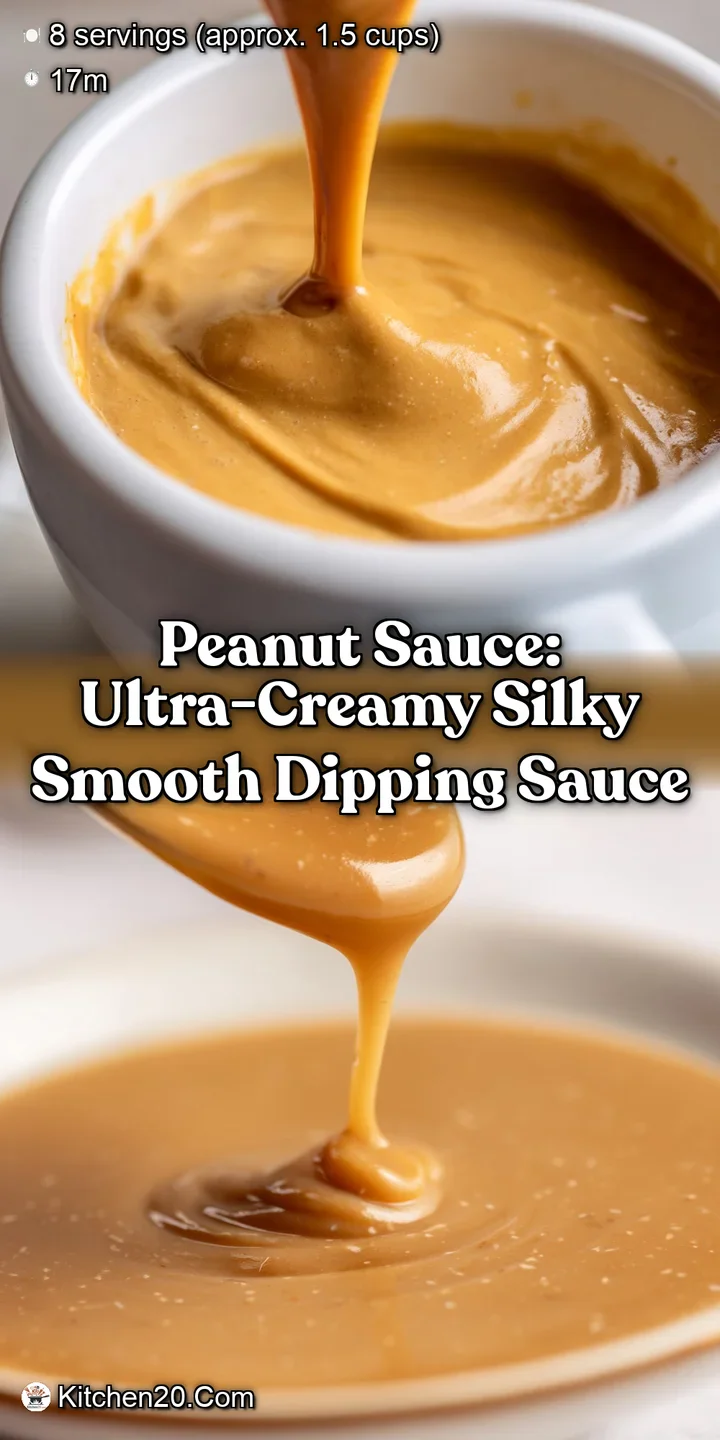
Recipe FAQs
Why is my peanut sauce too thick, and how do I achieve that "silky smooth" texture?
If your sauce is overly thick or paste like, you need to introduce more warm liquid slowly. Gradually whisk in warm water, vegetable broth, or creamy coconut milk, one tablespoon at a time, until the desired drizzly consistency is achieved.
How long does homemade peanut sauce last, and can I freeze it?
When stored in an airtight container, homemade peanut sauce is good for 5 to 7 days in the refrigerator. Yes, it freezes quite well; pour it into a freezer safe container, leaving a little headspace, and it will keep for up to three months.
Can I easily adapt this recipe to be fully vegan or gluten-free?
This recipe is highly adaptable to dietary needs. To ensure it is vegan, substitute the honey (if used) with maple syrup or agave nectar. For a gluten-free sauce, simply swap traditional soy sauce for tamari or coconut aminos, as these provide the required umami flavor without the wheat.
I added too much chili/Sriracha. How can I quickly reduce the heat?
To neutralize excessive heat, you need to add fat or dairy, which helps absorb the capsaicin oil. Try adding an extra spoonful of creamy coconut milk, a little more peanut butter, or increasing the sweetness with a touch more maple syrup to balance the flavor profile.
What type of peanut butter should I use: natural or processed?
For the truest "silky smooth" texture and to prevent separation, we recommend using a standard processed peanut butter (like Jif or Skippy) that contains stabilizers. If you opt for natural peanut butter, choose a no-stir variety or be prepared to whisk vigorously before every use.
My sauce looks oily or separated. How do I fix the emulsification?
Separation is common, especially if the sauce is very cold or if you used natural peanut butter. To re-emulsify, warm the sauce gently over very low heat while whisking constantly, or let it sit at room temperature for 30 minutes before mixing vigorously until smooth.
Besides spring rolls, what are the best ways to use this peanut sauce?
This sauce is incredibly versatile and shines in many applications beyond dipping. Use it as a rich dressing for a cold noodle salad tossed with shredded carrots and cabbage, or brush it onto grilled chicken or tofu skewers (satay style) during the last few minutes of cooking.
Silky Peanut Sauce Recipe
Ingredients:
Instructions:
Nutrition Facts:
| Calories | 262 kcal |
|---|---|
| Protein | 10.1 g |
| Fat | 17.8 g |
| Carbs | 15.0 g |
