Silky Pesto Pasta with Starch Water Emulsion
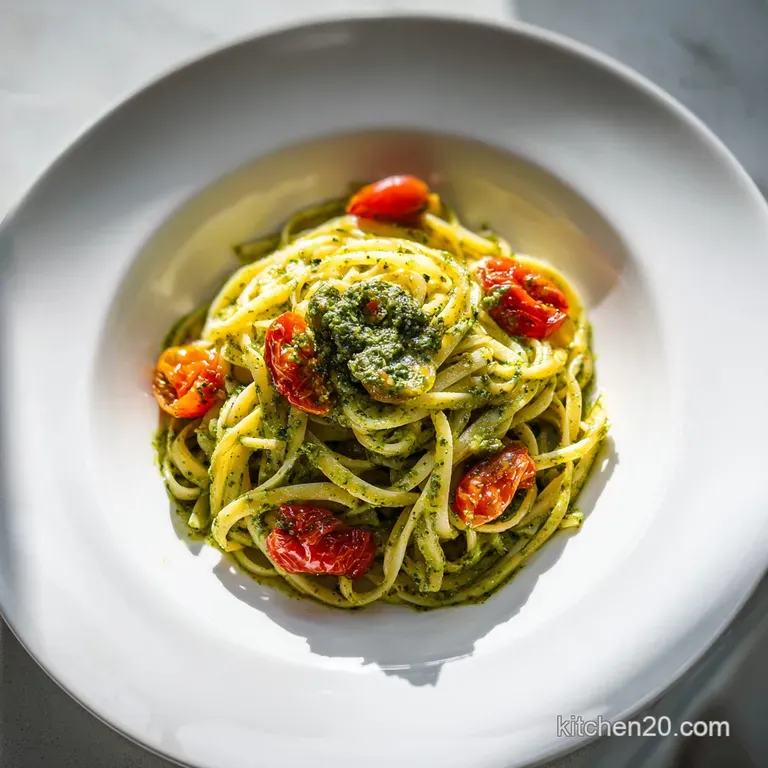
- Time: Active 10 minutes, Passive 10 minutes, Total 20 minutes
- Flavor/Texture Hook: Velvety, garlic kissed, and bright emerald
- Perfect for: High speed weeknight dinners or impressive hosting
- Crafting the Absolute Best Pesto Pasta at Home
- Connecting Flavor and Physics in Every Bite
- Decoding the Component Analysis of Your Sauce
- Sourcing the Perfect Elements for Your Green Base
- Tools for Optimizing Your Sauce Extraction and Texture
- Revolutionizing Your Routine with These Specific Cooking Steps
- Troubleshooting the Variables of Home Sauce Preparation
- Tailoring the Recipe for Your Diverse Community Needs
- Maintaining System Integrity After Your First Serving
- Expanding Your Menu with These Coordinated Side Dishes
- Pesto Myths and Kitchen Realities
- Recipe FAQs
- 📝 Recipe Card
Crafting the Absolute Best Pesto Pasta at Home
Imagine walking into your kitchen and being hit by that sharp, peppery scent of fresh basil. It’s almost electric. I remember the first time I actually nailed this. I’d spent years serving what looked like swamp mud. You know the kind brown, dull, and somehow both oily and dry.
It was frustrating because I followed the "standard" rules, but the results were always lackluster.
Then I realized it’s about the connection between the heat of the pasta and the cold processing of the sauce. It’s like a system update for your palate. Once I stopped treating the sauce like a cooked component and started treating it like a delicate interface of fresh oils and greens, everything changed.
You don't just dump sauce on noodles; you create a cohesive network of starch and fat.
Right then, we're going to dive into how to make this work every single time. We've all been there with the jarred stuff that tastes like metallic hay. This version is a revolution in your routine. It’s fast, it’s bright, and it’s going to make your kitchen smell like a summer morning in Liguria.
Let’s get our station ready and synchronize our timers.
Connecting Flavor and Physics in Every Bite
Cold Extraction Platform: High speed blades generate heat that oxidizes basil, so pulsing briefly keeps the chlorophyll stable and the color bright emerald.
The Starch Bridge: Using reserved pasta water creates a molecular bond between the smooth olive oil and the rough surface of the fusilli.
Spinach Buffering: Adding a small amount of spinach provides a structural color boost that prevents the sauce from turning brown when it hits the hot pasta.
| Method | Time | Texture | Best For |
|---|---|---|---|
| Fresh Mortar | 25 minutes | Chunky and rustic | Weekend slow cooking |
| Food Processor | 5 minutes | Velvety and smooth | Quick weeknight meals |
| store-bought Fix | 2 minutes | Oily and salty | True emergencies only |
Building a menu around this dish is easy once you understand the basic mechanics. If you’re looking to expand your repertoire of green sauces, you might also enjoy my Avocado Pasta Sauce recipe, which uses a similar emulsification logic but with a heartier fat base. It’s a great way to see how different fats react to the heat of the noodles.
Decoding the Component Analysis of Your Sauce
Understanding the "why" behind your ingredients helps you troubleshoot on the fly. We aren't just throwing things in a bowl; we're building a flavor platform.
| Ingredient | Science Role | Pro Secret |
|---|---|---|
| Genovese Basil | Primary Aroma | Do not wash until seconds before use to keep oils intact |
| Pine Nuts | Fat & Emulsion | Toast until they just start to shatter for maximum depth |
| Pasta Water | Emulsifier | Use the water from the final minute of boiling for peak starch |
One of the biggest mistakes I see is people being shy with the cheese. The Parmigiano Reggiano isn't just for salt; it provides the protein structure that keeps the sauce from separating. When you grate it fresh, the tiny jagged edges of the cheese catch the oil and hold it in suspension.
It’s a beautiful bit of kitchen engineering that makes the sauce cling to the pasta instead of pooling at the bottom of the bowl.
Sourcing the Perfect Elements for Your Green Base
To get this right, you need to be specific about your sourcing. Don't even bother with the pre grated cheese in the green shaker bottle. It has anti caking agents that will ruin your emulsion.
- 2 cups firmly packed fresh Genovese basil leaves: Why this? Essential for that specific peppery, sweet aroma that defines the dish.
- 1 cup fresh baby spinach leaves: Why this? Acts as a stabilizer for the emerald color without altering the flavor profile.
- 1/3 cup toasted pine nuts: Why this? Provides the velvety mouthfeel and a subtle nutty finish.
- 1/2 cup freshly grated Parmigiano Reggiano cheese: Why this? Adds the salty umami backbone and helps the sauce emulsify.
- 2 medium garlic cloves: Why this? Gives the sauce its kick; always remove the germ if it's sprouted.
- 1/3 cup high-quality extra virgin olive oil: Why this? The liquid vehicle that carries all the fat soluble flavors.
- 1 teaspoon fresh lemon juice: Why this? The acid brightens the greens and cuts through the heavy fats.
- 1/2 teaspoon sea salt: Why this? Enhances every other note in the system.
- 1/4 teaspoon cracked black pepper: Why this? Adds a tiny bit of heat to the back of the palate.
- 1 lb dry fusilli or penne pasta: Why this? The ridges and spirals are designed to catch and hold the sauce.
- 1/2 cup reserved starchy pasta cooking water: Why this? The secret "glue" that binds the sauce to the pasta.
If you find yourself making this often, you'll see that a slightly different approach can yield a totally different experience. For instance, my Creamy Pesto Sauce recipe focuses more on a rich, dairy forward profile that works wonders for those who want a more decadent meal. It’s all about what you’re in the mood for!
Tools for Optimizing Your Sauce Extraction and Texture
You don't need a lab, but a few specific tools make the process much more efficient. A food processor (like a Cuisinart) is my go to for speed. If you use a blender, you risk over processing the oil, which can make it bitter. The wide bowl of a processor allows for a more even chop without generating excessive heat.
Chef's Tip: Chill your food processor blade in the freezer for 10 minutes before you start. This prevents the friction of the spin from wilting the basil and turning it that dreaded brown color.
You'll also need a large pot at least 6 quarts to give the pasta enough room to move. If the pasta is crowded, it releases too much starch too quickly, making the water gummy instead of silky. A microplane is another non negotiable for the cheese.
You want "snow like" consistency, not "sand like" grains.
Revolutionizing Your Routine with These Specific Cooking Steps
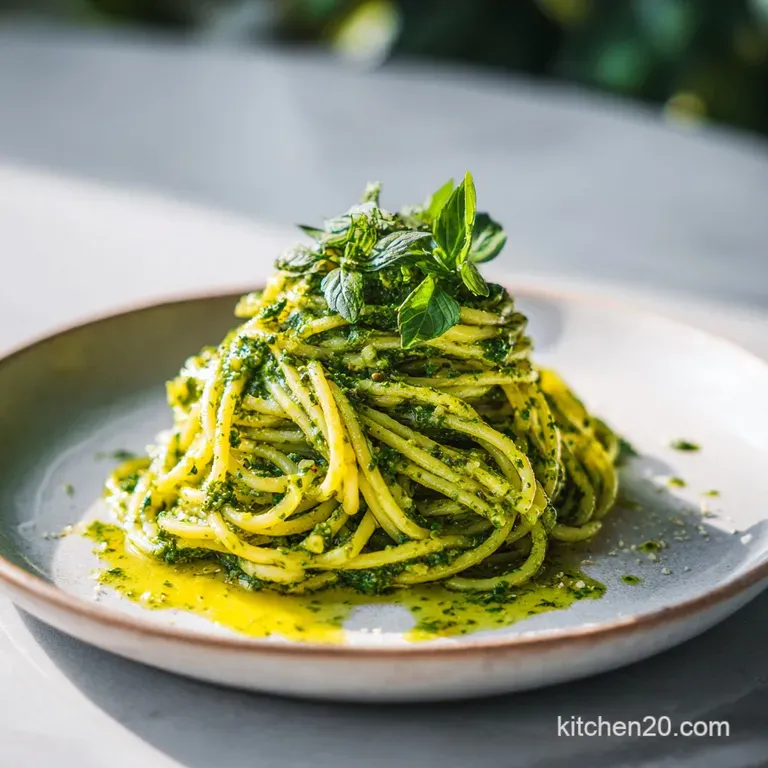
1. Mastering the Al Dente Boil
Bring a large pot of water to a rolling boil and salt it until it tastes like the sea. Drop your 1 lb of fusilli. Note: Set your timer for 2 minutes less than the package directions. Cook 8-10 minutes until the pasta has a firm bite but no chalky center.
2. Toasting the Nutty Base
Place the 1/3 cup pine nuts in a dry skillet over medium heat. Shake the pan constantly. Note: Pine nuts go from perfect to burnt in about 4 seconds. Toast for 3 minutes until they are golden and smell like warm butter.
3. Crafting the Green Gold
In your chilled food processor, combine the basil, spinach, toasted nuts, garlic, salt, and pepper. Pulse 5-7 times until everything is coarsely chopped but not a paste.
4. Integrating the Liquid Phase
With the motor running on low, slowly stream in the 1/3 cup extra virgin olive oil. Note: This creates the initial emulsion. Process for 15 seconds until the mixture looks glossy and uniform.
5. Capturing the Secret Ingredient
Just before draining the pasta, carefully dip a measuring cup into the pot. Note: This water is liquid gold. Collect 1/2 cup of the cloudy, starchy water and set it aside.
6. The Cool Down Phase
Add the 1/2 cup Parmigiano Reggiano and 1 teaspoon lemon juice to the processor. Pulse 2 more times until the cheese is just incorporated.
7. Executing the Silky Emulsion
Drain the pasta and return it to the warm (but not hot) pot. Add the pesto and half of the reserved pasta water. Note: The heat of the pasta will melt the cheese and create the sauce. Toss vigorously for 1 minute until the sauce becomes creamy and clings to the spirals.
8. Finishing the Masterpiece
If the pasta looks dry, add the remaining pasta water a tablespoon at a time. Serve immediately. Note: Pesto waits for no one. The final dish should look coated in a bright green, velvety sheen.
Troubleshooting the Variables of Home Sauce Preparation
Sometimes things don't go according to plan. The most common issue I hear about is the sauce being "flat" or "oily." Usually, this is a balance issue. If it tastes dull, it’s almost always a lack of salt or acid. The lemon juice is your best friend here it acts like a brightness dial for the herbs.
Avoiding the Brown Fade
If your pesto turns brown, it's usually because it was exposed to too much heat or air. To prevent this, always add the cheese and lemon juice at the very end. The acid in the lemon helps preserve the green, but if it sits too long, it can actually break down the chlorophyll. It’s a delicate balance!
Preventing a Dry Mess
Dry pasta happens when the noodles soak up all the liquid before you get it to the table. This is why we use that starchy water. It creates a barrier that keeps the oil from being absorbed too quickly.
| Problem | Root Cause | Solution |
|---|---|---|
| Bitter Sauce | Over processed olive oil | Pulse the oil in by hand or at the very end |
| Gritty Texture | Cheese was too cold or coarse | Use a microplane and add to warm pasta |
| Watery Bottom | Too much pasta water | Add water in small increments, tossing between |
Common Mistakes Checklist
- ✓ Never boil the actual pesto sauce; the residual heat from the pasta is all you need.
- ✓ Don't skip toasting the pine nuts - the raw ones have a metallic tang.
- ✓ Always reserve the pasta water before you drain the pot; you can't get it back!
- ✓ Use the best olive oil you can afford; since it’s not being cooked, you’ll taste every note.
- ✓ Pat your basil completely dry after washing to prevent a watery, separated sauce.
Tailoring the Recipe for Your Diverse Community Needs
One of the best things about this system is how adaptable it is. If you're out of pine nuts, don't panic. Walnuts or even toasted sunflower seeds make a fantastic substitute. They change the flavor profile slightly walnuts add a pleasant bitterness but the physics of the sauce remains the same.
| Original Ingredient | Substitute | Why It Works |
|---|---|---|
| Pine Nuts (1/3 cup) | Walnuts (1/3 cup) | High fat content. Note: Adds a slightly earthy, bitter edge |
| Parmigiano (1/2 cup) | Nutritional Yeast (1/4 cup) | Provides umami. Note: Makes it vegan; add 1/2 tsp extra salt |
| Fusilli (1 lb) | Chickpea Pasta (1 lb) | High protein. Note: Use more water as it absorbs liquid faster |
For those looking for a lighter, more plant based approach, you can actually swap the pasta entirely. If you want a lower carb version, check out how I handle sauces in my Avocado Pasta Sauce recipe. The creaminess of the avocado can actually replace the need for both the cheese and much of the oil, making it a "cleaner" version of a green pasta dish.
Maintaining System Integrity After Your First Serving
Storing Pesto Pasta is a bit tricky because of that oxidation issue we talked about. If you have leftovers, the best way to save them is to press a piece of plastic wrap directly onto the surface of the pasta before putting the lid on the container. This eliminates the air gap.
Storage: Keep it in the fridge for up to 3 days. It won't be as neon bright on day two, but the flavor will actually deepen as the garlic mellows.
Freezing: You can freeze the pesto sauce itself in ice cube trays for up to 3 months. However, I don't recommend freezing the assembled pasta dish, as the noodles will become mushy and the sauce will break upon thawing.
Reheating: This is the danger zone. Never microwave your pesto pasta on high. The heat will "cook" the basil and make it taste like canned spinach. Instead, put it in a pan with a splash of water over low heat. Stir constantly until it's just warm enough to eat.
Zero Waste: Don't throw away those basil stems! While they are too woody for the pesto, they are packed with flavor. Throw them into your next batch of vegetable stock or tuck them into a bottle of olive oil to infuse it with a subtle herbal note.
Expanding Your Menu with These Coordinated Side Dishes
When you serve a dish this bold, you want sides that offer a contrast in texture. A crisp arugula salad with a simple lemon vinaigrette is the classic choice. The bitterness of the arugula cuts through the richness of the pine nuts and cheese perfectly.
If you’re hosting a larger gathering, I love serving this alongside a hearty protein. It pairs beautifully with grilled chicken or even a light white fish. If you’re in the mood for a full Italian spread, you might want to look at The Classic Spaghetti recipe for inspiration on how to time multiple courses. It’s all about creating a connected experience for your guests.
- For more crunch
- Save a tablespoon of toasted pine nuts and sprinkle them on top at the very end.
- For a spicy kick
- Add a pinch of red pepper flakes to the food processor with the garlic.
- For a creamier finish
- Stir in a tablespoon of room temperature mascarpone cheese right before serving.
Pesto Myths and Kitchen Realities
There's a common belief that you must use a mortar and pestle for "authentic" results. While the texture is certainly unique, the chemical reality is that a food processor, when used correctly with short pulses and cold blades, produces a nearly identical flavor profile with 90% less effort.
The goal is to rupture the cells of the basil to release the oils, which both methods achieve.
Another myth is that you should "cook" the pesto sauce in a pan before adding the pasta. This is a recipe for disaster. Pesto is a "crudo" sauce, meaning raw. Cooking it destroys the volatile aromatic compounds that give basil its signature scent.
Always keep your sauce away from direct heat and let the pasta do the work of warming it up. Trust me, your taste buds will thank you for the extra brightness.
Recipe FAQs
What do you put in pesto pasta?
Fresh basil, pine nuts, garlic, Parmesan cheese, olive oil, and salt. You mix this raw sauce base with freshly cooked pasta and emulsify it using reserved starchy pasta water to create a clingy coating.
Can you just stir pesto into pasta?
No, you need an emulsifier. Simply stirring thick pesto onto hot pasta often results in a separated, oily mess; you must incorporate starchy pasta water to bind the oil and the starch for a creamy texture.
What pasta works best with pesto sauce?
Pasta with ridges or spirals works best, like fusilli or penne. The sauce clings perfectly to the grooves and curves of these shapes, ensuring an even flavor distribution in every bite.
Do you just add a jar of pesto to pasta?
You can, but it rarely yields the best result. Jarred pesto often lacks the vibrancy of fresh basil and needs added fresh Parmesan and a splash of hot, starchy pasta water to awaken the flavors and create a cohesive sauce.
How do you stop pesto from turning brown when mixing with hot pasta?
Add the pesto to the pasta off the heat and use cold ingredients where possible. The key is to use residual heat, not direct heat; chilling your food processor blade beforehand helps preserve the chlorophyll for a bright emerald color.
Why is my pesto pasta watery instead of creamy?
You likely added too much pasta water at once or didn't toss vigorously enough. The starchy water is the binder; add it slowly, one tablespoon at a time, tossing constantly until the sauce emulsifies into a creamy consistency, similar to how you build a sauce base for our Homemade Spaghetti Sauce recipe.
Can I substitute pine nuts in my pesto sauce?
Yes, walnuts or toasted sunflower seeds are excellent substitutes. If using walnuts, you may notice a slightly earthier, more bitter note, so consider reducing the amount slightly or adding a touch more Parmesan for balance.
Silky Pesto Pasta In 20
Ingredients:
Instructions:
Nutrition Facts:
| Calories | 689 kcal |
|---|---|
| Protein | 20.5 g |
| Fat | 30.8 g |
| Carbs | 87.8 g |
| Fiber | 4.3 g |
| Sugar | 2.1 g |
| Sodium | 488 mg |
