Roasted Beetroot: the Simple Balsamic Glaze Method
Capturing the Earthy Sweetness: An Overview of this Simple Recipe
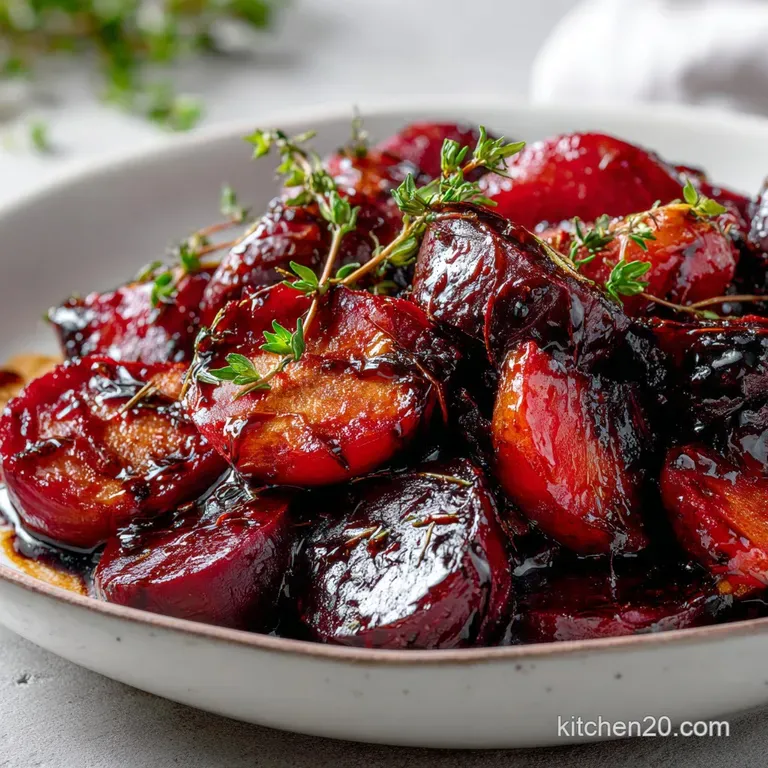
When that incredible, deep, earthy smell hits you as you peel back the foil, you know you’ve done it right. That aroma is the true sign of perfectly cooked, sweet, and unbelievably tender Roasted Beetroot .
Forget everything you think you know about dull, watery boiled beets; this is the version that will make you fall in love with root vegetables.
This isn't just a side dish; it’s a kitchen secret weapon. It’s super easy, affordable, and incredibly hands off, meaning you get maximum flavor for minimal effort. Once you master this simple technique for Roasted Beetroot , you’ll realize how versatile and truly satisfying this vibrant vegetable can be.
This recipe focuses on creating a sticky, slightly acidic finish that cuts through the earthiness beautifully.
We are completely bypassing boiling because we want that incredible concentration of natural sugars. The secret lies in steam roasting them in a packet, which keeps them fudgy, tender, and intensely flavored.
Let's crack on with the definitive guide to achieving the absolute best Roasted Beetroot you've ever tasted.
Why Roasting is Superior to Boiling: Maximizing Natural Sugars
Boiling beets is a crime against flavor, plain and simple. When you boil them, all those lovely, complex sugars and vibrant colors leach out into the cooking water. You end up with a pale, watery vegetable that tastes faintly of mud no thank you.
Roasting, however, acts like a slow cook caramelization process. By wrapping the roots tightly in foil, we essentially steam roast them in their own juices. This traps the moisture, meaning the beets get tender without drying out, and the heat concentrates all those amazing natural sugars.
The result is a richer, almost decadent texture that is miles away from boiled beets. This technique is non-negotiable for achieving truly fantastic Roasted Beetroot .
Minimal Effort, Maximum Flavor: Recipe Difficulty and Time Commitment
If you can use a sheet of tin foil and set a timer, you can nail this recipe. Honestly, the only hard part is waiting for the oven to do its thing. Active prep time is genuinely under 15 minutes, which is why I often make a massive batch of Roasted Beetroot on a Sunday afternoon.
The total cooking time hovers around an hour, which is necessary for the root’s density, but you are free to do other things while it bakes. This method for Roasted Beetroot proves that sometimes, the simplest methods yield the most profound flavors.
It’s perfect for the weeknight cook who needs something impressive without the fuss.
The Role of Balsamic and Thyme in the Final Flavour Profile
The final glaze is what transforms great Roasted Beetroot into an unforgettable side dish. Beetroot is earthy; it needs brightness and acidity to lift it. Balsamic vinegar, especially when reduced, provides a rich, complex sweetness and tang.
We combine the vinegar with a touch of honey (or maple syrup) and the precious juices saved from the roasting packet that’s liquid gold, full of concentrated beetroot flavour. The thyme, robust and woodsy, provides an herbaceous, savory note that stops the final dish from tasting overly sweet.
This combination is classic for a reason: it elevates the simple Roasted Beetroot into something complex and balanced.
Essential Components: Ingredients and Smart Swaps
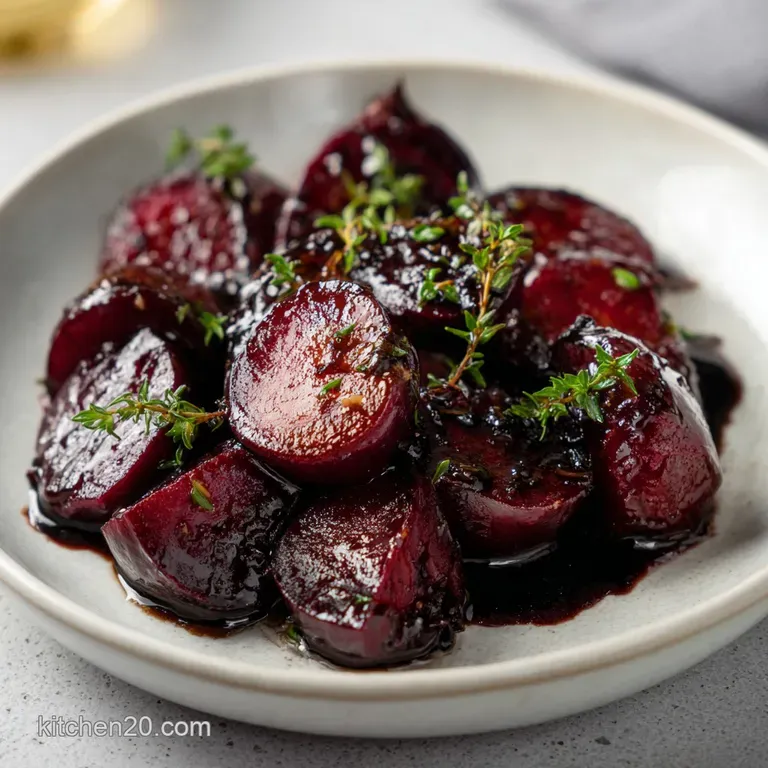
Getting truly delicious Roasted Beetroot requires paying attention to the details, especially the quality of just a few key components. We’re using basic pantry staples here, so no hunting down obscure spices.
Remember, the better your ingredients start out, the better the final dish will be.
Selecting the Best Beetroot Varieties (Golden, Red, and Chioggia)
I’m partial to the traditional red beet, mainly for that stunning jewel tone color it gives everything it touches (including my fingers). But don't sleep on golden or Chioggia varieties!
Golden beets are fantastic if you want less mess, as they don't stain nearly as much, and they have a slightly milder, less intense sweetness, making them ideal for salads. Chioggia beets, with their beautiful candy cane stripes, look amazing when sliced but tend to lose their intricate pattern once fully cooked.
If you are roasting them for a simple side dish, any variety works, but if color is your focus, stick to the red or golden options for the ultimate Roasted Beetroot .
| Ingredient | Role | Viable Substitute |
|---|---|---|
| Olive Oil | Fat/Conducts Heat | Melted neutral oil (canola, sunflower) or melted butter for richness. |
| Kosher Salt | Seasoning/Moisture Release | Fine sea salt (use 2/3 the volume). |
| Fresh Thyme | Aroma/Herbaceous Note | Fresh rosemary or oregano. |
| Balsamic Vinegar | Acid/Sweetness | Quality Sherry Vinegar or Red Wine Vinegar (needs extra sugar added). |
| Honey | Sweetener/Glaze Body | Maple Syrup or Agave Nectar (great for vegan Roasted Beetroot ). |
Ingredient Deep Dive: Quality Balsamic Vinegar Matters
Seriously, don’t use that thin, acidic liquid that claims to be balsamic vinegar. Since we are reducing the balsamic, its flavor gets intensified dramatically. If you use cheap vinegar, you'll end up with a sharp, unpleasant syrup.
Look for a balsamic that says "Aged" or "Modena" on the label, or one that has a syrupy consistency even before you heat it. A high-quality balsamic gives a rounded, deep, almost fig-like sweetness to your finished Roasted Beetroot .
This small upgrade makes a huge difference to the complexity of the glaze.
Replacing Thyme: Alternative Herb Pairings (Rosemary or Oregano)
Thyme is my go-to for Roasted Beetroot because it handles the long cooking time well and pairs beautifully with the balsamic. But what if your herb garden is looking a bit sparse?
Rosemary is an excellent, slightly more potent swap, offering a piney, savory contrast. Use it sparingly, though; rosemary can quickly overwhelm. Another great option is oregano, which gives the dish a Mediterranean twist.
If you use softer herbs like dill or chives, always add them after the roasting process, right before serving.
Dealing with the 'Beet Stain': Preparation Notes
Oh, the stain! I once prepared a massive batch of Roasted Beetroot right on my beautiful wooden cutting board, thinking a quick wash would sort it out. Spoiler alert: It did not. Beet juice is like permanent marker for your kitchen surfaces and hands.
The Fix: Line your prep area with parchment paper or foil, and for the love of all that is holy, wear disposable gloves when you peel and chop the red varieties. Alternatively, if you hate the mess, use golden beets!
Preparation for any kind of Roasted Beetroot should always involve thoroughly washing and scrubbing the roots, trimming the tops (but leaving an inch of stem), and making sure you don't peel them yet.
Method: How to Prepare Jewel Toned Roasted Beetroot
This method uses the "foil packet" technique. It’s the easiest way to ensure perfectly fudgy, moist Roasted Beetroot every single time, without fuss or fear of drying out.
Preparation: Cleaning, Trimming, and Oiling the Roots
First things first: crank your oven up to 200°C / 400°F. While it heats up, get those roots ready. Scrub the beets aggressively to remove all the soil, but be gentle with the skin; we are leaving it intact. Trim off all but about an inch (2.5 cm) of the stem end and the root tail.
This is critical: cutting into the root exposes the flesh, allowing all that delicious color and sugar to weep out during cooking, which ruins the texture of your Roasted Beetroot .
Place your roots on a large sheet of heavy duty foil. Drizzle generously with olive oil, then season heavily with Kosher salt and pepper. Nestling the thyme sprigs right in there adds deep aromatic flavor as it steams. Finally, crimp the edges of the foil up and over until you have a tightly sealed packet.
It should look like a glorious, slightly lumpy silver pillow.
The Low and Slow Roast: Achieving the Ideal Core Temperature
Place your sealed packet right onto a baking sheet this catches any accidental leaks and pop it into the preheated oven. Now, we wait. The passive cooking time for ideal Roasted Beetroot is typically 50 to 65 minutes.
The exact time depends completely on the size of your individual roots. If you have tiny golf ball sized beets, they might be done closer to 50 minutes. If you have massive fist sized roots, budget closer to 70 minutes.
The internal core temperature needs to reach a point where the starch is completely converted, yielding that tender, buttery texture. You want zero resistance when you test it.
The Finishing Glaze: Reducing the Balsamic for Optimal Shine
Once the Roasted Beetroot is cool enough to handle (about 10 minutes out of the oven), peel and chop the roots into uniform chunks. Now, retrieve those glorious, sweet, colorful juices from the foil packet. Don't toss them!
In a tiny saucepan, combine your quality balsamic vinegar, honey (or maple syrup), and 1 2 tablespoons of those reserved juices. Bring the mixture to a slow simmer over medium heat. You only need to cook it for about two or three minutes.
Watch as the sauce transforms, thickening slightly and becoming beautifully glossy that's your glaze. It should just coat the back of a spoon. Pour this warm, punchy glaze over your chopped Roasted Beetroot and toss gently.
Final Presentation and Resting Time
After tossing the chopped Roasted Beetroot with the glaze, let it sit for just five minutes before serving. This short rest time allows the glaze to really adhere to the warm roots, intensifying the flavour and shine.
This is when the magic happens; the acidic glaze melts slightly into the warm, earthy sweetness of the beets.
For presentation, serve it warm. A sprinkle of fresh thyme leaves or a generous crumble of goat cheese finishes the dish perfectly. This simple side dish of Roasted Beetroot is truly a stunning visual centerpiece.
Mastering the Roast: Expert Tips and Troubleshooting
Even though this is an Easy Roasted Beets recipe, there are a couple of pitfalls that beginners often stumble into. Trust me, I've made all of them once resulting in dry, tasteless rocks that were almost impossible to peel. Avoid my mistakes!
Mistake to Avoid: Under Seasoning or Over Crowding the Pan
People often forget how thick and dense root vegetables are, meaning they need significant seasoning to penetrate the core. You should be fairly generous with the salt and pepper before sealing the foil packet. If the finished Roasted Beetroot tastes flat, it’s probably under salted.
The second mistake, though less common here since we use a foil packet, is over crowding the pan. If you are roasting 8+ pounds of beets, you might need two separate foil packets, otherwise, they will unevenly steam and take forever to soften. Give those beets room to breathe in the packet!
Chef's Note: If you want that deeply caramelized, slightly chewy texture (like you might get with Roasted Sweet Potatoes: Caramel Crunch Ultra Crispy Edges ), try unwrapping the packet for the last 10 minutes of cooking. This allows the exterior of the Roasted Beetroot to dry out and brown slightly.
Achieving a Smoother Peel: The Easiest Removal Technique
Peeling the rough, baked skin off the Roasted Beetroot can be tedious, but it doesn't have to be. The best trick relies on friction and residual heat.
Once the beets are tender and slightly cooled (warm, but not hot enough to burn your hands), use a sturdy piece of paper towel or a clean dishcloth. Grip the beet firmly with the paper towel and rub the skin vigorously.
Because they were steamed in the foil, the skin will simply slip right off into the paper towel, leaving you with smooth, gem-like roots. No need for a messy peeler when preparing oven-roasted Beets Simple!
Adjusting Cooking Time for Different Root Sizes
You cannot treat a tiny beet the same as a massive one; consistency is key to perfect Roasted Beetroot . If your haul from the market includes roots of varying sizes, you have two options:
- Uniformity Prep: Before wrapping and seasoning, take the largest roots and cut them in half or into quarters so they are roughly the same size as the medium roots. This ensures uniform cooking time.
- Staggered Removal: If you roast them whole, test the small ones first. Remove the smaller, tender beets from the packet, reseal it quickly, and let the larger beets continue to roast for another 10- 15 minutes until tender.
This adjustment ensures that every bite of your Easy Roasted Beets is perfectly cooked, not soft in one spot and crunchy in another.
Storage and Reheating: Keeping Your Batch of Roasted Beetroot Fresh
Making a large batch of Roasted Beetroot is a brilliant idea because it stores exceptionally well and is a phenomenal base for Roasted Beetroot Salad Recipes all week long.
Fridge Life
Once roasted and glazed, the beetroot will keep perfectly in an airtight container in the refrigerator for 5 to 7 days. I prefer to store the whole, peeled, and glazed chunks. You can eat this delicious Roasted Beetroot cold, tossed into a salad, or added to a grain bowl.
Freezing and Reheating
Yes, you can freeze Roasted Beetroot , but there’s a caveat! Freeze them before adding the balsamic glaze. If you freeze the glazed Roasted Beetroot , the texture of the glaze can become a little watery upon thawing.
To freeze, allow the peeled and chopped roasted beets to cool completely. Transfer them to a freezer bag or container, removing as much air as possible. They will keep for up to 3 months. When ready to use, thaw them in the fridge overnight.
You can then gently reheat them in the oven (200°C/400°F) for 10 minutes or toss them immediately with the fresh balsamic glaze. This makes meal prep simple and ensures you always have homemade, healthy Roasted Beetroot ready to go!
Pairings and Uses for Your Perfect Roasted Beetroot
Beyond serving this as a beautiful side dish with thyme, there are so many ways to use your finished Roasted Beetroot . The possibilities are endless, truly.
For a decadent meal, toss the warm glazed beets with crumbled feta or goat cheese, and a sprinkle of toasted pecans. The salty, creamy cheese is the perfect foil for the sweetness of the beets. This combination is simply divine.
You can also use this jewel toned root in different dishes. Why not blend some of the leftover roots into a stunning pink batch of homemade Roasted Beetroot Hummus Recipe? It’s vibrant, creamy, and totally unexpected. If you need more root vegetable inspiration, this Roasted Beetroot pairs wonderfully with our recipe for Savory Roasted Sweet Potatoes: Crispy Smoked Paprika Rosemary Side .
This beautiful Roasted Beetroot is versatile, healthy, and easy to make in advance. Mastering this one simple roasting technique is all you need to transform the humble beet into a culinary star. Go forth and roast!
Recipe FAQs
Do I need to peel the beets before roasting them?
No, it is generally much easier and recommended to roast the beets with the skin intact, as it helps trap moisture and prevents the beet flesh from drying out. Once the beets are perfectly tender after roasting, the skins will easily slip right off when gently rubbed with a paper towel or the back of a spoon.
My beets are still hard after roasting for the specified time. What went wrong?
Undercooking is usually caused by large, inconsistently sized beets or an inaccurate oven temperature. The cooking time in recipes is always an estimate, so you must test doneness by piercing the thickest beet with a fork; it should slide through easily with almost no resistance.
What is the best way to prevent my hands and cutting board from staining?
The red pigment (betacyanin) is very potent, so the easiest method is wearing disposable gloves when handling the raw beets or when peeling the roasted ones. For wooden cutting boards, try rubbing a thin coat of neutral cooking oil onto the surface before slicing; this barrier helps prevent the pigment from penetrating the wood grain.
I don't have balsamic vinegar. What is a suitable alternative for the glaze?
A great substitute for the balsamic glaze is a sweet and sour mixture made from maple syrup or honey combined with a few tablespoons of lemon juice or apple cider vinegar. This combination provides the necessary acidity and sweetness to balance the beets’ earthiness effectively.
Alternatively, a simple drizzle of fresh orange juice offers a lovely, bright counterpoint.
Can I use other herbs besides thyme in this roasted beetroot recipe?
Absolutely, beets pair exceptionally well with robust, savoury herbs like rosemary, sage, and oregano. For a warmer, slightly Mediterranean profile, you can also sprinkle in a small pinch of ground fennel seed or ground coriander before roasting.
How should I store leftover roasted beetroot, and can I freeze it?
Roasted beets keep very well in the refrigerator; store them in an airtight container for up to 5 days, reheating gently or serving cold in salads. While freezing is possible, it can cause the texture to become slightly softer upon thawing, so they are best frozen diced or pureed for future use in soups or dips rather than for serving as a side dish.
Is it better to roast the beets cut into pieces or whole?
Roasting them whole (wrapped in foil or parchment) is the best method if you want them to retain maximum moisture and minimal caramelization. If you prefer a richer, sweeter flavour with slightly caramelized edges, cut the beets into small, even sized wedges or cubes before tossing and roasting uncovered.
Simple Balsamic Roasted Beetroot
Ingredients:
Instructions:
Nutrition Facts:
| Calories | 326 kcal |
|---|---|
| Protein | 7.0 g |
| Fat | 12.0 g |
| Carbs | 42.0 g |
