Slow Cooker Pot Roast: Ultimate Sunday Comfort with Red Wine Gravy
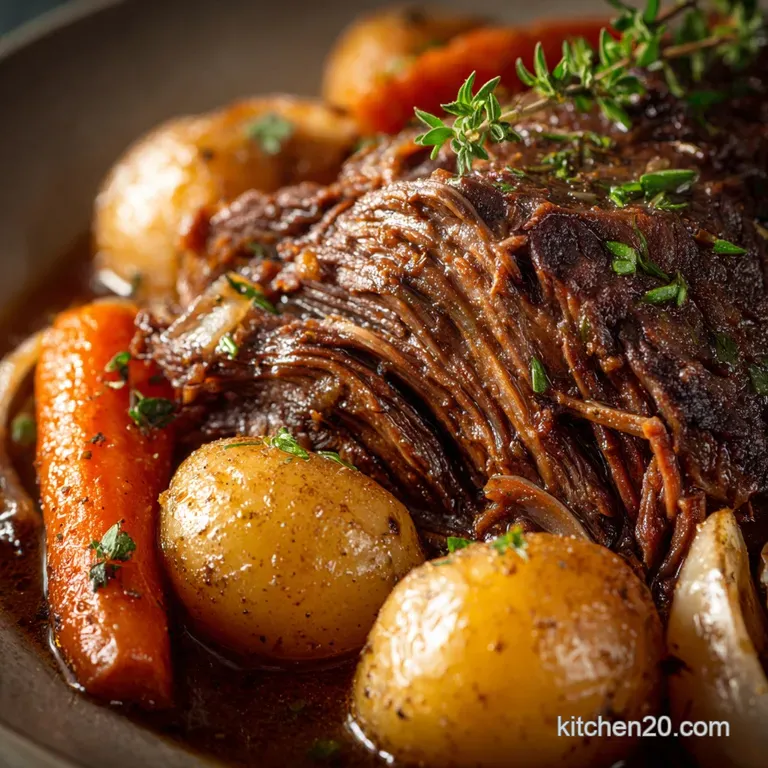
- The Ultimate Weekend Slow Cooker Pot Roast: A Guide to Melting Tenderness
- Essential Ingredients for the Perfect Slow Cooker Pot Roast
- Step-by-Step Guide: How to Achieve the Richest Pot Roast Gravy
- Mastering Texture: The Science Behind a Fall-Apart Slow-Cooked Roast
- Slow Cooker Pot Roast Troubleshooting and Expert Chef’s Tips
- Storage and Reheating: Maximizing Leftover Pot Roast Enjoyment
- Ideal Pairings: Serving Suggestions for Your Sunday Dinner
- Recipe FAQs
- 📝 Recipe Card
The Ultimate Weekend Slow Cooker Pot Roast: A Guide to Melting Tenderness
The smell of a Slow Cooker Pot Roast simmering for hours is pure, unadulterated comfort. It's the kind of aroma that wraps around your entire home, whispering promises of fork tender meat and deeply savoury gravy.
Seriously, nothing beats walking through the door after a long day to find dinner completely ready and smelling absolutely divine.
This isn't just a basic recipe; this is the one you pull out when you need a life saving, set-it and forget-it meal that tastes like you spent the entire afternoon slaving over a hot stove. We are taking a tough, budget friendly chuck cut and turning it into something truly luxurious.
It’s incredibly easy, surprisingly cheap, and everyone will ask for the recipe.
We're going to dive into the few essential steps that elevate this classic from "okay" to "oh my goodness." Trust me, you need to hear about the magic of the Maillard reaction and why I started adding red wine to my pot roasts. Let’s get cooking!
The Magic of Low and Slow Cooking
The beauty of the slow cooker is that it achieves true braising perfection without requiring any constant monitoring. That low, consistent heat works miracles on less expensive, harder working cuts of meat. I mean, who has time to babysit a Dutch oven for eight hours on a Sunday?
Why Searing is Non-Negotiable for Deep Flavor
I used to think the slow cooker was magic all by itself. I was wrong. The crucial step you absolutely cannot skip is searing. This simple technique, the Maillard reaction, creates hundreds of new flavor compounds, giving the exterior of the meat a deep, nutty, caramelized crust that translates directly into a richer final gravy.
A pale roast results in a weak tasting meal; we want deep, proper flavor here.
The Tradition of Braising Meets Modern Convenience
Braising traditionally involves cooking a tough cut in liquid over low heat for many hours until the connective tissues break down. This is the essence of that delicious, melting tenderness we crave.
Our crockpot takes this centuries old technique and simply modernizes it, giving us that intense, slow cooked depth without having to tend a hearth.
Essential Ingredients for the Perfect Slow Cooker Pot Roast
This recipe relies on simple building blocks, but choosing quality ingredients especially the liquid base makes all the difference in the final taste of your gravy.
Choosing the Best Chuck Roast Cut for Braising
You want a chuck roast (sometimes labeled shoulder roast or chuck eye). This cut has plenty of connective tissue and fat marbled throughout, which is exactly what we need. When cooked low and slow, that tough collagen melts into luscious gelatin, bathing the meat and keeping it incredibly moist.
Elevating the Broth: Selecting Your Robust Red Wine
The red wine adds a crucial layer of acidity and tannin, cutting through the richness of the roast and adding magnificent depth (it’s how you get that expensive restaurant flavour). A dry, robust wine like Cabernet Sauvignon or Merlot works perfectly here.
If you prefer to skip the alcohol, you can use the same amount of high-quality, unsalted beef stock, but make sure to include a tablespoon of balsamic or red wine vinegar for that necessary acidic lift.
A Note on Aromatics and Fresh Herb Bundles
A simple combination of carrots, celery, and onions is the traditional base (the mirepoix ), but fresh herbs truly elevate the dish. Thyme and bay leaves are my go-to pairing.
Bundle the thyme sprigs together with kitchen twine ; this makes them much easier to fish out when the cooking is finished.
| Ingredient | My Recommendation | Quick Substitution |
|---|---|---|
| Chuck Roast | 3 lb well marbled cut | Shoulder Clod or Bottom Round (needs longer cooking) |
| Red Wine | Dry Cabernet or Merlot | Extra Beef Stock + 1 tbsp Balsamic Vinegar |
| Beef Stock | Low Sodium, high-quality | Chicken Stock (adjust salt content later) |
| Waxy Potatoes | Yukon Gold or baby new potatoes | Sweet Potatoes (added very late) |
| Tomato Paste | Essential for depth | Ketchup (only 1 tsp, as it’s sweeter) |
step-by-step Guide: How to Achieve the Richest Pot Roast Gravy
The secret to proper gravy is flavour extraction, and we do that right at the start before the slow cooker even enters the chat.
The Crucial Searing and Deglazing Process
First, pat your meat dry, dry, dry . Season it aggressively with salt and pepper, then sear it in screaming hot oil for a solid four minutes per side until it looks dark and magnificent.
Once the meat is removed, those browned bits stuck to the bottom of the pan that’s called fond . Add your chopped onion and initial root vegetables and scrape up that fond as they sauté. That concentrated flavor is the backbone of your gravy.
Layering Components for Even Cooking
Once the wine has reduced slightly (degreasing the pan), transfer the aromatic mixture to the bottom of the slow cooker. This creates a cushion, preventing the meat from sitting directly on the bottom where it can scorch. Place the seared roast on top, pour in the stock, and add the herbs.
You want the liquid to cover about two-thirds of the meat, not drown it. This concentrated liquid ensures that fantastic slow cooker pot roast with gravy when it’s done.
Chef’s Note: Timing the root vegetables is key. I made the mistake once of putting the potatoes in at the very start, and after eight hours on low, they were just starchy sludge.
Add the potatoes only during the last 90 minutes of the cook time so they emerge tender, not disintegrated.
Converting Cooking Liquid into a Luxurious Pan Sauce (The Gravy Finish)
Once the meat is resting (don't skip the rest!), you need to deal with the liquid. Strain it into a saucepan, discarding the cooked vegetables and herbs if you want a smooth gravy (or leave them for a rustic sauce). Bring the liquid to a simmer, taste it, and adjust the seasoning.
If you like a thicker gravy, whisk in a cornflour slurry (cornflour mixed with cold water). Cook this for about two minutes until it thickens into a glossy, rich sauce. You can also skip this step entirely and just serve the rich pan juices, which are heavenly.
Mastering Texture: The Science Behind a Fall Apart Slow Cooked Roast
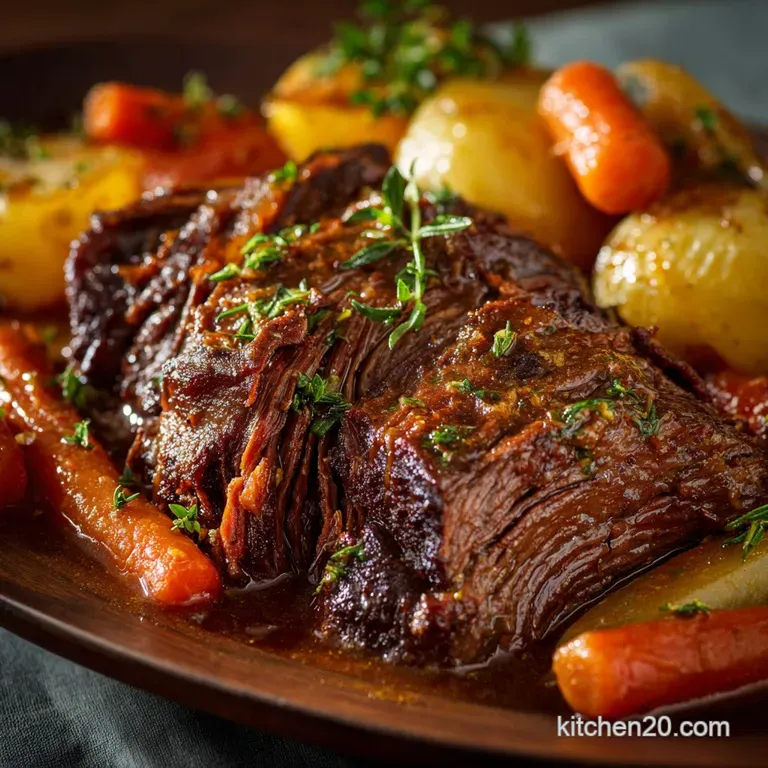
Transforming Tough Cuts: Collagen to Gelatin
The magic moment happens when the tough, rubbery collagen fibres in the connective tissues melt. The temperature must reach 160°F (71°C) internally, and it must hold that temperature for many hours.
This slow transformation turns the collagen into soft, silky gelatin, giving the meat that glorious, fall apart texture.
Building Umami Depth: The Red Wine Reduction Base
The early cooking of the red wine and tomato paste concentrates their savory depth this is pure umami. When this base mingles with the beef drippings for eight hours, it creates a flavour profile far deeper than simple stock alone.
Balancing Acidity and Richness
Pot roast is rich, often heavy. That's why the red wine or vinegar is so vital; the acidity provides a much needed counterbalance. It cuts through the fat and gelatin, preventing the dish from tasting flat or overly dense.
Preventing a Watery Sauce: Why Less Liquid is More
A slow cooker captures nearly all the moisture that evaporates from the food, meaning you need far less liquid than traditional stove top braising. If you use too much liquid, your final gravy will be thin and lack intensity. Stick to the four cups of stock, plus the wine.
Achieving Maximum Tenderness: The Internal Temperature Sweet Spot
While we are aiming for an internal temperature of around 200 205°F (93 96°C) for easy shredding, timing is key. Don’t trust the clock alone; check the meat with a fork. If the fork doesn't meet zero resistance, keep cooking it!
The Importance of the Rest Period Before Shredding
Just like any muscle, the meat needs to relax once it comes off the heat. When the roast is hot, the internal juices are flowing wildly. Resting it for ten minutes allows those juices to redistribute and settle back into the meat fibres.
If you shred it immediately, all that beautiful moisture ends up on your cutting board.
Slow Cooker Pot Roast Troubleshooting and Expert Chef’s Tips
Pot roast is generally foolproof, but a few things can go wrong if you aren’t careful. Here are the top mistakes I’ve made (so you don't have to).
-
Mistake: The Meat is Tough and Dry.
- The Fix: You cooked it too fast, or not long enough. If a braised cut is tough, it simply needs more time! Toughness means the collagen hasn't melted yet. Don’t panic just drop the temperature (to low) and cook it for another hour or two until it yields perfectly.
-
Mistake: The Vegetables are Mush.
- The Fix: You added them too soon. Add firm, waxy vegetables like potatoes and carrots during the last 1.5 to 2 hours of cooking on the Low setting.
-
Mistake: The Gravy Tastes Flat.
- The Fix: You skipped the sear, or you didn't season enough. Always taste the gravy after it’s finished cooking and adjust the salt. A splash of Worcestershire sauce or a tiny squeeze of lemon juice can also dramatically brighten the flavour right at the end.
Storage and Reheating: Maximizing Leftover Pot Roast Enjoyment
This meal is even better the next day, once the flavours have had time to truly meld.
Store leftovers immediately in an airtight container with plenty of the gravy/braising liquid. It keeps beautifully in the fridge for up to 4 days.
But does it freeze well? You bet! Pack the shredded meat and gravy together in a freezer safe bag or container, squeezing out all the air. It will keep for 3 to 4 months. When ready to eat, thaw it overnight in the fridge.
For reheating, the best method is low and slow on the stovetop or back in the slow cooker on the "Warm" setting. Microwaving tends to dry out the meat, and we worked too hard for that.
Ideal Pairings: Serving Suggestions for Your Sunday Dinner
What goes better with a perfect best slow cooker pot roast than creamy potatoes?
- The Classic Pairing: Creamy mashed potatoes are required, soaking up that rich, slow cooker pot roast gravy . If you want a slightly fancier carb, try my recipe for Sweet Potato Fries: The Secret to Ultra Crispy, Non-Soggy Oven Chips for some added color and sweetness.
- Something Green: A simple side of blanched green beans with butter and flaked sea salt provides a necessary textural contrast.
- Other Slow Cooker Delights: If you love the ease of the crockpot, you might also be a fan of my sticky, effortless Crockpot Honey Garlic Meatballs: Effortless Weeknight Sticky Classic . If you’re craving more one-pot comfort food this week, you should definitely check out my Stuffed Pepper Soup: Hearty One-Pot Recipe for Weeknights .
Recipe FAQs
Why is my pot roast tough even after slow cooking for hours?
This usually means the connective tissue in the chuck roast hasn't fully broken down yet. Toughness often occurs between 4 and 6 hours of cooking; continue braising until the meat reaches an internal temperature of 200°F (93°C) and shreds easily with a fork.
Do not rush the process; tenderness requires patience and low, steady heat.
How do I thicken the red wine gravy once the pot roast is finished cooking?
First, strain the cooking liquid into a saucepan and bring it to a gentle simmer on the stovetop. Create a slurry by mixing 1 tablespoon of cornstarch with 2 tablespoons of cold water, then whisk this mixture into the simmering liquid.
Continue cooking for a few minutes until the gravy thickens to your desired consistency.
Can I freeze leftover slow cooker pot roast?
Yes, pot roast freezes exceptionally well. For best results, separate the meat from the vegetables and store them together in an airtight container, ensuring the meat remains submerged in the gravy to prevent it from drying out in the freezer. It can be frozen for up to 3 months and reheated gently on the stove.
My vegetables (carrots, potatoes) turned out mushy. How can I prevent this next time?
Root vegetables often become overcooked if they are added at the very beginning of an 8-hour cooking cycle. For firmer vegetables, add them halfway through the cooking time, typically 3.5 to 4 hours before the roast is scheduled to be finished.
Ensure they are cut into large, uniform chunks to better withstand the prolonged heat.
I don't want to use red wine. What is a good non-alcoholic substitute?
You can substitute the red wine with an equal amount of beef broth or stock. To maintain the necessary acidity and depth of flavor, stir in 1 tablespoon of red wine vinegar and 1 teaspoon of balsamic vinegar per cup of replaced wine. This blend mimics the robust profile required for the rich gravy.
Is searing the meat truly necessary, or can I skip that step?
Searing the chuck roast is highly recommended and should not be skipped, as it is crucial for building the dish's fundamental savory flavor structure (the Maillard reaction). It develops a deep, caramelized crust and locks in umami that cannot be achieved by simply cooking the meat in liquid.
Skipping this step results in a significantly less flavorful roast and gravy.
Besides chuck roast, what other cuts of beef work well for slow cooker pot roast?
Cuts rich in connective tissue and fat work best for low and slow cooking, as they have ample time to break down into tender gelatin. Excellent alternatives include a brisket flat or beef shoulder (or "arm") roast. Avoid leaner cuts like sirloin or tenderloin, as they will dry out and become stringy.
Slow Cooker Pot Roast With Red Wine Gravy
Ingredients:
Instructions:
Nutrition Facts:
| Calories | 515 kcal |
|---|---|
| Protein | 33.1 g |
| Fat | 23.9 g |
| Carbs | 22.5 g |
