Oatmeal Bread the Proper Porridge Loafwonderfully Soft and Tender

- The Secret to Incredible Softness: Mastering the Porridge Method
- Essential Components for the Perfect Honey Oatmeal Bread
- Tools of the Trade: Equipping Your Kitchen for Bread Success
- Step and by-Step Guide to Mixing and Kneading This Dough
- Proofing, Shaping, and Baking Your Ideal Oatmeal Bread Loaf
- Troubleshooting Common Issues and Expert Baker Tips
- Storing, Freezing, and Flavor Variations for Longevity
- Recipe FAQs
- 📝 Recipe Card
The Secret to Incredible Softness: Mastering the Porridge Method
If I could go back and tell my younger, very frustrated bread and baking self one thing, it would be this: stop adding dry oats straight to the dough. Just stop. That’s the secret, truly, to the best homemade oatmeal bread recipe you will ever make.
I spent years chasing that elusive, soft and but-sturdy sandwich loaf, always ending up with something dry and crumbly after just a day or two. Why? Because dry oats are moisture thieves! They sit there, demanding hydration, pulling water away from the flour that needs it for gluten development.
The porridge method flips that whole situation on its head. It’s a total game and changer. We cook (or soak, really) the oats fully before they even meet the flour. This pre and hydration guarantees a silky, tender crumb every single time. It’s brilliant.
Why Porridge Dough Creates a Superior Crumb
The magic of the "soaker," which is just a fancy name for the oatmeal porridge we create, comes down to chemistry and texture. When oats are properly cooked, they release starches and become gelatinous. Adding this already saturated, slightly sticky mixture to your dough changes the entire environment.
It acts as a natural conditioner. Instead of having sharp, dry flakes tearing at your gluten network, you have soft, plump bundles nestled in. This results in a tight, incredibly soft crumb, which is exactly what we want in a homemade oatmeal bread.
It stops that frantic tearing and instead lets the gluten develop into a beautiful, uniform structure.
A Loaf That Lasts: The Moisture Retention Advantage
This is where the real value of making a moist oatmeal bread comes in. High and hydration breads are notorious for staying fresh longer, and the porridge method is essentially a smart way to raise the overall hydration of the dough without making it an unmanageable, sticky mess.
Because the oats absorb and lock in so much liquid (hello, 1 cup of boiling water!), that moisture is released much more slowly over time than if it were just incorporated into the flour. Have you ever made a standard white loaf that felt dry the next day? I have. Many times.
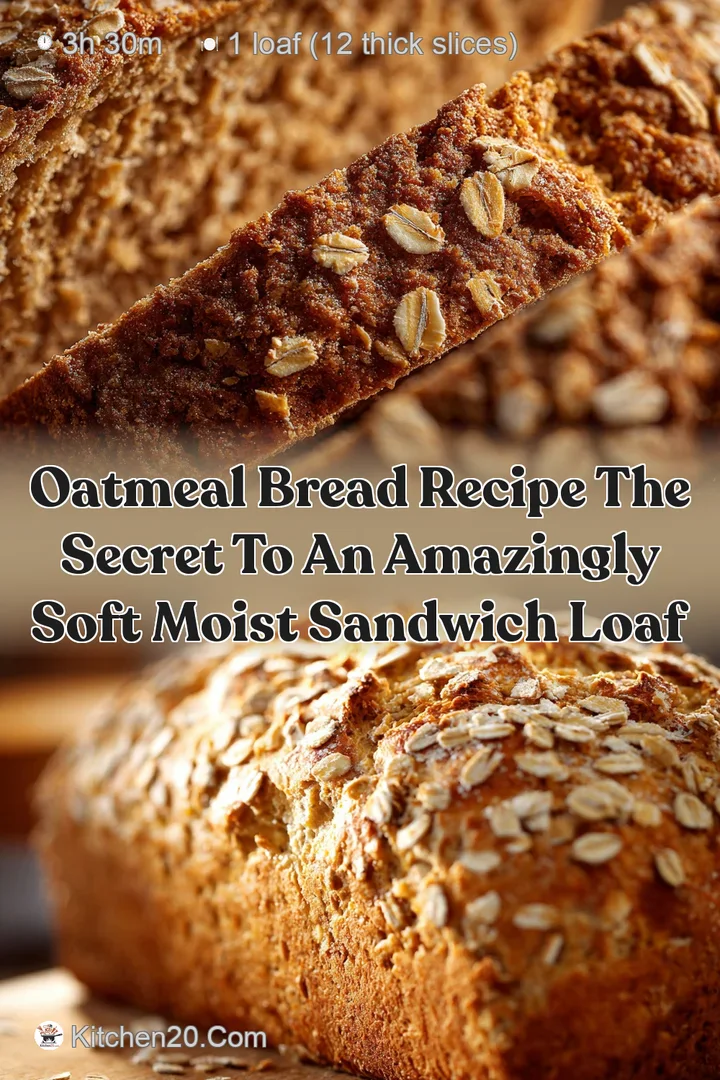
This oatmeal bread recipe resists that rapid drying out. You’ll find this loaf is still wonderfully soft and sliceable four or even five days later, kept at room temp. This is key for easy homemade bread recipes meant for daily use.
Is This Oatmeal Bread Right for Your Sandwich Needs?
Absolutely, yes. I get asked this all the time: "Is it going to collapse when I try to put peanut butter on it?" Nope. While this loaf is exceptionally moist, the use of a high and protein bread flour (which I highly recommend) alongside that pre and hydrated oat bulk gives it excellent structure.
This isn't just a fluffy puff of air; it’s sturdy. This particular loaf stands up beautifully to thick spreads, sliced roast turkey, or a towering stack of crisp lettuce. It has enough integrity to handle being packed in a lunch box without turning into mush.
If you’re looking for a hearty, healthy oatmeal bread that doesn’t require the use of a bread machine (though you can absolutely adapt it!), this is your winner.
Essential Components for the Perfect Honey Oatmeal Bread
The quality of just a few ingredients makes a massive difference in baking, and bread is unforgiving if you skimp. Think about the honey. We aren't just adding it for sweetness; we’re using it to feed the yeast and add depth.
Using a decent, raw honey maybe one from a local farm will layer the flavor in a way white sugar simply can’t match. And butter? Use real, unsalted butter. Don’t try to sneak in margarine here; the fat content helps keep the crust tender and contributes to that satisfying richness in the crumb.
We want that wholesome, almost rustic flavor that defines proper homemade bread.
Tools of the Trade: Equipping Your Kitchen for Bread Success
I know some folks treat bread baking like a mystical rite that requires ancient tools. It doesn't. You need basics, but there are a few things that move you from "making okay bread" to "making great bread." A good metal loaf pan is crucial, but honestly, if you don't have a reliable kitchen scale and an instant and read thermometer, you are making life unnecessarily hard.
The thermometer handles the yeast water and verifies the final bake. The scale handles the flour. Right then, let’s crack on with the ingredient details.
Selecting the Best Oats: Rolled vs. Quick and Cooking
You have to be militant about the type of oats you use in this recipe. We are strictly using old and fashioned rolled oats for the soaker. Why? They hold their structure beautifully even when boiled, providing wonderful texture within the finished loaf.
If you use quick and cooking or instant oats, you’ll end up with an overly mushy paste that can make the final dough slack and almost pudding and like. Avoid that, please! The last thing you want is that gummy texture. Use the good stuff.
The Role of Sweeteners: Honey vs. Maple Syrup for Flavor Depth
In this oatmeal bread recipe, the honey is doing triple duty. It provides the initial burst of food for the yeast, gives the crust that lovely golden and brown hue through caramelization, and adds a beautiful, subtle sweetness. I prefer honey because it complements the earthiness of the oats so well.
If you want a slightly darker, more intense flavor profile, swap out the honey for molasses (or black treacle). It gives you a much richer color and a more 'old and world' taste, almost like a pumpernickel hybrid. Maple syrup works fine in a pinch, but the flavor is less pronounced post and bake.
Measuring Mastery: Digital Scales Are Your Best Friend
Look, I love my vintage measuring cups as much as the next person, but when baking bread, cups are a complete lie. The difference between 3 ½ cups of flour lightly spooned into the measure versus heavily packed can easily be 50 to 100 grams.
That’s the difference between a dough that kneads beautifully and one that’s a sticky, frustrating disaster. If you want consistently good results in your easy homemade bread recipes, you need to measure your flour by weight. It takes out all the guesswork.
A cheap digital scale is the most important baking investment you can make, full stop.
Choosing the Right Loaf Pan Size and Material
The pan you choose directly influences the shape and texture of your loaf. I specify a standard 9x5 inch metal pan, and here’s why that matters:
- Size: A smaller pan (like 8x4) will force the dough to rise much taller, potentially giving you that mushroom top effect and requiring slightly longer baking time to cook the center.
- Material: Metal pans (especially light and coloured aluminum or standard carbon steel) conduct heat efficiently and promote a uniform crust. Glass or ceramic pans retain heat for much longer, which can result in a thicker, tougher bottom crust and can occasionally slow down the bake time.
- The Rule: If you use a nonstick pan, you might need to drop your oven temp by about 10 15°F because those coatings can sometimes overheat the crust quickly.
Related Recipes Worth Trying
- Artisan No Knead Bread Crusty Dutch Oven Loaf 5Min Prep — This Artisan No Knead Bread recipe uses minimal effort to create the ultimate crusty Dutch Oven Bread The long slow fermentation develops complex flavor and...
- Fig Date Nut Bread Elevated Date Fig Walnut Loaf for Tea Time — Fig Date Nut Bread is an incredibly moist and dense Dessert Bread perfected by soaking fruit in tea This fig and date nut bread recipe is ideal for...
- Crispy Buttermilk Cornbread Waffles with Cowboy Chili Proper Comfort — Elevate your dinner These Crispy Cornbread Waffles with Chili are a textural masterpiece replacing traditional sides Its the ultimate comfort food recipe...
Step and by-Step Guide to Mixing and Kneading This Dough

Once you have your soaker cooling down (remember that step!), the rest of the mixing process is pretty standard, but there are two critical moments you absolutely must nail. The first is getting the soaker temperature right, and the second is the texture of the final kneaded dough.
Preparing the Oat Porridge Soaker (The Crucial First Step)
I have killed so much yeast in my day because I was impatient. Do not be like me. After you combine the boiling water and oats, you must let that soaker cool completely. It should feel lukewarm, or ideally, room temperature, before you add it to the other ingredients.
If you mix hot porridge with the flour and yeast, you’ll scald the yeast. You’ll end up with dense, under and risen bread. It takes about 30 minutes, sometimes less if you spread the mixture out on a plate. Be patient.
CRUCIAL WARNING
The temperature of your yeast activation milk should be between 105°F and 115°F (40 46°C). Anything much hotter than 120°F (49°C) kills the yeast instantly. Use that thermometer!
Achieving the Windowpane: Knowing When to Stop Kneading
This is the key to getting a high and rising, soft homemade oatmeal bread loaf. Whether you use a stand mixer or knead by hand, you are aiming for a strong gluten structure. Once the dough has mixed together, knead it hard for the specified time (6– 8 minutes in the mixer, 10 12 by hand).
You know you are done when the dough passes the "windowpane test." Pinch off a small piece of dough (about the size of a golf ball) and gently stretch it with your fingers. If you can stretch it thin enough to see light pass through it without it tearing instantly, the gluten is developed.
If it tears right away, knead for two more minutes and test again.
Proofing, Shaping, and Baking Your Ideal Oatmeal Bread Loaf
Visual Cues for a Perfect First Rise (Bulk Fermentation)
Proofing is about patience. Don't worry about the clock so much as what the dough looks like. For the first rise (bulk fermentation), we want the dough to double in volume. A good tip is to take a photo of the dough in the bowl when you start so you have a visual reference.
If your kitchen is cold, stick the bowl in the oven (turned off, obviously!) with the light on. That low heat provides a perfect, draft and free spot.
Shaping Secrets: Tucking and Tightening the Loaf
The way you shape the loaf dictates its final height and structure. You can’t just plop the dough into the pan. You need to create surface tension. After you gently deflate the dough, pat it into a rough rectangle.
Then, roll it tightly away from you into a cylinder, tucking and sealing the seam with the heel of your hand. Finally, turn it 90 degrees and repeat the process just to cinch it up.
This tight rolling technique creates the tension that forces the dough to rise up rather than spreading out into a sad, flat blob.
Oven Spring Tactics: Getting the Maximum Rise
Oven spring is that beautiful surge in height the bread gets in the first 10 minutes of baking. To maximize it, make sure your oven is fully preheated give it an extra 15 minutes after it signals it’s ready. And use that egg wash right before baking.
The egg wash glues the oats on top (so they don't slide off!) and slightly delays the crust from hardening, allowing the loaf maximum time to expand upward before the crust sets.
Troubleshooting Common Issues and Expert Baker Tips
Why Is My Dough Sticky? Adjusting Hydration Mid and Mix
Because the oatmeal soaker adds a lot of moisture, this dough starts quite wet, which can scare people. If you find your dough is sticking completely to your hands and the mixer bowl after 5 minutes of kneading (as opposed to just feeling pleasantly tacky), it’s too wet.
Add one tablespoon of flour at a time until the dough begins to pull away from the sides of the bowl. Resist the urge to dump in a whole quarter cup! Small additions are key to managing the hydration in a moist oatmeal bread recipe.
How to Achieve a Uniform Golden and Brown Crust
There are two steps here: the egg wash and temperature control. The egg wash (egg yolk mixed with a tiny bit of water) is responsible for that deep, glossy color. If you skip the wash, the bread will look pale and sad.
Also, if your oven runs hot, or if you notice the top browning rapidly around the 20 minute mark, simply grab a piece of aluminum foil and lightly tent the loaf. This reflects heat away from the surface while the center finishes baking properly.
Storing, Freezing, and Flavor Variations for Longevity
Extending Freshness: Best Practices for Cooling and Slicing
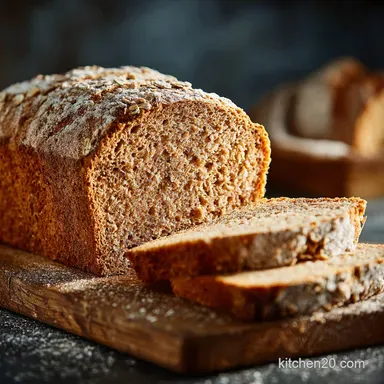
I know. The smell is intoxicating. You want to slice it right away. Do. Not. Do. It. Slicing hot bread traps steam inside and results in a gummy, wet interior texture. It’s absolutely essential that you let the loaf cool completely on a wire rack for at least one hour preferably 90 minutes.
Once fully cool, store the healthy oatmeal bread in an airtight container or zip and top bag at room temperature. Don't put it in the fridge; that actually speeds up the staling process.
Making Gluten and Free Oatmeal Bread Substitutions
If you need a gluten and free oatmeal bread, you can definitely adapt this. You must use certified gluten and free oats. For the flour, substitute the bread flour with a quality gluten and free blend that contains xanthan gum. You will likely need to adjust the liquid slightly, as GF flours absorb moisture differently.
I’ve found that high and hydration doughs work best with GF flour, so don't be afraid if the dough feels looser than the traditional version. Note: you may need to add a teaspoon of apple cider vinegar, which often helps mimic the slight acidity that aids the rise in gluten and free bakes.
Recipe FAQs
I’m new to baking bread. Is this "Medium" difficulty intimidating?
Not at all! The medium rating just flags the need for precise temperature control (for the yeast and soaker) and the confidence to handle a slightly wetter dough. Just stick rigidly to the temperature checks, and remember that if the dough feels too sticky, a tiny dusting of extra bread flour will quickly sort it out.
My loaf of bread came out heavy and dense. I followed the recipe exactly!
This common hiccup usually comes down to the oatmeal soaker being too hot when combined with the yeast and flour, which effectively kills the active yeast. Ensure the porridge mixture is completely cooled and no warmer than lukewarm before mixing; otherwise, you'll end up with a proper brick instead of a lovely, lofty loaf.
What are the best uses for this proper Honey Oatmeal Bread besides a simple sandwich?
This wonderfully moist bread is fantastic when toasted and served alongside a comforting bowl of Leek and Potato Soup, or it stands up brilliantly to a sophisticated cheese board featuring sharp cheddar and chutney.
For a quick win, add cinnamon and soaked raisins during the final minute of kneading for a classic sweet teatime loaf.
Do I really need bread flour, or can I use plain (all-purpose) flour for this recipe?
Bread flour is highly recommended because its higher protein content gives the dough the vital structure needed to support the heavy, wet oatmeal soaker, ensuring a better, higher rise. While plain flour will work, the resultant loaf will likely be slightly denser and less lofty than intended.
How long will this lovely soft loaf stay fresh, and what's the best way to store it?
Thanks to the natural moisture retained by the oats and honey, this bread stays incredibly fresh for 4 5 days when stored tightly wrapped in cling film or a sealed container at room temperature. For longer preservation, slice the cooled loaf, bag it, and pop it in the freezer for up to three months.
Soft Homemade Oatmeal Bread Loaf
Ingredients:
Instructions:
Nutrition Facts:
| Calories | 185 calories |
|---|---|
| Fat | 3.5 g |
| Fiber | 3 g |
