Chow Chow Relish: a Southern Classic
- Time: Active 40 minutes, Passive 250 minutes, Total 290 minutes
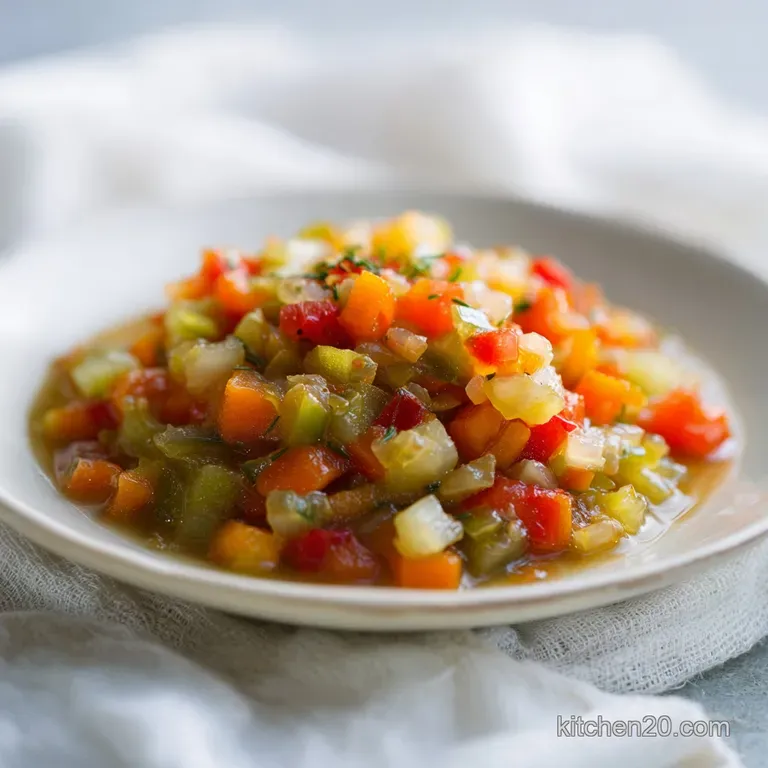
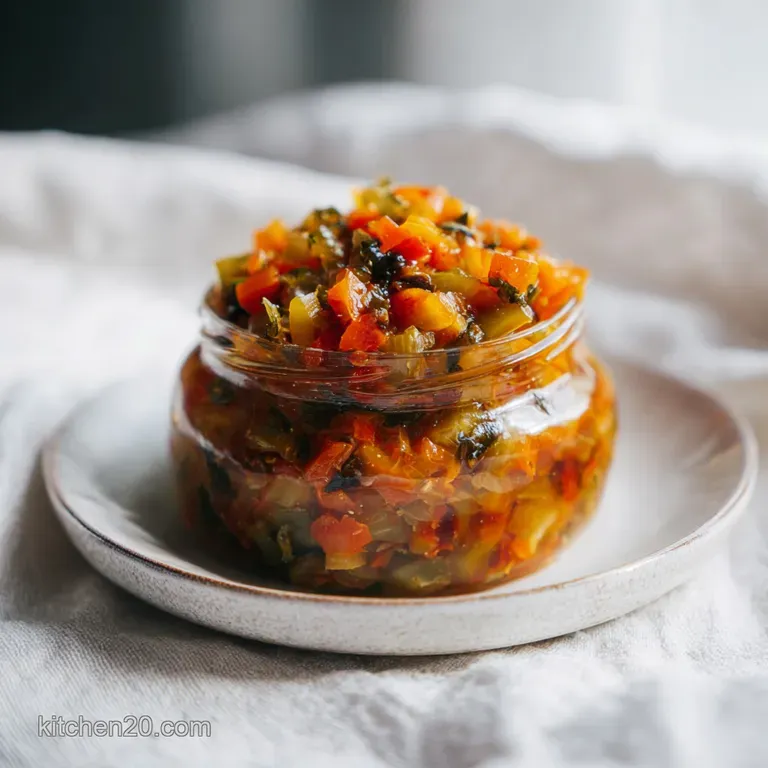
- Flavor/Texture Hook: Tangy, snap crisp vegetables in a golden, spiced syrup
- Perfect for: Topping pinto beans, hot dogs, or rounding out a budget-friendly charcuterie board
- Crafting the Best Homemade Chow Chow Relish
- Why Salt Prep is Vital
- Crucial Numbers for Your Batch
- Selecting Your Garden Fresh Elements
- Essential Tools for Quick Canning
- Creating Your Batch Step by Step
- Fixing Common Relish Texture Issues
- Smart Swaps for Budget Savings
- Proper Storage for Long Freshness
- Perfect Pairings for Every Meal
- Myths About Relish Preserving
- Final Decision Shortcut
- Recipe FAQs
- 📝 Recipe Card
Crafting the Best Homemade Chow Chow Relish
The absolute star of this show is the green tomato. If you've never worked with them, you’re in for a treat. I'm not talking about those soft, pale pink "almost ripe" tomatoes. I mean the hard, vibrant green ones that feel like an apple when you squeeze them.
They have this incredible tartness and a high pectin content that keeps them from turning into mush during the simmer. Without them, you just have a standard cabbage slaw, but with them, you have a authentic southern chow chow recipe that has real backbone.
I remember the first time I tried to skip the green tomatoes because my garden was running late. I used extra bell peppers instead, and honestly, it was a disaster. It lacked that specific "zing" and the texture was far too soft. The green tomato provides a structural integrity that survives the vinegar bath.
It’s the punchy, acidic heart of the jar that makes every spoonful worth the wait.
This recipe is all about taking what you have the end of-season garden haul and turning it into gold. We are going to use a blend of shredded cabbage, onions, and peppers, but the green tomatoes are the non negotiable hero.
We’re going for a fast, creative approach here that doesn't break the bank but delivers a flavor profile that tastes like it took a week to develop.
Why Salt Prep is Vital
- Osmotic Extraction: The 75g of canning salt draws out excess cellular water, ensuring the vegetables stay "snap crisp" instead of becoming soggy in the brine.
- Texture Preservation: By removing water before cooking, the vinegar can penetrate the vegetable fibers without diluting the flavor.
- Color Setting: The salt soak helps the turmeric and spices adhere better to the vegetable surfaces, giving that classic golden hue.
- Microbial Control: While we aren't fermenting, the initial salt contact helps keep the vegetables firm during the 270 minutes of waiting.
| Method | Total Time | Texture | Best For |
|---|---|---|---|
| Traditional Soak | 290 minutes | Extremely crunchy | long term canning and gifts |
| Quick Press | 90 minutes | Slightly softer | Immediate fridge use |
| No Soak Method | 40 minutes | Very soft/saucy | Topping soft tacos or burgers |
If you are in a rush, you might be tempted to skip the four hour wait. Don't do it. That waiting period is what separates a mediocre relish from a legendary one. The salt is doing the heavy lifting while you're off doing other things.
It's the most "coding like" part of the recipe: you set the parameters, let the process run, and come back to a better product.
Crucial Numbers for Your Batch
When it comes to canning, precision is your best friend. We aren't just throwing things in a pot; we are creating an environment where acidity and sugar balance perfectly to preserve our hard work.
This recipe yields a massive 192 servings (about 6 to 8 pint jars), making it the ultimate budget smart move for gifting or stocking a pantry.
The 5% acidity in your apple cider vinegar is the most important number on the label. Check the bottle twice! If you use a weaker vinegar, the relish won't be safe for long term shelf storage. We want that sharp 710ml of vinegar to play against the 400g of sugar.
It sounds like a lot of sugar, but remember, this is a condiment meant to be eaten in small, punchy bursts, not by the bowlful.
| Metric | Target Value | Visual Cue |
|---|---|---|
| Tomato Chop Size | 6mm to 8mm | Similar to a pea |
| Cabbage Shred | 3mm width | Thin matchsticks |
| Simmer Temp | 90°C - 95°C | Gentle, steady bubbles |
Selecting Your Garden Fresh Elements
The magic happens when you understand the role of each player. This isn't just a "vegetable chow chow recipe"; it's a carefully balanced ecosystem of crunch and heat. I use red and green bell peppers for a visual pop, but they also provide a mild sweetness that bridges the gap between the spicy jalapeños and the tart tomatoes.
| Ingredient | Science Role | Pro Secret |
|---|---|---|
| Green Tomatoes | Pectin & Structure | Use firm, unripened fruit for the best "snap." |
| Canning Salt | Moisture Removal | Avoid table salt with iodine; it clouds the brine. |
| Apple Cider Vinegar | Preservative & Tang | Choose organic with "the mother" for deeper flavor. |
| Turmeric | Natural Dye | A tiny bit goes a long way for that signature gold. |
The Garden Base
You'll need 700g of those green tomatoes, 450g of shredded cabbage, and 300g of white onions. These are your bulk. The onions provide a savory baseline that grounds the brighter notes of the peppers.
If you can't find green tomatoes, some folks suggest firm green pears, but I've found that alters the sugar balance too much for a classic savory relish.
The Spiced Brine
The 710ml of apple cider vinegar combined with 400g of sugar creates the pickling medium. The mustard seeds (20g) and celery seeds (10g) add that old-fashioned aromatics. I love the addition of the pickling spice (2g) because it adds subtle notes of clove and allspice that you can't quite place but would definitely miss if they were gone.
Essential Tools for Quick Canning
You don't need a professional kitchen to make a killer homemade chow chow relish. A large non reactive bowl (think glass or stainless steel) is mandatory for the salt soak. Aluminum will react with the salt and vinegar, giving your relish a metallic "tin foil" taste that is impossible to fix.
A heavy bottomed stainless steel pot is my go to for the simmer. It distributes heat evenly, so you don't scorch the sugar at the bottom. And for the love of all things crispy, get a good jar lifter if you plan on doing the water bath process. Burning your fingers is a fast way to ruin the fun of a preserving session.
- Large non reactive bowl (6L+ capacity)
- Colander (for the big rinse)
- Sharp Chef’s knife or a mandoline (for consistent cabbage shreds)
- Stainless steel stockpot (8L)
- Canning jars with new lids and rings
- Water bath canner or a very deep pot with a rack
Creating Your Batch step-by-step
- Combine 700g chopped green tomatoes, 450g shredded cabbage, 300g diced onions, 150g red pepper, 150g green pepper, and 45g minced jalapeños in your non reactive bowl.
- Sprinkle 75g of canning salt over the mix and toss with your hands until every piece is glistening. Cover and let it sit for 270 minutes. Note: This draws out the water that would otherwise make your relish watery.
- Dump the mix into a colander and rinse under cold water for at least 2 minutes. Rinse until the water runs clear to ensure you don't end up with a salt bomb.
- Squeeze the vegetables in batches with your hands or a clean kitchen towel to remove every drop of excess moisture.
- In your large pot, whisk together 710ml apple cider vinegar, 400g sugar, and all the dry spices (mustard seed, celery seed, turmeric, red pepper flakes, pickling spice).
- Bring the brine to a boil over medium high heat, stirring until the 400g of sugar is fully dissolved.
- Drop in the drained vegetables. Bring the pot back to a boil, then immediately drop the heat to low.
- Simmer for 10-15 minutes until the vegetables look slightly translucent but still offer a firm bite. Don't overcook!
- Ladle the scalding hot relish into sterilized jars, leaving exactly 1.25cm (1/2 inch) of headspace at the top.
- Process in a boiling water bath for 10 minutes. You will hear the satisfying "pop" of the lids as they cool, signaling a successful seal.
Fixing Common Relish Texture Issues
Why Your Relish Is Mushy
If your chow chow feels more like a jam than a crisp relish, you likely overcooked it or skipped the rinse. The vegetables continue to soften as they sit in the hot jars, so you have to pull them off the stove while they still feel "underdone."
| Problem | Root Cause | Solution |
|---|---|---|
| Excessive Saltiness | Inadequate rinsing | Soak the vegetables in fresh water for 10 mins before cooking. |
| Cloudy Brine | Used table salt | Use pure canning/pickling salt next time; it's still safe to eat. |
| Floating Veggies | Air pockets in jar | Use a non metallic spatula to "de bubble" the jars before sealing. |
But what about the sogginess? Most people think it's the cook time, but it's actually the soak. If you don't give the salt those full 270 minutes to work, the water inside the cabbage will leak out during the simmer, steaming the vegetables from the inside out.
To Fix a Lack of "Pop"
If the flavor is flat, it’s usually an acidity issue. A splash of fresh lemon juice right before jarring can wake everything up. However, don't mess with the vinegar to sugar ratio too much if you are shelf canning, as that balance is what keeps the bacteria away.
Common Mistakes Checklist:
- ✓ Forgot to rinse the salt (result: inedible saltiness)
- ✓ Used "light" vinegar (result: unsafe pH levels)
- ✓ Over simmered the cabbage (result: mushy texture)
- ✓ Didn't leave headspace in jars (result: seals failing)
- ✓ Used old lids (result: jars won't pop/seal)
Smart Swaps for Budget Savings
This is a classic budget smart recipe because it uses the "leftovers" of the garden. But if you're shopping at the market, green tomatoes can sometimes be pricey if they're labeled as a specialty item.
In that case, look for the firmest, most underripe tomatoes at the bottom of the bin they’re usually cheaper because nobody wants them for salad!
| Original Ingredient | Substitute | Why It Works |
|---|---|---|
| Green Tomatoes | Tomatillos | Similar acidity and firmness. Note: Adds a slightly more citrusy, herbal note. |
| Apple Cider Vinegar | White Vinegar | Clean, sharp acidity. Note: Lacks the fruity depth of cider vinegar but costs less. |
| Canning Salt | Kosher Salt | Pure salt without additives. Note: Use 1.5x the volume as it's less dense. |
For a Spicy Cajun Chow Chow
If you want to lean into a cajun chow chow recipe style, swap the jalapeños for serranos or even a bit of habanero. Double the red pepper flakes and add a teaspoon of smoked paprika. The smokiness against the vinegar is incredible with grilled meats.
For a Refined sugar-free Version
You can use honey or maple syrup, but be aware it will change the color and add a distinct floral note. If you're looking for a quick chow chow relish to eat immediately, you can use a monk fruit sweetener, but I wouldn't recommend this for long term shelf canning as sugar also acts as a preservative and texture stabilizer.
Proper Storage for Long Freshness
Once your jars have cooled for 24 hours, check the seals. The center of the lid should be sucked down and shouldn't move when pressed. Store these in a cool, dark place like a pantry or basement. Light is the enemy of that beautiful turmeric yellow; it will fade the colors over time.
For the zero waste enthusiasts: don't toss the leftover brine in the pot! If you have a cup or two left over, use it to quick pickle some sliced red onions or cucumbers in the fridge. That spiced vinegar is liquid gold. Also, those cabbage cores you cut out? Finely mince them and add them to a stir fry or a Beef Chow Mein recipe for extra texture.
- Pantry Storage: Up to 12 months (if water bathed).
- Opened Jars: Refrigerate immediately; they stay fresh for 2-3 months.
- Freezing: Not recommended. The ice crystals break the cell walls of the vegetables, leaving you with a watery mess when thawed.
Perfect Pairings for Every Meal
In the South, this classic chow chow condiment is the soulmate of a bowl of pinto beans and cornbread. The acidity of the relish cuts right through the creamy, earthy richness of the beans. It’s a match made in heaven.
But don't stop there. I love using this as a "fusion" element. Try it on a bratwurst instead of sauerkraut for a sweeter, more complex crunch. It’s also a killer addition to a tuna salad swap out your boring sweet relish for this, and you'll never go back. If you're serving a heavy winter meal, like my New England Clam Chowder, a little side dish of this relish provides a bright, acidic contrast that refreshes the palate between spoonfuls of creamy soup.
- If you want it sweeter
- Increase sugar by 50g, but keep an eye on the simmer so it doesn't caramelize.
- If you want it crunchier
- Reduce the simmer time to 8 minutes and move straight to the jars.
- If you want it "Chunky"
- Hand dice everything into 1cm cubes instead of shredding/finely chopping.
Myths About Relish Preserving
One big misconception is that you need a specialized "canning room" or ancient secrets passed down through generations. The truth is, it's just basic chemistry. Another myth is that the "chow" in the name comes from "Chow Mein." While there are theories about Chinese railroad workers in the 19th century influencing the dish, most food historians believe it’s a corruption of the French word "chou" for cabbage.
It’s a truly global fusion dish that found its home in the American South.
Some people think the turmeric is just for flavor. It's actually mostly for aesthetics! Without it, the green tomatoes and cabbage turn a somewhat dull, greyish green after being boiled in vinegar. The turmeric provides that "sunshine in a jar" look that makes it so appetizing on a plate.
Trust me, even a tiny pinch makes a massive difference in how the dish is perceived at the table.
Final Decision Shortcut
- Budget Focused? Use white vinegar and whatever firm peppers are on sale.
- Texture Focused? Do not shorten the 270 minute salt soak; it is the "code" for crunch.
- Flavor Focused? Use a high-quality apple cider vinegar and don't skip the celery seeds.

Recipe FAQs
Is Chow Chow a good family dog?
No, this is a common misconception. Chow Chows are a food condiment relish made from green tomatoes and cabbage, not a breed of dog.
Why do groomers refuse Chow Chows?
False. Professional groomers do not work on this recipe because it is a shelf stable condiment, not a living animal requiring grooming services.
Are Chow Chow dogs high maintenance?
No, this is a mix-up regarding the name. This recipe is a pantry staple that requires zero pet care, though it does require 4 hours of soaking to properly extract moisture from the vegetables.
Is Chow Chow an expensive dog?
No, it is a budget friendly garden preserve. This relish uses end-of-season produce like green tomatoes and cabbage to create 192 servings for a minimal cost.
How to ensure the vegetables remain crunchy?
Soak the chopped vegetables with the canning salt for exactly 4 hours. This critical step pulls out excess moisture; if you enjoyed the crunchy texture here, you can apply similar moisture control techniques to other vegetable dishes.
How to achieve the perfect tangy flavor balance?
Simmer the vegetables in the vinegar and sugar mixture for 10-15 minutes. Boiling until tender while maintaining a slight crunch ensures the spices like mustard seed and turmeric fully penetrate the vegetables without turning them soft.
How to store for long term use?
Process the filled, sterilized jars in a boiling water bath for 10 minutes. This allows you to store the relish in a cool, dark place for up to 1 year.
Southern Chow Chow Relish
Ingredients:
Instructions:
Nutrition Facts:
| Calories | 12 calories |
|---|---|
| Protein | 0.1 g |
| Fat | 0.1 g |
| Carbs | 2.8 g |
| Fiber | 0.3 g |
| Sugar | 2.3 g |
| Sodium | 48 mg |
