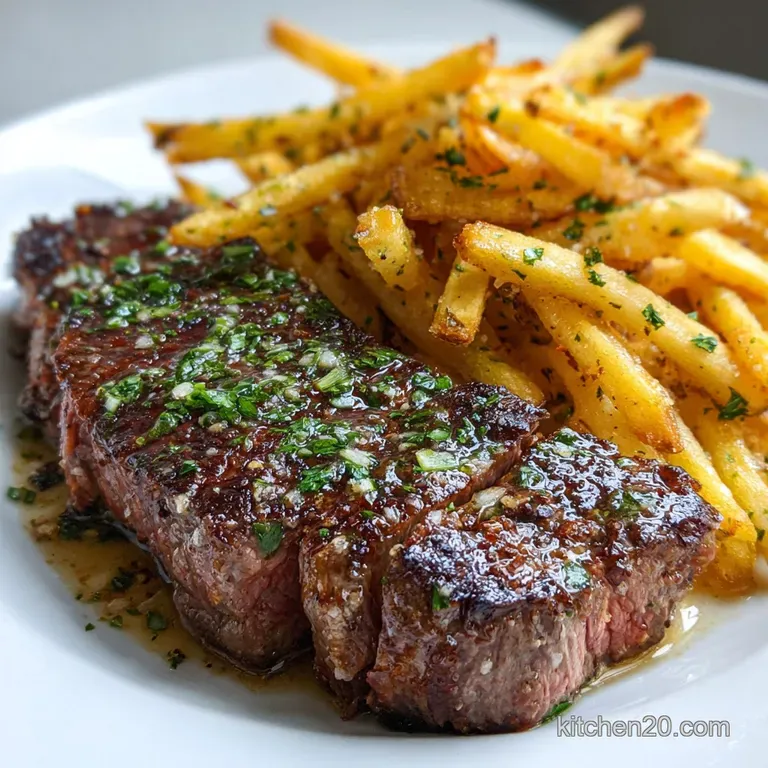
Steak Frites: Shatter Crisp Fries
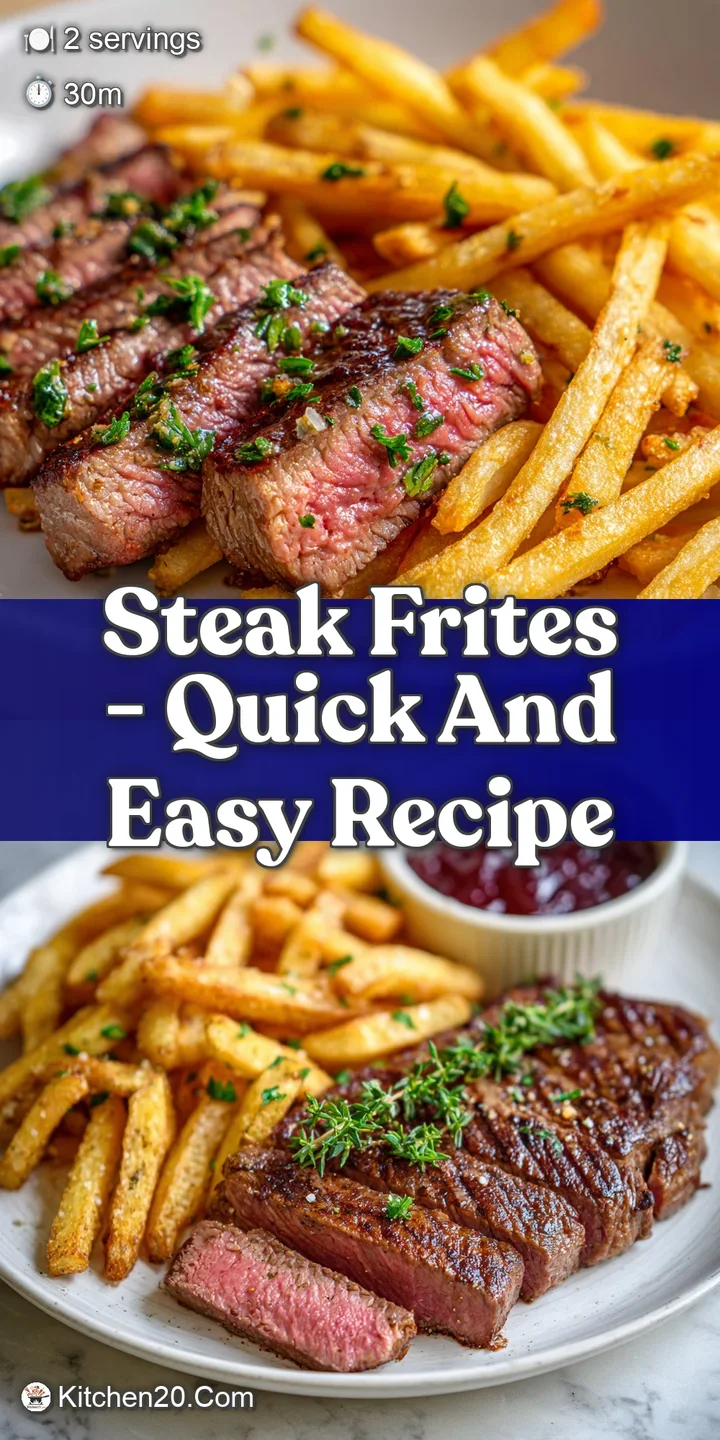
- Time: Active 15 minutes, Passive 15 minutes, Total 30 minutes
- Flavor/Texture Hook: Shatter crisp fries and velvety garlic butter
- Perfect for: Date nights or high impact weekend dinners
- The Ultimate Guide to Perfect Steak Frites
- The Physics of the Bistro Crunch
- Component Analysis for High Performance
- Selecting Your Elements and Substitutes
- Essential Tools for Professional Results
- Executing the Perfect Steak Frites Technique
- Troubleshooting Your Kitchen Mistakes
- Scaling the Recipe for Crowds
- Smart Storage and Waste Reduction
- Pairing Your Meal for Success
- High in Sodium
- Recipe FAQs
- 📝 Recipe Card
The Ultimate Guide to Perfect Steak Frites
Have you ever wondered why that first bite of a bistro dinner feels like a sensory revolution? I used to think there was some hidden technology behind those paper thin, shatter crisp fries and the deeply seared meat.
After many failed attempts that resulted in soggy potatoes and gray, uninspired beef, I realized the secret isn't a professional kitchen it's about understanding the platform of heat and moisture.
I’ll never forget the time I tried to make this for a housewarming party. I crowded the pan, the temperature plummeted, and I ended up serving something that looked more like boiled beef than a seared masterpiece.
It was a humbling moment, but it led me to the "cold start" fry method and the importance of a dry brine. Now, we're going to connect those dots so you can skip the mistakes and go straight to the sizzle.
This recipe is about more than just food; it’s about a connected cooking experience where timing and texture meet. We are moving away from the guess work of the past and using precision to ensure every component hits the plate at the right temperature.
Trust me on this, once you master the cornstarch crunch, you’ll never look at a potato the same way again.
The Physics of the Bistro Crunch
Surface Dehydration: Salt draws moisture to the surface of the steak, which then evaporates, allowing the Maillard reaction to create a dark, flavorful crust rather than steaming the meat.
Starch Gelatinization: Coating the potato matchsticks in cornstarch creates a secondary barrier that absorbs excess moisture and fries into a microscopic lattice, ensuring the fries stay crispy for longer.
Carryover Thermodynamics: Resting the meat allows the internal muscle fibers to relax and reabsorb juices, preventing that "bloody plate" syndrome and keeping the center velvety.
| Thickness | Internal Temp | Rest Time | Visual Cue |
|---|---|---|---|
| 1 inch | 130°F (Medium Rare) | 5 minutes | Warm red center |
| 1.5 inches | 135°F (Medium Rare) | 8 minutes | Deep pink throughout |
| 2 inches | 140°F (Medium) | 10 minutes | Light pink center |
The timing of your rest period is just as vital as the sear itself. If you cut into that NY Strip too early, you lose the connection between the fats and the fibers that make the meat succulent.
Component Analysis for High Performance
| Ingredient | Science Role | Pro Secret |
|---|---|---|
| New York Strip | Protein Structure | Choose 1.5 inch thickness to allow for a heavy sear without overcooking the interior. |
| Russet Potatoes | High Starch Content | The low moisture and high starch in Russets make them the ideal platform for a crisp exterior. |
| Grapeseed Oil | High Smoke Point | This neutral oil can handle the intense heat required for a deep sear without breaking down. |
| European Butter | Emulsification | Higher fat content than standard butter means more browning solids and a richer mouthfeel during basting. |
The choice of potato is non negotiable here. A waxy potato like a Yukon Gold won't give you that iconic "snap" because it holds too much water. We need the dusty, starchy profile of the Russet to build our crispy architecture.
Selecting Your Elements and Substitutes
- 2 (10 oz) New York Strip or Sirloin steaks: Why this? Strips offer the best balance of fat to meat ratio for a quick sear. (Substitute: Ribeye for more fat)
- 2 large Russet potatoes: Why this? Their high starch content is the foundation for a crispy fry. (Substitute: Maris Piper)
- 1 tbsp cornstarch: Why this? Creates a thin, glass like coating on the potato surface. (Substitute: Potato starch)
- 2 tbsp unsalted European style butter: Why this? Higher butterfat provides a more luxurious basting liquid. (Substitute: Standard unsalted butter)
- 3 cloves garlic, smashed: Why this? Infuses the basting butter with aromatic oils without burning. (Substitute: 1 tsp garlic powder in the rub)
- 2 sprigs fresh thyme or rosemary: Why this? Adds earthy, herbal notes to the steak's crust. (Substitute: Dried herbs, but use half the amount)
- 0.25 cup high-quality mayonnaise: Why this? The creamy base for our 5 minute sauce. (Substitute: Greek yogurt for a tangier version)
- 1 tsp Dijon mustard: Why this? Provides acidity and emulsification to the sauce. (Substitute: Whole grain mustard)
When you're looking for that restaurant style finish, don't skimp on the salt. I prefer flaky sea salt because the larger crystals provide a hit of texture that fine table salt just can't match.
Essential Tools for Professional Results
You don't need a kitchen full of gadgets, but a heavy bottomed skillet is your primary platform for success. I always reach for my cast iron skillet (like a Lodge 12 inch) because it retains heat better than stainless steel. This prevents the temperature from dipping when those cold steaks hit the pan.
A reliable instant read thermometer is your second most important tool. We are moving away from "poking the meat" and toward precision data. This method for searing is very similar to my How to Cook recipe where heat management is key to achieving that perfect medium rare gradient. Finally, a spider strainer or slotted spoon is essential for safely navigating the hot oil when the fries are ready.
Executing the Perfect Steak Frites Technique
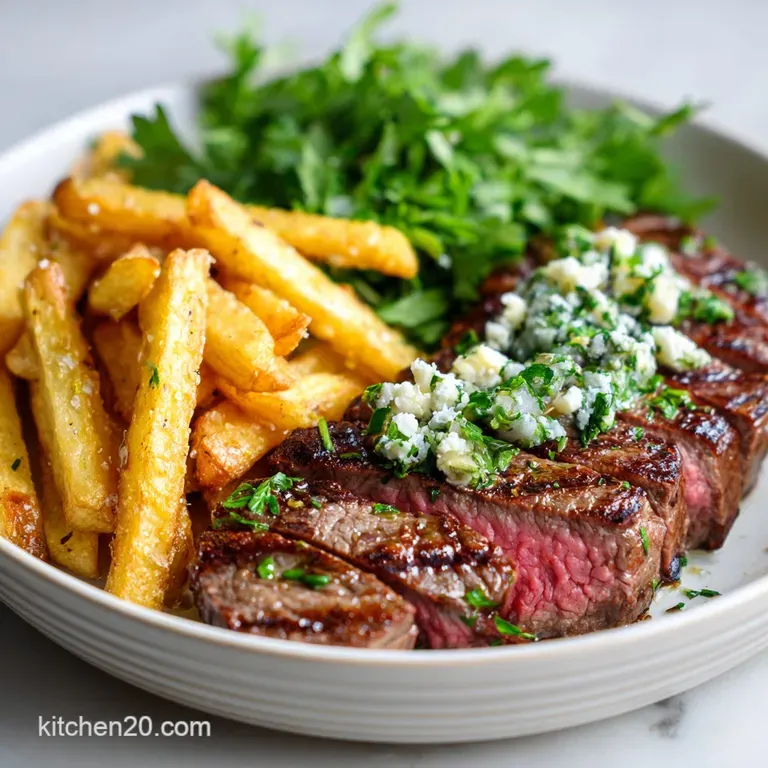
- Dry the protein. Pat the New York Strip steaks with paper towels until the surface feels completely matte. Note: Surface moisture is the enemy of a brown crust.
- Season and brine. Rub 1 tsp flaky sea salt and 0.5 tsp cracked black pepper onto the steaks. Note: Doing this 15 minutes early allows the salt to penetrate the fibers.
- Prep the potatoes. Peel and cut the Russets into 1/4 inch matchsticks, then toss with 1 tbsp cornstarch until evenly coated and dusty.
- Start the fries. Place the potatoes in a heavy pot with 2 cups neutral oil while the oil is still cold. Note: This "cold start" method prevents the fries from absorbing excess oil.
- Simmer the potatoes. Turn the heat to medium high and let the potatoes cook until they begin to sizzle and turn golden, about 15 minutes.
- Sear the steak. Heat 1 tbsp neutral oil in a cast iron pan over high heat until it starts to shimmer. Add the steaks.
- Create the crust. Cook for 3 minutes per side until a deep mahogany crust forms.
- Baste with aromatics. Lower the heat to medium, add 2 tbsp butter, smashed garlic, and thyme. Spoon the foaming butter over the steaks for 2 minutes.
- Rest the meat. Remove the steaks to a board and let them sit for at least 5 minutes.
- Whisk the sauce. Combine mayo, Dijon, grated garlic, lemon juice, and smoked paprika until the mixture is velvety and smooth.
Chef's Tip: If you want the ultimate crunch, freeze your potato matchsticks for 10 minutes after coating them in cornstarch but before they hit the oil. The extreme temperature difference creates more steam, which "puffs" the starch coating.
| Feature | Fresh Russets | Frozen Shortcut |
|---|---|---|
| Texture | Fluffy interior, glass like shell | Uniformly crunchy, less interior fluff |
| Flavor | Earthy, rich potato taste | Often saltier, less "fresh" profile |
| Effort | High (peeling/cutting) | Low (pour from bag) |
Using fresh potatoes is a revolution for your palate, but if you're in a time crunch, a high-quality frozen fry can be elevated by tossing it with fresh garlic and herbs after frying.
Troubleshooting Your Kitchen Mistakes
Why Your Steak is Grey and Not Brown
If the meat doesn't have that iconic dark crust, it's usually due to surface moisture or a pan that wasn't hot enough. When the steak hits the pan, you should hear an immediate, aggressive sizzle. If you don't, pull it out and wait another minute.
Why Your Fries Are Soggy
Sogginess often happens when you crowd the pot. If the potatoes are layered too deeply, they steam each other instead of frying. If you're doubling the recipe, work in batches to maintain that shatter crisp texture.
| Problem | Root Cause | Solution |
|---|---|---|
| Tough Meat | Skipping the rest period | Let the steak rest for 5-8 mins to reabsorb juices. |
| Burnt Garlic | Added to the pan too early | Only add garlic during the last 2 minutes of basting. |
| Oily Fries | Oil temp was too low | Ensure you use a high heat setting once the oil starts bubbling. |
Common Mistakes Checklist
- ✓ Forgetting to pat the steak dry (leads to steaming instead of searing)
- ✓ Using a non stick pan (won't reach the temperatures needed for a proper crust)
- ✓ Slicing the steak against the grain (results in a chewy texture)
- ✓ Over whisking the sauce (can cause the mayo to break or become too thin)
- ✓ Moving the steak too much (let it sit undisturbed to build the Maillard crust)
Scaling the Recipe for Crowds
If you are looking to scale this up for a dinner party, the key is batch processing. You can't fit four 10 oz steaks in one skillet without crashing the temperature. Sear two at a time, then keep them on a wire rack in a low oven (200°F) while you finish the rest.
For the fries, scale up the oil but keep the ratio of potatoes to oil consistent. If you double the fries, use a larger Dutch oven to ensure they have plenty of room to dance in the oil.
When scaling down to a single serving, use a smaller 8 inch skillet to ensure the basting butter is deep enough to actually spoon over the meat.
Smart Storage and Waste Reduction
Storage: You can keep the cooked steak in the fridge for up to 3 days. However, the fries are a "live" product they are best eaten immediately. If you have leftovers, the best way to reheat them is in an air fryer at 350°F for 4 minutes to restore the crunch.
Zero Waste: Don't throw away those potato peels! Toss them with a little oil and salt, then bake them at 400°F until crispy for a quick kitchen snack.
Also, the leftover flavored butter from the steak pan can be strained and kept in the fridge to sauté vegetables the next day.
Pairing Your Meal for Success
This dish is a powerhouse on its own, but it thrives when paired with high acid components to cut through the fat. A simple arugula salad with a sharp lemon vinaigrette is the classic choice. If you want something cheesier and more indulgent on the side, check out my Potatoes Au Gratin recipe for a different take on the potato steak connection.
Plating for Impact
| Level | Presentation Style | Tweak |
|---|---|---|
| Simple | Rustic board | Serve steak whole with fries in a pile next to it. |
| Polished | Focused plate | Slice steak on a bias and stack fries in a "log cabin" style. |
| Restaurant | Minimalist art | Fan the steak slices, place fries in a parchment lined cup, and swoosh the sauce. |
The "Restaurant" level is all about the negative space on the plate. By slicing the steak, you show off that perfect medium rare interior, creating a visual connection to the quality of the cook. Right then, let's get that pan screaming hot your bistro experience is only 30 minutes away.
High in Sodium
945 mg mg of sodium per serving (41% % of daily value)
American Heart Association recommendation about 2,300mg limit
Tips to Reduce Sodium
-
Reduce Added Salt-25%
Eliminate or significantly reduce the flaky sea salt (1 tsp) on the steaks and the fine sea salt (0.5 tsp) on the fries. Salt is a major contributor to sodium. Start with a pinch and taste before adding more.
-
Unsalted Butter Only-15%
Ensure you are using truly unsalted European style butter and not just lightly salted butter. Even small amounts of salt in butter contribute to the overall sodium content. Double check the label!
-
Homemade Fries Over Pre-made-15%
Since you are making fries from scratch, you have full control! Use no salt at all when frying and consider baking some fries instead. Pre-made or restaurant fries usually have high sodium.
-
Fresh Garlic-5%
Stick to fresh garlic (3 cloves smashed, 1 clove grated). Garlic powder can sometimes contain added salt, so fresh is always best to control sodium.
-
Flavor with Herbs & Spices
Enhance the flavor of your steak and fries with a variety of fresh or dried herbs and spices beyond salt and pepper. Experiment with garlic powder, onion powder, paprika, or other blends to elevate the taste without increasing sodium.
Recipe FAQs
What cut of meat is typically used for steak frites?
New York Strip or Sirloin steak. These cuts offer the optimal balance of flavor, tenderness, and fat content necessary to withstand the high heat required for a perfect sear.
What is so special about steak frites?
The contrast in texture between the elements is key. It pairs a deeply seared, juicy steak with incredibly crisp, thin cut potatoes, often served with a rich compound butter or a light pan sauce like an Au Jus recipe.
Is steak frites just steak and fries?
No, presentation and technique elevate it beyond simple steak and fries. The "frites" are specifically prepared using a technique like cold start frying or cornstarch coating to achieve a signature shatteringly crisp crust.
What is the difference between fries and frites?
"Frites" generally implies a specific preparation method, usually double fried in Belgium or France. While both are potato sticks, frites are traditionally cooked twice to ensure a very crisp exterior and fluffy interior, contrasting with standard American fries.
Why are my steak frites fries soggy instead of crispy?
You likely crowded the oil, causing the potatoes to steam rather than fry. For maximum crunch, ensure the oil temperature stays high and fry the potatoes in small batches, or consider learning the cold start method we detail.
How do I ensure my steak has a hard crust without overcooking the center?
Achieve the crust by using a screaming hot, dry skillet and drying the meat thoroughly. If you are mastering searing techniques for thick cuts, applying the principle of temperature precision from our Grilled Rib Eye Steak recipe will help you nail the internal doneness.
Can I substitute the New York Strip for another cut of beef?
Yes, but choose a cut that handles high heat well. A filet mignon or skirt steak can work, but if you are looking for maximum flavor from a quick sear, try our guide on a Perfectly Pan Seared recipe for comparison.
Steak Frites Crispy Fries Method
Ingredients:
Instructions:
Nutrition Facts:
| Calories | 1158 kcal |
|---|---|
| Protein | 56.3 g |
| Fat | 76.4 g |
| Carbs | 57.2 g |
| Fiber | 4.8 g |
| Sugar | 1.9 g |
| Sodium | 945 mg |
