Lemon Garlic Chicken: Tangy & Quick
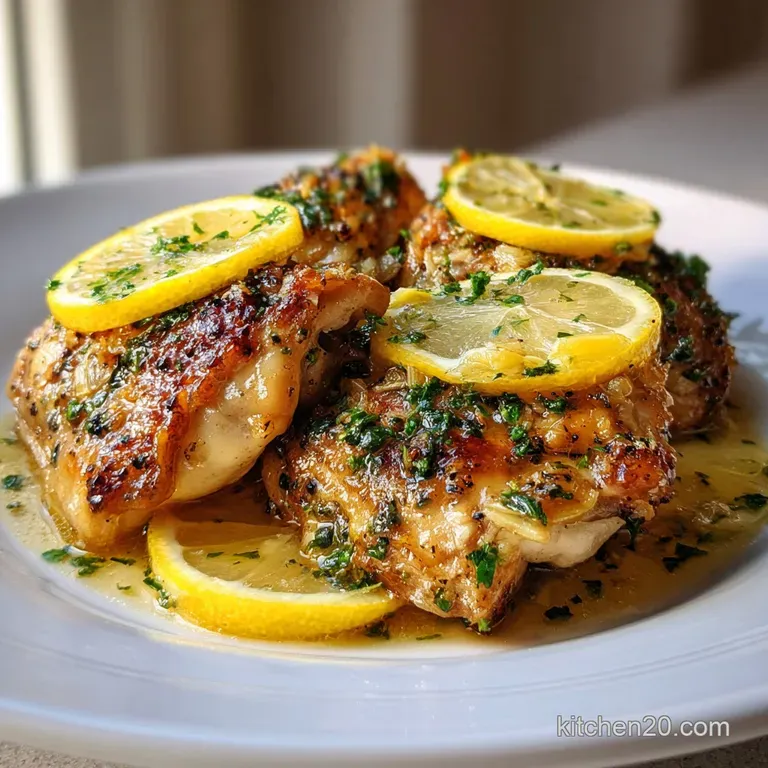
- Time: Active 10 minutes, Passive 10 minutes, Total 20 minutes
- Flavor/Texture Hook: Tangy, buttery sauce with a shatter crisp golden crust
- Perfect for: Stressful weeknights or a quick date night dinner
- Why This Recipe Is Too Good Tonight
- Vital Specs for Kitchen Success
- The Components of a Flavorful Dinner
- Tools That Enhance Cooking Flow
- Instructions for a Silky Sauce
- Fixes for Common Sauté Problems
- Flavor Variations to Expand Your Menu
- Myths About Searing Poultry
- Storage and Reheating for Busy Weeks
- Pairings for a Complete Table Connection
- Recipe FAQs
- 📝 Recipe Card
Why This Recipe Is Too Good Tonight
You know that specific sizzle when cold protein hits a shimmering pool of olive oil and butter? It’s a rhythmic, crackling sound that signals something special is happening. Last Tuesday, I was staring at a pack of chicken breasts, feeling completely uninspired, until the aroma of thinly sliced garlic hitting the pan changed everything.
Lemon garlic chicken is so unforgettable, you'll want to make this recipe tonight.
This isn't just another boring poultry dish; it’s a masterclass in balance. The sharp, bright acidity of the lemon juice cuts right through the richness of the unsalted butter, creating a sauce that coats the back of a spoon with a silky, velvety finish.
It’s the kind of meal that feels like you’ve been standing over the stove for hours, but in reality, you’re sitting at the table in twenty minutes flat.
We’ve all had those dry, rubbery chicken dinners that require a gallon of water to swallow. This method solves that by using a over high heat sear and a quick pan deglaze. We're revolutionizing the way you think about weeknight staples by focusing on technique rather than a massive list of ingredients.
The result is a dish that is connected to the classic French bistro style but simplified for our modern, busy lives.
Vital Specs for Kitchen Success
Maillard Reaction: The flour coating accelerates browning, creating complex savory flavors through protein and sugar transformation.
Acidic Emulsification: Lemon juice acts as a bridge between the chicken stock and butter, preventing the sauce from breaking.
Carryover Cooking: Thinly pounded chicken continues to cook after leaving the pan, ensuring a juicy interior without overexposure to heat.
Aromatic Infusion: Slicing the garlic thinly rather than mincing it allows it to flavor the oil without burning or becoming bitter.
| Method | Total Time | Texture | Best For |
|---|---|---|---|
| Stovetop Sauté | 20 minutes | Maximum crispness, velvety sauce | Quick weeknight meals |
| Oven Finish | 30 minutes | More uniform doneness, softer crust | Thicker cuts of meat |
| Air Fryer | 15 minutes | Extra crunchy, less sauce integration | Meal prep and snacking |
Choosing the stovetop method allows you to stay connected to the cooking process, adjusting the heat as the butter foams and the garlic begins to turn a pale gold. It provides an immediate sensory feedback loop that oven roasting simply can't match.
The Components of a Flavorful Dinner
| Ingredient | Science Role | Pro Secret |
|---|---|---|
| All Purpose Flour | Starch Barrier | Shake off every bit of excess to prevent a gummy, thick coating. |
| Unsalted Butter | Fat Emulsifier | Use cold butter at the end to create a glossy, stable sauce. |
| Chicken Stock | Flavor Base | Choose low sodium stock so you can control the final salt levels. |
| Fresh Lemon | Acidic Brightener | Roll the lemon on the counter before squeezing to maximize juice yield. |
Understanding these pieces helps you realize why this Recipe Is Too Good to Forget Tonight with Lemon Garlic Chicken. Each element plays a part in a larger flavor platform designed for efficiency.
- 1.5 lbs chicken breast: Pounded to 1/2 inch thickness. Why this? Ensures even cooking and maximum surface area for the golden crust.
- Substitute: Boneless turkey cutlets for a similar lean profile.
- 0.5 cup all purpose flour: Used for dredging. Why this? Creates the foundation for the pan sauce roux.
- Substitute: Cornstarch for a lighter, gluten-free shatter.
- 2 tbsp extra virgin olive oil: For the initial sear.
- Substitute: Avocado oil for its higher smoke point.
- 3 tbsp unsalted butter, divided: 1 tbsp for searing, 2 tbsp for the sauce.
- 4 cloves garlic, thinly sliced: To infuse the fat.
- 0.5 cup chicken stock: The liquid body of the sauce.
- 0.25 cup freshly squeezed lemon juice: For that essential tang.
- 1 tbsp lemon zest: For essential oil fragrance.
- 2 tbsp fresh Italian parsley: Added at the finish.
- 0.5 lemon, thinly sliced: For a beautiful presentation.
- 1 tsp sea salt & 0.5 tsp black pepper: For foundational seasoning.
Tools That Enhance Cooking Flow
You don't need a kitchen full of gadgets, but a heavy bottomed skillet like a stainless steel pan or a seasoned cast iron is non negotiable here. A thin pan will heat unevenly, causing your garlic to scorch before the chicken is even close to done.
I personally love using a wide 12 inch skillet because it prevents overcrowding, which is the secret enemy of a crispy sear.
When you crowd the pan, the moisture escaping the chicken creates steam, and steam leads to a soggy, pale coating instead of a golden brown shatter. If you're working with a smaller pan, just cook in two batches. It’s a small adjustment that makes a massive difference in the final texture.
A meat mallet or even a heavy rolling pin is also essential for pounding the chicken to a uniform thickness. This isn't just about making the chicken look pretty; it's about the physics of heat.
If one end of the breast is an inch thick and the other is a quarter inch, the thin end will be dry as a bone by the time the center is safe to eat. Aim for a consistent 1/2 inch across the board.
Instructions for a Silky Sauce
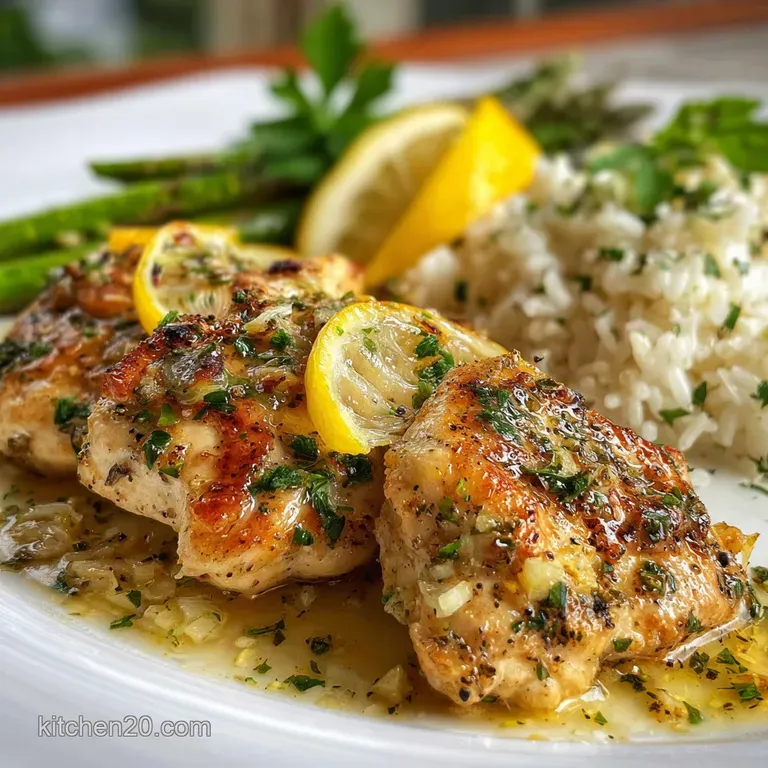
- Prep the protein. Pound 1.5 lbs chicken breast to 1/2 inch thickness between sheets of plastic wrap. Note: This breaks down tough fibers for a more tender bite.
- Season and dredge. Mix 0.5 cup flour with 1 tsp salt and 0.5 tsp pepper. Press each piece into the flour, then shatter the excess by tapping it firmly against your hand.
- Heat the fats. Place 2 tbsp olive oil and 1 tbsp butter in a large skillet over medium high heat until the butter foam subsides and begins to sizzle.
- Sear the chicken. Lay the chicken in the pan (don't crowd!). Cook 3-4 minutes per side until a deep mahogany crust forms.
- Rest the meat. Remove chicken to a plate. Note: This prevents the juices from running out when you eventually slice it.
- Sauté aromatics. Drop 4 sliced garlic cloves into the remaining fat. Stir for 30-60 seconds until fragrant and just starting to turn golden.
- Deglaze the pan. Pour in 0.5 cup chicken stock and 0.25 cup lemon juice. Use a wooden spoon to scrape up all the brown bits (fond) from the bottom.
- Reduce and thicken. Simmer for 2 minutes. Stir in 1 tbsp lemon zest and the remaining 2 tbsp butter until the sauce becomes velvety and glossy.
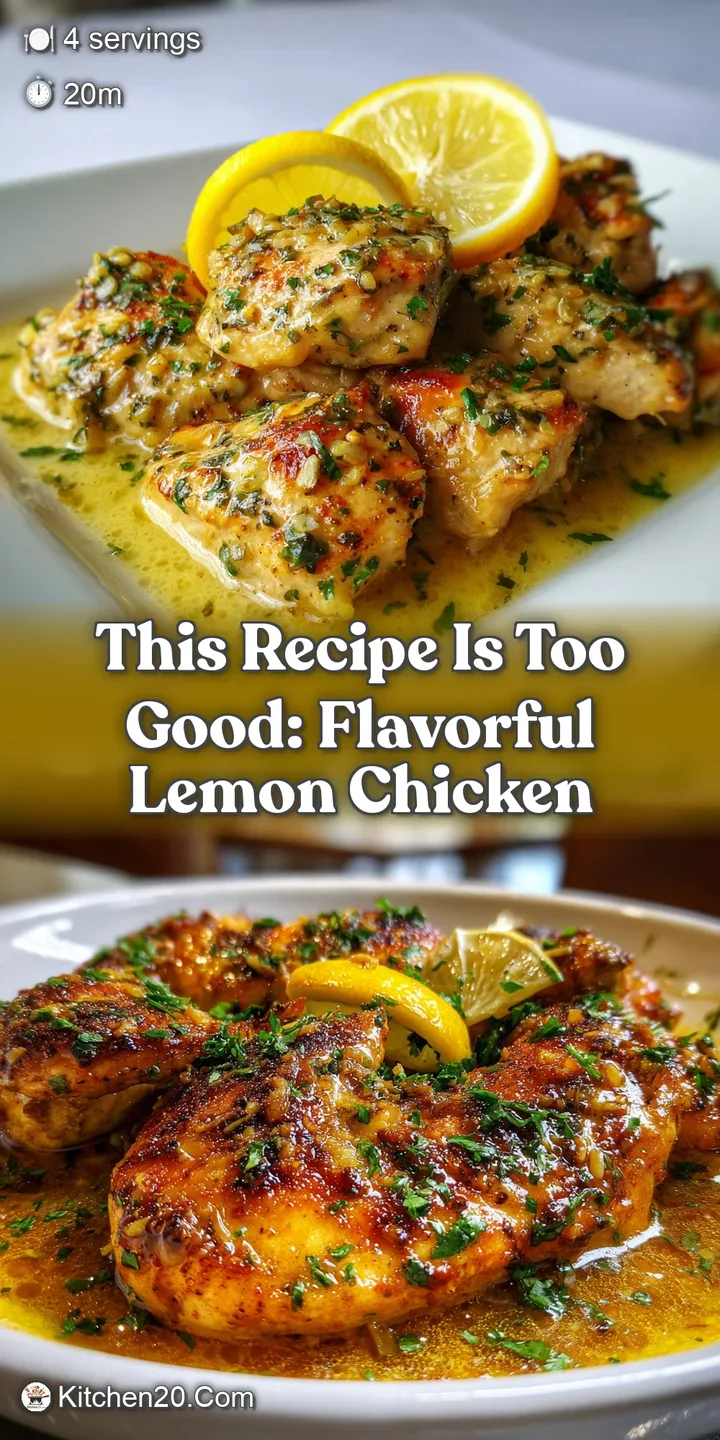
- Combine and finish. Return chicken to the pan along with 0.5 lemon slices and 2 tbsp parsley. Spoon sauce over the meat until everything is coated and glistening.
Chef's Tip: If your sauce looks too thin, let it simmer for an extra minute before adding the cold butter. The butter "mounts" the sauce, creating a professional emulsification that shouldn't feel greasy.
Fixes for Common Sauté Problems
The Coating Peels Off
This usually happens because the chicken was too wet before it hit the flour, or the pan wasn't hot enough. When the chicken is damp, the flour turns into a paste that steams off the meat instead of crisping. Always pat your chicken dry with paper towels before dredging.
If the oil isn't hot enough, the flour won't seize and bond to the surface, leading to a "naked" chicken breast.
The Garlic Tastes Bitter
Garlic contains high amounts of natural sugars that burn incredibly fast. If your heat is too high or you leave the garlic in too long before adding the liquid stock, it will turn dark brown or black. At that point, there’s no saving it you’ll have to wipe the pan and start the sauce over.
The goal is a light tan color. Adding the stock immediately halts the cooking process of the garlic.
| Problem | Root Cause | Solution |
|---|---|---|
| Soggy Crust | Overcrowded pan | Cook in batches to allow steam to escape. |
| Greasy Sauce | Butter added to boiling liquid | Remove pan from heat before whisking in cold butter. |
| Tough Chicken | Internal temp exceeded 165°F | Pull chicken at 160°F; carryover heat finishes it. |
Similar to the technique used in our Chicken Noodle Soup recipe, the key to flavor is the fond those browned bits at the bottom of the pan. Don't fear the brown; fear the black!
Common Mistakes Checklist:
- ✓ Skip the "pre wash": Washing chicken splashes bacteria and makes the surface too wet to sear.
- ✓ Use a large enough pan: Give each piece of chicken at least an inch of "breathing room."
- ✓ Cold butter only: Adding warm butter to the sauce will cause it to separate rather than emulsify.
- ✓ Don't skip the rest: Let the chicken sit for 3 minutes before putting it back in the sauce.
- ✓ Fresh lemon only: Bottled juice lacks the bright enzymatic punch needed to cut the fat.
Flavor Variations to Expand Your Menu
If you want to move away from the classic profile, try the Mediterranean twist. Swap the parsley for fresh oregano and toss in a tablespoon of brined capers and some halved kalamata olives during the deglazing step. It adds a salty, punchy depth that transforms the dish into something completely different.
It's a great platform for experimentation when you feel like this Recipe Is Too Good to Forget Tonight with Lemon Garlic Chicken but want a little variety.
For a dairy-free swap, replace the butter with a high-quality vegan butter substitute or simply use more olive oil. While you'll lose that specific "velvety" mouthfeel that dairy provides, the lemon and garlic still carry the weight of the flavor.
You can also add a splash of white wine (like a Sauvignon Blanc) to the stock for a more sophisticated, French inspired acidity.
When I’m feeling like I need more green, I’ll throw a few handfuls of baby spinach into the pan at the very end. The residual heat from the sauce wilts the spinach in seconds, making it a true one pan meal.
This dish Is Too Good to Forget Tonight with Lemon Garlic Chicken, especially when you realize how many ways you can tweak it to fit your mood.
| Modification | Ingredient Swap | Texture Impact |
|---|---|---|
| Pantry Staple | Dried Parsley (1 tsp) | Less "fresh" pop, but still adds herbal notes. |
| Extra Creamy | Heavy Cream (2 tbsp) | Becomes a rich cream sauce; reduces tanginess. |
| Low Carb | Almond Flour | Nutty flavor, crust will be softer and more delicate. |
If you find yourself making this for a crowd, remember that doubling the recipe requires a bit of math. When you scale up, the Is Too Good to Forget Tonight with Lemon Garlic Chicken logic stays the same, but you need to be careful with the liquid.
Don't just double the stock and juice blindly; start with 1.5x the liquid and see if you need more, as evaporation happens differently in larger batches.
Myths About Searing Poultry
Myth: Searing "seals in" the juices. This is one of the most persistent lies in cooking. Moisture is lost through heat regardless of the crust. The sear is actually for the Maillard reaction creating flavor compounds that didn't exist in the raw meat.
The true secret to juiciness is pounding the meat to an even thickness and not overcooking it.
Myth: You must use high heat for the whole process. If you keep the pan at a screaming hot temp after the chicken is removed, your garlic and butter will burn instantly. You must modulate your heat. High for the sear, medium low for the sauce aromatics, and medium for the reduction.
Cooking is a conversation with the heat, not a set it and forget it journey.
Storage and Reheating for Busy Weeks
This dish keeps surprisingly well in the fridge for up to 3 days. The key to successful storage is keeping the sauce and chicken together in an airtight container. The acidity in the lemon helps preserve the chicken, while the butter sauce forms a protective coating that prevents it from drying out in the refrigerator's dry air.
For zero waste cooking, don't throw away those lemon ends! Toss the squeezed rinds into a jar of white vinegar to make a natural kitchen cleaner, or zest them entirely before juicing and freeze the zest in a small bag for future baking.
If you have leftover sauce but no chicken, it makes a phenomenal base for a quick pasta dish the next day just toss it with some spaghetti and a splash of pasta water.
When reheating, avoid the microwave if possible, as it will turn your crispy chicken into a rubbery mess. Instead, place the chicken and sauce in a small skillet over low heat. Add a tablespoon of water or stock to loosen the sauce and cover the pan with a lid. Heat just until warmed through. If you're looking for a side to round this out, it pairs beautifully with my Green Bean Casserole recipe for a cozy, connected dinner.
Pairings for a Complete Table Connection
Because the lemon garlic sauce is so bright and impactful, you want sides that can soak up that liquid gold. A bed of fluffy jasmine rice or a simple mound of mashed potatoes is the classic choice.
If you're keeping things lighter, a simple arugula salad with a balsamic vinaigrette provides a peppery contrast to the buttery chicken.
If you are planning a larger spread, this Forget Tonight with Lemon Garlic Chicken centerpiece works wonders alongside a hearty bread. I love serving it with my Homemade Tostadas Recipe — wait, actually, that's a bit too crunchy. A better match would be my Homemade Stuffing recipe during the holiday season or just a crusty baguette to mop up the pan.
Remember, the goal of this Recipe Is Too Good to Forget Tonight with Lemon Garlic Chicken is to make you feel like a chef without the chef's stress. It’s about creating a moment of connection at the table, fueled by simple, high-quality ingredients and a few clever tricks.
Whether it's a Tuesday or a Saturday, this dish always feels like a revolution in home cooking. Forget Tonight with Lemon Garlic Chicken? Not a chance once you've tasted that first velvety, tangy bite. It's simply too good to pass up.
If you're feeling adventurous, you can even use the leftover chicken in a salad the next day. The lemon garlic flavors are even more pronounced after a night in the fridge, making it a perfect cold protein topper. Truly, this Forget Tonight with Lemon Garlic Chicken approach is the gift that keeps on giving.
Recipe FAQs
What is the secret to a flavorful chicken limone?
The secret is balancing the fat, acid, and fond. Use a blend of oil and butter for searing, ensure your lemon juice is fresh, and use the browned bits (fond) from the bottom of the pan to build the sauce base.
How do I counteract too much lemon in a recipe?
Add a source of fat or sugar immediately. If the sauce is too tart, whisk in cold, unsalted butter off the heat to temper the acid and create a richer mouthfeel, or add a small pinch of sugar.
Can you marinate chicken in lemon for too long?
Yes, limit citrus marination to four hours maximum. The citric acid denatures the protein too aggressively, resulting in a mealy, mushy texture, similar to how overcooking ruins the texture of our Homemade Spaghetti Sauce recipe when simmered too long.
How to make hot lemon water for weight loss?
Squeeze half a fresh lemon into 8 oz of hot (not boiling) water. Stir well and drink it first thing in the morning to aid hydration, but remember that dramatic weight loss comes from consistent diet changes, not just this drink.
Should I pound the chicken or slice it thin for faster cooking?
Pound the chicken breasts to a uniform 1/2 inch thickness. This ensures the heat transfers evenly across the entire surface, creating a perfect sear without overcooking the thinner edges before the center is done.
Is it true that I must use only high heat for searing poultry?
No, heat modulation is crucial for the overall dish. Use medium high heat only for the initial sear to develop the crust, then drop the heat significantly when adding garlic and liquids to prevent burning the aromatics.
What is the best way to ensure the sauce doesn't separate or look greasy?
Mount the sauce off the heat with cold butter. After reducing the liquid, remove the pan from the flame and whisk in cold butter piece by piece; this action creates a stable emulsion, a technique also vital when building dressings like our Peruvian Green Sauce recipe.
Too Good Lemon Chicken Tonight
Ingredients:
Instructions:
Nutrition Facts:
| Calories | 410 kcal |
|---|---|
| Protein | 40 g |
| Fat | 19.8 g |
| Carbs | 14.5 g |
| Fiber | 0.5 g |
| Sugar | 0.8 g |
| Sodium | 681 mg |
