Turkey Seasoning Blend
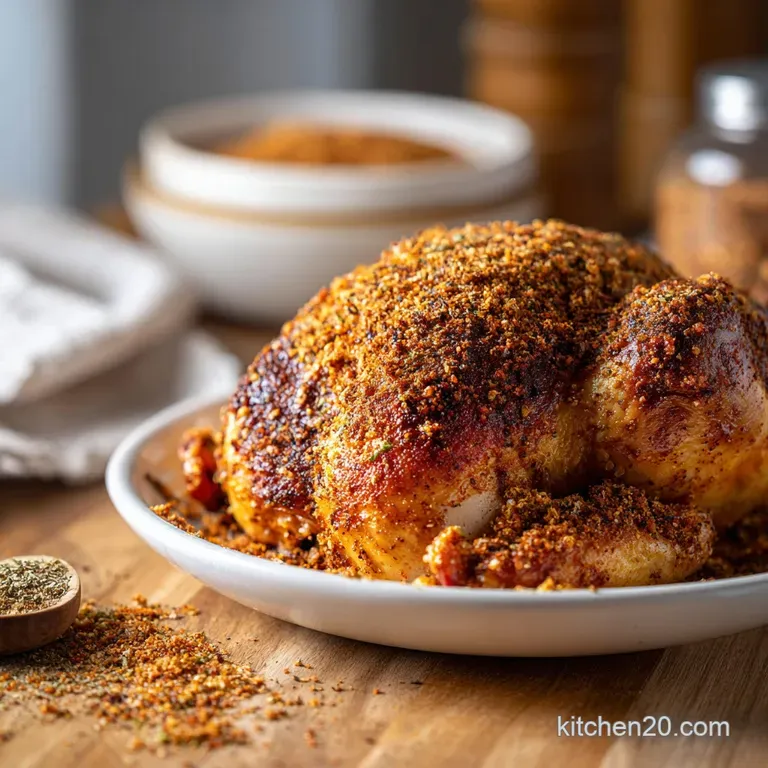
- Time: Active 5 minutes, Passive 0 minutes, Total 5 minutes
- Flavor/Texture Hook: Woodsy, aromatic, and smoky sweet
- Perfect for: Holiday centerpieces and weekend meal prep
- Unlock Flavor With My Signature Turkey Seasoning
- Recipe Specs for Your Big Day
- Gather These Pantry Flavor Powerhouse Items
- Essentials Tools for Seasoning Success
- Step by Step Application Method
- Fixing Rub Issues and Mistakes
- Creative Ways to Customize Blends
- Storing Your Rub for Later
- How to Serve Your Bird
- Turkey Seasoning FAQs
- 📝 Recipe Card
Unlock Flavor With My Signature Turkey Seasoning
The air in my kitchen usually shifts the moment the sage hits the smoked paprika. It is a woodsy, deep aroma that reminds me of every Thanksgiving I almost ruined by overthinking the bird. I remember one year specifically where I forgot to season the cavity entirely.
The meat was fine, but it lacked that "soul" we all look for. That mistake led me to create this specific blend, focusing on how spices act as a platform for the meat's natural juices rather than just sitting on top.
We’ve all been there staring at a massive, pale bird and wondering if a simple salt rub is enough. Honestly, it’s not. To get that burnished gold skin that actually tastes like something, you need a mix that handles the long haul of a three hour roast.
This recipe solves the "bland breast meat" problem by using osmosis to carry flavor deep into the muscle fibers.
You’ll find that this blend isn't just about the salt. It’s about the connection between the sugars and the herbs. The dark brown sugar reacts with the protein to create a mahogany crust that looks like it belongs on a magazine cover.
It’s simple, fast, and completely changes the game for your holiday roasting.
Recipe Specs for Your Big Day
The Osmotic Pull: Salt draws internal moisture to the surface where it dissolves the seasoning, then the turkey reabsorbs this concentrated brine. This process seasons the meat from the inside out while breaking down tough proteins.
- Phase Transition: Sugar undergoes carmelization at 320°F (160°C), creating a complex flavor profile that masks the gamey notes of darker meat.
- Lipid Solubility: Herbs like rosemary and thyme are fat soluble, meaning their flavors intensify when they mingle with the melting turkey fat under the skin.
- Cellular Hydration: The salt to sugar ratio helps the protein cells retain more water during the evaporation that occurs in a hot oven.
- Aromatic Diffusion: Smoked paprika provides a "bridge" flavor, connecting the earthy herbs to the savory garlic and onion powders.
| Method | Time | Texture | Best For |
|---|---|---|---|
| Traditional Roast | 13-15 mins / lb | Crispy skin, juicy | Whole holiday birds |
| Spatchcocked | 80-90 minutes | Ultra crisp, even cook | Faster weeknight meals |
| Smoking | 30 mins / lb | Deeply mahogany, tacky | Outdoor enthusiasts |
If you are planning to go the extra mile with your prep, combining this rub with a solid Turkey Brine Recipe will yield results that are honestly world class. The brine hydrates the cells, while the seasoning creates the flavor crust.
Gather These Pantry Flavor Powerhouse Items
| Ingredient | Science Role | Pro Secret |
|---|---|---|
| Kosher Salt | Denatures protein | Use coarse grains for slower, more even absorption |
| Dark Brown Sugar | Maillard facilitator | The molasses content adds a deeper, smoky sweetness |
| Smoked Paprika | Color catalyst | Provides the "sunburned" look without overcooking |
| Dried Sage | Flavor anchor | Rub it between your palms to wake up the oils |
The Flavor Base
- 3 tbsp Kosher salt: Essential for moisture retention. Why this? Coarse grains provide better coverage and don't over salt as easily as table salt. Substitute: Sea salt (use 2 tbsp).
- 2 tbsp Dark brown sugar: For the mahogany finish. Why this? It provides the carbon for the Maillard reaction. Substitute: Coconut sugar.
- 1 tbsp Smoked paprika: Adds a subtle char flavor. Why this? It gives a visual cue for doneness. Substitute: Sweet paprika with a pinch of cumin.
The Traditional Herb Blend
- 1 tbsp Garlic powder: Savory backbone. Why this? Distributes more evenly than fresh garlic in a dry rub. Substitute: Granulated garlic.
- 1 tbsp Onion powder: Umami booster. Why this? Adds sweetness and depth without moisture. Substitute: Shallot powder.
- 2 tsp Dried rubbed sage: The classic holiday scent. Why this? Sage is the defining aromatic for poultry. Substitute: Ground sage (use half).
- 2 tsp Dried thyme: Earthy and floral. Why this? Holds up well to long cooking times. Substitute: Dried oregano.
- 2 tsp Dried rosemary: Piney and pungent. Why this? Cuts through the richness of the dark meat. Substitute: Dried marjoram.
- 1 tsp Ground black pepper: Provides a gentle bite. Why this? Freshly ground stays potent longer. Substitute: White pepper.
- 0.5 tsp Celery seed: The "secret" ingredient. Why this? It adds a savory, salty vegetable depth. Substitute: Celery salt (reduce kosher salt).
Essentials Tools for Seasoning Success
You don't need a lab to make a great rub, but a few tools make the process connected and efficient. I always use a small glass jar for mixing it’s the perfect platform for shaking the ingredients into a uniform blend.
If your herbs are looking a bit "dusty," a mortar and pestle can be a total lifesaver for cracking open those dried leaves and releasing the aromatics.
Chef's Tip: Freeze your butter for 10 minutes before grating it into a bowl and mixing it with these spices. This "compound butter" can be shoved under the skin for a self basting effect that is absolutely revolutionary for the breast meat.
Another trick I've learned is to use a spice shaker with large holes. It prevents the brown sugar from clumping and ensures the seasoning on a turkey is distributed evenly across every nook and cranny.
If you find the rosemary needles are too long, pulse the whole mixture in a clean coffee grinder for three seconds. This creates a "powder rub" that adheres better to the skin.
step-by-step Application Method
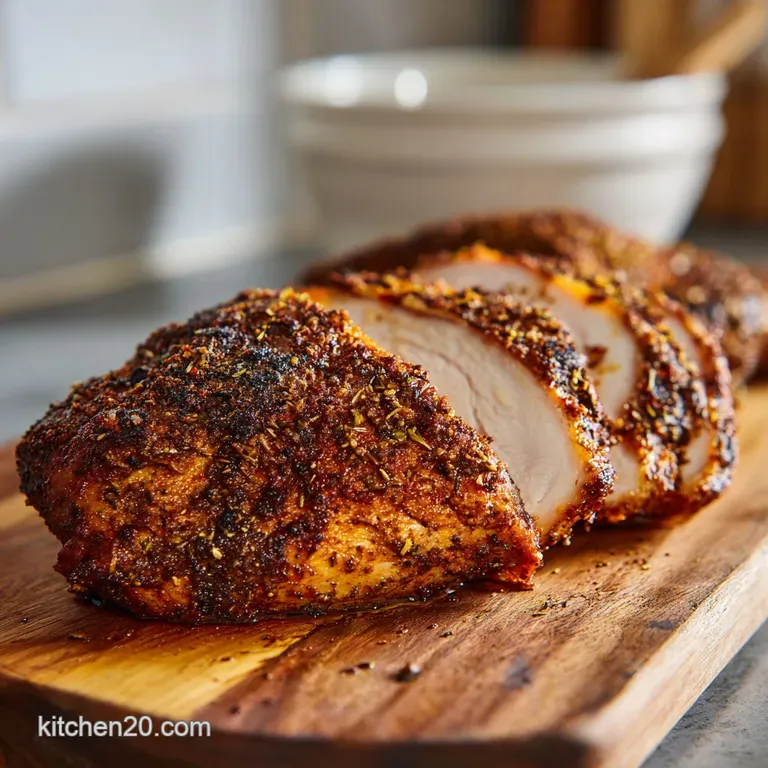
- Whisk ingredients. Combine the salt, sugar, and all spices in a medium bowl until the color is a uniform burnt orange. Note: This prevents "salty spots" on the bird.
- Dry the surface. Use paper towels to pat the turkey until it feels tacky, not slippery. until the skin is completely matte.
- Separate the skin. Gently slide your fingers between the breast meat and the skin to create a pocket. Note: This is where the real flavor happens.
- Apply internal rub. Spoon roughly 2 tablespoons of the mixture inside the cavity. until the interior is lightly coated.
- Distribute under skin. Stuff a third of the seasoning rub recipe into the pockets you created over the breasts and thighs.
- Coat the exterior. Sprinkle the remaining seasoning generously over the top of the turkey. until no pale skin is visible.
- Massage the bird. Use your hands to press the seasoning on a turkey firmly so it sticks.
- Rest the meat. Let the seasoned bird sit at room temperature for 30 minutes before roasting. until the salt begins to look wet.
- Begin roasting. Place in a preheated oven and watch for the skin to sizzle and darken.
- Monitor the color. If the sugar browns too quickly, tent with foil. until the internal temperature hits 165°F (74°C).
Fixing Rub Issues and Mistakes
For Maximum Juice Retention
The biggest mistake people make is seasoning a turkey for roasting right before it goes in the oven. If you do this, the salt only seasons the skin. To truly revolutionize the texture, you need time. I recommend seasoning at least 12 hours in advance.
This allows the salt to travel deep into the tissue.
To Prevent Burning
Because this blend contains brown sugar, it can catch and burn if the oven is too hot. If you're roasting at 425°F (218°C) to start, keep a close eye on the wing tips. The sugar is there to help with the Maillard reaction, but it needs a watchful eye.
| Problem | Root Cause | Solution |
|---|---|---|
| Seasoning Clumping | Moisture in brown sugar | Sift the sugar or pulse in a blender |
| Rub Slides Off | Skin is too wet/oily | Pat dry with paper towels; use a binder like Dijon |
| Overly Salty | Used table salt instead | Mix in extra onion powder/sugar to balance |
Common Mistakes Checklist ✓ Pat the bird completely dry; any moisture will steam the spices rather than roast them. ✓ Never skip the sugar; it provides the carbon necessary for a dark, crispy skin.
✓ Avoid using "fine" table salt; it dissolves too quickly and can make the meat tough. ✓ Season the underside of the bird too; the thighs need just as much love as the breasts. ✓ Let the rub sit for at least 30 minutes to allow the salt to start the osmotic process.
Creative Ways to Customize Blends
For a Spicy Kick
If you want to break away from the woodsy norm, add a teaspoon of chipotle powder or cayenne. This creates a "hot honey" vibe when it reacts with the brown sugar. It’s a platform for a more modern, global flavor profile that surprises people at the table.
For a Keto/sugar-free Version
You can easily swap the brown sugar for a monk fruit gold sweetener. The chemical reaction won't be exactly the same you'll miss some of that velvety carmelization but it still helps the spices stick and provides a hint of sweetness to balance the salt.
| Feature | Classic Rub | Budget Mix | Flavor Impact |
|---|---|---|---|
| Primary Herb | Rubbed Sage | Poultry Seasoning | Budget is more "stuffing like" |
| Color Base | Smoked Paprika | Turmeric/Chili Powder | Budget is more yellow than mahogany |
| Sweetener | Dark Brown Sugar | White Sugar/Honey | White sugar lacks molasses depth |
If you want a different method for your leftovers, you might enjoy how this flavor profile works in a How to Cook recipe for risotto. The herbs in the rub carry over perfectly into a creamy rice dish.
Storing Your Rub for Later
This blend is incredibly stable. Because we aren't using fresh aromatics, you can keep it in a sealed mason jar for up to 6 months. Just make sure you store it in a cool, dark place. The smoked paprika is the first thing to lose its punch, so if it looks pale, it's time to whip up a fresh batch.
For zero waste, if you have leftover rub that has touched the raw turkey, do not save it! However, if you have "clean" leftover rub, it’s brilliant on roasted potatoes or even tossed with popcorn for a savory snack.
You can also mix it into softened butter and freeze it in logs for up to 3 months to use as a quick flavor booster for weeknight chicken.
How to Serve Your Bird
Presentation is where the "connected" nature of this recipe really shines. When you pull the bird out, the skin should have a distinct sizzle. Let it rest! If you cut into it too early, all that juice we worked so hard to keep inside will flood the cutting board. Rest for at least 30 minutes.
This Classic Roast Turkey recipe pairs perfectly with the seasoning because the butter baste interacts with the dry spices to create a rich "jus" in the bottom of the pan.
- If you want a glossy finish, brush the bird with a little maple syrup in the last 10 minutes.
- If you want a matte look, leave it alone and let the dry herbs shine.
- If you want a thicker gravy, save every bit of the spiced drippings from the pan.
Remember, the seasoning on a turkey is just the beginning. By focusing on the science of the rub and the timing of the application, you’ve created a dish that isn't just a meal it's a platform for holiday memories. Right then, let's get that bird in the oven!
Turkey Seasoning FAQs
What should you season your turkey with?
A blend of salt, sugar, herbs, and spices. A classic mix includes kosher salt, dark brown sugar, smoked paprika, garlic powder, onion powder, sage, thyme, rosemary, black pepper, and celery seed for a well rounded flavor. This combination creates a flavorful crust and helps keep the meat moist.
Is it better to rub a turkey with butter or olive oil?
Both work well, but butter offers richer flavor and browning. Butter, especially when made into a compound butter with herbs and spices, melts and seeps under the skin, basting the meat as it cooks. Olive oil is also effective for crisping the skin and helping seasonings adhere.
What is the secret to a moist turkey?
Proper seasoning and resting are key. Seasoning with salt and sugar in advance draws moisture into the meat through osmosis, and allowing the turkey to rest for at least 30 minutes after cooking prevents the juices from escaping when carved.
Techniques like brining or using compound butter under the skin also contribute significantly.
Which spice goes well with turkey?
Sage is a quintessential turkey spice. Its earthy, slightly peppery flavor is classic for poultry. Other herbs and spices that pair wonderfully include rosemary, thyme, garlic powder, onion powder, and a touch of smoked paprika for warmth and color.
How do I prevent my turkey skin from burning?
Use foil and monitor sugar content. If your rub contains sugar, it can brown quickly. Tent the turkey loosely with foil once the skin reaches your desired color, particularly over the breast meat. Reducing the sugar in your rub or roasting at a slightly lower temperature also helps.
Can I use a pre-made poultry seasoning blend?
Yes, but check the ingredients. Pre-made blends are convenient and often contain a good mix of herbs. However, be aware of added salt or sugar, and adjust your own seasoning accordingly.
You might want to supplement with extra sage or thyme for a more robust flavor, similar to how we build layers in our Homemade Stuffing: Crispy Sourdough Stuffing for Turkey Dinner.
How far in advance should I season my turkey?
At least 12 hours, preferably overnight. This allows the salt to penetrate the meat, seasoning it from the inside out and helping with moisture retention. This advance preparation is crucial for achieving a flavorful, tender bird, much like allowing flavors to meld in a slow cooked dish like our How to Cook Ground Chicken in 6-Hour Flavor Burst: A Delicious Meal.
Turkey Seasoning Blend
Ingredients:
Instructions:
Nutrition Facts:
| Calories | 13 kcal |
|---|---|
| Protein | 0.2 g |
| Fat | 0.1 g |
| Carbs | 2.6 g |
| Fiber | 0.4 g |
| Sugar | 1.6 g |
| Sodium | 732 mg |
