Creamy Baked Mac Cheese: the Grand Duchess of Comfort Food
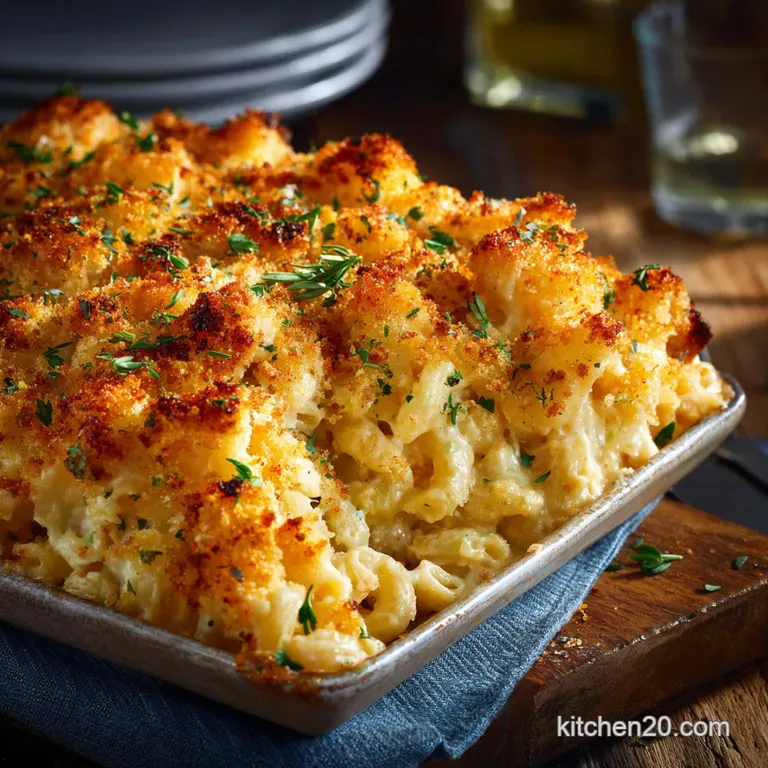
- The Secret to the Best Creamy Baked Mac Cheese: Mastering the Mother Sauce
- Why This Recipe is the Grand Duchess of Comfort Food
- Gathering Your Arsenal: Essential Ingredients for the Perfect Sauce Base
- Equipment Checklist: Tools Required for Seamless Preparation
- Step and by-Step: From Roux to Rhapsody (Building the Velvety Sauce)
- The Final Assembly: Combining the Pasta and Preparing for the Oven
- Achieving the Ultimate Creamy Baked Mac Cheese Texture: The Oven Phase
- Master Class Tips: Troubleshooting Common Mac Cheese Mistakes
- Preparing Your Ultra and Creamy Baked Mac Cheese for the Week Ahead
- Flavor Transformations: Exciting Variations and Protein Add and Ins
- Recipe FAQs
- 📝 Recipe Card
The Secret to the Best Creamy Baked Mac Cheese: Mastering the Mother Sauce
Listen, anyone can boil pasta and dump some pre and shredded cheese in. We aren't doing that here. We are aiming for the ultimate comfort food experience. This creamy baked mac & cheese isn’t just creamy; it’s stable .
It’s a velvety dream that won't turn into a greasy, separated mess the minute you pull it out of the oven. The secret, the actual magic, lies entirely in the Béchamel sauce the mother sauce. It needs patience, careful temperature control, and enough fat to hug that pasta tight.
We are going to make a proper roux, that beautiful, pale blonde foundation of butter and flour, and we’re going to build a powerhouse cheese sauce that laughs in the face of dryness. Trust me, the extra ten minutes spent perfecting this base is the difference between "meh" mac and "I need the whole pan" mac.
Why This Recipe is the Grand Duchess of Comfort Food
This recipe is the one I use when I need a hug in a casserole dish. It's the one that converts people who claim they "don't really like baked pasta." Why? Because we tackle the two biggest baked mac and cheese problems head and on: graininess and dryness.
Nobody wants that disappointing moment when you scoop a portion and it's either oily or solid. This recipe avoids both fates. We achieve depth of flavour by layering seasonings and choosing specific cheeses for specific jobs. It’s rich, yes, but balanced.
Plus, that crunchy Panko crown provides essential textural contrast. It’s brilliant.
The Unsung Hero: Why Cream Cheese Ensures Ultimate Silkiness
This is my absolute favorite trick. If you want a creamy homemade mac & cheese recipe that stays silky even after sitting for twenty minutes, you need full and fat cream cheese. Why? It's all about stabilizing the sauce. Cream cheese is a champion emulsifier.
It steps in and keeps all the fat molecules from your melted cheddar and the liquid from your milk happily bonded together. It prevents that dreaded oil slick that sometimes forms on top of a cheese sauce. Add it off the heat after the Béchamel has thickened, and whisk it in until it completely disappears.
Balancing the Blend: Choosing Aged Cheddar and Gruyère for Depth
A lot of recipes stop at Sharp Cheddar. That’s fine, but it’s a bit one and note, don't you think? Aged Cheddar gives us that unmistakable, tangy punch we crave. But Cheddar, while delicious, isn't the best melter. That's where Gruyère comes in.
Gruyère is known for melting beautifully it’s what makes fondue work. It provides an earthy, slightly nutty background flavour and an incredible, smooth texture that coats the pasta perfectly. Don't even think about buying pre and shredded cheese here. Honestly, just don’t.
A Farewell to Dry Mac: Ensuring Creaminess Even After Baking
But what about the sogginess or the dreaded crusty dryness? We combat dryness with a two and pronged attack. First, we use a very wet sauce ratio (more milk than you might think) because the pasta will continue to swell and absorb liquid in the oven.
Second, we only cook the pasta until it’s aggressively al dente meaning two minutes less than the package says. It should still feel quite firm. That means it has plenty of capacity left to soak up the sauce during the bake, ensuring a creamy texture inside, even with a crunchy top.
Gathering Your Arsenal: Essential Ingredients for the Perfect Sauce Base
This ingredient list looks simple, but the quality truly matters. We are using whole milk, proper butter, and fresh cheese. The seasonings Worcestershire sauce and dry mustard powder are mandatory, non and negotiable additions.
They don't make the mac and cheese taste like mustard; they amplify the savoury, salty notes of the cheese, making it taste more cheesy. It’s a classic chef’s trick for Ultimate Comfort Food.
Equipment Checklist: Tools Required for Seamless Preparation
You really only need a few things, but having the right ones makes the process stress and free. A heavy and bottomed saucepan is critical for the Béchamel. Why heavy bottomed? It distributes heat evenly and prevents the flour and butter from scorching on the bottom, which ruins the whole sauce.
And make sure you have a good wire whisk!
Pasta Selection: Choosing the Right Noodle Shape for Maximum Sauce Adherence
Yes, it’s Mac and Cheese, so elbow macaroni is traditional. But I’m going to throw in a curveball: try Cavatappi or Cellentani. They are corkscrew shapes with ridges. They have maximum surface area, meaning they trap the creamy homemade mac & cheese sauce inside and out. It’s textural perfection.
If you stick with standard elbows, that’s fine, but use the ridges if you can find them.
The Critical Role of Full and Fat Milk in Sauce Stability
Skim milk is not our friend today. The fat in the whole milk contributes significantly to the richness, obviously, but it also helps stabilize the emulsion when you add the cheese. Think of it as insurance. Less fat equals a higher likelihood of a grainy, separated sauce. Just embrace the whole milk. You deserve it.
Building the Crispy Crown: Perfecting the Panko Topping Ratio
The Panko crown must be crunchy, not soggy. Panko breadcrumbs are superior because they are lighter and airier than standard breadcrumbs, meaning they absorb less oil but crisp up beautifully. The trick is to mix the melted butter into the Panko before sprinkling it on.
Don’t just dot the top with cold butter. Coating the Panko first ensures every crumb browns perfectly.
A Baker's Precision: The Importance of Weight Measurement for Roux Success
I know, I know. It's a casual blog. But for the roux (the butter and flour base), using a kitchen scale is a game and changer. You need equal parts butter and flour by weight (a 1:1 ratio). Volume measurements (like a cup) can vary wildly depending on how you scoop the flour.
Using weight ensures your roux will thicken the milk exactly how it should, eliminating guesswork. This precision is the key to that creamy baked mac & cheese.
Step and by-Step: From Roux to Rhapsody (Building the Velvety Sauce)
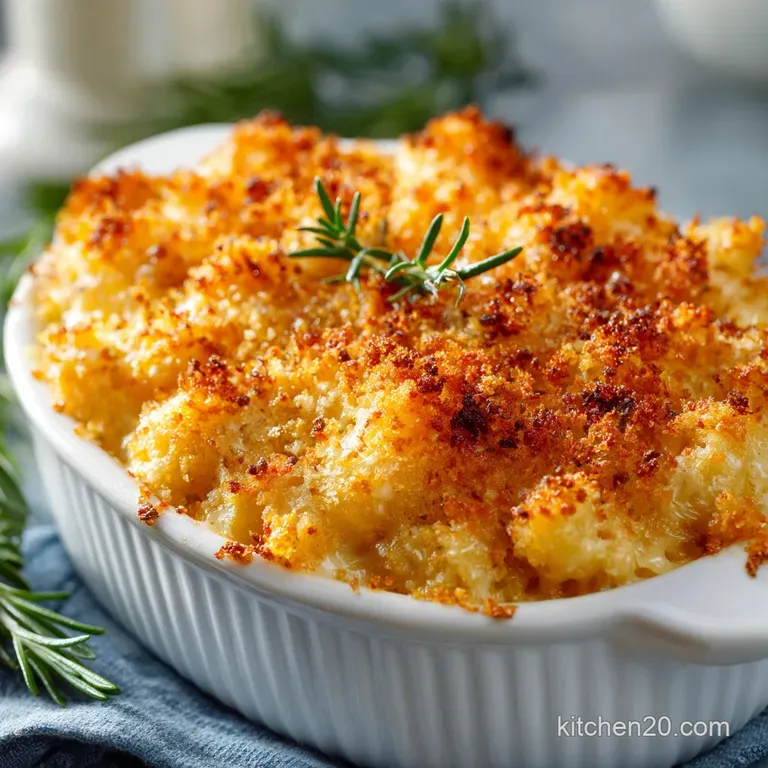
Right then, let's crack on.
- Prep: Get your oven hot (375°F/190°C) and your baking dish greased.
- Pasta: Boil your water with enough salt to make it taste like the sea, truly. Cook the pasta 2 minutes shy of al dente. Rinse it fast with cold water and drain. This halts the cooking and removes surface starch, helping the sauce stick later.
- Roux Time: Melt the butter in your heavy saucepan over medium heat. Whisk in the flour constantly. Keep whisking for 2- 3 minutes. It should smell nutty, like toasted cookies, and be a pale blonde colour. This cooks out the raw flour flavour. If you skip this step, your sauce will taste like wallpaper paste.
- Milk Magic: Pour in the warm whole milk, gradually, whisking like crazy. You’ll get a thick paste, then a thick sauce. Keep whisking until every lump is gone.
- Thicken: Bring to a simmer, stirring, and let it bubble gently for about 8 minutes. It should coat the back of your spoon (nappe).
Related Recipes Worth Trying
- Baked Mac and Cheese: The Chefs Ultimate Creamy No-Split Recipe — This Baked Mac and Cheese recipe guarantees a silky, stable sauce with zero splitting. Master the roux technique for an easy mac cheese recipe that delivers...
- Pioneer Woman Mac and Cheese: The Creamiest, Baked Casserole Recipe — Master the definitive Pioneer Woman Mac and Cheese recipe. This Creamy Baked Mac N Cheese uses evaporated milk for a velvet sauce, making it the perfect...
- Tinis Viral TikTok Mac and Cheese: Ultra Silky Baked Mac — Tinis Viral TikTok Mac and Cheese is the Queen of Cream! Achieve the ultra silky texture using cream cheese and evaporated milk. The best homemade mac and...
The Final Assembly: Combining the Pasta and Preparing for the Oven
This is where the transformation happens. Once the sauce is thick and smooth, take it off the heat . Add your seasonings mustard powder, Worcestershire, nutmeg and whisk hard. Then, incorporate that cream cheese, making sure it’s completely melted.
Only then do you start adding the grated Cheddar and Gruyère in handfuls. Stir gently until melted and glossy. Then, gently fold in the pasta until every piece is gloriously coated in the velvety sauce. Transfer it all to your prepared baking dish.
Achieving the Ultimate Creamy Baked Mac Cheese Texture: The Oven Phase
This phase is about controlled cooking. We aren't cooking the sauce; we are melding the flavours, heating the whole dish through, and perfecting that topping.
Perfecting the Roux: Achieving a Pale Blonde Foundation
When you’re making the roux, do not rush this step. It usually takes a full two to three minutes after the flour is incorporated. If you see brown specs, you've gone too far; it’s burned. If you smell raw flour, you haven’t gone far enough.
Look for a uniform, sandy texture and that tell and tale nutty aroma.
Tempering the Milk: Preventing Lumps and Ensuring a Silky Béchamel
I once tried to add cold milk directly to a hot roux. It seized up immediately into a massive, unusable blob. A culinary tragedy. To temper, the milk needs to be warm, or at least room temperature.
Add the milk slowly a half cup at a time whisking continuously to keep the temperature stable and ensure the flour paste dissolves smoothly. Slow and steady wins the race here.
Folding in the Flavor: Melting the Cheeses into the Sauce Base
Once the cream cheese is in and the sauce is seasoned, keep the saucepan off the heat. The residual warmth of the Béchamel is plenty hot enough to melt the shredded cheese.
If you put the pan back on the burner, the temperature gets too high, the cheese proteins tighten up, and your sauce turns grainy or separates into a greasy mess. Low, slow, and off and heat.
Crucial Timing: Knowing When Your Panko Crown is Perfectly Golden
The topping should brown faster than the mac and cheese takes to heat through. Around the 20 to 25 minute mark, the Panko should be deep golden brown, and the sauce should be bubbling merrily around the edges.
If your Panko is browning too fast, loosely tent the dish with foil for the last 10 minutes, removing it right at the end.
The Rest Period: Why Ten Minutes Post and Bake is Non and Negotiable
CRUCIAL RULE: You must, absolutely must, let your creamy baked mac and cheese rest for 5 to 10 minutes after it comes out of the oven. This allows the sauce, which is essentially boiling hot, to cool slightly and re and absorb into the pasta structure.
If you serve it immediately, it will be runny, soupy, and disappointing.
Master Class Tips: Troubleshooting Common Mac Cheese Mistakes
Here are some quick and fire tips based on my past failures:
- Problem: The sauce is thick, but tastes like flour. Tip: You didn't cook the roux long enough.
- Problem: The pasta is mushy. Tip: You overcooked the pasta before baking. Aim for super al dente.
- Problem: The sauce is oily or grainy. Tip: The heat was too high when you added the cheese, or you used low and fat milk/cheese.
Preparing Your Ultra and Creamy Baked Mac Cheese for the Week Ahead
This is actually a fantastic make and ahead Family Meal. You can assemble the entire dish pasta, sauce, and even the Panko topping up to 24 hours in advance. Keep it tightly covered in the fridge.
When you’re ready to bake, pull it out about 30 minutes before baking to take the chill off. You may need to add 5- 10 minutes to the total bake time since the dish is starting cold. The sauce holds up beautifully because of that cream cheese.
Flavor Transformations: Exciting Variations and Protein Add and Ins
| Variation | Description | Quick Addition Tip |
|---|---|---|
| Pesto Mac | Swirl 1/4 cup of fresh basil pesto into the finished cheese sauce. | Goes well with Fontina instead of Gruyère. |
| Buffalo Chicken | Shredded cooked chicken and 1/4 cup of mild buffalo sauce. | Use blue cheese crumbles in the topping mix. |
| Green Chili | Stir in one can (4 oz) of mild chopped green chiles before baking. | Add a pinch of cumin to the sauce base. |
The Salt Factor: Seasoning the Water vs. Seasoning the Sauce
You must salt the pasta water. I can’t stress this enough. If you don't season the water, the pasta itself will taste completely bland. The sauce should also be tasted and seasoned with Kosher salt and pepper right before you add the cheese. It’s hard to fix under and seasoning once it’s baked.
Preventing Graininess: Temperature Control is Key When Adding Cheese
Let’s repeat this one until it sticks: Once the milk has thickened into the Béchamel, remove the saucepan from the heat source completely. Stir in the cheese using only the residual heat. High heat separates the fat from the protein, leaving you with a grainy, weeping sauce. Nobody wants that.
Browning vs. Burning: Troubleshooting the Topping
If you’re using a very dark baking dish, or if your oven runs hot, that Panko topping can go from golden to charcoal in a heartbeat. If you see it getting too dark before the cheese sauce beneath is bubbling, just pull a sheet of aluminum foil over the dish and continue baking.
Safe Storage and Effective Refrigeration Techniques
Cool the leftovers down quickly, dividing them into smaller, airtight containers if necessary. It’s good for about four days in the fridge. Baked Mac N Cheese is high in dairy, so keep it below 40°F (4°C).
Reheating Baked Mac and Cheese Without Losing Creaminess
Do not microwave this dish for long periods, or it will seize up. The best way to reheat is on the stovetop. Put the portion in a saucepan, add a splash (maybe 2 tablespoons) of whole milk or even heavy cream per cup of mac and cheese, and heat it very gently, stirring constantly until creamy again.
Can You Freeze Mac and Cheese? Detailed Instructions
Yes, you can freeze it, but be warned: the texture will change slightly. The Béchamel tends to lose a bit of its silky structure when thawed, sometimes becoming grainy due to ice crystals messing with the emulsion. If you must freeze, do so without the Panko topping.
Thaw overnight in the fridge, splash a little milk or cream on top, add the fresh Panko, and then bake as directed.

Recipe FAQs
My Béchamel went lumpy! What’s the trick to getting that silky smooth sauce for this Creamy Baked Mac Cheese?
Lumps usually occur if the milk is added too quickly or too cold; ensure the milk is warmed and added gradually to the roux while whisking vigorously this is where the elbow grease comes in.
To prevent the sauce from splitting once the cheese is incorporated, remove it from the heat immediately, as boiling a cheese sauce is a culinary tragedy.
I followed the recipe exactly, but when I served it, the sauce was too runny or too dry. What gives?
If the dish is runny, you likely skipped the crucial 5-10 minute resting period, which allows the starch to settle and the sauce to set up beautifully. If it’s dry, you may have overcooked the pasta initially; remember to keep the macaroni very al dente, as it soaks up a lot of liquid in the oven.
Can I prep this whole dish ahead of time for a massive Sunday lunch or dinner party?
Absolutely! You can assemble the entire macaroni mixture (but omit the Panko topping) up to 24 hours in advance; cover it tightly and keep it chilled. Allow it to come to room temperature for 30 minutes before adding the Panko crown and baking as usual Bob’s your uncle.
I can't find Gruyère cheese locally is there a good alternative that keeps the melty texture?
The key here is high meltability; try swapping Gruyère for Emmental, Fontina, or sharp Monterey Jack cheese, as they will integrate smoothly without becoming oily or gritty. Just ensure you always grate the cheese fresh it really makes a difference to the finished sauce.
What's the best way to reheat leftovers without them turning into a rubbery block?
For small portions, reheat in the microwave with a generous splash of milk or cream stirred in to restore moisture; for a larger portion, cover the baking dish tightly with foil and heat in a moderate oven, adding a splash of milk around the edges of the dish.
Ultra Creamy Baked Mac Cheese With Panko

Ingredients:
Instructions:
Nutrition Facts:
| Calories | 946 kcal |
|---|---|
| Protein | 43.0 g |
| Fat | 57.0 g |
| Carbs | 64.0 g |
