Broccoli Pasta: Velvety Garlic Sauce
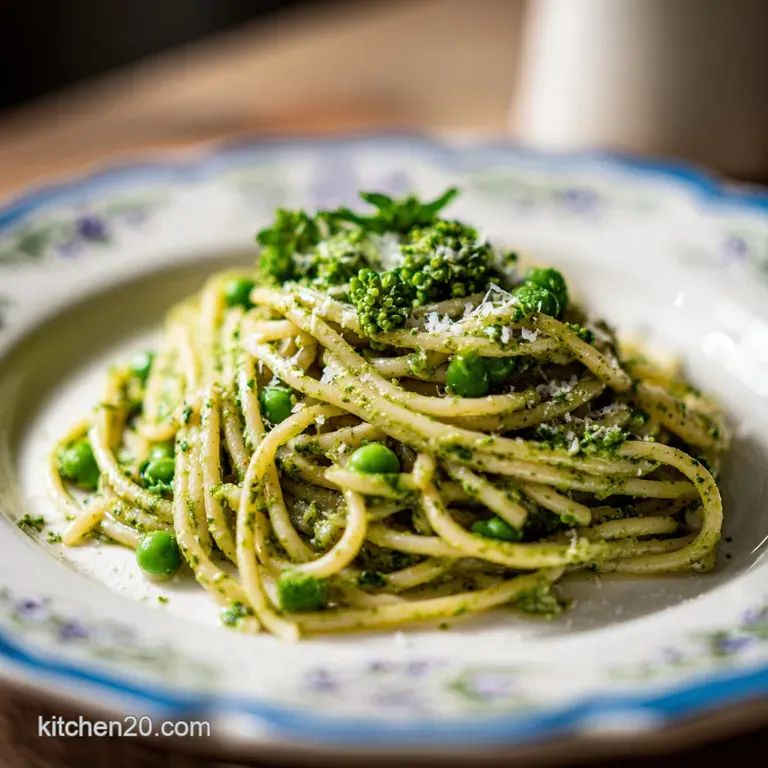
- Time: Active 10 minutes, Passive 10 minutes, Total 20 minutes
- Flavor/Texture Hook: Velvety, garlic forward, and deeply savory
- Perfect for: High efficiency weeknight fuel or beginner friendly meal prep
- Creating the Ultimate Velvety Texture with Broccoli Pasta
- Technical Advantages of This Specific Broccoli Pasta Method
- Critical Performance Metrics and Recipe Specifications
- Essential Component Selection for a Cohesive Dish
- Necessary Hardware for Optimal Culinary Execution
- Step by Step Instructions for Peak Flavor
- Failure Mode Analysis and Corrective Actions
- Modular Variations for Custom Flavor Profiles
- Maintenance Protocols and Long Term Storage
- Presentation Tier Strategies for Visual Impact
- Recipe FAQs
- 📝 Recipe Card
Creating the Ultimate Velvety Texture with Broccoli Pasta
You know that specific sizzle when thinly sliced garlic hits shimmering olive oil? That’s the sound of a weeknight win. I first stumbled onto this method during a chaotic Tuesday when I realized my fridge was empty except for a lonely head of broccoli and some Pecorino.
I used to think the goal was to keep the broccoli crisp tender, like a stir fry, but I was wrong. The real magic happens when you let the broccoli almost surrender to the boiling water, turning it into a soft, smashable base that eventually fuses with the pasta.
We are essentially revolutionizing the way we think about vegetable to pasta ratios here. This isn't just "pasta with some greens on top"; it’s a fully connected system where the broccoli stems and florets break down to form a rich, emerald colored coating.
If you've ever felt like your pasta dishes are a bit disjointed where the noodles sit on one side and the toppings on the other this technique is your fix. It’s about building a cohesive platform where every bite carries the same punch of garlic and lemon.
Technical Advantages of This Specific Broccoli Pasta Method
The success of this dish relies on a few core principles of culinary physics that ensure the sauce clings rather than slides. We aren't just boiling things; we are managing starch and cellulose to create a stable emulsion.
- Cellulose Breakdown: Boiling the broccoli past the "al dente" stage weakens the plant's cell walls, allowing the florets to disintegrate into a paste like consistency when tossed.
- Starch Suspension: By cooking the pasta in the same water as the broccoli, the water becomes a concentrated starch solution that acts as a bridge between the oil and the vegetable.
- Garlic Infusion: Slicing the garlic paper thin increases the surface area, ensuring the oil is fully saturated with aromatics without the bitterness of burnt minced bits.
- Thermal Carryover: Finishing the pasta in the skillet allows the noodles to absorb the flavored liquid, seasoning the wheat from the inside out.
The Physics of the Mash
The secret to this Broccoli Pasta lies in the over high heat agitation at the end. When you vigorously stir the softened broccoli with the starchy pasta water and olive oil, you’re creating a mechanical emulsion.
This process suspends the fat droplets within the water, resulting in a sauce that feels rich on the tongue despite being quite light.
| Cook Method | Active Time | Resulting Texture | Best Use Case |
|---|---|---|---|
| Stovetop (Classic) | 10 minutes | Silky and integrated | Quick weeknight dinner |
| Oven (Roasted) | 25 minutes | Crispy and charred | Meal prep with crunch |
| Hybrid (Blanch/Bake) | 30 minutes | Soft interior, crispy top | Family style casserole |
While many prefer the speed of the stovetop, the oven method provides a different sensory experience with those "shatter crisp" charred edges. However, for a truly connected sauce that coats every orecchiette, the stovetop method remains the gold standard for efficiency and texture. While I love a Roasted Tomato Pasta recipe for its deep sweetness, this broccoli version is about green intensity.
Critical Performance Metrics and Recipe Specifications
To achieve consistent results, we need to treat our kitchen like a lab for a moment. These measurements aren't suggestions; they are the parameters for a stable dish.
Ingredient Deep Dive
| Component | Science Role | Pro Secret |
|---|---|---|
| Pasta Water | Emulsifying Agent | Never dump it; it contains the starch needed to bind the oil to the broccoli. |
| Broccoli Stems | Structural Fiber | Peel them deeply to reveal the tender core; they add a sweet, nutty crunch. |
| Extra Virgin Olive Oil | Fat Platform | Use high-quality oil as it carries the chili and garlic flavors across the palate. |
Each ingredient serves a functional purpose in the final assembly. The lemon juice, for instance, isn't just for flavor; the acidity cuts through the fat of the oil and cheese, brightening the entire profile and preventing the broccoli from tasting "muddy." Think of the broccoli as a creamy base, much like my Avocado Pasta Sauce recipe.
Essential Component Selection for a Cohesive Dish
Building this dish requires high-quality inputs. Since the list is short, there is nowhere for mediocre ingredients to hide.
- 1 lb Orecchiette or Rigatoni: Why this? The "little ears" or ridges are designed to scoop up the smashed broccoli bits.
- Substitute: Fusilli or Campanelle.
- 1.5 lbs fresh broccoli: Why this? High volume is necessary because the florets shrink significantly when broken down.
- Substitute: Broccolini or even cauliflower for a different color profile.
- 1/3 cup extra virgin olive oil: Why this? This is the primary fat source for the sauce emulsion.
- Substitute: Avocado oil for a higher smoke point, though you lose the peppery notes.
- 6 cloves fresh garlic: Why this? Sliced thin, it provides a mellow sweetness rather than a sharp bite.
- Substitute: 2 tsp garlic powder in a pinch, but the texture will suffer.
- 1 tsp red pepper flakes: Why this? Adds a necessary "connected" heat that wakes up the savory Pecorino.
- Substitute: 1/2 tsp cayenne pepper.
- 1/2 cup Pecorino Romano: Why this? Its salty, sheep’s milk tang is sharper and more assertive than Parmesan.
- Substitute: Parmesan or Grana Padano.
- 0.5 fresh lemon: Why this? The juice acts as a finishing brightener to the heavy garlic and oil.
- Substitute: 1 tsp white wine vinegar.
- 1 tbsp Kosher salt: Why this? Essential for seasoning the pasta water effectively.
- Substitute: 2 tsp sea salt.
Chef's Tip: Freeze your wedge of Pecorino for 10 minutes before grating. This prevents the cheese from clumping and ensures it melts into a velvety cloud rather than a gummy string.
Necessary Hardware for Optimal Culinary Execution
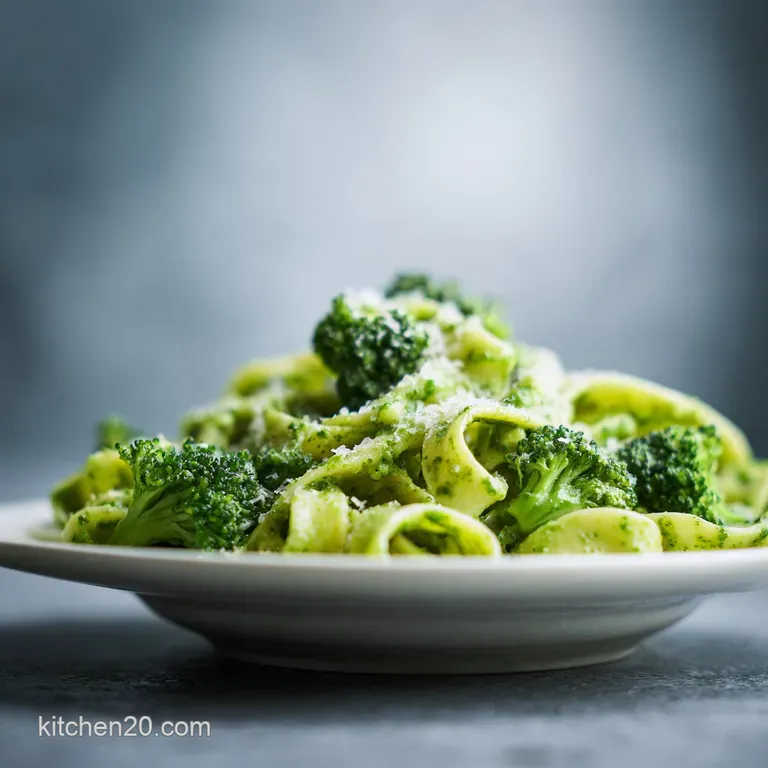
You don't need a high tech lab, but a few specific tools will make the process more fluid.
- Large Pasta Pot: At least 6 quart capacity to allow the broccoli and pasta to move freely.
- Wide Skillet or Sauté Pan: A 12 inch pan (like an All Clad) gives you enough surface area to toss the pasta and emulsify the sauce.
- Spider Strainer: This is superior to a colander because it allows you to move the pasta directly into the sauce, bringing along that precious water.
- Microplane: For the cheese and potentially a little lemon zest if you want to push the boundaries.
step-by-step Instructions for Peak Flavor
1. The Nutrient Rich Blanch
Bring a large pot of water to a rolling boil and add the 1 tbsp Kosher salt. Add the 1.5 lbs of broccoli (stems and florets). Boil for 4 minutes until the broccoli is bright green and can be easily pierced with a fork.
Note: We are pre softening the fiber before the pasta joins the party.
2. The Pasta Integration
Add the 1 lb of orecchiette directly into the same pot with the broccoli. Cook according to package directions, typically around 9 to 11 minutes. Cook until the pasta is slightly firm (al dente). Note: The broccoli will continue to break down as the pasta cooks.
3. The Garlic Infusion
While the pasta boils, place the 1/3 cup olive oil in your wide skillet over medium heat. Add the 6 cloves of sliced garlic and 1 tsp red pepper flakes. Sizzle for 2 minutes until the garlic edges are golden and the oil is fragrant.
Note: Don't let the garlic turn dark brown, or it will taste acrid.
4. Component Extraction
Before draining, reserve at least 1 cup of the starchy pasta water. Use a spider strainer to transfer the pasta and broccoli directly into the skillet with the garlic oil. Hear the sizzle as the moisture hits the oil.
5. The Emulsion Phase
Pour in 1/2 cup of the reserved pasta water. Increase the heat to medium high and begin stirring vigorously. Stir for 2 minutes until the broccoli starts to smash and the liquid turns into a creamy, green sauce.
6. The Finishing Fold
Remove the pan from the heat. Sprinkle in the 1/2 cup of Pecorino Romano and the juice from 0.5 lemon. Toss until the cheese is fully integrated and the sauce looks velvety.
7. Texture Adjustment
If the pasta looks dry, add more pasta water 1 tablespoon at a time. The goal is a glossy sheen that coats every piece of orecchiette.
8. Final Seasoning
Taste a noodle. Add a pinch more salt or red pepper flakes if needed. The lemon should be a subtle background note that makes the garlic pop.
Failure Mode Analysis and Corrective Actions
Even the simplest "platform" can have bugs. Understanding why things go wrong is the best way to ensure a flawless execution next time.
The Sauce Consistency Matrix
| Problem | Root Cause | Solution |
|---|---|---|
| Watery Sauce | Too much water, not enough fat | Simmer for 1 minute longer to reduce; add a splash of oil. |
| Clumpy Cheese | Adding cheese to a boiling pan | Remove from heat before adding cheese; use a fine grate. |
| Bitter Garlic | Garlic was sliced too thin or heat was too high | Start garlic in cold oil to control the temperature rise. |
Common Mistakes Checklist
- ✓ Don't drain the water away: That starch is the only thing keeping your sauce from separating.
- ✓ Peel the broccoli stems: The outer skin is woody and won't soften, no matter how long you boil it.
- ✓ Salt the water heavily: The pasta needs to be seasoned from the start; you can't fix bland noodles at the end.
- ✓ Wait for the smash: If the broccoli isn't falling apart, use the back of a wooden spoon to help it along.
Maintaining the Vivid Green Color
If your broccoli looks dull and brown, it’s likely overcooked or sat in the acid (lemon) for too long before serving. To keep that bright, "connected" look, add the lemon juice at the very last second.
Modular Variations for Custom Flavor Profiles
Once you've mastered the base platform, you can begin to iterate. This Broccoli Pasta is highly adaptable to different dietary needs and flavor preferences.
- For the Protein Heavy Version: Add 1/2 lb of browned Italian sausage or sautéed shrimp at the end. This turns the side dish vibe into a heavy duty dinner.
- For the Vegan Adaptation: Swap the Pecorino for 3 tbsp of nutritional yeast and 1/4 cup of toasted walnuts. The walnuts provide the fat and "crunch" that the cheese usually offers.
- For the Pasta Bake Revolution: Transfer the finished stovetop pasta to a baking dish, top with mozzarella and breadcrumbs, and broil for 3 minutes until the top is a "shatter crisp" golden brown.
- The Depth Charge: Add 3 anchovy fillets to the oil with the garlic. They will dissolve completely, adding a massive hit of umami without making the dish taste "fishy."
Maintenance Protocols and Long Term Storage
This dish is best served immediately because the starch in the sauce will continue to absorb liquid as it cools, potentially becoming thick and gummy.
- Fridge Storage: Store in an airtight container for up to 3 days. When reheating, the sauce will have tightened up.
- Reheating Protocol: Do not use a microwave if possible. Instead, put the pasta in a skillet with a splash of water or broth. Heat over medium while stirring until the "velvety" texture returns.
- Freezing: I don't recommend freezing this specific recipe. The broccoli becomes quite mushy upon thawing, and the emulsion will break, leaving you with a puddle of oil.
- Zero Waste Tip: Don't throw away those broccoli leaves! If your heads of broccoli come with small leaves attached, toss them into the boiling water with the florets. They taste like a cross between kale and spinach and add great visual texture.
Presentation Tier Strategies for Visual Impact
The way you present this Broccoli Pasta can change the entire dining experience. Here is how to scale your plating from a quick solo meal to a dinner party centerpiece.
| Level | Visual Goal | Key Addition | Technique |
|---|---|---|---|
| Simple | Comforting/Rustic | Extra red pepper flakes | Serve in a deep, warmed bowl. |
| Polished | Refined/Bright | Fresh lemon zest | Use a Microplane to add zest just before serving. |
| Restaurant | Gourmet/Textural | Fried breadcrumbs (Muddica) | Toast Panko in olive oil until it "shatters" when bitten. |
Polishing the Final Product
To reach the "Restaurant" tier, focus on the "Muddica" or fried breadcrumbs. In a separate small pan, heat 1 tbsp of oil and toss in 1/4 cup of panko. Stir until they are deep golden brown.
Sprinkling these over the soft, velvety pasta creates a high contrast sensory experience that makes the dish feel much more expensive than it actually is.
Final Thoughts on Connectivity
By treating your ingredients as a connected system rather than a list of parts, you’ve turned a basic vegetable into a luxurious sauce. This Broccoli Pasta is a testament to the fact that high-quality results don't require complex technology just a bit of starch, some fat, and a lot of heat.
Next time you're standing in front of the fridge with no plan, remember that the "liquid gold" in your pasta pot is the key to revolutionizing your weeknight routine. Trust me on this one; the smash is worth the effort.
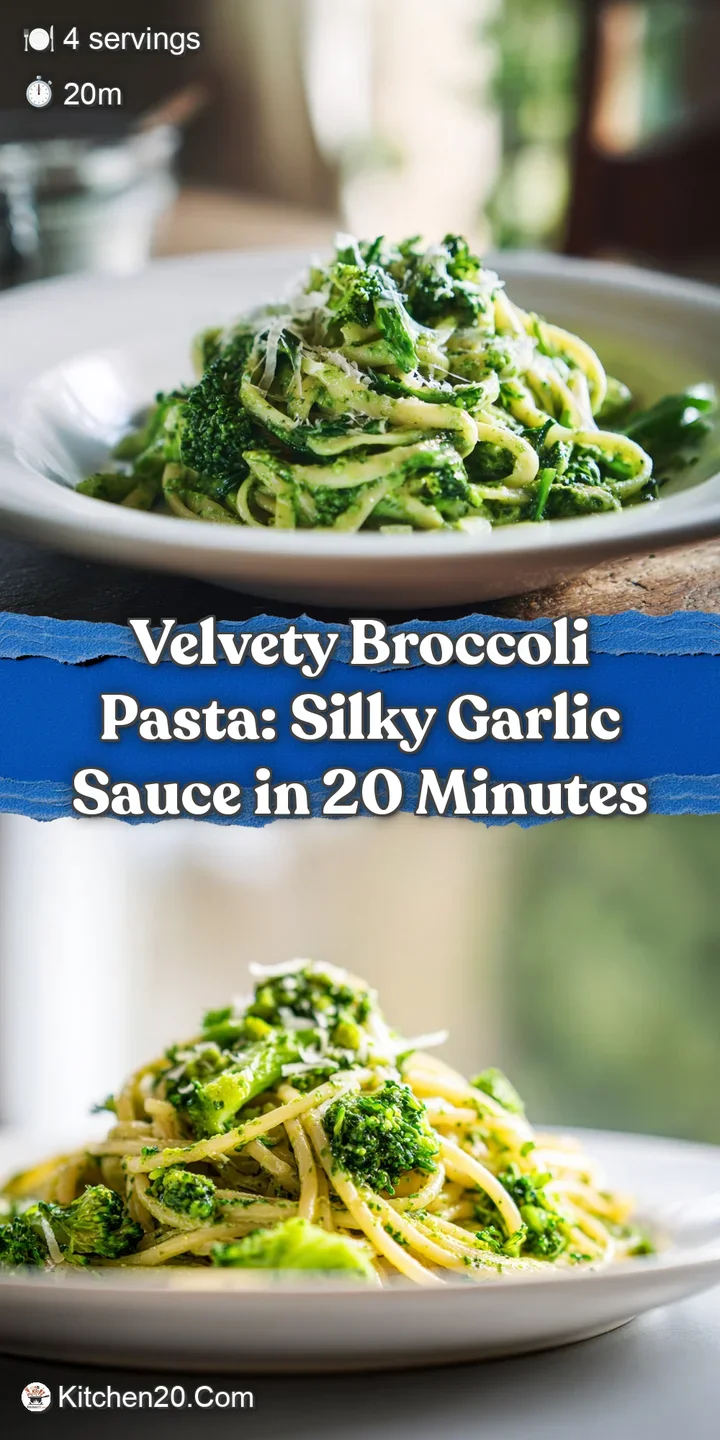
Recipe FAQs
Can I substitute frozen broccoli for fresh in this recipe?
No, stick to fresh for best results. Frozen broccoli contains too much trapped water, which dilutes your starchy pasta water and prevents the velvety sauce from emulsifying properly.
How do I ensure the sauce coats the pasta instead of sliding off?
Vigorously toss the pasta and broccoli with starchy water off heat. The key is mechanical action; when you smash the softened broccoli and stir rapidly with the hot starch liquid, you create a stable emulsion that clings to the pasta.
How do I make this dish vegan?
Replace the Pecorino with nutritional yeast and toasted walnuts. Use about 3 tablespoons of nutritional yeast for cheesiness, and the walnuts add the fat structure and necessary textural crunch that the cheese usually provides.
Should I only cook the florets and discard the stems?
No, peel and use the stems for added texture and sweetness. The outer layer of the stem is woody, so scrape that off, but the inner core softens nicely and provides a wonderful, nutty contrast to the creamy florets.
How long should I cook the garlic before adding the pasta?
Sauté the thin slices for about two minutes until just golden at the edges. You want the oil fully infused with flavor, but if the garlic browns too much, it will taste acrid and overwhelm the delicate vegetable base; watch out for scorching, a similar heat control principle applies when making the Creamy Dreamy Simple recipe.
Is it true that overcooking the broccoli is necessary for this specific sauce?
Yes, softening the broccoli past al dente is essential. You need the cellulose structure to break down completely so it can disintegrate into a fine paste when agitated with the pasta water, forming the bulk of the sauce.
How can I add depth of flavor without using heavy cream?
Dissolve three anchovy fillets in the olive oil with the garlic. They will completely melt into the oil, adding massive umami depth without imparting an overtly fishy flavor, a technique that builds savory notes similarly to long simmering in a Homemade Spaghetti Sauce recipe.
Velvety Broccoli Pasta
Ingredients:
Instructions:
Nutrition Facts:
| Calories | 696 kcal |
|---|---|
| Protein | 22.5 g |
| Fat | 24.5 g |
| Carbs | 97.5 g |
| Fiber | 8.8 g |
| Sugar | 4.2 g |
| Sodium | 640 mg |
