Vintage Fresh Cranberry Orange Relish: the Simple, No-Cook Holiday Favorite
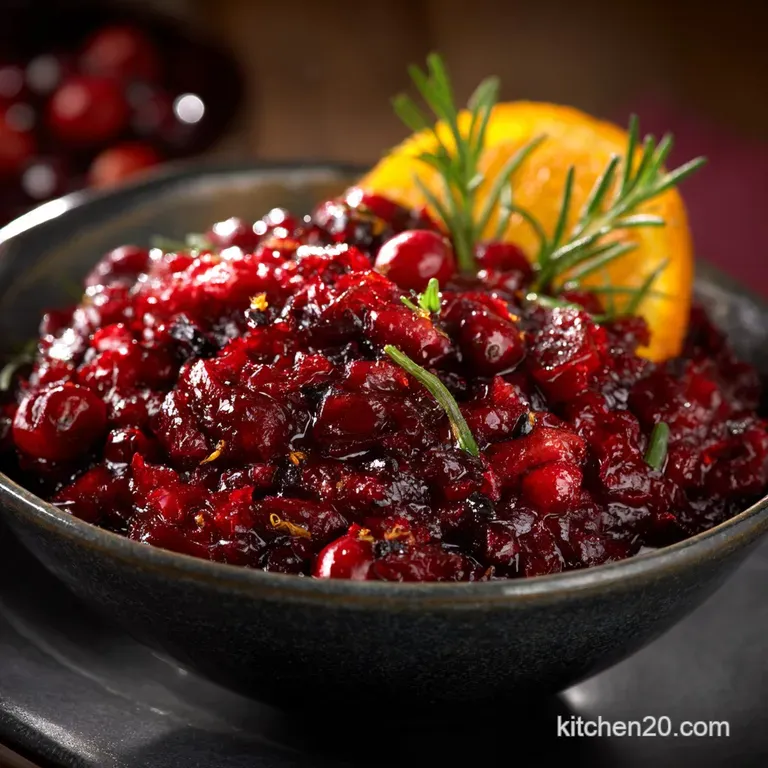
- Rediscovering the True Cranberry Relish: The Vintage Fresh Classic
- Why Raw Relish Beats Cooked Sauce: A Study in Texture and Zest
- Essential Elements for Your Bright Cranberry Orange Relish
- The Zero-Cook Method: Crafting Your Vintage Fresh Cranberry Orange Relish
- Achieving the Perfect Balance: Troubleshooting and Chef's Notes
- Making Ahead and Maximizing Freshness: Storage Solutions
- Beyond the Turkey: Unexpected Pairings for Vintage Fresh Cranberry Orange Relish
- Recipe FAQs
- 📝 Recipe Card
Rediscovering the True Cranberry Relish: The Vintage Fresh Classic
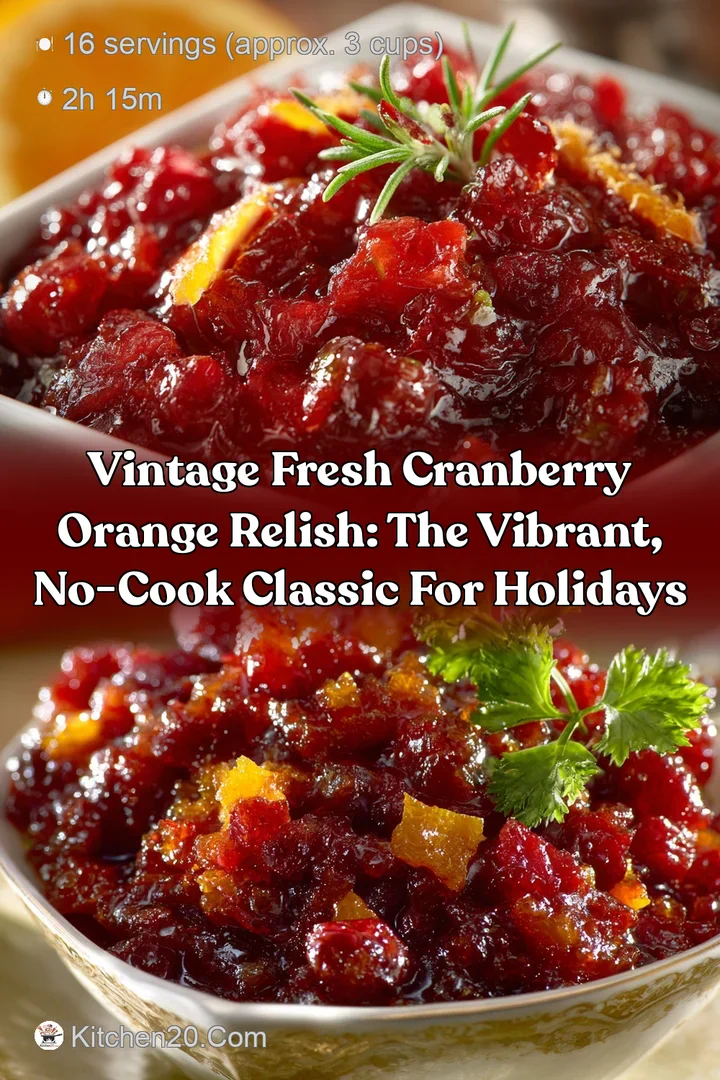
Forget the jiggly canned stuff; this Vintage Fresh Cranberry Orange Relish is where the holiday party truly begins. When you first taste it, you get this incredible burst of sharp, acidic cranberries and aromatic orange oil that tickles the back of your throat.
The final texture is rough, chunky, and brilliantly raw, which is exactly how it should be.
Why do I love this so much? It’s completely zero cook, which is a massive win when your oven is already fighting with itself over turkey and pie space. You literally just dump everything into a food processor, press a button a few times, and the hard work is done.
It’s truly the easiest make-ahead side dish there is.
This version isn't just fast; it’s a vintage classic that deserves a serious comeback on your holiday table. We’re talking about the bright, zesty relish that was traditional before everyone started boiling down their berries until they gelatinized.
Get ready to swap your saucepan for your food processor, because we're making the absolute best Fresh Cranberry Orange Relish.
Why Raw Relish Beats Cooked Sauce: A Study in Texture and Zest
I’m serious when I say that the texture here is non-negotiable. If you want a smooth, spoonable, slightly wobbly sauce, you should definitely check out my Cranberry Relish: Aromatic Orange Side Dish Ready in 25 Mins recipe instead. However, if you want something that truly cuts through rich, buttery dishes, you need this crisp, vibrant relish.
The Difference Between Relish and Sauce: A Textural Definition
The distinction is straightforward: cranberry sauce is cooked, thick, and sweet, often resulting in a uniform texture. Cranberry relish, specifically the raw variety, is uncooked, chunky, and sharply acidic.
Relish retains the essential oils and the bright crunch of the fruit, making it infinitely more interesting than its cooked counterpart.
What Defines 'Vintage Fresh'? The Mid-Century No-Cook Method
The term "vintage fresh" simply means we are applying zero heat. This no-cook method relies entirely on the natural acidity of the cranberries and orange to react with the sugar. It’s a beautifully simple process, requiring little more than a good food processor and some patience during the chilling phase.
Why Texture is Key in This Zero Cook Method
Because we aren't cooking the cranberries down, they retain their firm structure and high pectin content. This crunch is vital. It creates a satisfying contrast against creamy sides or rich roasted meats, offering a burst of freshness instead of blending into the background.
The Enzymatic Reaction: How Sugar Cures the Fruit
The magic of the Vintage Fresh Cranberry Orange Relish happens in the refrigerator. When you combine the ground cranberries and orange with sugar, the sugar immediately starts drawing moisture out of the fruit cells (osmosis).
This juice dissolves the sugar, creating a flavorful syrup that slowly softens and "cures" the tough cranberry skins. The initial sharpness mellows dramatically after just a few hours.
Utilizing the Whole Orange: Essential Oil Extraction 101
This is the secret weapon for massive flavor. The deepest, brightest orange notes live in the peel, not the pulp. By roughly chopping and processing the whole orange (peel included, sans seeds), we are physically extracting those powerful essential oils right into the mix.
This gives the relish a clean, intensely zesty finish you simply can’t achieve with only juice.
The Importance of the Finely Ground Chop for Optimal Flavor Release
We need to break down the ingredients enough that the sugar can penetrate and the essential oils can escape, but not so much that it turns into a puree. A coarse, gravel like chop is necessary. If the pieces are too big, the sugar takes forever to dissolve; if it’s too fine, the relish turns into liquid jam.
Essential Elements for Your Bright Cranberry Orange Relish
This recipe relies on just a few high-quality ingredients. Because we are using the rind, please opt for organic oranges whenever possible. Scrub them well!
Selecting the Perfect Navel or Valencia Orange
Both Navel and Valencia oranges work brilliantly, but they have subtle differences. Navels are usually easier to peel and segment, while Valencias tend to be juicier. Crucially, ensure you remove all the seeds, as those hold the truly bitter compounds that can ruin the whole batch.
Choosing Your Sweetener: Granulated vs. Raw Sugar
The classic recipe calls for plain granulated white sugar because it dissolves completely and quickly, giving you that beautiful, glossy sheen. If you prefer a richer, molasses like depth, you can absolutely substitute.
| Ingredient | Substitute | Ratio/Notes |
|---|---|---|
| Granulated Sugar | Honey or Maple Syrup | Use 3/4 cup liquid sweetener for every 1 cup of granulated. The texture will be slightly thinner. |
| Navel Orange | Grapefruit or Clementines | Grapefruit adds delightful bitterness (use 1/2 grapefruit). Clementines are sweeter, so reduce the sugar slightly. |
| Fresh Cranberries | Frozen Cranberries | Do not thaw! Use them frozen or semi frozen for processing. |
Fresh vs. Frozen Cranberries: Which is Best for Relish?
I always prefer fresh, just because they are slightly firmer and less likely to turn mushy when processed. However, if cranberries are out of season, frozen is totally fine. If you use frozen cranberries, do not thaw them. Process them straight from the freezer.
This keeps the mixture colder, reducing the risk of over processing and heat build-up.
Optional Brighteners: A Pinch of Salt or Ginger
I highly recommend adding that tiny pinch of salt I mention in the ingredients. Salt doesn't make the relish salty; it dramatically enhances the fruit's natural sweetness and acidity, making everything pop. If you want a slightly warmer profile, a half teaspoon of fresh grated ginger is incredible too! You should try my Cranberry Relish: Best Zesty Orange Ginger Recipe (Easy) if you are a ginger lover.
The Zero Cook Method: Crafting Your Vintage Fresh Cranberry Orange Relish
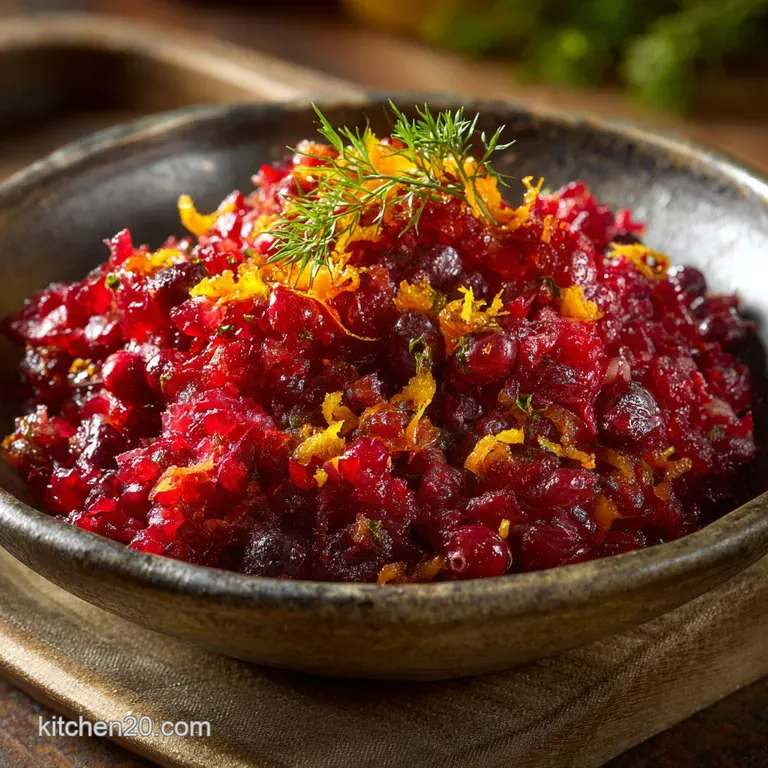
This process is straightforward, but speed and attention to texture are critical. Read the processing steps twice before you start.
Prepping the Citrus: Ensuring Seed Removal but Keeping the Pith
Wash your orange thoroughly. You need to remove the seeds, but don't obsess over peeling away every tiny bit of white pith. The pith holds some of the bitter compounds, yes, but it also contains pectin, which helps the relish thicken naturally as it rests.
Just cut the orange into manageable chunks, inspect for seeds, and set aside.
The Proper Ratio: Achieving the Ideal Grind Consistency
This is my secret: Process the cranberries first, then process the orange and sugar. If you put all the ingredients in at once, the sugar tends to gum up the blades, and the soft orange flesh gets pulverized before the tough cranberries even break open.
Chef's Note: Always pulse in short, 1 second bursts. Processing is about mechanical chopping, not blending. If you let the food processor run continuously, you create friction, which heats the berries and ruins the final texture.
The Mandatory Rest Time: Letting the Flavors Cure
Once everything is chopped and combined, you must wait. The mixture straight from the food processor is incredibly harsh, sharp, and overly sweet. Refrigerate it for a minimum of two hours, but ideally, let it sit overnight (8– 12 hours).
This is when the sugar fully dissolves, the flavors integrate, and the harsh acidity mellows into brilliant zest.
How to Correct Excess Liquid Post Chill
If you used very juicy oranges or over processed the mixture, you might find a slight puddle of liquid at the bottom of the container after chilling. Don't worry! Simply stir vigorously to reincorporate the liquid, or, if it’s truly excessive, drain off a tablespoon or two before serving. You can save that liquid and use it in a vinaigrette for something like a Cranberry Walnut Salad Recipe: The 20 Minute Holiday Side Dish .
Achieving the Perfect Balance: Troubleshooting and Chef's Notes
My Relish is Too Bitter: How to Adjust the Orange Content
Bitterness usually comes from one of two places: either you left some seeds in the orange, or you used too much of the white pith relative to the flesh. If the bitterness is noticeable after the overnight rest, stir in a splash of fresh orange juice (about 1 tablespoon at a time) and 1 teaspoon of powdered sugar.
The juice dilutes the strong oils, and the sugar provides immediate balance.
If the Relish Tastes Too Tart: Balancing with Sugar Post Chill
If you taste the chilled relish and it makes your face pucker, it's too tart. This often happens if the oranges you used were naturally less sweet. Simply stir in powdered (confectioners') sugar, half a teaspoon at a time. Powdered sugar dissolves much faster than granulated sugar, making adjustments quick and easy.
Using the Best Appliance: Food Processor vs. Blender for Texture
Use the food processor. Period. A blender, especially a high speed one, creates far too much heat and will instantly turn your chunky relish into a frothy pink smoothie. If you don't have a food processor, use an old-fashioned meat grinder with a coarse plate that’s the vintage way!
Failing that, you can hand chop everything, but prepare for sticky hands and sore wrists.
Making Ahead and Maximizing Freshness: Storage Solutions
This is truly the ultimate make-ahead side dish. I usually whip up a batch three days before Thanksgiving just to get it off my mind.
Shelf Life and Refrigeration Guidance
Because of the high sugar and high acid content, this Vintage Fresh Cranberry Orange Relish keeps beautifully. Store it in an airtight container in the main body of your refrigerator. It will last easily for 10 to 14 days.
I suggest stirring it again a few hours before you plan to serve it, just to redistribute the dissolved sugar and liquid.
Can I Freeze This Fresh Cranberry Orange Relish?
You bet! This relish freezes exceptionally well. Spoon the finished, chilled relish into freezer safe containers, leaving about half an inch of headspace because liquids expand. It will stay fresh and vibrant in the freezer for up to 2 months.
This makes it perfect for saving leftovers or making double batches in advance of the holidays.
Thawing Properly: Preventing a Watery Texture
To thaw, transfer the frozen container directly to the refrigerator and allow it to thaw slowly overnight. Do not thaw on the counter. When thawed quickly, the cells burst, releasing too much water. Once fully thawed, stir vigorously. If there is still a slight watery separation, simply give it a quick, firm stir. If you are serving this alongside a creamy dish, like my Cranberry Fluff Salad: The Creamy Cranberry Orange Side (Easy Recipe) , a little extra moisture won't hurt anyway.
Beyond the Turkey: Unexpected Pairings for Vintage Fresh Cranberry Orange Relish
We all know this is amazing with poultry or ham, but let’s talk about the fun ways to use your leftovers.
- Cheese Plate MVP: Serve it chilled alongside a mature Cheddar or a soft, salty goat cheese. The acidity is a wonderful palate cleanser.
- Breakfast Topping: Swirl it into Greek yogurt or cottage cheese for a bright, seasonal breakfast.
- Dessert Layering: Use it as a vibrant, tart layer in parfaits or even in a classic, festive dessert. I often use leftovers instead of canned filling when I make my make-ahead Thanksgiving Desserts: Stress Free Cranberry Trifle Recipe . The fresh, raw zest really lifts the cream layers.
Recipe FAQs
How long will this fresh relish keep, and how should I store it?
Because this relish is raw and highly acidic, it stores beautifully. Keep it tightly sealed in an airtight container in the refrigerator for up to 10 days. The flavors actually intensify and improve significantly after 24 hours of chilling, so making it ahead is highly recommended.
My relish seems too runny/wet after processing. What did I do wrong?
If your relish is overly wet, it might be due to over processing, which released too much juice from the cranberries and orange flesh. To fix this, simply drain off any excess liquid using a fine mesh sieve before chilling. The relish will thicken slightly as the sugar dissolves overnight.
Can I use less sugar, or substitute it with a natural sweetener like honey?
You can certainly reduce the granulated sugar content by up to 1/4 cup, but be mindful that the sugar acts both as a preservative and a necessary counter balance to the raw cranberry's intense tartness.
Liquid sweeteners like maple syrup or honey are generally not recommended as they introduce too much moisture and change the characteristic texture.
Why does the recipe call for using the entire orange, including the pith and zest? Won't the pith make it bitter?
Using the whole orange (peel, pith, and flesh) is essential for achieving the required texture and depth of flavor in this vintage relish. The granulated sugar helps mitigate the slight bitterness of the pith and peel, and the pith itself adds necessary bulk and structure to the final dish.
Can I freeze the cranberry orange relish for later use?
Yes, this raw relish freezes exceptionally well and is perfect for making far ahead of time. Transfer the prepared relish into a freezer safe container, leaving about half an inch of headspace to allow for expansion. It will maintain its fresh flavor and texture when thawed for up to three months.
I don't own a food processor. How else can I chop the ingredients?
While a food processor is the easiest method to achieve uniform consistency, you can chop the ingredients by hand using a sharp knife. You must ensure you chop the cranberries and orange segments very finely and evenly, or the texture will be chewy rather than relish like.
Alternatively, you can use a meat grinder if you have one available.
Besides serving it with poultry, what are some creative ways to use leftover relish?
This vibrant relish is fantastic swirled into plain yogurt or cottage cheese for a quick breakfast treat, or used as a topping for vanilla ice cream. You can also mix it with softened cream cheese to create a quick, festive spread for crackers or bagels, or layer it within parfaits.
Vintage Cranberry Orange Relish No Cook Classic
Ingredients:
Instructions:
Nutrition Facts:
| Calories | 230 kcal |
|---|---|
| Protein | 0.4 g |
| Fat | 0.2 g |
| Carbs | 60.7 g |
