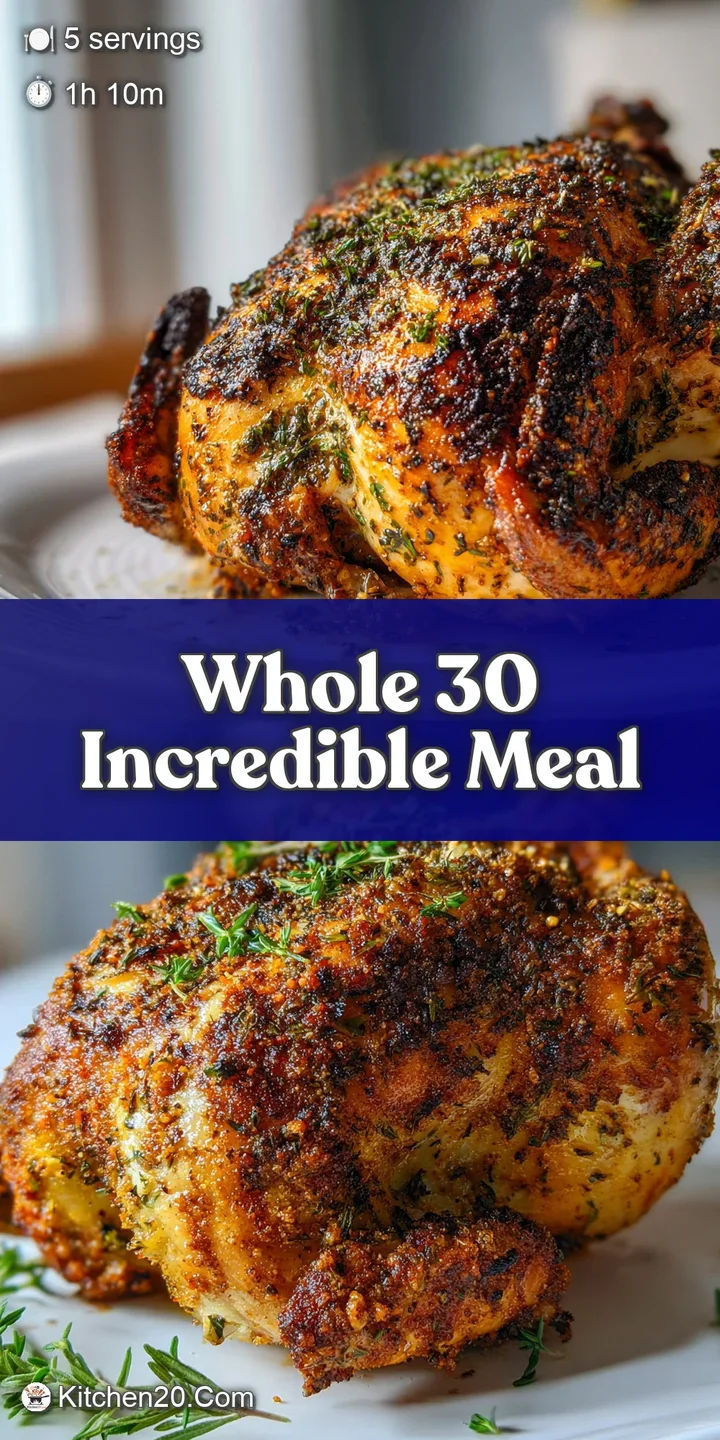
Whole 30 Incredible Meal Recipe with Roasted Chicken
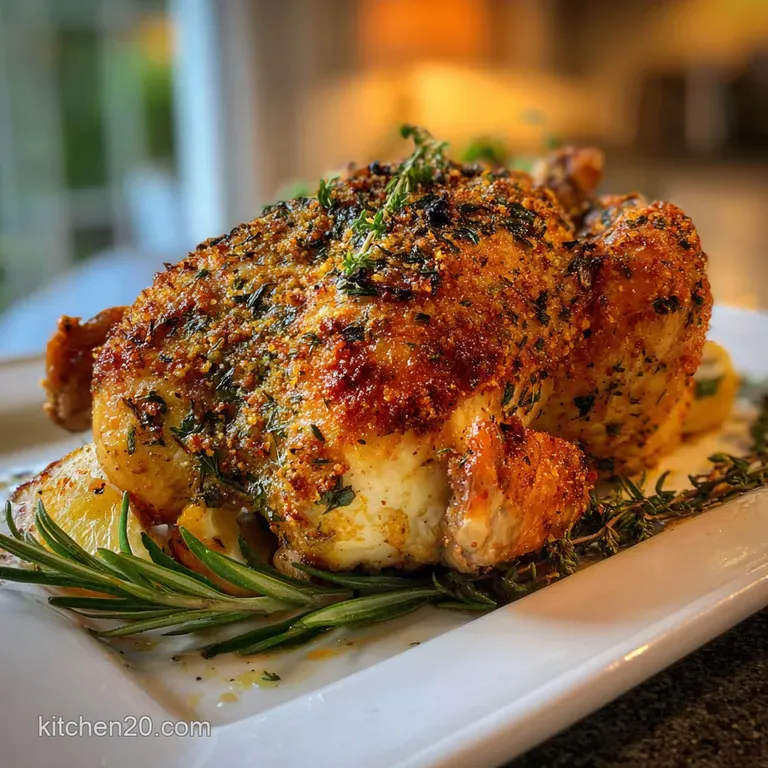
- Time: Active 20 minutes, Passive 50 minutes, Total 1 hour 10 minutes
- Flavor/Texture Hook: Shatter crisp skin and velvety Yukon Gold potatoes
- Perfect for: Weeknight meal prep and Whole 30 compliant dinners
- Heat Dynamics for Better Texture
- Efficiency Metrics for Your Workflow
- Strategic Chemistry of Compliant Elements
- Tools for Minimal Kitchen Friction
- Step by Step Streamlined Execution
- Fixing Common Kitchen Pitfalls
- Adaptations for Varied Flavor Profiles
- Systematized Storage and Meal Prep
- Efficient Sides for Your Menu
- Debunking Myths for Better Logic
- Recipe FAQs
- 📝 Recipe Card
Nothing beats the sound of a roasting pan as it hits the counter, that high pitched sizzle promising a meal that actually satisfies. We have all been there, staring at a bland, soggy chicken and wondering where the flavor went. This Whole 30 roasted chicken recipe delivers an incredible meal you'll absolutely adore.
I used to think roasting a whole bird was a project reserved for Sunday afternoons, but I realized it is all about the system. If you streamline the prep and use the right fats, you can get this on the table on a Tuesday night.
It is about working smarter with your appliances and letting the oven do the heavy lifting while you manage your evening.
Forget the complicated stuffings or the basting every ten minutes. We are focusing on over high heat efficiency and thermal equilibrium to ensure the breast stays juicy while the skin gets that crackling texture we crave. It is a modern approach to a classic that fits perfectly into a busy schedule.
Heat Dynamics for Better Texture
When we talk about roasting, we are really talking about the management of moisture and heat transfer. By using ghee instead of oil alone, we leverage a higher smoke point which allows the oven to work at 425°F without the fat breaking down or smoking out your kitchen.
This high temperature is vital for the skin to reach its "shatter" point before the meat dries out.
Protein Denaturation: Heat causes the coiled proteins in the chicken to unwind and bond together, which eventually squeezes out moisture if overcooked. Maillard Reaction: This chemical reaction between amino acids and reducing sugars creates the brown crust and complex flavors that make roasted meat savory.
1. The Power of Dry Brine
Salt is not just for flavor, it is a functional tool that changes the structure of the meat. When you salt the bird early, it draws moisture out, dissolves into a brine, and is then reabsorbed into the muscle fibers. This seasons the bird deeply and breaks down tough proteins, making every bite more tender.
2. Spatchcocking for Even Heat
If you want to shave 20 minutes off your cook time, you need to flatten the bird. By removing the backbone, the chicken lies flat on the pan, allowing the dark meat and white meat to cook at a similar rate.
It also exposes more skin to the circulating hot air, ensuring there are no "soggy" spots on the underside.
3. Maillard Reaction and Ghee
Ghee is the secret to a successful Whole 30 dinner because it provides the saturated fat needed for a crispy exterior without the milk solids that burn at high heat. As the chicken roasts, the ghee helps conduct heat evenly across the surface, triggering the Maillard reaction more efficiently than water based fats or low smoke point oils. This is the same logic used in our How to Make recipe for a classic bird.
| Component | Science Role | Pro Secret |
|---|---|---|
| Whole Chicken | Primary Protein | Pat the skin until bone dry for maximum crispness. |
| Ghee | over High heat Lipid | Brush under the skin to fry the fat from the inside out. |
| Yukon Gold Potatoes | Medium Starch | Their density allows them to soften without falling apart. |
| Sea Salt | Osmotic Agent | Use coarse grains to create a textured, seasoned crust. |
Using the right starch makes a massive difference in your workflow. I prefer Yukon Golds because they have a naturally buttery texture that absorbs the rendered chicken fat without becoming a pile of mush.
Efficiency Metrics for Your Workflow
To keep things streamlined, I always weigh my ingredients first. A 4 lb chicken is the sweet spot for a 50 minute roast. If your bird is larger, you'll need to adjust your expectations and your timer. Efficiency in the kitchen comes from knowing your numbers before you turn on the burner.
This recipe yields 5 servings, making it a reliable choice for meal prepping your lunches for the week. The balance of 54.8 g of protein per serving ensures you stay full without the need for heavy, non compliant sides. It is a closed system of nutrition that works as hard as you do.
Strategic Chemistry of Compliant Elements
Every ingredient in this list serves a purpose in the final architecture of the dish. We are not just adding things for the sake of it; we are building a flavor profile that relies on aromatics rather than processed additives.
- 1 whole chicken (4 lbs): The foundation. Ensure it is at room temperature for 30 minutes before roasting.
- 3 tbsp ghee: The fat delivery system. Why this? It provides a rich, buttery flavor while remaining Whole 30 compliant and heat stable.
- 2 tsp sea salt: The seasoning and moisture manager.
- 1 tsp cracked black pepper: For a sharp, biting contrast to the rich fat.
- 2 tbsp fresh rosemary: Finely minced to release volatile oils.
- 1 tbsp fresh thyme leaves: Adds a floral, earthy depth.
- 1 lb small Yukon Gold potatoes: Halved to expose the surface area for browning.
- 3 large carrots: Cut into 2 inch chunks for consistent cooking.
- 1 whole head of garlic: Halved to infuse the roasting juices with a mellow sweetness.
- 1 lemon: Sliced into thick rounds to provide acidity and steam the bird from below.
- 2 tbsp avocado oil: For tossing the vegetables. Why this? It has a high smoke point that prevents the carrots from scorching.
| Original Ingredient | Substitute | Why It Works |
|---|---|---|
| Ghee | Duck Fat | Extreme flavor depth and high smoke point. Note: Adds a gamier, richer profile. |
| Yukon Gold Potatoes | Sweet Potatoes | Higher fiber and Vitamin A content. Note: Will be much softer and sweeter. |
| Fresh Rosemary | Dried Rosemary | Concentrated flavor. Note: Use only 1 tsp as dried herbs are more potent. |
If you find yourself out of whole chickens but still want that savory profile, you can apply similar seasoning techniques to other cuts. For example, the spice blend works remarkably well when you How to Sear recipe for a pan seared version.
Tools for Minimal Kitchen Friction
I am a big believer in using the right appliances to save time. You don't need a pantry full of gadgets, but a few high-quality items will make this process much smoother.
- Heavy duty roasting pan: Or a large cast iron skillet to hold and distribute heat.
- Kitchen shears: Essential for spatchcocking the bird quickly.
- Digital meat thermometer: The only way to guarantee the breast hits 165°F without guessing.
- Chef's knife: For clean cuts on the carrots and potatoes.
- Mixing bowl: To toss the vegetables in oil and salt.
Chef's Note: If you don't have kitchen shears, you can ask your butcher to spatchcock the chicken for you. It saves you five minutes of prep and a lot of cleanup.
step-by-step Streamlined Execution
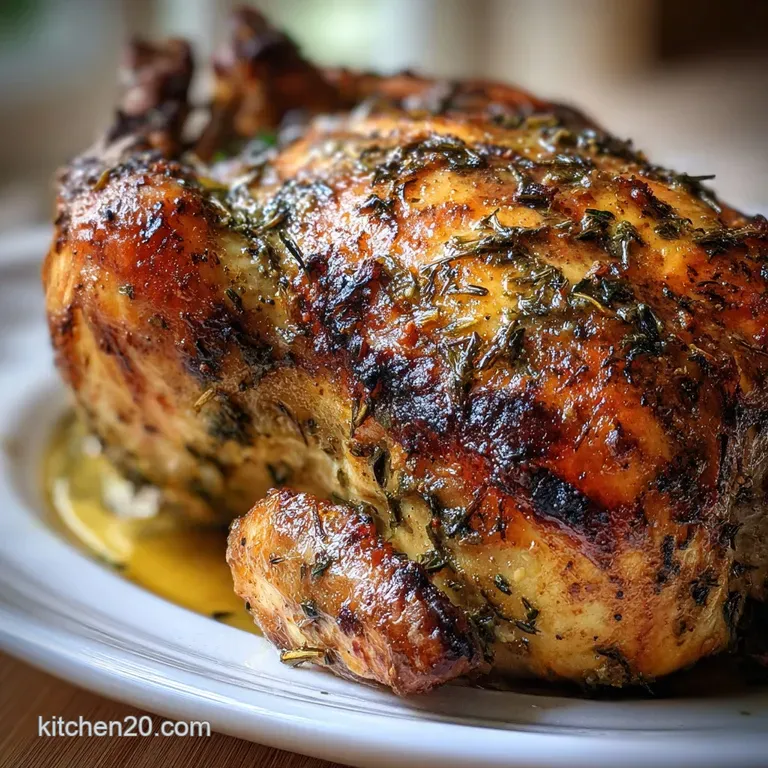
- Prep the bird. Remove the chicken from the fridge 30 minutes before starting.
- Spatchcock the chicken. Use shears to cut along both sides of the backbone and remove it. Note: This flattens the bird for faster cooking.
- Dry the skin. Pat the chicken thoroughly with paper towels until the surface is matte.
- Create the herb rub. Mash the softened ghee with salt, pepper, rosemary, and thyme.
- Apply the fat. Rub the ghee mixture under the skin of the breast and thighs, then over the exterior.
- Prep the base. Toss potatoes and carrots with avocado oil and a pinch of salt.
- Assemble the pan. Lay lemon rounds and garlic halves on the pan, then surround with vegetables.
- Position the chicken. Place the flattened chicken directly on top of the lemon and garlic.
- Roast high. Slide the pan into a 425°F oven for 50 minutes until the skin is golden and the juices run clear.
- The essential rest. Transfer the chicken to a board and let it sit for 10 minutes until the internal juices redistribute.
Fixing Common Kitchen Pitfalls
The biggest mistake people make is crowding the pan. If the vegetables are piled on top of each other, they will steam instead of roast. You want a single layer so the hot air can circulate and create those crispy edges.
Another issue is moisture. If your chicken is even slightly damp when it goes into the oven, that moisture has to evaporate before the browning can begin. This often leads to overcooked meat and pale, rubbery skin.
1. Solving the Moisture Problem
If you have the time, leave the chicken uncovered in the fridge for 4 hours before cooking. This "air chilling" dries the skin out perfectly. If you are in a rush, use a hair dryer on the cool setting for two minutes. It sounds crazy, but it works better than paper towels alone.
2. Preventing Crowded Pan Syndrome
If your roasting pan feels cramped, use two separate sheet pans. Put the chicken on one and the vegetables on the other. This ensures everything gets the airflow it needs to crisp up.
| Problem | Root Cause | Solution |
|---|---|---|
| Rubbery Skin | Excess Surface Moisture | Pat dry with paper towels and salt 30 mins early. |
| Burnt Garlic | Direct Heat Exposure | Tuck garlic halves under the chicken or under a potato. |
| Dry Breast Meat | Uneven Cooking | Spatchcock the bird to ensure thighs and breast finish together. |
3. Avoiding Overcooked Chicken Breast
Always pull the chicken when the thermometer reads 160°F. Carryover cooking will bring it up to the safe 165°F while it rests. If you wait until it hits 165°F in the oven, it will be 170°F by the time you eat it, which is the "dry zone."
Adaptations for Varied Flavor Profiles
You can easily change the mood of this dish without changing the technique. The foundation remains the same, but the aromatics can shift.
- If you want a smoky flavor, use smoked paprika and a touch of cumin in the ghee rub.
- If you want it brighter, increase the lemon and add fresh parsley after roasting.
- If you want more texture, add halved Brussels sprouts to the vegetable mix during the last 20 minutes.
1. The Mediterranean Flavor Flip
Swap the rosemary for dried oregano and add a handful of kalamata olives to the pan during the last 10 minutes of roasting. The saltiness of the olives cuts through the rich chicken fat beautifully.
2. The Spicy Kick Variation
Add a teaspoon of red pepper flakes to the ghee. The heat will infuse into the fat and spread across the entire bird, giving you a consistent, warm glow in every bite without being overwhelming.
Systematized Storage and Meal Prep
Roasted chicken is the ultimate meal prep tool. Once the meal is over, don't just throw the carcass away. I always strip the remaining meat for salads and toss the bones into a slow cooker for broth.
- Fridge: Store in an airtight container for up to 4 days. Keep the skin as dry as possible.
- Freezer: Shred the meat and freeze in portions for up to 3 months.
- Zero Waste: Save the carrot peels and herb stems in a freezer bag. When the bag is full, simmer them with the chicken carcass to make a zero cost bone broth.
To reheat while maintaining texture, use an air fryer at 350°F for 5 minutes. This will crisp the skin back up much better than a microwave ever could. If you use a microwave, the skin will inevitably become soft, though the meat will stay moist if covered.
Efficient Sides for Your Menu
While this is a one pan meal, sometimes you want a little more volume. I like to keep the sides simple so they don't compete with the main event. A crisp green salad with a simple vinaigrette is usually enough to balance the richness of the ghee and roasted vegetables.
1. The Better Dining Experience
If you are hosting, serve this with a side of sautéed kale or spinach. The bitterness of the greens provides a necessary counterpoint to the sweet, roasted carrots. It makes the whole meal feel more like a restaurant experience.
2. Cauliflower Mash Duo Sides
If you are extra hungry, a quick cauliflower mash works wonders. You can use the same herbs from the chicken to tie the flavors together. It is a great way to add more vegetables to the plate while keeping everything Whole 30 compliant. For a non compliant holiday version, this chicken also pairs beautifully with a Homemade Stuffing recipe.
Debunking Myths for Better Logic
Many people still believe they need to wash their chicken before cooking. This is a myth that actually increases the risk of cross contamination in your kitchen. The high heat of a 425°F oven will kill any bacteria; washing just splashes those bacteria onto your counters.
Another common misconception is that you must baste the chicken to keep it moist. Opening the oven door every 15 minutes actually lowers the temperature and lets out the dry heat needed for crispy skin. If you prep the bird correctly with ghee under the skin, it will self baste from the inside out.
- Myth: Searing meat "seals in" the juices.
- Truth: Moisture loss happens regardless of searing. The crust is strictly for flavor development through the Maillard reaction.
- Myth: You need a special roasting rack.
- Truth: Using a bed of vegetables (the "flavor rack") is more efficient as it seasons the veggies while lifting the bird for airflow.
By sticking to these logical, science based steps, you'll find that roasting a chicken is less of a chore and more of a reliable system for a healthy, high protein lifestyle. Trust the process, trust the high heat, and always let the meat rest.
Recipe FAQs
Is rotisserie chicken Whole30 compliant?
No, not always. Many pre-cooked rotisserie chickens contain non-compliant ingredients like sugar, soy, or artificial flavors. Always check the ingredients list carefully before purchasing.
What meals can I make with roast chicken?
Many delicious options! Leftover roast chicken is perfect for salads, soups, or even shredded for lettuce wraps. You can also use it in quick stir fries or for flavorful chicken salad, similar to how we use it to build flavor in chili.
Can you have chicken on Whole30?
Yes, absolutely. Chicken is a fantastic protein source and is fully compliant with the Whole30 program, provided it's prepared without non-compliant seasonings or additives.
What's a good side dish with rotisserie chicken?
Roasted vegetables are ideal. Carrots, potatoes, and garlic roasted alongside the chicken, as in this recipe, are perfect. A simple green salad also complements the richness well.
Can I use a different fat instead of ghee?
Yes, with considerations. Duck fat or avocado oil are good substitutes due to their high smoke points. If you enjoyed mastering the high heat fat application here, see how we use similar principles for achieving crispy chicken skin.
How do I ensure the chicken skin is crispy?
Dry the skin thoroughly and use high heat. Patting the chicken completely dry with paper towels before seasoning and roasting at a high temperature (like 425°F) is crucial for shatter crisp skin. The ghee also helps conduct heat evenly for browning.
Is it true that spatchcocking significantly speeds up cooking time?
Yes, it's a significant time saver. Spatchcocking (or butterflying) the chicken allows it to lay flat, exposing more surface area to the heat. This helps the dark and white meat cook more evenly and reduces the overall cooking time considerably, often by 20 minutes or more.
Whole 30 Roasted Chicken
Ingredients:
Instructions:
Nutrition Facts:
| Calories | 648 kcal |
|---|---|
| Protein | 54.8 g |
| Fat | 38.2 g |
| Carbs | 19.6 g |
| Fiber | 3.2 g |
| Sugar | 2.1 g |
| Sodium | 924 mg |
