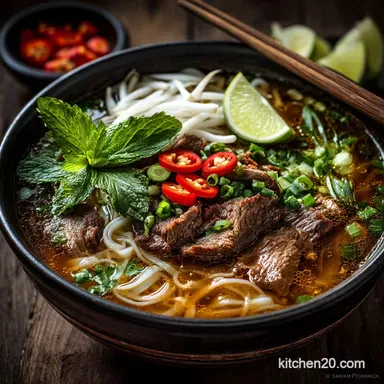
The Slow Simmer Secret a Deeply Aromatic Vietnamese Beef Pho Phở Bò
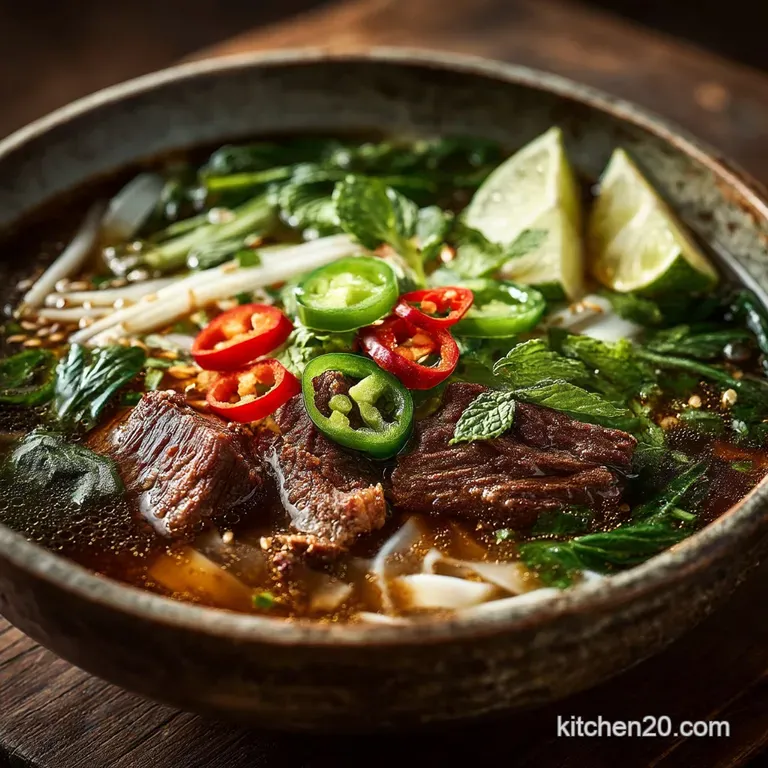
- Decoding the Soul of Vietnamese Pho: Why This Recipe Transcends Simple Soup
- Our Culinary Promise: Achieving Authentic Depth in Your Home Kitchen
- Assembling the Hallmarks: Essential Components for True Vietnamese Pho Flavor
- The Marathon Simmer: Mastering the Broth Extraction Process
- Preparing the Final Assembly: Slicing, Blanching, and Building the Bowl
- Maximizing Flavor: Pro Tips for Broth Enhancement and Customization
- Handling Leftovers: Storing and Reviving Your Hard-Earned Broth
- Recipe FAQs
- 📝 Recipe Card
Decoding the Soul of Vietnamese Pho: Why This Recipe Transcends Simple Soup
There are soups, and then there is Vietnamese Pho . To call it mere soup feels like calling a symphony a tune, it drastically undersells the depth, complexity, and sheer aromatic poetry contained within a single bowl.
Pho is the defining taste of Vietnam, a culinary institution perfected over generations. When you commit to making Homemade Pho , you aren't just cooking; you are participating in a ritual of patience and layering flavour that results in something truly transformative.
This isn't a quick weeknight fix; it is an investment in pure comfort, resulting in a Pho Noodle Soup that haunts your memory long after the last drop of broth is savoured.
Our Culinary Promise: Achieving Authentic Depth in Your Home Kitchen
Many home cooks shy away from attempting Authentic Pho Recipe preparation, believing the secrets are locked away in professional kitchens or bustling Hanoi street stalls. I’m here to demystify that process.
While the dedication required is significant, this is certainly not a 30-minute meal, the actual active work is minimal. Success hinges on the quality of your bones, the correct preparation of your aromatics, and, critically, the commitment to a long, slow simmer.
This guide focuses squarely on Phở Bò (Beef Pho), ensuring every component contributes to that signature, crystal-clear, deeply savoury essence that defines world-class Vietnamese Pho Soup .
What Makes This Phở Bò the Definitive Bowl?
The cornerstone of any magnificent Vietnamese Pho Recipe is the broth, it should be light enough to drink several bowls of, yet possess a profound beef flavour underscored by warm spices. Our approach prioritizes clarity and fragrance.
We achieve this by meticulously cleaning the bones before they ever meet the pot and by precisely charring our ginger and onions to unlock their inherent sweetness. The use of high-quality fish sauce and rock sugar balances the rich umami of the beef bones without overpowering the delicate spice profile.
A Brief History: From Hanoi Streets to Your Dining Table
The origins of Vietnamese Pho are generally traced back to Northern Vietnam, particularly Hanoi, in the early 20th century, influenced by both French culinary techniques (introducing beef consumption) and Chinese noodle traditions.
Over time, it evolved from a simple street breakfast into a nuanced dish. As it spread south, regional variations emerged; Southern Pho is often sweeter, served with a larger array of accompanying herbs and sauces, whereas the North tends toward a purer, cleaner broth profile.
Mastering this version brings you close to that pristine, foundational flavour.
Setting Expectations: Patience Equals Perfection in Pho Broth
Let’s be clear: you cannot rush exceptional Making Pho Broth . The magic happens between 6 and 8 hours of low, gentle simmering. Rushing this process by increasing the heat will cause proteins to seize and fat to emulsify, resulting in a cloudy, less refined liquid.
We are aiming for perfection, so clear your schedule, put on some good music, and enjoy the meditative process of watching the essence of beef slowly transform into liquid gold.
Assembling the Hallmarks: Essential Components for True Vietnamese Pho Flavor
To craft a truly memorable bowl, every ingredient must serve a distinct, powerful purpose, from the foundation of the bones to the final sprinkle of cilantro. We need richness, aroma, and seasoning balance.
Sourcing Superior Beef: Selecting Cuts for Maximum Broth Richness
For the stock, you need collagen and marrow, this provides body and mouthfeel. I recommend sourcing at least 4 pounds of a mix of beef marrow and knuckle bones from your butcher, along with one whole oxtail if possible, as oxtail adds incredible depth.
For the meat that you will serve in the soup, we use two types: a larger piece of flank or brisket that simmers gently for about 90 minutes until tender (this will be cooled, sliced, and served cooked), and a pound of raw eye of round or sirloin that must be sliced paper-thin to be cooked tableside by the boiling broth.
The Spice Satchel: Unlocking the Aroma (Star Anise, Cinnamon, and Beyond)
The fragrance of Pho is unmistakable, thanks to its precise blend of dry spices. Gather 6 whole star anise, 2 substantial cinnamon sticks (Cassia works well), 6 whole cloves, 1 large black cardamom pod (crucial for that smoky note), and a teaspoon each of coriander and fennel seeds.
These must be lightly toasted in a dry skillet until intensely fragrant, this step wakes up their essential oils, before being bundled into a muslin bag. This prevents tiny spice fragments from clouding your final Vietnamese Noodle Soup Recipes .
Essential Aromatics: Charring Ginger and Onion for Base Notes
The second pillar of aroma comes from fresh aromatics. Take one large yellow onion, halved (skin on is fine), and a generous 4-inch piece of ginger, halved lengthwise. These must be charred, either placed directly over a gas flame or under a very hot broiler, until the skins are blackened and the interiors are softened and smoky.
This charring removes any raw pungency and imparts a subtle, earthy sweetness vital to the overall profile.
Noodle Selection and Raw Toppings: The Finishing Flourishes
The noodles used are flat rice noodles, known as Bánh Phở , usually medium width for the best texture interaction with the broth. For the finishing touches, which elevate any Pho Tai Soup , ensure you have a vibrant array of fresh garnishes: lime wedges, fresh Thai basil, cilantro, and plenty of crisp bean sprouts.
These provide the necessary fresh, acidic counterpoint to the rich broth.
Related Recipes Worth Trying
- Seafood Lasagna My Creamy Easy Symphony Recipe — Dreaming of creamy seafood lasagna My
- Phonomenal How To Make Pho The Easy Way — Craving authentic How To Make Pho The easy way Ditch the takeout This homemade pho recipe delivers rich savory broth in hours not days My secret Charred...
- Wide angle macro photography chef: 5 Easy Ways to Create a Stunning Caprese Salad! — Discover how to impress as a wide angle macro photography chef! Elevate your Caprese salad with fresh ingredients and stunning presentation. Try it today.
The Marathon Simmer: Mastering the Broth Extraction Process
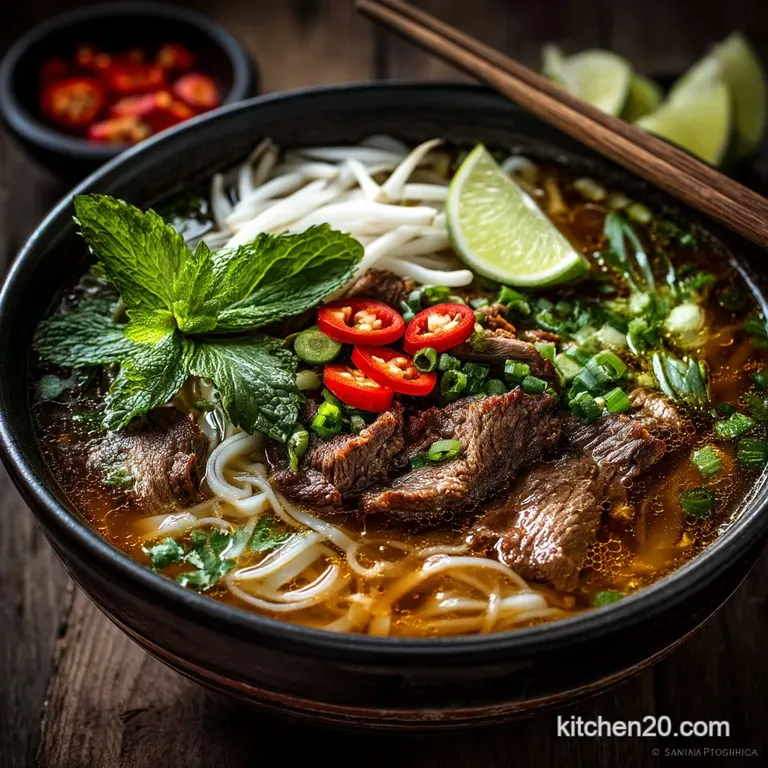
This is where the transformation truly occurs. Once the bones and the simmering meat (flank/brisket) are ready, we introduce the prepared aromatics and spices.
Step One: Initial Beef Rinse and Blanching for Clarity
Before any long cooking, the bones must be purified. Place all bones in a large stockpot, cover with cold water, and bring to a hard, rolling boil for exactly 15 minutes. You will see a massive amount of grey scum rise.
Drain everything, rinse the bones thoroughly under hot water, and wash the pot. Returning the now-clean bones to a clean pot signals the start of a truly clear broth.
Technique Spotlight: How to Perfectly Char Your Ginger and Onions
If using a gas stovetop, place the cut sides of the onion and ginger directly onto the burner grates over high heat. Turn them frequently until the outer layers are blistered and blackened, about 5 to 10 minutes total. If using a broiler, place them on a tray and broil until blackened.
Once charred, use a paring knife to scrape off the worst of the black bits, leaving the smoky layer intact.
The Long Wait: Simmering Times for Unforgettable Beef Pho Broth
Return the blanched bones to the pot, cover with fresh, cold water (about 6-8 quarts), and bring slowly to a simmer. Add the charred aromatics and the toasted spice satchel. Season with rock sugar and salt.
Maintain the absolute lowest simmer possible for a minimum of 6 hours, ideally 8. During the first hour, vigilantly skim any fat or scum that rises. After the simmering meat is cooked (about 1.
5 hours), remove it, shock it in ice water, refrigerate, and continue simmering the bones. In the final hour, remove the aromatics and spice bag. Season aggressively with high-quality fish sauce until the broth tastes intensely savoury, slightly salty, and balanced by the sugar, remember, this powerful flavour will mellow once combined with the noodles.
Strain meticulously through cheesecloth-lined sieve.
Preparing the Final Assembly: Slicing, Blanching, and Building the Bowl
The moment of truth arrives when you marry the fragrant liquid with the fresh components. Timing here is everything to ensure the noodles have the right bite and the raw beef cooks instantly.
Final Assembly: Layering Noodles, Beef, and Ladling the Liquid Gold
Divide your cooked, drained rice noodles into deep, pre-warmed bowls. Top artfully with slices of the cooled, cooked brisket/flank. Now, arrange your ultra-thin slices of raw eye of round steak over the top. The broth must be piping hot, boiling, in fact, when it hits the bowl.
Ladle it generously over the raw meat; the sheer heat instantly cooks the beef to a perfect medium-rare (this is how we prepare Pho Tai Soup ).
Maximizing Flavor: Pro Tips for Broth Enhancement and Customization
For true enthusiasts of Vietnamese Pho Soup , small tweaks can elevate the experience. If you find your broth slightly lacking in depth after straining, you can gently reheat it and stir in a touch more fish sauce, this concentrated umami is irreplaceable.
A small, secret boost for richness is to add the cleaned beef fat skimmed off the top during the first hour back into the simmering broth just before the final seasoning check; just ensure you strain it out again if you prefer a cleaner mouthfeel.
Handling Leftovers: Storing and Reviving Your Hard-Earned Broth
Any leftover broth should be cooled rapidly, skimmed of surface fat, and stored in airtight containers in the refrigerator for up to four days, or frozen for several months. When reheating, bring it slowly back to a bare simmer.
It will likely need a slight adjustment with salt or fish sauce after storage, as flavours can mute slightly upon chilling.
The Essential Garnishes: Lime, Herbs, Sriracha, and Hoisin Placement
The consumption experience is participatory. Serve the finished bowl alongside a platter of fresh garnishes. Encourage diners to squeeze in lime juice for acidity, tear in handfuls of Thai basil for anise notes, and add sprouts for crunch.
Hoisin and Sriracha should be placed on the side; traditionalists advise against mixing them directly into the main broth, preferring to dip the meat into small side dishes containing these condiments.
Troubleshooting Clarity: Why Your Broth Might Look Cloudy and How to Fix It
If, despite your best efforts, your broth appears cloudy, it means you boiled it too aggressively at some point, causing fats and impurities to emulsify. While it won't achieve textbook clarity, you can salvage the flavour.
Carefully strain the liquid through several layers of cheesecloth or a coffee filter set inside a sieve. This physical filtration will remove the suspended particles, leaving a much cleaner tasting, if slightly less visually perfect, final product for your Vietnamese Pho .
What to Do With Unused Brisket or Cooked Shank Meat
The cooked meat you removed after the initial simmer is already infused with the broth’s flavour. Don't waste it! Cool it, slice it thinly against the grain, and store it separately.
It is excellent served cold atop rice salads, thinly sliced into an acidic Vietnamese sandwich ( Bánh Mì ), or even used as filler for spring rolls.
Nutritional Snapshot: Understanding the Goodness in Your Bowl
Beyond being overwhelmingly delicious, a well-made Vietnamese Pho offers substantial nutrition. The long-simmered bones yield collagen, beneficial for joints and skin health. The broth provides hydration and minerals, while the inclusion of lean cuts of beef delivers high-quality protein.
Paired with the fresh herbs, it’s a surprisingly wholesome meal, provided you balance the sodium content from the fish sauce and salt.
Recipe FAQs
Why is my Vietnamese Pho broth cloudy instead of crystal clear?
Ah, the classic Pho conundrum! Clarity is everything, and cloudiness usually stems from boiling rather than simmering. If your stock boiled vigorously, the fat and impurities emulsify, making it murky.
To fix it next time, ensure you blanch the bones thoroughly first, and then keep the broth at the absolute lowest simmer, just a few lazy bubbles, throughout those long cooking hours.
Can I make Vietnamese Pho broth ahead of time, and how should I store it?
Absolutely, in fact, making the broth ahead is highly recommended! Once strained and cooled, you can refrigerate the broth for up to 5 days, or freeze it for up to three months. When freezing, leave a couple of inches of headspace, as liquids expand.
Just remember to skim off any solidified fat from the top before reheating to maintain that pristine flavour profile.
What's the trick to getting the raw beef to cook perfectly when I ladle the hot broth over it?
The key here is physics, my friend! You need the broth to be scorching hot, think volcanic temperatures, just before you pour. Furthermore, the raw beef (like eye of round) must be sliced paper-thin, almost translucent.
The intense heat of the broth cooks the thin slices instantly to a perfect medium-rare; any thicker and you’ll end up with chewy leather!
I can’t find rock sugar or black cardamom; what are the best substitutes for my Pho?
Don’t fret if you’re missing a few specialist items; we can improvise! Swap rock sugar for regular granulated white sugar, just start with a bit less, as it’s sweeter.
For the black cardamom, which adds that crucial smoky depth, you can substitute with two regular green cardamom pods plus an extra pinch of cinnamon, though the flavour won't be quite as broodingly complex.
Is there a decent vegetarian or vegan version of Vietnamese Pho available?
While traditional Vietnamese Pho is deeply rooted in beef or chicken stock, you can certainly create a brilliant vegan version! Substitute the bones with a hearty mix of roasted mushrooms (like shiitake and cremini), charred onions, and ginger.
Use a good quality vegetable stock or water, and ensure you season heavily with quality soy sauce or mushroom seasoning instead of fish sauce for that savoury "umami" punch.
How spicy should the finished Pho be, and when do I add the Sriracha and Hoisin?
Authentic Pho is not inherently spicy; it should be deeply savoury and aromatic, letting the spices shine through. The heat is left entirely up to the diner! Always serve Sriracha and Hoisin on the side, allowing everyone to customise their bowl, some folks like just a swirl of Hoisin, while others like to load it up.
It’s proper etiquette to add them into your own bowl, not the main pot!
The Ultimate Home Cooks Authentic Vietnamese Beef Pho Phở Bò