The Zest is Yet to Come Truly Authentic Argentine Chimichurri Sauce
- Unveiling the Magic: Why This Herbaceous Sauce Reigns Supreme
- The Essence of Argentine Grilling: A Deep Dive into Pure Chimichurri Flavor
- Assembling the Pantheon of Flavor: What You Truly Need
- Ingredient Deep Dive: Selecting the Perfect Components
- Crafting the Uncooked Masterpiece: Step-by-Step Assembly
- Techniques for Texture: Achieving That Signature Chunky Consistency
- Maximizing Your Sauce: Storage, Usage, and Creative Applications
- Troubleshooting & Flavor Tweaks: Making It Your Own
- Recipe FAQs
- 📝 Recipe Card
Unveiling the Magic: Why This Herbaceous Sauce Reigns Supreme
There are sauces that accompany a dish, and then there are sauces that define the experience. True Argentine Chimichurri falls firmly into the latter category.
This uncooked, utterly dazzling green condiment is the quintessential partner to fire kissed meats, offering a burst of freshness that perfectly balances richness and char. Forget heavy, creamy concoctions; this is pure, herbaceous vitality in liquid form.
It’s the secret handshake of South American barbecue culture, demanding only the freshest components to deliver its signature zing. Learning to master this vibrant sauce is less about following complex rules and more about understanding the harmony between sharp acidity, potent garlic, and aromatic greens.
The Essence of Argentine Grilling: A Deep Dive into Pure Chimichurri Flavor
The beauty of the traditional Chimichurri sauce recipe lies in its simplicity and its unapologetic brightness. It’s not a marinade; it’s a lively accompaniment spooned over the protein right before serving or after carving.
This approach preserves the integrity of the fresh herbs and ensures that every bite delivers that characteristic punch we crave. Understanding this context is key to creating a sauce that sings rather than whispers.
Beyond the Dip: Defining True South American Brightness
What separates an authentic sauce from a mere herbal dressing is the balance of acidity. A proper Chimichurri must be bright enough to cleanse the palate after a rich bite of fat and smoke. We rely heavily on quality red wine vinegar to provide this necessary tang.
This isn't just a flavour component; it acts as a tenderizer and preservative, ensuring the raw garlic and herbs maintain their aggressive, clean profiles. When you taste it, the initial impression should be sharp and invigorating, softening only as the olive oil rounds out the finish.
Why Fresh Herbs are Non-Negotiable for Optimal Pungency
While dried herbs have their place in slow cooked stews, they simply will not suffice for this application. The texture and volatile oils released by fresh flat leaf parsley and oregano are the bedrock of this Chimichurri recipe .
When chopped correctly, these leaves release aromatic compounds that give the vibrant chimichurri sauce its distinctive, slightly peppery, and deeply herbaceous character. Using dried herbs results in a dusty, muted flavour profile that misses the entire point of this lively condiment.
From Butcher Block to Table: The Perfect Pairing for Grilled Proteins
The most legendary pairing is, without a doubt, Chimichurri steak . The intense, fatty richness of grilled cuts like ribeye or flank steak begs for the herbaceous cut of the sauce. However, its versatility extends far beyond red meat.
This sauce performs equally brilliantly spooned over smoky Chimichurri chicken thighs, providing moisture and acidity, or used to enliven grilled white fish where it acts as a zesty salsa verde replacement. It transforms the ordinary grilled experience into something memorable.
Assembling the Pantheon of Flavor: What You Truly Need
Creating this exceptional Chimichurri sauce is an exercise in mindful selection rather than complicated cooking. We are aiming for approximately 1 ¼ cups of potent sauce, easily achieved in just 15 minutes of active preparation.
Because there is no cooking, every ingredient must be of the highest quality, as their flaws will be immediately apparent in the final product. You will need about two packed cups of fresh parsley, ¼ cup of fresh oregano, four substantial cloves of garlic, ½ teaspoon of red pepper flakes, 1 teaspoon of dried marjoram, ¾ teaspoon of fine sea salt, and ½ teaspoon of black pepper, all brought together with ¼ cup of red wine vinegar and ½ cup of your best Extra Virgin Olive Oil.
Ingredient Deep Dive: Selecting the Perfect Components
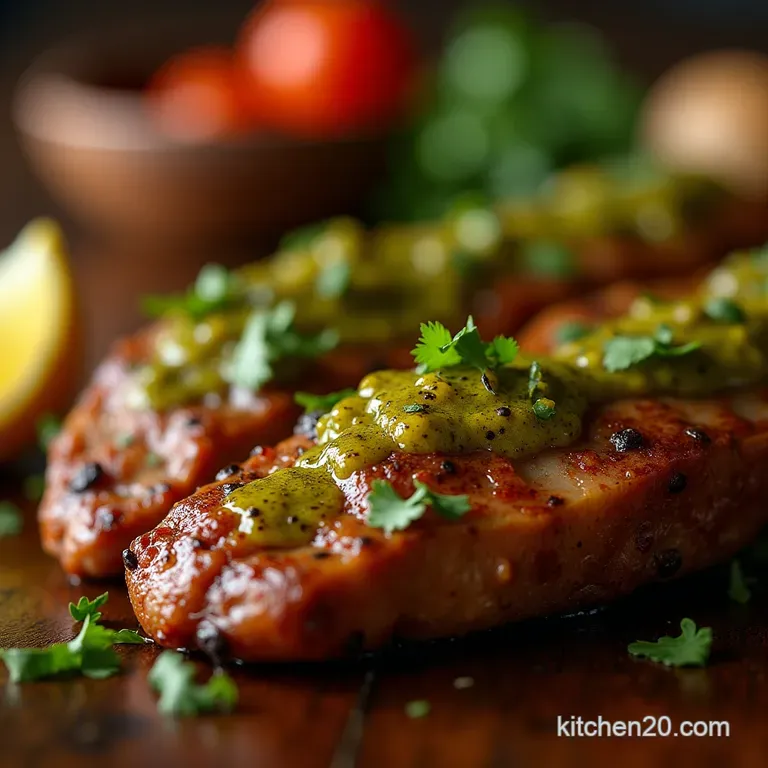
Success in this easy chimichurri recipe hinges on choosing components that complement each other’s raw power. Since we’re not hiding anything, we must respect each element.
The Essential Herbs: Balancing Parsley and Oregano Ratios
Parsley forms the bulk of the volume, providing a fresh, slightly grassy canvas. However, oregano is the signature flavour note that screams "South America." We use a ratio that heavily favors the parsley (about 8 parts parsley to 1 part oregano), allowing the oregano to provide that crucial sharp, slightly pungent background note without overpowering the entire batch.
Remember to strip the leaves from the tough stems of the parsley for a smoother texture.
Vinaigrette Fundamentals: Choosing Your Acidity and Oil Base
The acid choice is non-negotiable: red wine vinegar. Its specific tang profile is calibrated perfectly against the raw garlic. As for the oil, use a good quality Extra Virgin Olive Oil. Since it constitutes half the volume of the sauce, using a robust, fruity oil enhances the entire flavour matrix.
Do not substitute with a neutral vegetable oil; the flavour contribution of the EVOO is essential for a truly memorable Chimichurri .
Tool Kit Essentials: Chopping Methods Beyond the Food Processor
While a machine is fast, the best Chimichurri is made by hand. A very sharp chef’s knife allows you to mince the herbs and garlic finely without bruising them excessively. Bruising releases chlorophyll, which can lead to a dull, brownish green sauce over time.
If you must use a food processor, use the pulse function sparingly think 5-6 quick taps just enough to break everything down, never letting the blades run continuously.
Related Recipes Worth Trying
- The BEST Chimichurri Sauce Recipe Seriously Easy Fresh — My goto chimichurri sauce recipe This vibrant Argentinian sauce is bursting with fresh herbs flavor Perfect on steak veggies and more Get the easy recipe now
Crafting the Uncooked Masterpiece: step-by-step Assembly
The assembly process is direct but requires attention to layering the flavours correctly. Start by washing and thoroughly drying all your fresh herbs. Next, finely mince your garlic and chili components.
In a small mixing bowl, combine all your solids first: the painstakingly chopped parsley, oregano, garlic, marjoram, red pepper flakes, salt, and pepper. Stir these together to ensure the seasonings are evenly distributed amongst the herbs before any liquid is added.
Next, introduce the acidity. Pour in the ¼ cup of red wine vinegar and whisk hard for about 30 seconds. This brief agitation begins to wake up the garlic and softens the herbs slightly against the acid. Finally, slowly drizzle in the ½ cup of olive oil while continuing to whisk.
You are not aiming for a heavy emulsion, but rather a beautifully incorporated, slightly chunky suspension where the oil is evenly dispersed throughout the vinegar and herb mixture.
Techniques for Texture: Achieving That Signature Chunky Consistency
The texture of your Chimichurri sauce defines its authenticity. It should be looser than pesto, allowing it to be drizzled or spooned easily, yet substantial enough to cling to the grilled surface.
The Mincing Philosophy: Why Knife Work Matters for Chimichurri
The goal is a very fine mince almost sandy for the herbs, but still distinct enough that you can identify the individual components. This fine chop is crucial because it allows the oil and vinegar to penetrate the cell structure of the herbs efficiently, maximizing flavour transfer during the resting period.
If the pieces are too large, the sauce remains disparate oily on top, chunky on the bottom.
Infusion Time: Allowing the Aromatics to Marry Beautifully
This is perhaps the most overlooked step for anyone eager to serve their Chimichurri for grilled meat immediately. Cover the bowl and allow the sauce to rest at room temperature for a minimum of 30 minutes, though 1 to 2 hours is ideal.
This resting time is where the magic happens; the harshness of the raw garlic mellows, and the herbal notes fully infuse the liquid base, creating a complex, cohesive flavour profile.
Final Seasoning Check: Balancing Salt, Heat, and Tang
Once rested, perform a final taste test. The sauce should taste sharp and herbaceous first. If it tastes dull or flat, it usually needs more acidity add a small splash more vinegar. If the flavour feels muddy, a final pinch of salt will help lift all the brighter notes.
Adjust the heat (red pepper flakes) last, ensuring it provides a pleasant warmth on the finish rather than an overpowering burn.
Maximizing Your Sauce: Storage, Usage, and Creative Applications
The robust nature of this uncooked sauce means it stores beautifully, though the colour may dull slightly over several days.
The Shelf Life Secrets: Keeping Your Sauce Vibrant in the Fridge
Store leftover Chimichurri in a completely airtight jar in the refrigerator. It will keep well for up to two weeks. Before serving, always allow it to sit out at room temperature for about 20 minutes; this helps the olive oil loosen up and releases the aromas locked in by the cold.
You may need to give it a good stir or gentle whisk before use.
Beyond Beef: Pairing This Green Sauce with Fish and Starches
While it excels with Chimichurri steak , consider using this sauce in unexpected ways. It’s phenomenal tossed with roasted potatoes right out of the oven, acting as a bright dressing for grain bowls, or even spread thinly on a sandwich as a flavourful condiment instead of mustard.
It also pairs surprisingly well with rich seafood like grilled scallops or salmon.
Adjusting the Heat Index: Controlling the Chili Flake Intensity
For those who prefer a milder sauce, simply use less than the recommended ½ teaspoon of red pepper flakes, or omit them entirely for a non-spicy version. Conversely, for lovers of heat, consider substituting the dried flakes with a finely minced fresh red chili (like a Fresno or mild serrano), ensuring the seeds are included for maximum fire.
Nutritional Snapshot: Understanding the Fresh Benefits
Because this Chimichurri sauce recipe relies on fresh herbs and high-quality olive oil, it is dense in antioxidants and healthy monounsaturated fats. While rich in oil, it remains relatively low in sugar and carbohydrates, making it an excellent, guilt free way to add massive flavour to otherwise simple proteins.
Troubleshooting & Flavor Tweaks: Making It Your Own
Every batch is an opportunity to fine tune. Don't be afraid to experiment slightly once you’ve mastered the base recipe.
Troubleshooting: What if my sauce is too oily?
If the sauce looks separated or overly oily, it likely needs more acid to emulsify properly against the oil. Whisk in another teaspoon of red wine vinegar vigorously. The acidity acts as an emulsifying agent, helping bind the oil slightly better.
Flavor Tweaks: Adding Depth with Smoked Paprika
If you find yourself grilling pork or chicken, a fantastic variation involves adding ½ teaspoon of high-quality smoked paprika during the dry ingredient mixing stage. This provides a subtle, campfire esque smokiness that complements poultry and pork beautifully without overshadowing the fresh herbaceousness of the Chimichurri .

Recipe FAQs
Can I make Chimichurri ahead of time, or does it need to be used straight away?
That’s a smashing question! While you technically can use it immediately, you absolutely should let your Chimichurri rest. Letting it sit for at least 30 minutes, or even a few hours, allows the vinegar and garlic to properly infuse the herbs and oil, making it taste miles better.
My Chimichurri looks a bit grey after sitting for a day is it still okay to eat?
Don't panic, it happens! That slight dulling of colour is normal as the fresh parsley oxidises a bit, much like cutting up an avocado. It should still taste absolutely fine for up to a week in the fridge, sealed up tight.
For the brightest green possible, try to use it within 48 hours, or blitz it briefly just before serving.
What’s the best way to chop the herbs for authentic Chimichurri knife or food processor?
For the most authentic texture, grab your sharpest knife and hand chop everything very finely; we are aiming for something that resembles coarse sand, not mush. If you must use a food processor, pulse it very sparingly just a couple of quick bursts otherwise, you’ll bruise the parsley and end up with a wet, dull sauce.
I don't have red wine vinegar; what can I substitute in this Chimichurri recipe?
You need that acidic bite, so sherry vinegar is an excellent, very close second choice if you have some knocking about. If not, fresh lemon juice will do the trick, though you might need slightly more to achieve the same sharpness, as lemon is a tad milder than proper vinegar.
Is Chimichurri just for steak, or can I put it on other things?
Good heavens, no! While it's the king of steak toppings, this sauce is brilliant on almost anything grilled. Try it over roasted chicken, thick slices of grilled halloumi cheese, firm white fish, or even just stirred through some leftover boiled potatoes for an instant flavour boost. It's seriously versatile!
How long can I keep homemade Chimichurri, and does it freeze well?
Stored correctly in an airtight jar in the fridge, your Chimichurri will stay vibrant for about a week to ten days. Due to the high oil and vinegar content, it actually freezes surprisingly well!
Pop portions into ice cube trays; once frozen, transfer the cubes to a freezer bag and use them straight from the freezer onto hot food.
Authentic Argentine Chimichurri Sauce
Ingredients:
Instructions:
Nutrition Facts:
| Calories | 4026 kcal |
|---|---|
| Protein | 33.9 g |
| Fat | 24.5 g |
| Carbs | 305.5 g |
| Fiber | 154.3 g |
| Sodium | 42847 mg |
