Blistered Shishito Peppers with Quick Drizzle
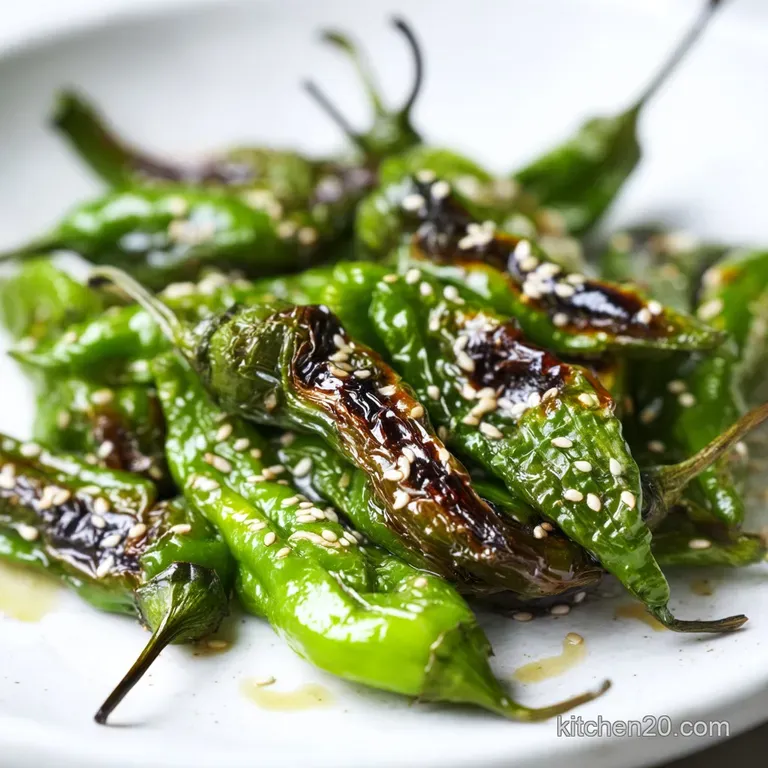
- The 5 Minute Appetizer: Understanding the Blistered Shishito Pepper
- Essential Components: Ingredients for Blistering and Drizzling
- How to Cook Blistered Shishito Peppers: Detailed Method
- The Science of the Perfect Char: Why High Heat is Essential
- Ensuring Success: Expert Tips and Troubleshooting the Cook
- Prep Ahead and Storage: Keeping Shishitos Fresh
- What to Pair with Blistered Shishito Peppers
- Recipe FAQs
- 📝 Recipe Card
The 5 Minute Appetizer: Understanding the Blistered Shishito Pepper
There are few cooking sounds as deeply satisfying as the searing crackle of skin meeting screaming hot oil. That sound is the secret to perfect Blistered Shishito Peppers , creating an appetizer that is textural heaven: slightly smoky, salty, and just tender enough to melt in your mouth.
Forget deep frying or slow roasting; this is pure, over high heat alchemy that produces tender peppers wrapped in a delicate, slightly charred blister.
I’m serious when I say this recipe is a lifesaver. It’s cheap, incredibly fast, and transforms a simple pepper into a sophisticated bite that everyone grabs first. You literally need three minutes of active cooking time.
If you want a ridiculously fast tapas option for unexpected guests, or just need to use up that bag of shishitos before they turn sad, this is your MVP.
We aren't just frying these peppers; we are actively trying to rupture the skin through extreme heat, which is why the technique is absolutely crucial. Once you nail the heat, creating truly exceptional Blistered Shishito Peppers becomes second nature, requiring almost zero effort.
Let’s crack on and get these ready in under twelve minutes flat.
Introducing the Shishito: Mildness and the Spicy Surprise
Shishito peppers are primarily characterized by their sweet, thin skins and low capsaicin level. This means 9 out of 10 peppers will be deliciously mild, grassy, and tender. Their flavor is subtle, making them the perfect canvas for rich flaky sea salt and bright dressings, exactly what we want when preparing these simple Blistered Shishito Peppers .
Why Blistering Beats Roasting: Texture vs. Flavor
Roasting, like you might do with bell peppers, works by softening the entire vegetable slowly. Blistering, however, is a quick surface reaction. By using high heat (usually 450°F or above on the stovetop), we rapidly vaporize the moisture just beneath the skin.
That pressure causes the skin to puff up and char rapidly, creating a lovely, smoky layer while keeping the interior flesh vibrant and slightly crisp. Roasting yields a floppy, soft pepper. Blistering gives you tender, smoky perfection.
Culinary Russian Roulette: Navigating the Heat Spectrum
Ah, the shishito gamble! If you’ve heard of the "spicy one," it’s true. Roughly one pepper in every ten to fifteen will have a surprising kick of heat, courtesy of a random concentration of capsaicin.
There’s no way to visually tell which one it will be, and honestly, that element of surprise is half the fun of serving Blistered Shishito Peppers . I once accidentally picked the spicy one on a first date. It was a memorable icebreaker, trust me.
Essential Components: Ingredients for Blistering and Drizzling
The beautiful simplicity of this recipe means we only need a few high-quality ingredients. Don't cheap out on the finishing salt or the oil; they matter here more than you realize.
Detailed Ingredient List (Quantity Checklist)
We are focusing on creating the perfect surface char, so dry peppers and high-quality oil are paramount for our Blistered Shishito Peppers Recipe .
| Ingredient | Role | Substitution (If Needed) |
|---|---|---|
| Shishito Peppers (8 oz) | The Star | Padrón Peppers (similar size/variance) |
| High Smoke Point Oil (2 Tbsp) | Heat Conductor | Canola or Peanut Oil (avoid butter/olive oil) |
| Flaky Sea Salt (1/2 tsp) | Finishing Touch | Coarse kosher salt |
| Low-Sodium Soy Sauce (1 tsp) | Umami Base | Tamari (GF) or Coconut Aminos |
| Fresh Lime Juice (1 tsp) | Brightness/Acid | Lemon juice (though lime is better) |
| Toasted Sesame Oil (1/4 tsp) | Nutty Depth | None recommended, skip if you must, don’t sub. |
Building the Quick Sesame Lime Drizzle (The Umami Component)
This drizzle is what takes these Blistered Shishito Peppers from basic bar food to something truly addictive. You need the savory depth of soy or Tamari, the sharp brightness of fresh lime, and just a tiny whisper of toasted sesame oil. Remember, toasted sesame oil is potent!
A quarter teaspoon is plenty for 8 ounces of peppers. Whisk it all together and set it aside before you even light the stove. We want everything ready when the peppers come off the heat.
Shishito Substitutions: Can I Use Padron Peppers?
Absolutely, yes. Padrón peppers are the closest culinary equivalent to shishitos, offering a similar thin skin and the occasional heat spike. If your market is out of shishitos, grab Padróns and follow this recipe exactly.
The cooking time for your Quick Blistered Shishito Peppers might be slightly shorter if the Padróns are on the smaller side. Just look for that beautiful char.
How to Cook Blistered Shishito Peppers: Detailed Method
The entire success of achieving a perfect blister depends on rapid execution. This is a great time to practice mise en place; everything must be measured and near the stove before you turn the heat on.
Prepping the Peppers (Washing and Drying Strategy)
This is the single most important step for non-floppy Blishtered Shishito Peppers . Wash your peppers well under cold water. Next, lay them out on a clean, absorbent tea towel or double layer of paper towels. Pat them vigorously until they are bone dry .
If they are even slightly damp, that moisture hits the pan, drops the temperature, and you get sad, steamed peppers instead of a lovely char.
Achieving Maximum Pan Temperature (The Key Setup Step)
Use a heavy bottomed skillet cast iron or carbon steel is ideal because they hold heat like champs. Place the pan over high heat, without oil, for 2– 3 minutes. We are aiming for smoking hot.
You should feel intense heat radiating when you hold your hand a few inches above the surface. Once hot, add the oil. It should shimmer immediately and start lightly smoking within 30 seconds. That means you are ready for your Blistered Shishito Peppers .
The Searing Process: Flipping and Char Strategy
Add the dried peppers to the screaming hot oil. Listen to that immediate, aggressive sizzle! Let them sit untouched for 1 to 2 minutes. We need that full surface contact to develop the blister. You’ll see the skin start to pucker, turn black in spots, and almost look inflated.
Crucial Tip: If you toss them too early, they won’t develop that intense blister and char. Let the first side achieve its maximum potential before moving them.
After the initial sear, use tongs to toss them frequently for another 2– 3 minutes until most of the surface is wrinkled and charred. The peppers should look slightly deflated but retain their bright green color.
Finishing Steps: Dressing and Immediate Seasoning
Remove the peppers from the pan immediately onto a serving plate. Do not leave them in the hot pan , or residual heat will turn them mushy. While they are still piping hot, scatter the flaky sea salt generously over them. The residual oil helps the salt adhere perfectly.
Finally, drizzle your prepared sesame lime dressing over the top. Serve your homemade Blistered Shishito Peppers right now!
The Science of the Perfect Char: Why High Heat is Essential
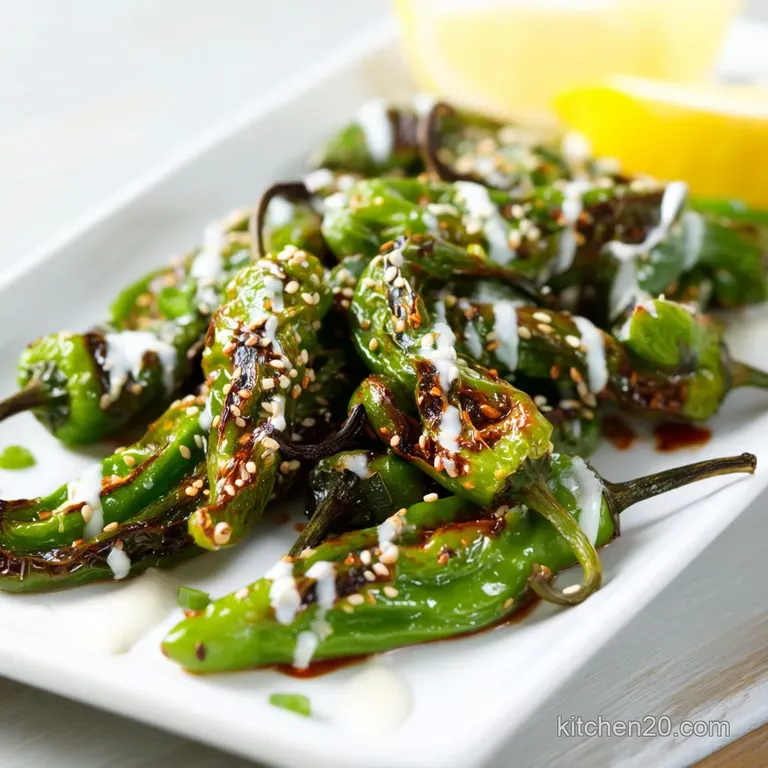
The perfect char we are after isn’t just aesthetic; it’s flavor. This technique is often called "dry frying" because we are using such high temperatures that the moisture evaporates instantly.
We use oil with a very high smoke point (like avocado or grapeseed) because olive oil would break down and taste bitter at these temperatures. The intense heat initiates rapid caramelization (Maillard reaction) on the outside, creating those deep, smoky, umami notes that make Blistered Shishito Peppers such a great appetizer.
If your pan wasn't smoking, you likely ended up with sautéed shishitos, which is fine, but not the same textural triumph!
Ensuring Success: Expert Tips and Troubleshooting the Cook
The Single Biggest Mistake: Overcrowding the Pan
I made this mistake countless times when I first started making Blistered Shishito Peppers . I’d try to cram a pound of peppers into one skillet. This lowers the temperature drastically, releases too much moisture all at once, and turns the entire batch into a steaming pile of sadness.
If you have more than 8 ounces, cook them in two separate batches. Your patience will be rewarded with superior texture.
Managing Uneven Blistering (Solving Common Pan Issues)
If you notice that the peppers in the middle of the pan are blistering much faster than those near the edges, it’s a heat distribution problem. This often happens with standard electric stoves or aluminum pans. Fix it by rotating the peppers from the edges into the center every time you toss them.
This ensures all the Blistered Shishito Peppers get equal time over the hotspot.
Chef's Secret for Extra Brightness (Focus on Zest or Final Squeeze)
To truly make your Blistered Shishito Peppers pop, don't just rely on the lime juice in the drizzle. Right before serving, grate a tiny bit of fresh lime zest over the top.
The oils in the zest are volatile and bright, hitting your palate instantly and contrasting beautifully with the smoky char and the salt.
Prep Ahead and Storage: Keeping Shishitos Fresh
How Long Do Cooked Shishitos Last in the Fridge?
Real talk: these are an "eat-now" food. They lose their gorgeous texture rapidly as they cool. If you have leftovers (which is rare, honestly), store them in an airtight container in the fridge for up to 3 days. They will be much softer and definitely won't have the blistered snap.
Reheating Tip: If you absolutely must reheat them, skip the microwave. Pop them back into a dry , hot skillet (medium high heat) for 60 seconds, just to warm them through. Adding oil at this stage will make them greasy. You just want them warm.
Do not try to freeze cooked Blistered Shishito Peppers —the texture will be completely ruined upon thawing.
What to Pair with Blistered Shishito Peppers
These are a fantastic starter, especially alongside other tapas items. If you are building a wider meal focused on peppers, I highly recommend serving them alongside a main like PanSeared Chicken with Peppers and Onions A Weeknight Rescue or the beautiful depth of my Perfectly Caramelised Sautéed Peppers and Onions Recipe .
The Role of Oil Smoke Point in Achieving Blistering
Choosing the right oil is half the battle when making Blistered Shishito Peppers . You need an oil that can handle 450°F+ temperatures without smoking heavily or breaking down into acrid compounds. I use grapeseed oil or avocado oil religiously here.
If you use standard olive oil, it will smoke immediately, taste burnt, and ruin the clean flavor of the pepper and the char. Save your fancy finishing olive oil for drizzling on bread, not searing.
Finishing Flakes: Why Sea Salt is Non-Negotiable
This is my hill to die on. Fine table salt disappears and tastes too aggressive. Coarse kosher salt is okay, but it still lacks that textural crunch. Flaky sea salt, like Maldon, provides a satisfying crunch and bursts of pure salinity that amplify the smoky char of the Blistered Shishito Peppers .
Don’t substitute it if you can help it!
Chef's Secret for Extra Brightness (Focus on Zest or Final Squeeze)
For a slightly different twist on your Blistered Shishito Peppers Dipping Sauce , you could skip the sesame oil and instead finish the dish with a quick, bright sauce similar to my soy-lime glaze over these Shishito Pepper Recipe: Sticky Soy-Lime Glaze Pintxos . It provides that sticky sweet element that contrasts beautifully with the smoky char.
How Long Do Cooked Shishitos Last in the Fridge?
As noted above, three days is your safe limit for leftover Blistered Shishito Peppers . But seriously, plan to eat them fresh off the pan. The flavor is brighter, the texture is superior, and the salt adheres better while they are hot.
Stop overthinking it, grab your tongs, and make the perfect batch of Blistered Shishito Peppers right now!
Recipe FAQs
Why aren't my shishito peppers blistering or charring properly?
The most common cause is insufficient heat; blistering requires a screaming hot pan, ideally cast iron, to achieve immediate char. Ensure the pan is preheated for several minutes before adding the oil and the peppers.
Also, avoid overcrowding the pan, as adding too many peppers at once will drastically lower the temperature.
My peppers seem steamed and soft rather than crispy and blistered. What went wrong?
This issue usually means the pan was overcrowded, trapping moisture and creating steam instead of allowing direct heat exposure. Use a large, heavy bottomed skillet and ensure there is sufficient space between the peppers; if necessary, cook the peppers in two separate batches.
Should I pierce or cut the shishito peppers before cooking them?
It is highly recommended to pierce each pepper once with a small knife or toothpick near the stem end before cooking. This crucial step allows steam to escape from the inside of the pepper. Without piercing, the internal steam pressure can cause the peppers to burst while cooking, splattering hot oil.
I don't have shishitos. Can I use other mild peppers like Padron or Biquinho peppers?
Yes, Padron peppers are an excellent and popular substitute, and they utilize the exact same high heat blistering technique. Biquinho peppers can also be used, but since they are smaller, you may need to reduce the cooking time slightly to prevent them from becoming overly soft.
What type of oil should I use for blistering the peppers at such high heat?
You must use an oil with a high smoke point to withstand the heat required for charring without burning. Recommended options include avocado oil, refined coconut oil, or grapeseed oil.
Avoid using extra virgin olive oil, as it has a low smoke point and will likely smoke excessively and burn before the peppers are properly blistered.
How should I store and reheat leftover Blistered Shishito Peppers?
These peppers are truly best enjoyed immediately, as they rapidly lose their characteristic blistered texture once cooled. If you do have leftovers, store them in an airtight container in the refrigerator for up to two days.
It is advised not to reheat them, but rather serve them chilled or at room temperature as a quick snack.
How can I make this dish spicier, or what are some easy dressing variations?
To increase the heat, try adding a pinch of finely ground chili flakes to the oil toward the end of the cooking process. For a different flavor profile, skip the sesame lime drizzle and finish the peppers with a spoonful of chili crisp oil and a generous sprinkle of toasted sesame seeds.
Alternatively, a simple balsamic glaze drizzle offers a lovely sweet and tangy contrast.
Blistered Shishito Peppers Recipe
Ingredients:
Instructions:
Nutrition Facts:
| Calories | 90 kcal |
|---|---|
| Protein | 1.5 g |
| Fat | 6.8 g |
| Carbs | 4.3 g |
