The Blood Orange Margarita: a Winter Sunset
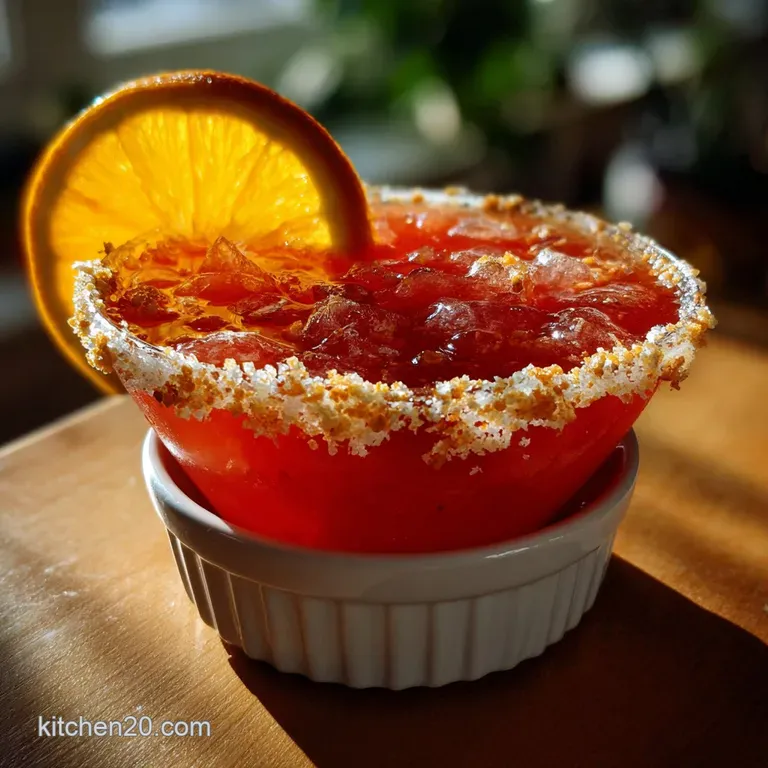
- The Blood Orange Margarita: A Proper Winter Sunset Cocktail
- The Science of the Perfect Margarita Balance
- Essential Components for the Winter Margarita
- Troubleshooting Ingredients & Substitutions
- Step-by-Step Method: Mixing Your Sunset Cocktail
- Expert Tips and Common Margarita Mistakes
- Elevating the Experience: Serving and Presentation
- Batching, Storage, and Preparation FAQs
- Recipe FAQs
- 📝 Recipe Card
The Blood Orange Margarita: A Proper Winter Sunset Cocktail
That deep, sultry, ruby red hue is exactly what we need when the weather turns grey, right? When you slice into a fresh blood orange, the smell alone is instantly transporting. This sophisticated twist on the classic lime drink the perfect Blood orange margarita —is bright, earthy, and totally vibrant.
It’s exactly the kind of homemade cocktail that makes you feel like a proper mixologist without needing any fancy degree.
Forget those cloying, overly sweet store-bought mixes that taste like a chemistry experiment. Making this specialty margarita at home is shockingly fast, incredibly easy, and miles cheaper than ordering one at a high end bar. It requires only five essential ingredients and five minutes of your time.
This recipe is your new winter lifesaver.
I went through a few disasters before I perfected the balance of tequila, tartness, and sweetness needed for this recipe. My early attempts were either too sour or way too syrupy, but I finally cracked the code to achieving that flawless, refreshing flavor.
Let’s crack on and make the absolute best Blood orange margarita you’ve ever tasted.
The Science of the Perfect Margarita Balance
The Seasonal Shift: Why Blood Oranges Perfect the Margarita
Blood oranges are wildly different from standard navels. They deliver a flavor that is far more complex, often described as having notes of raspberry or dark cherry beneath the usual citrus zing. This complexity demands a shift in the classic margarita formula.
Using blood orange juice allows us to achieve a beautiful, deep flavor profile that regular lime juice just can’t touch.
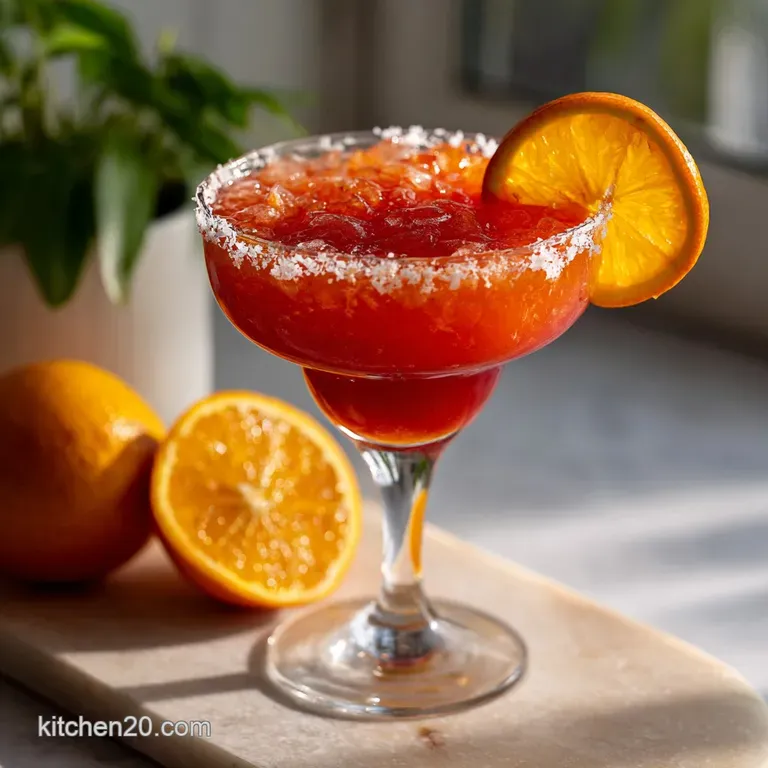
The rich color is a bonus, turning this simple drink into a visual masterpiece that looks like a literal winter sunset in your glass. When designing a new cocktail, I always try to highlight seasonal ingredients, and the limited availability of these gorgeous fruits makes this specialty margarita feel extra luxurious.
The Flavor Profile: Balancing Tartness, Sweetness, and Tequila Earthiness
Achieving balance in any cocktail is about managing the three main components: spirit, acid, and sweetener. The blood orange juice acts as both the acid and a partial sweetener, but it needs the sharpness of lime juice to keep the overall profile crisp.
Without that bit of lime, the blood orange can taste muddy or flat.
We pair this specific fruit with Blanco tequila, which is clean and earthy, ensuring the tequila doesn't overpower the delicate fruit notes. The result is a vibrant, balanced drink where every ingredient gets to shine.
Is the Blood Orange Margarita Difficult to Make? (Addressing Difficulty Level)
Absolutely not! If you can measure liquid accurately, you can master this. The only challenging part, if you can even call it that, is juicing the fruit fresh. It truly makes all the difference in the world.
The secret to success with any refreshing margarita recipe is consistency, which means using a jigger or precise measuring spoons. Don’t eyeball your tequila, folks. Trust me, I made that mistake enough times in college.
The 4:2:1 Ratio Explained: Adapting the Classic Formula
The standard margarita often follows a 4:2:1 ratio (4 parts tequila, 2 parts lime, 1 part Cointreau). Because blood oranges are less intensely sour than pure lime juice and vary widely in sugar content, we need to adapt.
For the perfect Blood orange margarita , I move closer to a 4:3:1.5 ratio, splitting the acid base between blood orange and lime.
My formula, listed in the recipe card, ensures enough fresh lime to keep the drink bright while maximizing the beautiful blood orange flavor. We slightly reduce the traditional liqueur amount and add a little extra agave nectar to adjust for the fruit's natural tartness.
Why Blanco Tequila is the Superior Base Spirit
Blanco, or silver, tequila is unaged, offering a clean, raw flavor profile of cooked agave. This purity is exactly what we need when mixing a delicate citrus cocktail like this easy Blood orange margarita .
A Reposado (aged) or Añejo tequila introduces oak and vanilla notes that, while delicious in a neat pour, tend to clash with the subtle fruit and brightness of the blood orange. Keep it crisp, keep it clean Blanco is the only way to go here.
The Role of Fresh Lime Zest (Not Just Juice) in Aroma
A common mistake people make is ignoring the zest. Citrus oils hold most of the fruit's aroma, which is key to how we perceive flavor. We use lime juice for the acidity, but grating a tiny bit of fresh blood orange zest into the salt rim is a game changer.
The aromatic oils hit your nose before you even take a sip, preparing your palate for that gorgeous, tart sweetness. Don’t skip this step it’s what separates a good Blood orange margarita from a great one.
Essential Components for the Winter Margarita
To make a truly superior Blood orange margarita pitcher recipe (or just a couple of servings), you need to commit to quality ingredients. This isn't a recipe to try and cheap out on the spirit or the liqueur.
- Fresh Blood Orange Juice: Must be freshly squeezed. Period.
- Blanco Tequila: 100% Agave. Non-negotiable.
- Cointreau: Or another high-quality orange liqueur.
- Fresh Lime Juice: Used for balancing the acidity.
- Agave Nectar/Simple Syrup: The necessary sweetener.
- Quality Ice: Large, dense cubes are preferred for shaking, as they dilute slower.
Troubleshooting Ingredients & Substitutions
When I first started blogging about cocktail recipes, I got tons of emails about finding specific ingredients. Don't stress if you're missing something; we can usually work around it!
Selecting the Best Blood Oranges for Max Flavor
Look for blood oranges that feel heavy for their size; this indicates juiciness. A darker red blush on the skin usually signals a deeper, richer interior color, though sometimes the most vibrant fruit looks ordinary on the outside.
Crucial Tip: Taste a small sample of your juice before you mix the drink. If the juice is already quite sweet, you need to pull back on the added agave nectar. If it’s super tart, you’ll likely need a splash more.
Tequila Choice: Blanco vs. Reposado for This Recipe
We talked about Blanco being superior, but what if you only have a bottle of Reposado sitting around? While Blanco is ideal for this refreshing margarita recipe, you can use Reposado, but expect a slightly smokier, heavier flavor profile.
It will still be a great Blood orange margarita , just perhaps less vibrant.
> Chef’s Note: Never, ever use a tequila that isn't 100% Agave. That’s the road to a guaranteed hangover and a terrible tasting cocktail.
Quality Orange Liqueur Matters: Cointreau vs. Triple Sec
Cointreau is my preference it’s clean, bright, and has a lovely proof. It really lets the blood orange shine. However, Grand Marnier works brilliantly if you like a richer, oakier, cognac based undertone.
If you must use Triple Sec, choose a highly rated, clear variety. I once tried to use the cheapest Triple Sec on the shelf, and the resulting margarita tasted chemically. Learn from my mistake!
Barware Essentials: Shakers, Jiggers, and Strainers
You need a good shaker. Whether you prefer the two-piece Boston shaker or the three piece Cobbler shaker, using one is mandatory. Shaking achieves the perfect level of chilling and dilution. A jigger (or any accurate measuring device) is also non-negotiable for success.
| Ingredient Needed | Viable Substitution | Notes on Flavor Change |
|---|---|---|
| Blood Orange Juice | Navel Orange + splash of Cranberry Juice | Loses some complexity, gains tartness from the cranberry. |
| Agave Nectar | 1:1 Simple Syrup (sugar dissolved in water) | Similar sweetness, less earthy/nutty flavor. |
| Cointreau | Grand Marnier or high-quality Clear Triple Sec | Grand Marnier adds depth; Triple Sec is lighter. |
What to Do If Blood Oranges Aren't Available
If you are craving a specialty margarita but blood oranges are completely out of season, don't despair. You can substitute high-quality Navel orange juice and add a small splash of cranberry juice. This mimics the beautiful ruby colour and injects some of the necessary tartness back into the mix.
If you’re leaning into the citrus mix, you might also be interested in my recipe for Non Alcoholic Christmas Punch: The Spiced Cranberry Orange Mocktail , which plays beautifully with similar winter citrus notes.
Simple Syrup Variations (Agave Nectar vs. Granulated Sugar)
Agave nectar is the traditional pairing for tequila and provides a mild, earthy sweetness. If you don't have it, simple syrup (equal parts sugar and hot water) is the standard alternative.
You could also try a dash of honey syrup (1:1 honey and water) for a richer mouthfeel, which works beautifully in this bold Blood orange margarita .
step-by-step Method: Mixing Your Sunset Cocktail
This is where the magic happens. Accuracy and vigor are key!
Step 1: Prep the Rim and Glassware
First, combine the sea salt, sugar, and finely grated blood orange zest on a plate. Take a lime wedge and moisten only the outer edge of your rocks glass. Dip the rim lightly into the salt mixture, twisting slowly to coat it evenly.
Step 2: Combine and Chill Ingredients
Fill your shaker halfway with solid ice cubes. Juice your blood oranges and limes immediately before mixing, straining out any excessive pulp or seeds. Measure and pour the tequila, blood orange juice, Cointreau, lime juice, and agave nectar into the shaker.
Step 3: The Proper Shake
Secure the lid tightly. Now, shake it like you mean it! You need to shake vigorously for a full 15 to 20 seconds. The outside of your shaker should be completely frosted over. This aggressive shake ensures proper chilling and crucial dilution. If you shake too gently, the drink will taste sharp and warm.
Step 4: Strain and Serve
Remove the shaker lid. Place a fine mesh strainer over your glass (the 'double strain' technique). Pour the gorgeous cocktail mixture through the strainer into the prepared, salt rimmed glass. This removes any fine bits of ice or stubborn pulp. Garnish with a fresh blood orange wheel, and serve immediately.
Enjoy your perfect Blood orange margarita !
Expert Tips and Common Margarita Mistakes
Making specialty margaritas is easy once you know the few common pitfalls to avoid.
Prepping the Rim: Salting Techniques That Stick
The worst is when your beautiful salt rim crumbles off instantly. The secret is moistening the rim just enough to make it tacky, but not so wet that the salt dissolves into the drink. Only moisten the outer lip of the glass.
I find that a lime wedge works better than water because the stickiness of the juice holds the salt better.
Extracting Maximum Juice Without Bitterness
To get the most juice, roll the blood oranges and limes firmly on the counter before slicing. When juicing, stop right before you hit the white pith. The pith holds the bitter compounds that can completely ruin the beautiful flavor of your Blood orange margarita .
The Optimal Shake for Perfect Dilution
Seriously, shake hard! The speed and intensity of the shake are what break down the ice structure quickly, chilling the drink down to sub-zero temperatures and creating the ideal level of water dilution. A cold, well diluted margarita is far smoother than a sharp, warm one.
The Double Strain Technique for a Smoother Drink
If you’re using fresh citrus, some pulp, foam, or small ice shards will invariably remain. I always double strain pouring the cocktail through the shaker's built-in strainer and then through a small, fine mesh sieve resting over the glass.
This ensures your final Blood orange margarita is silk smooth and crystal clear.
Troubleshooting a Too-Sweet or Too-Tart Margarita
If your finished drink is too tart, add a quarter ounce of simple syrup and shake again briefly. If it's too sweet, add a quarter ounce of fresh lime juice. Small adjustments make a huge difference, so taste testing is critical before serving a whole batch.
The Importance of Chilling Your Glassware
A cold drink stays cold longer in a chilled glass. If you have time, stick your serving glasses in the freezer for ten minutes before assembling the drinks. It's a small detail that drastically improves the enjoyment of any cocktail served "on the rocks."
Elevating the Experience: Serving and Presentation
A stunning drink deserves a stunning presentation. This is the fun part!
The Perfect Pairing: Appetizers That Complement Citrus and Tequila
Because this Blood orange margarita has a great balance of sweet, tart, and earthy notes, it pairs beautifully with spicy, savoury food. Think vibrant Mexican or Tex-Mex appetizers. Spicy fish tacos, carnitas, or even a salty, rich queso dip work wonderfully.
While we aren't talking about poultry here, if you enjoy complementary orange flavors in mains, my Vintage Fresh Cranberry Orange Relish: The 15 Minute No-Cook Classic uses similar citrus combinations that might inspire your menu!
Garnishing with Blood Orange Wheels and Twists
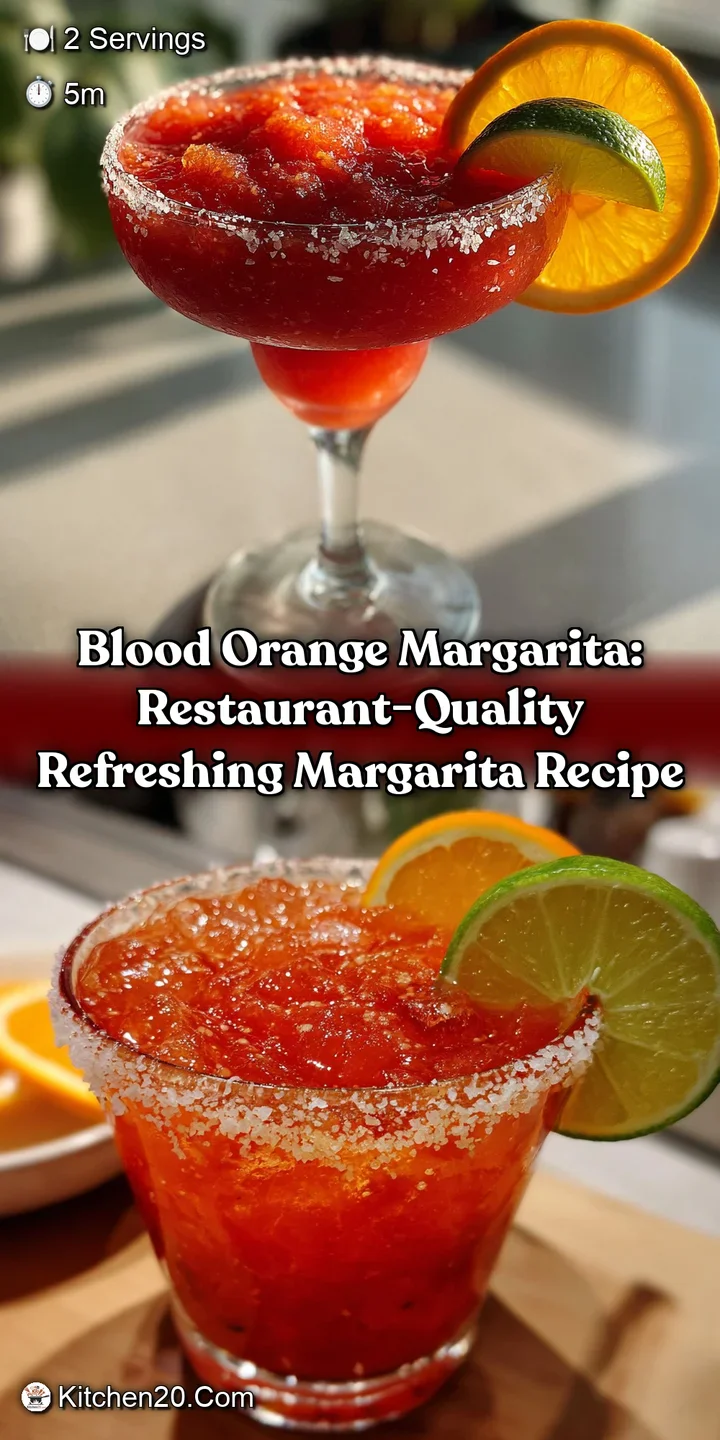
The best garnish is simple: a thin wheel or wedge of fresh blood orange placed right on the rim. The deep colour is truly all the décor this drink needs. You can also use a vegetable peeler to shave a twist of peel, then squeeze it over the finished drink to release its oils before dropping it in.
Choosing the Right Salt: Flaky Sea Salt vs. Standard Kosher
I highly recommend using flaky sea salt or coarse kosher salt for the rim. Table salt is too fine and too overwhelmingly salty. Mixing the salt with sugar and zest, as we did in the prep step, adds a beautiful complexity that complements the rich flavor of the Blood orange margarita .
Batching, Storage, and Preparation FAQs
Scaling Up: How to Pre-Batch the Blood Orange Margarita Mix
If you’re hosting a crowd, you can easily pre-batch the mix. Simply multiply the non-alcoholic ingredients (blood orange juice, lime juice, Cointreau, agave nectar) by the number of servings needed.
Do NOT add the tequila yet. Store the mix in the fridge for up to three days. When serving, add the measured tequila and shake vigorously with ice, or mix in the tequila directly to the pitcher and serve over fresh ice. If you want to dive deeper into the basics, check out my recipe for Margarita Mix: The Ultimate Fresh Lime Agave Recipe .
Storage Lifespan of Freshly Squeezed Citrus Juices
Freshly squeezed citrus juice, especially blood orange and lime, starts to lose its vibrant flavor after about 24 hours. While safe to drink for 3 4 days, the cocktail will taste noticeably duller. For the absolute best, most refreshing margarita recipe, use the juice immediately.
Can I Freeze a Margarita Mix?
You bet! You can freeze the non-alcoholic mix (juices, liqueur, and sweetener) in an airtight container for up to three months. When you're ready to use it, thaw it completely and proceed with the recipe, adding the tequila just before shaking and serving.
This is a brilliant way to save that gorgeous blood orange juice when the fruit is abundant. Enjoy this incredible Blood orange margarita —it’s pure liquid joy!
Recipe FAQs
Can I use regular navel orange juice if I can't find blood oranges?
Yes, you can substitute, but the flavor profile will change significantly. Regular oranges lack the distinct tart berry undertone of the blood orange, making the final drink less complex. If substituting, you may need to reduce the added sweetener slightly, as navel oranges are typically sweeter.
My margarita tastes too sweet. How do I fix the flavor balance?
The sweetness level depends highly on the ripeness of your blood oranges. To correct an overly sweet mix, add small increments of fresh lime juice until the tartness balances the sugar. If the mixture is already diluted, add a half shot of Blanco tequila to restore body and necessary sharpness.
How far ahead can I batch this recipe for a party?
You can pre-mix the base (tequila, blood orange juice, lime juice, and sweetener) up to 24 hours in advance and store it tightly sealed in the refrigerator. However, always chill the mixture thoroughly and shake individual servings with ice just before serving, as oxygen exposure dulls the flavor rapidly.
What is the recommended tequila choice for this recipe?
A high-quality Blanco (silver) tequila is preferred, as its clean, earthy notes allow the complex fruit flavors to shine without interference. Avoid overly aged Añejos, as their oak and vanilla notes can clash with the bright profile of the blood orange and lime.
Look for tequilas marked "100% Agave" for the best result.
What is the best way to salt the rim, and what salt should I use?
The best method is to lightly moisten only the outer rim of the glass with a blood orange wedge and then roll it in fine flake sea salt or kosher salt. For an elevated touch, blend the salt with dried blood orange zest or a small pinch of smoked paprika for a visually stunning finish.
Can I use agave nectar instead of simple syrup?
Absolutely, agave nectar is a traditional and excellent substitute, particularly since it is derived from the same plant as tequila. Note that agave is significantly sweeter than standard simple syrup, so you should use about 60% to 75% of the volume called for in the recipe.
Can I turn this recipe into a frozen or blended margarita?
Yes, this recipe works beautifully frozen, but you will need to increase the volume of ice significantly to compensate for the high juice content. Ensure all liquids are pre-chilled, and blend until just smooth, adding 1/4 ounce of additional lime juice to maintain flavor intensity when diluted by the crushed ice.
Blood Orange Margarita Recipe
Ingredients:
Instructions:
Nutrition Facts:
| Calories | 235 calories |
|---|---|
| Fat | 0 g |
| Fiber | 1 g |
