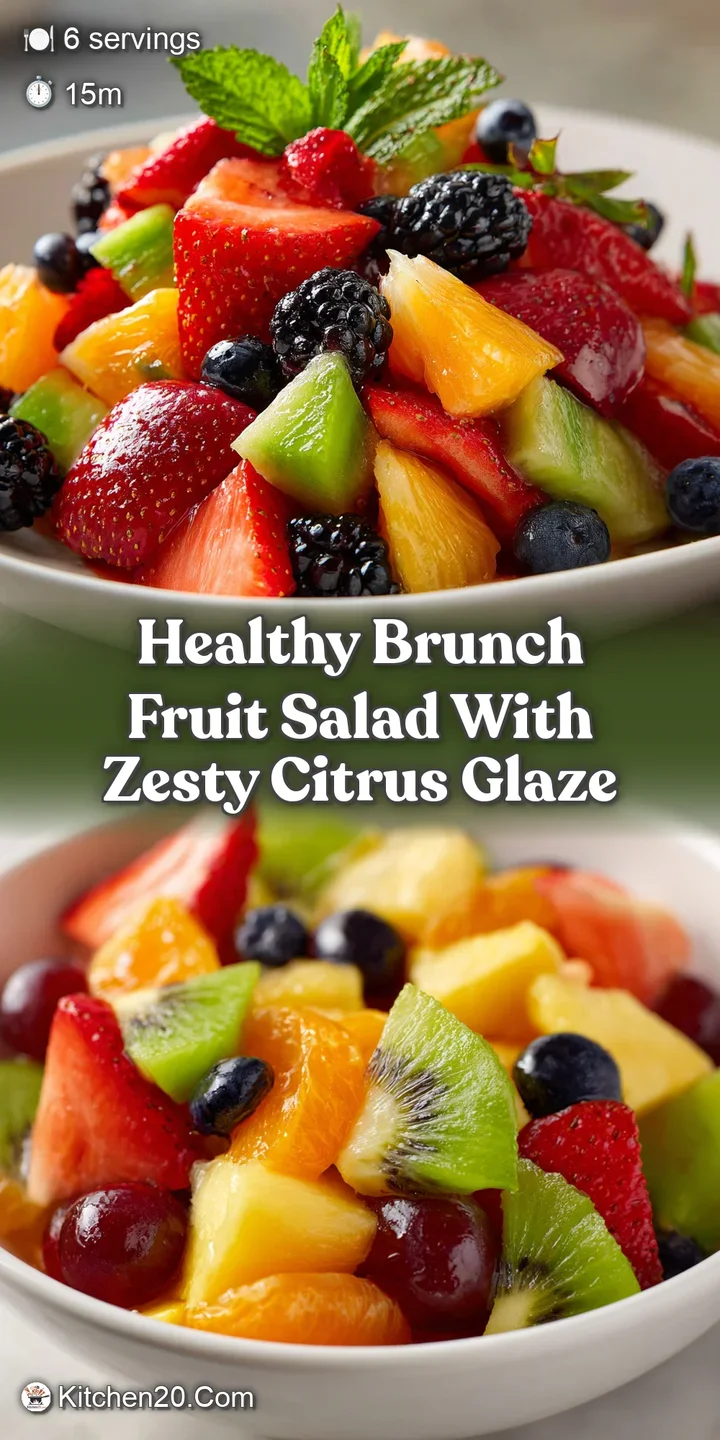
Healthy Brunch Fruit Salad with Citrus Glaze
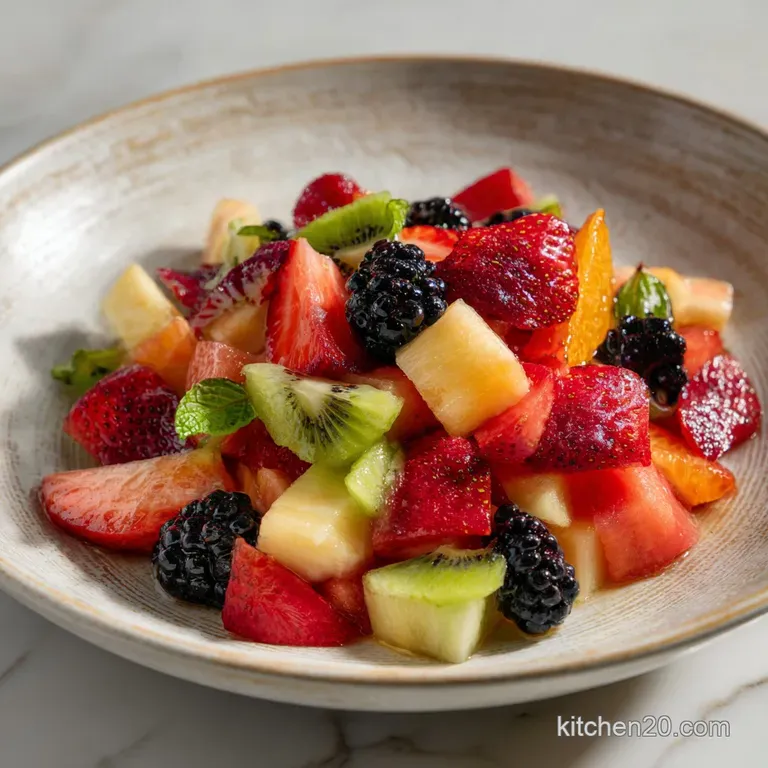
- Time: Active 15 minutes, Passive 0 mins, Total 15 minutes
- Flavor/Texture Hook: Zesty citrus glaze with a crisp, refreshing crunch
- Perfect for: Hosting a weekend gathering or meal prepping for weight loss
Healthy Brunch Fruit Salad Masterclass
Have you ever stood in front of a brunch buffet and seen that sad, graying bowl of fruit at the far end of the table? I used to be the person who brought that. I would chop everything the night before, toss it in a bowl, and by 11:00 AM, the berries were mush and the apples looked like they had seen a ghost.
It was a watery, uninspiring mess that nobody actually wanted to eat.
Everything changed when I stopped treating fruit salad like a "dump and stir" job and started seeing it as a platform for texture and chemistry. The secret isn't just picking the right fruit; it's about how you connect the flavors without drowning them in heavy syrups.
Now, when I set this Healthy Brunch Fruit Salad down, the room actually goes quiet for a second because it looks so fresh and alive.
We're moving beyond the standard melon heavy fillers that plague most recipes. We're talking about a sharp hit of fresh ginger, the perfume of chiffonaded mint, and a citrus glaze that actually protects the fruit instead of breaking it down.
It’s light, it’s snappy, and honestly, it’s revolutionizing how I think about breakfast sides. Let's get into how we keep things crisp and connected.
Why This Method Works
- Osmotic Control: Adding a blend of lime and orange juice creates a pH balanced environment that slows down the cellular breakdown of softer berries like strawberries and blueberries.
- Enzymatic Inhibition: The high Vitamin C content in the citrus juices prevents polyphenol oxidase, which is the chemical reaction that turns your apples and kiwis brown upon contact with oxygen.
- Aromatic Connection: Grated fresh ginger contains gingerol, a compound that stimulates the palate and acts as a flavor bridge between the sweet melon and the tart berries.
- Texture Layering: By combining dense Honeycrisp apples with softer kiwis and juicy grapes, we create a varied mouthfeel that prevents the salad from feeling one note or mushy.
| Premium Ingredient | Budget Alternative | Flavor Impact | Savings |
|---|---|---|---|
| Honeycrisp Apple | Fuji or Gala Apple | Still sweet, but slightly softer texture | Save €1.20 |
| Fresh Ginger | Ground Ginger | Earthier tone, loses the sharp "zing" | Save €1.50 |
| Fresh Mint Leaves | Fresh Basil | Herbal and refreshing, but more savory | Save €0.80 |
Choosing the right fruit is only half the battle; how you treat those ingredients determines if they stay crispy or turn into a puddle. If you're looking for something more savory for a summer gathering, my Kidney Bean Salad recipe is a total crowd pleaser that uses similar principles of acid and texture.
Essential Components Analyzed
| Component | Science Role | Pro Secret |
|---|---|---|
| Lime & Orange Juice | Acidic sealant | Use room temperature citrus to extract the most juice |
| Fresh Ginger | Enzymatic bridge | Grate it while frozen to get a fine, velvety paste |
| Honeycrisp Apple | Structural anchor | Keep the skin on for extra fiber and color contrast |
| Fresh Mint | Volatile aromatic | Slice at the very last second to prevent the edges from turning black |
The chemistry here is simple but effective. The lime juice acts as a natural preservative, while the orange juice provides enough natural sugar to balance the tartness without needing honey or maple syrup. This keeps the recipe firmly in the "healthy" category while still feeling like a treat.
Tools for Success
You don't need a high tech lab to make this, but a few specific tools will make the process much smoother. First, a sharp chef's knife is non negotiable. If you're hacking at a strawberry with a dull blade, you're crushing the cell walls and releasing juice before it even hits the bowl.
A microplane or a fine grater is also essential for the ginger and lime zest. You want the ginger to disappear into the dressing, providing heat and fragrance without someone biting into a woody chunk. Finally,, use a large glass or ceramic mixing bowl.
Metal bowls can sometimes impart a tiny metallic taste when reacting with high acid dressings like our lime and orange infusion.
step-by-step Guide
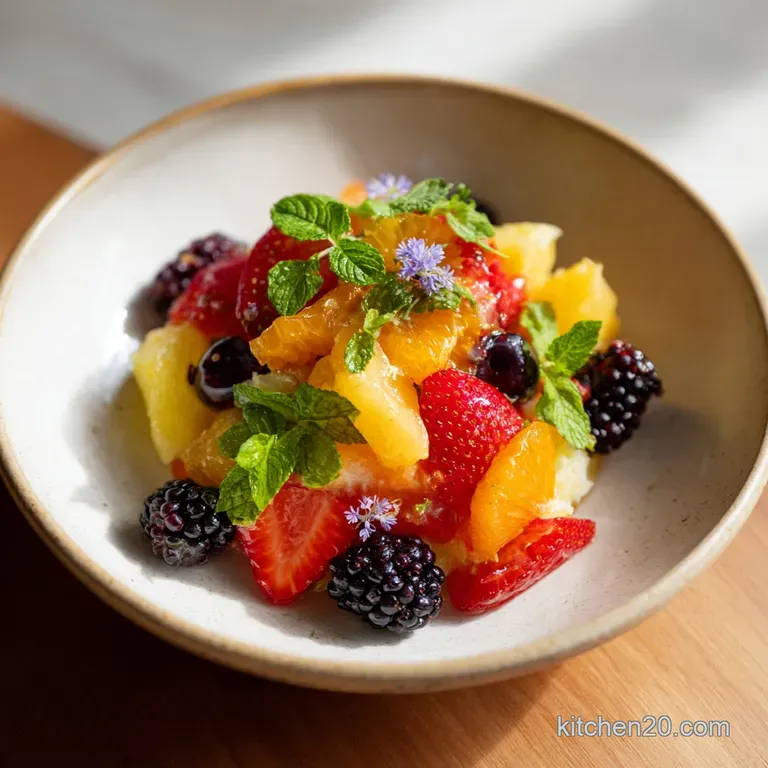
Preparing the Fruit Base
- Wash all produce thoroughly under cold water and pat dry with a clean towel. Note: Excess water on the surface will dilute your citrus dressing and lead to sogginess.
- Hull the 2 cups of fresh strawberries and cut them into quarters.
- Slice the 2 large kiwis into rounds, peel them, and then cut the rounds into half moons.
- Dice the 2 cups of cantaloupe or honeydew into uniform 2.5 cm (1 inch) cubes until you have a pile of geometric, orange or green squares.
- Halve the 1 cup of grapes vertically to expose the juicy interior.
- Core and dice the 1 crisp Honeycrisp apple into 1.5 cm pieces, leaving the skin on for texture.
Whisking the Bright Citrus
- In a small separate jar, combine the juice and zest of 1 large lime with 2 tbsp of unsweetened orange juice.
- Grate 0.5 tsp of fresh ginger directly into the juice and whisk vigorously until the ginger is fully integrated and the liquid looks cloudy.
Folding and Finishing
- Place all prepared fruit into your large mixing bowl and drizzle the citrus ginger dressing over the top.
- Use a large silicone spatula to gently fold the fruit from the bottom up until every piece is shimmering with a thin coat of glaze.
- Sprinkle the 1 tbsp of finely chiffonaded mint over the top just before serving until the aroma of menthol hits your nose.
Troubleshooting Common Issues
Preventing a Watery Bottom
If you find a pool of liquid at the bottom of your bowl, it's usually because the fruit sat too long after being salted or dressed. Fruit is mostly water, and sugar (or even natural acids) can draw that water out through osmosis.
To avoid this, always dress the salad no more than 30 minutes before you plan to eat it.
Another culprit is the choice of fruit. If you use overripe melons or very soft berries, they will lose their structure the moment they touch the acidic lime juice. Stick to firm, just ripe produce for the best results.
| Problem | Root Cause | Solution |
|---|---|---|
| Apples turning brown | Delayed dressing application | Toss apples in the lime juice immediately after dicing |
| Salad tastes "flat" | Lack of aromatic contrast | Increase the fresh ginger or add a tiny pinch of sea salt |
| Mushy strawberries | Fruit was overripe or cut too small | Use firm berries and keep them in large quarters |
Common Mistakes Checklist
- ✓ Never use frozen fruit for this salad; the thawing process destroys the cell walls and creates a mushy texture.
- ✓ Don't skip the lime zest; the oils in the skin carry more flavor than the juice itself.
- ✓ Avoid dicing everything into tiny pieces; larger chunks (2.5 cm) retain their individual flavors better.
- ✓ Ensure the ginger is grated finely; nobody wants to chew on a spicy fiber strand in their fruit bowl.
- ✓ Wash your mint only right before cutting to prevent it from wilting in the bowl.
Scaling for the Crowd
When you're hosting a massive brunch and need to double or triple this recipe, don't just multiply everything blindly. For the fruit, a 1:1 ratio works perfectly. If you're doubling the recipe to 12 servings, use 4 cups of strawberries and 4 cups of melon.
However, be careful with the dressing and aromatics. If you triple the recipe, don't triple the ginger. Start with 1.5x the ginger (about 0.75 tsp) and taste it. Ginger can quickly become overpowering in large quantities. The same goes for the lime juice; you want just enough to coat, not a soup.
This salad provides a brilliant, fresh contrast to the heavier elements of a breakfast spread. It pairs beautifully with the savory, salty notes found in my Sunny Mediterranean Pasta Salad recipe, making for a balanced buffet line.
| Aspect | Fast Prep (This Recipe) | Classic Macerated Salad |
|---|---|---|
| Prep Time | 15 minutes | 30 minutes + 2 hours resting |
| Texture | Crisp, distinct pieces | Soft, jam like, syrupy |
| Nutrient Profile | Max Vitamin C retention | Some loss due to oxidation over time |
Styling Your Salad
Simple Presentation
For a casual family breakfast, serve the salad in a large, wide wooden bowl. The natural wood tones make the greens of the kiwi and the reds of the strawberries pop. Keep the mint leaves whole or roughly torn for a rustic, "home cooked" look.
Polished Presentation
If you're hosting a bridal shower or a formal brunch, serve the Healthy Brunch Fruit Salad in individual glass coupes or martini glasses. This prevents the fruit from being crushed under its own weight and makes each guest feel like they have a specially crafted appetizer.
Restaurant Level Presentation
To really channel that high end bistro energy, use a ring mold to stack the melon and apples in the center of a flat white plate. Arrange the sliced kiwis and halved grapes around the base in a precise circle. Finish with a drizzle of the leftover citrus juice from the bowl and a single, perfect mint sprig at the apex.
| Level | Component | Change |
|---|---|---|
| Polished | Fruit Cut | Matchstick apples instead of cubes |
| Restaurant | Dressing | Strain the ginger pulp for a clear glaze |
| Restaurant | Garnish | Add a few edible pansies for color |
Busting Fruit Myths
One common misconception is that you should always add sugar to "bring out the juices." While this creates a syrup, it also draws out so much moisture that the fruit becomes flaccid within twenty minutes.
In a truly healthy recipe, the natural sugars in the orange juice and the ripe melon are more than enough to satisfy the palate without compromising the crunch.
Another myth is that citrus juice will "cook" the fruit like a ceviche. While acid does affect proteins, it doesn't "cook" fruit in the same way. It actually helps maintain the color of the fruit by preventing oxidation.
The only thing to watch out for is leaving citrus on delicate berries for more than 4 hours, as they may begin to soften.
Storage and Waste Tips
Storage: This salad is best eaten within 1 hour of assembly. If you have leftovers, store them in an airtight glass container in the fridge for up to 24 hours. Note that the texture will be softer the next day.
I don't recommend freezing this salad as a whole, as the melon and kiwis will become mealy when thawed.
Zero Waste: Don't throw away those strawberry tops or lime shells! Throw the strawberry hulls into a pitcher of water for a subtle fruit infusion. The spent lime and orange halves can be simmered with a bit of water and a cinnamon stick to create a natural stovetop potpourri that makes your entire kitchen smell like a spa.
If the fruit does get a bit too soft the next day, simply toss the whole mixture into a blender with a splash of coconut water for a phenomenal breakfast smoothie. It’s all about staying connected to your ingredients and making sure nothing goes to waste.
Recipe FAQs
Can I prepare this fruit salad completely the night before?
No, this recipe requires final assembly shortly before serving. The citrus dressing works to protect the fruit, but leaving the mixed salad overnight will still cause the softer berries to break down and weep liquid.
How to keep apples from turning brown in a fruit salad?
Toss the diced apples immediately in the citrus dressing containing lime juice. The acid in the lime juice inhibits the oxidation enzymes responsible for browning; the same principle of surface passivation works brilliantly when you are baking, as seen in our Banana Bread recipe.
Is it necessary to use fresh ginger, or can I use dried ground ginger?
No, fresh ginger is crucial for this flavor profile. Ground ginger lacks the volatile oils that provide the sharp, aromatic "zing" this salad requires; fresh ginger acts as a bright flavor bridge between the sweet and tart components.
How do I stop the berries from getting mushy or bleeding color?
Use the firmest, freshest berries possible and cut them into larger pieces. Soft berries release cell liquid rapidly when exposed to acid; by quartering strawberries instead of dicing them, you minimize surface area contact with the dressing.
What is the secret to achieving a crisp, non-watery fruit salad texture?
Control the osmotic pressure and dress immediately before serving. Osmosis draws water out when fruit sits in a liquid too long, so dress the salad no more than 30 minutes prior to consumption to maintain structural integrity.
What kind of melon works best if I can't find cantaloupe?
Use honeydew or firm watermelon if cantaloupe is unavailable. Aim for melons with dense flesh that can hold their shape against the dressing; very soft, watery options will quickly disintegrate into the bowl.
What can I serve alongside this salad for a complete, balanced brunch?
Pair it with a savory protein or a baked good for balance. This bright, acidic salad cuts through richness beautifully, making it a great counterpoint to heavier baked items like our Healthy Applesauce Oat Muffins recipe.
Brunch Fruit Salad With Citrus
Ingredients:
Instructions:
Nutrition Facts:
| Calories | 101 kcal |
|---|---|
| Protein | 1.6 g |
| Fat | 0.6 g |
| Carbs | 25.4 g |
| Fiber | 4.0 g |
| Sugar | 18.3 g |
| Sodium | 6 mg |
