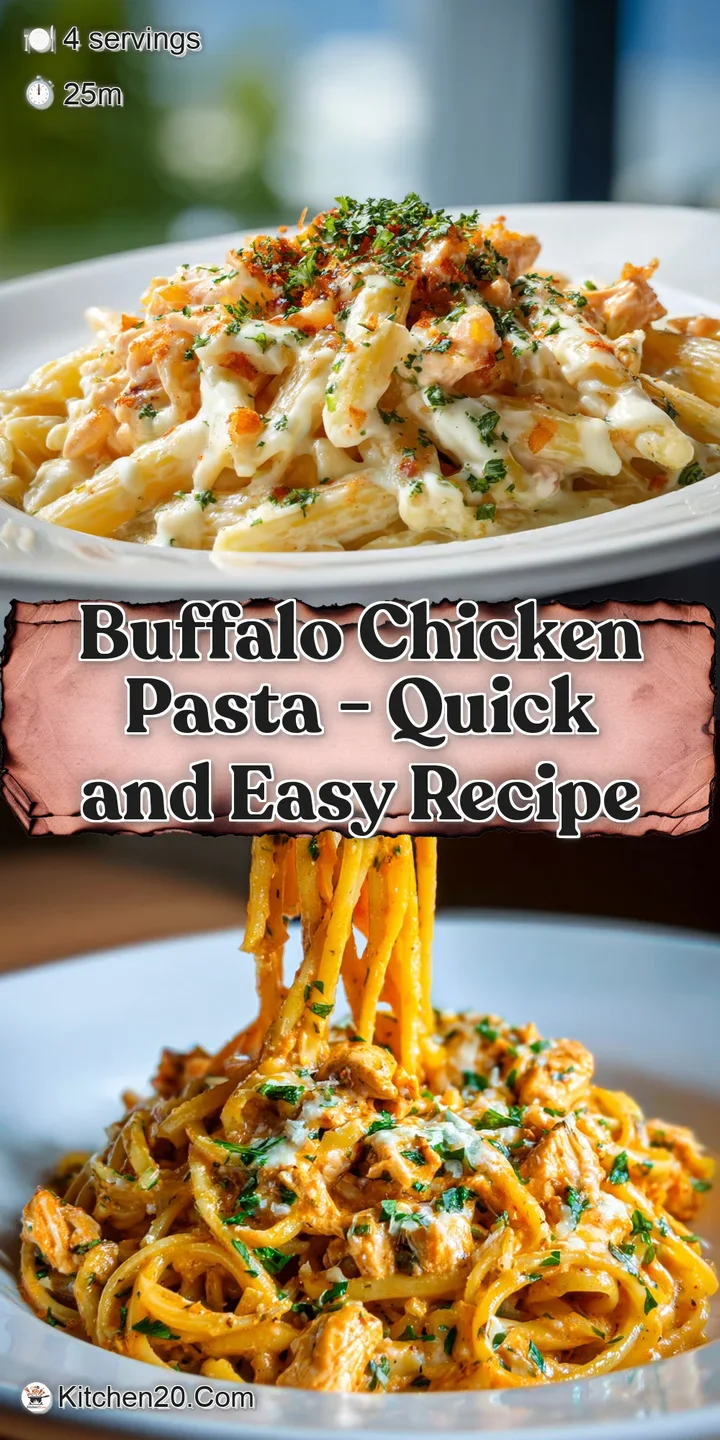
Buffalo Chicken Pasta: Velvety and Zesty
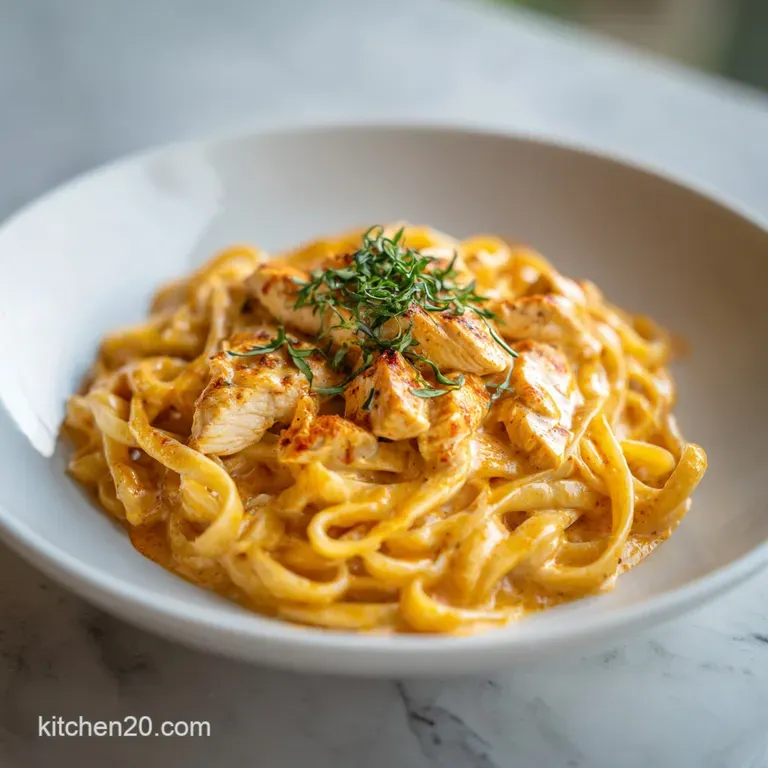
- Time: Active 10 minutes, Passive 15 minutes, Total 25 minutes
- Flavor/Texture Hook: Zesty, velvety, and spicy
- Perfect for: High energy game nights or quick weeknight dinners
- The Physics of Creamy Emulsion
- Analyzing the Buffalo Sauce Component
- Necessary Elements and Smart Substitutes
- Essential Tools for Success
- Step by Step Culinary Protocol
- Solving Common Sauce Separations
- Strategic Modifications
- Common Culinary Misconceptions
- Management and Waste Reduction
- Presentation Styles and Pairings
- Very High in Sodium
- Recipe FAQs
- 📝 Recipe Card
Honestly, there is nothing quite like that first sharp sizzle when the vinegar based hot sauce hits the skillet with the chicken. It’s that sinus clearing, mouth watering aroma that tells your brain something bold is coming.
I used to think buffalo chicken was just for wings, but once I realized I could turn it into a cohesive pasta dish, my kitchen platform completely changed.
The first time I attempted this, I made a classic mistake: I just dumped hot sauce over plain noodles. It was watery, acidic, and frankly, a bit of a mess. I realized I needed a bridge something to connect the lean protein of the chicken to the heavy starch of the pasta.
That’s when I started experimenting with the emulsion of cream cheese and reserved pasta water, and let me tell you, it’s a total shift in how the sauce behaves.
We are moving away from the idea of just "mixing" ingredients. Instead, we are revolutionizing the texture by using heat and friction to create a silky coating that actually clings. You want that velvety mouthfeel that doesn't just slide off the penne.
This Buffalo Chicken Pasta is the result of those experiments, and it's easily the most requested meal whenever my friends come over to watch the game.
The Physics of Creamy Emulsion
- Starch Bond: Reserved pasta water contains amylose, which acts as a molecular glue between the fat in the cream cheese and the liquid hot sauce.
- Protein Searing: The Maillard reaction on the chicken cubes creates tiny browned bits (fond) that dissolve into the sauce, adding savory depth.
- Acid Stabilization: The vinegar in the hot sauce helps break down the heavy dairy proteins, preventing the sauce from feeling overly cloying or greasy.
- Casein Integration: Using full fat dairy ensures the sauce doesn't "break" or curdle when it meets the high acidity of the buffalo seasoning.
| Chicken Thickness | Internal Temp | Rest Time | Visual Cue |
|---|---|---|---|
| 1/2 inch cubes | 165°F (74°C) | 2 minutes | Opaque center with golden edges |
| 1 inch chunks | 165°F (74°C) | 4 minutes | Firm to touch, juices run clear |
| Shredded (Pre cooked) | Warm through | 0 minutes | Even steam throughout |
Adding the right amount of liquid at the right time is the secret to a professional finish. If the sauce looks tight or dry, don't reach for more cream reach for the pasta water. It’s a technique I’ve used in my other favorite How to Cook recipe to keep things moist without adding extra fat.
Analyzing the Buffalo Sauce Component
| Ingredient | Science Role | Pro Secret |
|---|---|---|
| Cream Cheese | Emulsifier and base | Soften to room temp to avoid tiny white lumps in the sauce |
| Frank's RedHot | Acidic flavor agent | Add it slowly to the dairy to prevent a sudden temperature drop |
| Pasta Water | Liquid binder | Scoop it out right before draining for the highest starch concentration |
| Monterey Jack | Meltability | Shred it yourself; pre shredded cheese has cellulose that prevents a smooth melt |
Building a dish like this requires understanding how fats and acids play together. When you use 1 lb boneless skinless chicken breast, you’re starting with a lean base that needs the 4 oz full fat cream cheese to provide the body.
The 0.5 cup heavy cream then thins it out just enough to flow into the ridges of your 12 oz penne or fusilli pasta.
Necessary Elements and Smart Substitutes
- 1 lb boneless skinless chicken breast: Substitute with chicken thighs for more moisture. Why this? Chicken breast sears quickly for a 15 minutes cook time.
- 12 oz penne or fusilli pasta: Use gluten-free chickpea pasta for a high fiber twist. Why this? Ridged pasta captures the creamy buffalo sauce perfectly.
- 1 tbsp neutral oil: Avocado oil or light olive oil works well. Why this? High smoke point prevents the chicken from burning.
- 1 tsp smoked paprika: Substitute with chipotle powder for a deeper smoky heat. Why this? Adds a rich color and subtle wood fire undertone.
- 1 tsp salt: Use sea salt or kosher salt. Why this? Essential for drawing out the chicken's natural juices.
- 0.5 tsp cracked black pepper: Substitute with white pepper for a more floral heat. Why this? Provides a sharp contrast to the creamy dairy.
- 0.5 cup Frank's RedHot sauce: Any cayenne based vinegar sauce works. Why this? The classic vinegar punch defines the buffalo flavor profile.
- 4 oz full fat cream cheese: Substitute with Neufchâtel for slightly less fat. Why this? Provides the thick, velvety structure for the sauce.
- 0.5 cup heavy cream: Whole milk with 1 tsp cornstarch can work in a pinch. Why this? Adds a luxurious mouthfeel that doesn't break under heat.
- 2 tbsp dry ranch seasoning mix: Mix dried dill, garlic powder, and onion powder. Why this? Delivers the herbal "cool" factor to balance the spice.
- 1 cup Monterey Jack cheese: Substitute with mild cheddar or mozzarella. Why this? Exceptional melting properties without overpowering the sauce.
- 0.25 cup reserved pasta water: Use chicken broth if you accidentally drain the water. Why this? The "liquid gold" that emulsifies the entire pan.
- 2 tbsp blue cheese crumbles: Skip if you aren't a fan, or use feta. Why this? Adds a sharp, funky bite that cuts through the richness.
- 2 tbsp fresh chives or green onions: Parsley is a good green alternative. Why this? Provides a fresh, oniony crunch and a pop of color.
Essential Tools for Success
You don't need a professional kitchen, but a large high sided skillet (like a 12 inch cast iron or stainless steel) is non negotiable. You need the surface area to sear that 1 lb chicken without crowding it. Crowding leads to steaming, and steaming means no golden crust.
I also highly recommend a microplane for shredding your Monterey Jack; the finer the shred, the faster and smoother it melts into the 0.5 cup heavy cream.
step-by-step Culinary Protocol
- Boil the pasta. Cook 12 oz penne in a large pot of salted water 1 minute less than the package directions until al dente. Note: This allows the pasta to finish cooking in the sauce.
- Save the water. Carefully scoop out 0.25 cup reserved pasta water before draining the noodles.
- Prep the chicken. Toss 1 lb cubed chicken with 1 tsp smoked paprika, 1 tsp salt, and 0.5 tsp pepper.
- Sear the protein. Heat 1 tbsp oil in a large skillet and cook chicken for 6-8 minutes until golden and crackling.
- Build the base. Lower the heat and stir in 4 oz cubed cream cheese and 0.5 cup Frank's RedHot until the cheese melts and turns orange.
- Incorporate the cream. Pour in 0.5 cup heavy cream and 2 tbsp dry ranch seasoning until the sauce begins to bubble gently.
- Add the cheese. Stir in 1 cup shredded Monterey Jack slowly until the sauce is silky and smooth.
- The Marriage. Add the cooked pasta and the 0.25 cup pasta water to the skillet, tossing constantly for 2 minutes until the sauce shatters into every ridge.
- The Finish. Turn off the heat and garnish with 2 tbsp blue cheese crumbles and 2 tbsp sliced chives.
| Feature | Fresh Chicken Breast | Rotisserie Chicken (Shortcut) |
|---|---|---|
| Prep Time | 10 minutes (chopping/seasoning) | 2 minutes (shredding) |
| Flavor | Deeply seared, smoky notes | Salty, classic roasted flavor |
| Texture | Firm and juicy cubes | Soft, tender shreds |
Solving Common Sauce Separations
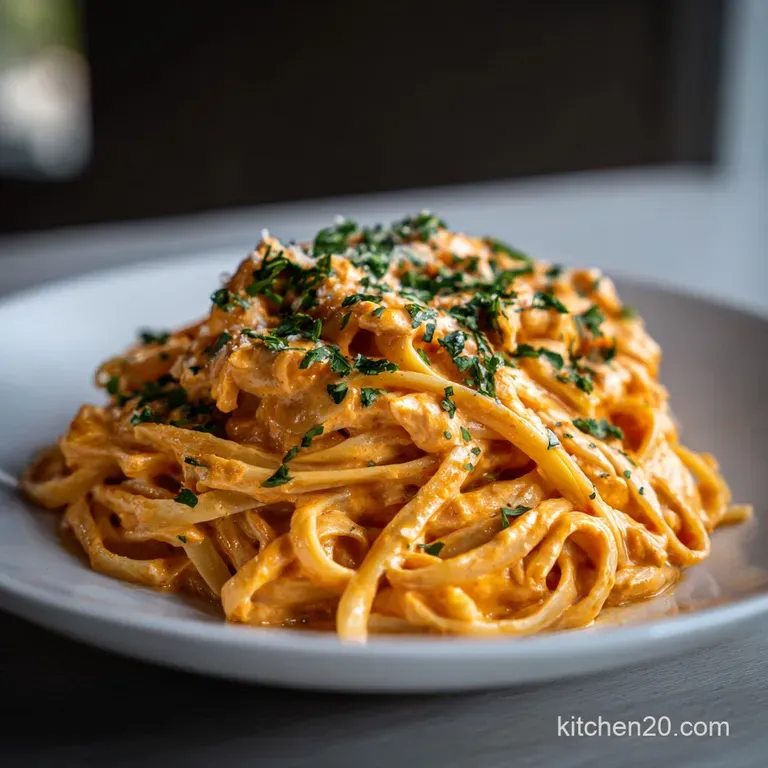
Why Your Sauce Looks Broken
If you see oil separating from the dairy, it’s usually because the heat was too high or the cream cheese was cold. This prevents a stable emulsion from forming. To fix it, remove from heat immediately and whisk in a tablespoon of warm pasta water quite vigorously.
Why the Pasta is Dry
Pasta is like a sponge; it continues to absorb liquid even after you turn off the stove. If your Buffalo Chicken Pasta looks dry, you likely didn't use enough pasta water or you let it sit too long before serving. Always aim for the sauce to look slightly "too wet" in the pan, as it will thicken as it cools.
Troubleshooting Table
| Problem | Root Cause | Solution | | :--- | :--- | :--- :| | Grainy texture | Pre shredded cheese coating | Use a block of cheese and shred it yourself next time | | Too Much Heat | Hot sauce brand or ranch mix | Stir in an extra 2 tbsp of heavy cream to mellow the spice | | Clumpy Cheese | Adding cheese to boiling
liquid | Reduce heat to low before adding Monterey Jack |
- ✓ Pat chicken completely dry before searing (prevents steaming)
- ✓ Shred the cheese while the pasta boils to save time
- ✓ Don't skip the pasta water - it is the most important ingredient
- ✓ Soften cream cheese on the counter for 30 minutes before starting
- ✓ Use a low sodium ranch mix if you are sensitive to salt
Strategic Modifications
Precision Scaling Techniques
If you are cooking for two, reduce the ingredients by half but still use a whole egg if the recipe calls for one (not this one, but a good rule!). For this Buffalo Chicken Pasta, you can easily use a smaller 10 inch skillet. When scaling up for a crowd (2x), don't double the salt immediately; start with 1.5x and taste.
You’ll also want to work in batches with the 1 lb chicken to ensure everything gets that crispy sear.
Ingredient Swap Analysis
| Original Ingredient | Substitute | Why It Works |
|---|---|---|
| Heavy Cream | Full fat Greek Yogurt | Adds a tangier profile. Note: Add at the very end off heat to avoid curdling |
| Monterey Jack | Pepper Jack | Same melting point but adds extra jalapeño kick |
| Penne | Cauliflower Florets | Low carb alternative. Note: Roast the cauliflower separately before tossing in sauce |
Chef's Note: If you want to take the flavor platform even higher, try adding a splash of Worcestershire sauce or a teaspoon of honey to the buffalo mixture. It rounds out the sharp vinegar with a bit of umami and sweetness.
Common Culinary Misconceptions
Adding oil to the pasta water does not prevent the pasta from sticking together; it actually prevents the sauce from sticking to the pasta. The oil creates a slick coating on the noodles that the 0.5 cup heavy cream will just slide right off of.
Instead, use a large pot with plenty of water and stir the noodles frequently during the first 3 minutes.
Another myth is that you have to cook chicken until it's "white all the way through" in the pan. Because of carryover cooking, if you take the 1 lb chicken cubes off right when they hit 160°F, they will reach the safe 165°F while they rest in the warm sauce.
This keeps the breast meat from becoming rubbery or dry.
Management and Waste Reduction
Storage: Keep leftovers in an airtight container in the fridge for up to 3 days. When reheating, the sauce will have thickened significantly. Add a splash of milk or water before microwaving to bring back that velvety texture.
Freezing: This dish freezes okay, but dairy heavy sauces can sometimes change texture. If you do freeze it (up to 2 months), thaw it in the fridge overnight and reheat slowly on the stove, whisking in a little extra cream to re emulsify the fats.
Zero Waste: Don't throw away the ends of your green onions! Put them in a jar of water on your windowsill, and they will regrow in about a week. Also, if you have leftover ranch seasoning, it’s brilliant tossed on popcorn or roasted potatoes.
Presentation Styles and Pairings
This dish is heavy and bold, so it pairs beautifully with something crisp. A simple celery and carrot salad with a light vinaigrette mimics the classic wing platter vibe. If you’re looking for something heartier, it goes surprisingly well alongside my Grandma's Hug recipe if you're doing a big family spread and want a soup and pasta combo.
| Plating Level | Key Addition | Technique |
|---|---|---|
| Simple | Extra Chives | Serve in a deep bowl with a generous sprinkle of greens |
| Polished | Drizzled Ranch | Use a squeeze bottle to create a spiral of ranch over the top |
| Restaurant | Blue Cheese Snow | Freeze the blue cheese for 10 minutes then grate it finely over the hot pasta |
To really revolutionize the presentation, try the "Restaurant" level. Grating frozen blue cheese creates a delicate "snow" that melts instantly upon hitting the hot buffalo sauce, providing a much more even distribution of flavor than large chunks. It’s a small tech inspired tweak that makes a huge difference in the final bite. For a different take on a classic, you might even consider the flavor profile of the The Classic Spaghetti recipe for your next Sunday dinner.
Three Ways to Pivot
- If you want a crunchier finish, transfer the pasta to a baking dish, top with extra cheese and panko breadcrumbs, and broil for 3 minutes.
- If you want it milder, swap half of the 0.5 cup hot sauce for extra heavy cream or a bit of chicken broth.
- If you want it "Buffalo Ranch" style, double the ranch seasoning and add a squeeze of fresh lemon juice at the end to brighten the herbs.
Very High in Sodium
1480 mg 1480mg of sodium per serving (64% 64% of daily value)
The American Heart Association recommends limiting sodium intake to no more than 2,300mg per day for most adults. This recipe significantly exceeds that limit.
Tips to Reduce Sodium in Your Buffalo Chicken Pasta
-
Reduce or Swap Cheeses-15%
Monterey Jack and blue cheese crumbles are significant sources of sodium. Reduce the amount of Monterey Jack by half, and replace the blue cheese with a low-sodium cheese like fresh mozzarella or Swiss. This can reduce sodium by up to 15%.
-
Omit Added Salt-25%
Eliminate the 1 teaspoon of added salt. The other ingredients already contain a substantial amount of sodium. You won't miss it! This reduces sodium by approximately 25% from this source.
-
Dilute Hot Sauce-20%
Frank's RedHot sauce contributes a lot of sodium. Try using half the amount, and supplement the missing flavor with additional black pepper, or add a pinch of cayenne pepper for more heat. This modification reduces sodium by up to 20% from this source.
-
Make Ranch from Scratch-20%
Dry ranch seasoning mix is packed with sodium. Prepare your own ranch dressing from scratch using herbs and spices like dill, parsley, garlic powder, and onion powder. Control the sodium content and tailor the flavor to your liking. This reduces sodium by approximately 20% from this source.
-
Brine Chicken Without Salt-5%
Consider brining the chicken breast for flavor. Ensure that the brine is salt free. This will enhance the flavor without adding sodium. This step can reduce sodium by approximately 5%.
-
Rinse Pasta After Cooking-5%
After cooking the pasta, rinse it with water. This removes some of the surface starch and any remaining salt from the cooking process. It may reduce sodium by a small percentage.
-
Flavor with Herbs & Spices
Experiment with other herbs and spices like garlic powder, onion powder, oregano, or basil to enhance flavor without adding sodium. Fresh herbs are always a great choice!.
Recipe FAQs
What kind of pasta is best for buffalo chicken pasta?
Penne or Fusilli are ideal choices. These shapes have ridges or tubes that effectively capture and hold onto the thick, creamy buffalo sauce.
Why is it sometimes called "marry me chicken pasta"?
No, this dish is distinctly different from "Marry Me Chicken Pasta." "Marry Me" usually implies a sun-dried tomato, Parmesan, and heavy cream base, whereas Buffalo Chicken Pasta focuses on cayenne vinegar heat and ranch seasoning.
What goes well with buffalo chicken pasta?
Crisp, cooling, and fresh sides are best. Classic celery and carrot sticks are perfect, or you can serve a very light salad to cut through the richness.
Does buffalo sauce go well with pasta?
Yes, absolutely, when properly emulsified. Straight hot sauce creates a watery mess; the key is using it with full fat dairy and reserved starchy pasta water to create a cohesive, clinging sauce.
How do I prevent my creamy buffalo sauce from separating?
Reduce the heat significantly before adding dairy components. High heat causes the fat and water in the cream cheese and cream to split; if you enjoyed mastering the stable emulsion required for this recipe, apply that same low-heat integration technique when making your Broccoli Pasta Recipe.
Is it true you should cook the chicken until it's completely white before adding sauce?
False. You risk drying out the breast meat. Cook chicken until it reaches about 160°F in the pan, then remove it; it will carryover cook to the safe 165°F while resting or simmering briefly in the final sauce.
How should I adjust the seasoning if I use pre-cooked rotisserie chicken?
Reduce added salt significantly and increase seasoning blend complexity. Rotisserie chicken is already salty; focus instead on ensuring you layer flavor, perhaps by adding extra smoked paprika or a splash of Worcestershire sauce to compensate for the lack of searing flavor.
Buffalo Chicken Pasta Quick Dish
Ingredients:
Instructions:
Nutrition Facts:
| Calories | 866 kcal |
|---|---|
| Protein | 56g |
| Fat | 38g |
| Carbs | 70g |
| Fiber | 4g |
| Sugar | 5g |
| Sodium | 1480mg |
