Creamy Chicken Pasta: Velvety Sauce
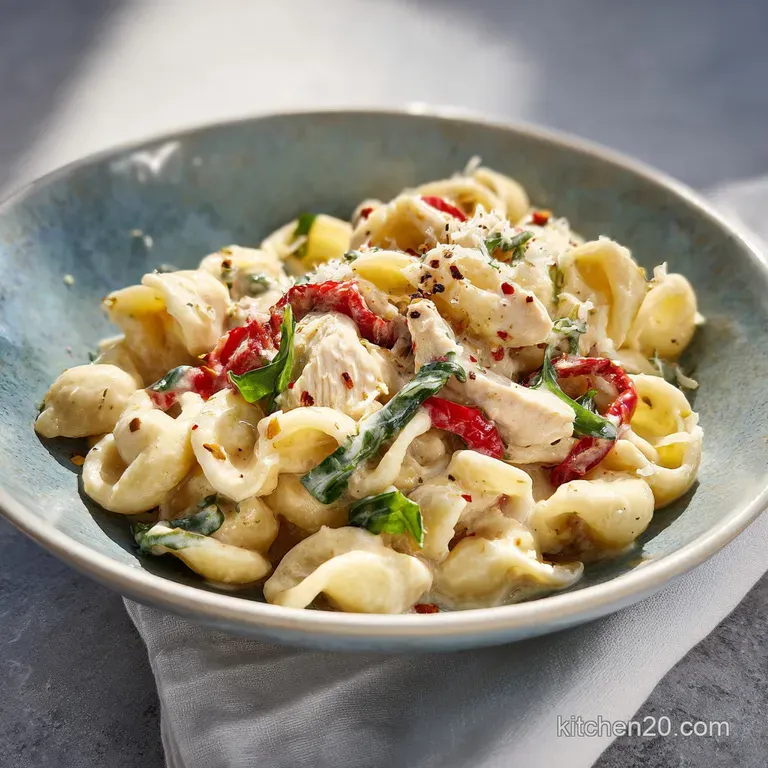
- Time: Active 10 minutes, Passive 20 minutes, Total 30 minutes
- Flavor/Texture Hook: Velvety sauce with golden seared chicken
- Perfect for: A quick weeknight dinner or a cozy date night
- Create the Best Creamy Chicken Pasta
- The Science of Sauce Emulsification
- Components of a Velvety Base
- The Essential Ingredient List
- Kitchen Tools for Success
- The Step-by-Step Cooking Process
- Precision Performance Checkpoints
- Pro Tips and Pitfalls
- Scaling for Different Needs
- Debunking Common Kitchen Myths
- Flavor Variations and Swaps
- Storage and Meal Prep Tips
- Plating and Color Balance
- High in Sodium
- Recipe FAQs
- 📝 Recipe Card
Create the Best Creamy Chicken Pasta
I remember the first time I tried to make a creamy sauce for my roommates in college. It was a disaster, honestly. I thought "creamy" meant just dumping a carton of milk into a pan and hoping for the best. The result was a thin, watery mess that tasted like warm cereal.
I was so embarrassed I almost ordered pizza, but that failure started my obsession with finding the right balance of fat, starch, and heat.
This easy creamy chicken pasta is the result of years of tinkering with the ratios. We aren't just making a sauce; we're building layers of flavor. It starts with the sizzle of chicken medallions hitting the oil and ends with that specific, glossy sheen that only comes from combining pasta water and heavy cream correctly.
You'll notice the aroma of toasted garlic and smoked paprika hitting your nose before you even take the first bite.
The beauty of this dish lies in the contrast. You have the soft, tender bite of the penne paired with the slight crust of the chicken. It's a simple creamy chicken pasta that feels anything but simple when you're eating it.
Trust me, once you master the "pan sauce" method I’m about to show you, you’ll never go back to those jarred sauces again. They just can't compete with the velvety texture we're creating here.
The Science of Sauce Emulsification
Starch Suspension: Reserved pasta water contains amylose molecules that act as a bridge between the fats in the cream and the liquid, preventing the sauce from breaking.
Cold Fat Integration: Adding cold butter at the very end creates a "beurre monté" effect, where the milk solids remain suspended for a glossy, thicker finish.
Maillard Reaction: Searing the chicken medallions creates a "fond" (brown bits) on the pan, which provides the deep, savory backbone of the entire sauce.
| Thickness | Internal Temp | Rest Time | Visual Cue |
|---|---|---|---|
| 1/2 inch Medallion | 165°F | 3 mins | Opaque center, golden crust |
| 1 inch Breast | 165°F | 5 mins | Juices run clear when pierced |
| 1/4 inch Strips | 165°F | 2 mins | Firm touch, no pink remaining |
The thickness of your chicken determines everything. If you slice your 1.5 lb chicken breast into those 1/2 inch medallions, they cook in a flash while staying incredibly juicy. It's much better than cooking a whole breast and slicing it later, because every single piece gets that beautiful, smoky crust from the paprika.
Components of a Velvety Base
| Ingredient | Science Role | Pro Secret |
|---|---|---|
| Heavy Cream | Primary Fat Source | Use room temp cream to prevent the sauce from "shocking" and curdling. |
| Parmesan | Emulsifier & Umami | Grate it yourself; pre shredded cheese is coated in potato starch that ruins the texture. |
| Pasta Water | Binding Agent | This "liquid gold" creates the glue that makes the sauce cling to the noodles. |
| Cold Butter | Gloss & Finish | Adding it last provides a professional shine and a rich mouthfeel. |
For this creamy chicken pasta dinner, you need high-quality components. Using the right parmesan is the difference between a gritty sauce and a silky one. If you're looking for a similar base technique, you might like our Creamy Dreamy Homemade recipe which dives even deeper into the world of white sauces.
The Essential Ingredient List
- 1.5 lb chicken breast: Sliced into medallions. Why this? More surface area for seasoning and faster, more even cooking.
- Substitute: Chicken thighs (boneless) for more fat and flavor.
- 12 oz pasta (penne or fettuccine): The vehicle for our sauce. Why this? Ridged pasta like penne grabs onto the cream better.
- Substitute: Chickpea pasta for a gluten-free, high protein boost.
- 1.5 cups heavy cream: The heart of the creaminess. Why this? Provides the necessary fat for a stable, rich emulsion.
- Substitute: Full fat coconut milk (adds a slight nutty note).
- 1 cup parmesan cheese: Freshly grated only. Why this? Melts seamlessly into the cream without clumping.
- Substitute: Pecorino Romano for a saltier, sharper kick.
- 2 tbsp olive oil: For searing the chicken.
- Substitute: Avocado oil for its higher smoke point.
- 2 tbsp unsalted butter: Must be cold. Why this? Emulsifies the sauce at the end for a glossy finish.
- Substitute: Ghee for a more toasted, nutty flavor profile.
- 1 medium shallot: Finely diced.
- Substitute: Half a small yellow onion, though it's less sweet.
- 4 cloves garlic: Microplaned.
- Substitute: 1 tsp garlic powder (not recommended for the best flavor).
- 1 tsp smoked paprika: For color and depth.
- Substitute: Sweet paprika or a pinch of cayenne for heat.
- 1/2 cup reserved pasta water: Saved from the boiling pot.
- 1/4 cup fresh parsley: Finely chopped for brightness.
- Kosher salt and black pepper: To taste.
| Fresh Element | Shortcut Substitute | Flavor Impact | Effort |
|---|---|---|---|
| Fresh Shallots | Onion Powder | Lacks the sweet, caramelized depth | Zero prep |
| Grated Block Parm | Green Shaker Can | Salty but grainy and dusty texture | High speed |
| Fresh Garlic | Jarred Minced Garlic | More acidic, less pungent and sweet | Very low |
Using fresh aromatics is the "revolutionizing" step for your home cooking. While shortcuts are tempting, the way a fresh shallot melts into the butter provides a sweetness that powder just can't mimic. It's the platform upon which all other flavors in this recipe are built.
Kitchen Tools for Success
You don't need a professional kitchen, but a few specific tools make this quick creamy chicken pasta much easier. A large heavy bottomed skillet, like a 12 inch cast iron or a stainless steel pan, is non negotiable. You need that surface area so the chicken doesn't steam in its own juices.
I also highly recommend using a microplane for the garlic. It turns the cloves into a paste that disappears into the sauce, giving you all the flavor without any bitter burnt chunks. Also, keep a glass measuring cup right by the stove.
It’s the easiest way to snag that pasta water before you drain the noodles I've accidentally poured my "liquid gold" down the drain more times than I’d like to admit!
The step-by-step Cooking Process
- Boil the pasta. Cook 12 oz pasta in salted water 1 minute less than package directions until al dente with a firm bite. Note: It finishes cooking in the sauce later.
- Season the chicken. Toss the 1.5 lb chicken medallions with salt, pepper, and 1 tsp smoked paprika until evenly coated in a rust red hue.
- Sear the meat. Heat 2 tbsp olive oil in a large skillet over medium high heat. Add chicken and cook 3 minutes per side until a mahogany crust forms.
- Sauté the aromatics. Remove chicken. Reduce heat to medium and add 1 medium shallot and 4 cloves garlic to the pan until fragrant and translucent.
- Deglaze the pan. Pour in 1.5 cups heavy cream, scraping the bottom of the pan until the brown bits dissolve into the liquid.
- Simmer and thicken. Let the cream bubble gently for 3-4 minutes until it coats the back of a spoon.
- Emulsify the sauce. Whisk in 1 cup parmesan cheese and 1/2 cup pasta water until the mixture looks glossy and connected.
- Mount with butter. Stir in 2 tbsp cold butter until completely melted and the sauce shines.
- Combine everything. Return the chicken and pasta to the skillet, tossing for 2 minutes until the sauce clings to every surface.
- Garnish and serve. Top with 1/4 cup fresh parsley until the bright green pops against the cream.
Golden Sear for Medallions
The secret to the chicken is high heat. If you crowd the pan, the temperature drops and the chicken will boil instead of searing. Work in two batches if you have to. You want to hear a loud sizzle the moment the meat touches the oil. That crust isn't just for looks; it’s where all the savory flavor lives.
Building the Flavor Base
When you add the shallots and garlic to the leftover oil and chicken fat, you're building a "fond based" sauce. Don't let the garlic turn dark brown, or it will become bitter. It should just soften and smell heavenly. If the pan seems too hot, pull it off the burner for thirty seconds before adding the cream.
Precision Performance Checkpoints
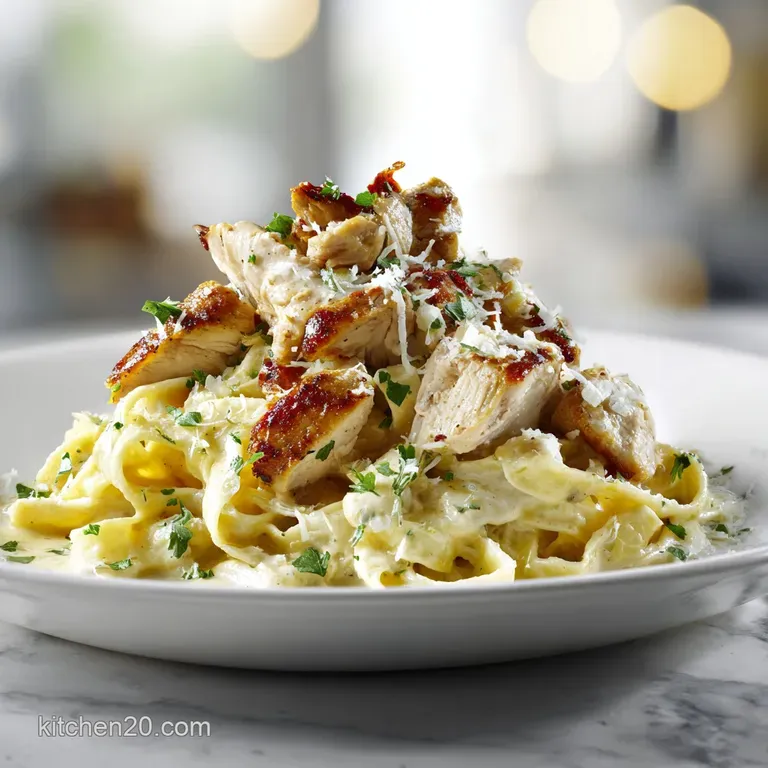
- Internal Temperature: Ensure the chicken hits exactly 165°F (74°C). This keeps the meat juicy without being undercooked.
- Pasta Timing: Pull the pasta out of the water at exactly 8 minutes (for penne). It should still be slightly too firm to eat comfortably.
- Liquid Ratio: You must have exactly 1/2 cup of pasta water reserved. If the sauce gets too thick, add a tablespoon more at a time.
Pro Tips and Pitfalls
One of the biggest mistakes people make is using "low-fat" or "half and half" instead of heavy cream. This is a creamy chicken pasta with milk alternatives at your own risk! High fat content is what keeps the sauce stable.
If you use low-fat options, the acid from the garlic or the heat from the pan will cause the sauce to "split," leaving you with a greasy mess.
Grainy Sauce Texture Issues
If your sauce feels gritty on your tongue, it’s usually because the heat was too high when you added the cheese. High heat causes the protein in the parmesan to tighten into little clumps. Always turn the heat to the lowest setting or off completely before whisking in your freshly grated cheese.
Liquid Gold Oversights
The pasta water is your best friend. It’s salty and full of starch. If you forget to save it, your sauce will likely slide right off the pasta and pool at the bottom of the bowl. If you find the sauce is too thick once you add the pasta, that extra splash of water will loosen it up and make it velvety again.
| Problem | Root Cause | Solution |
|---|---|---|
| Broken/Oily Sauce | Heat too high or low-fat cream | Add a splash of pasta water and whisk vigorously off the heat. |
| Bland Flavor | Lack of salt in pasta water | Season the chicken more aggressively next time; add a pinch of salt to the finished sauce. |
| Rubbery Chicken | Overcooked or cooked from cold | Ensure chicken is room temp before searing and pull it at exactly 165°F. |
Common Mistakes Checklist:
- ✓ Never rinse your pasta after cooking; you need that starch for the sauce.
- ✓ Use a cold butter "mount" at the end for that professional shine.
- ✓ Grate your cheese by hand to avoid anti clumping agents.
- ✓ Dry the chicken with a paper towel before seasoning to ensure a better sear.
- ✓ Don't add the cream to a smoking hot pan; let it cool slightly first.
Scaling for Different Needs
Scaling Down (Cooking for 1 or 2): Halve all ingredients, but use a smaller 8 or 10 inch skillet. Large pans will cause the small amount of cream to evaporate too quickly, leaving you with no sauce. For the egg based pasta variations, beat one egg and use exactly half.
Scaling Up (Cooking for 8): When doubling the recipe, do not double the salt or smoked paprika immediately. Use 1.5x the amount and adjust at the end. You will need to sear the chicken in 3 or 4 batches to maintain the pan temperature.
Use a large Dutch oven instead of a skillet to hold the volume of the 24 oz of pasta.
Debunking Common Kitchen Myths
One big myth is that you need to add oil to the pasta water to keep it from sticking. All this does is coat the pasta in a slick film that prevents the sauce from sticking to it! Just use a large pot with plenty of water and give it a stir in the first two minutes.
Another misconception is that searing "seals in the juices." Science shows that seared meat actually loses slightly more moisture than unseared meat. We sear for the flavor of the Maillard reaction, not for "sealing." The true secret to juicy chicken is not overcooking it beyond 165°F.
Flavor Variations and Swaps
If you're feeling adventurous, this recipe is a great "platform" for creativity. You can easily turn this into a creamy chicken pasta crock pot meal by slow cooking the chicken and aromatics first, then stirring in the cream and cooked pasta at the end. For another version, you could try this How to Bake recipe for a more casserole style finish.
- Cajun Style: Swap the smoked paprika for 1 tbsp of Cajun seasoning.
- Green Goddess: Stir in 2 cups of fresh spinach and a tablespoon of pesto at the very end.
- Mushroom Rich: Sauté 8 oz of sliced cremini mushrooms with the shallots for an earthy depth.
Decision Shortcut List: If you want it spicier, add 1/2 tsp of red pepper flakes with the garlic. If you want it lighter, swap half the heavy cream for chicken broth (note: it will be thinner).
If you want it richer, add an extra 1/4 cup of parmesan and a splash of white wine when deglazing.
Storage and Meal Prep Tips
This pasta is definitely best eaten fresh, but you can store leftovers in an airtight container in the fridge for up to 3 days. When reheating, the sauce will have thickened significantly. Add a splash of milk or water before microwaving or heating on the stovetop to bring that creaminess back to life.
For zero waste cooking, don't throw away your parsley stems! Finely mince them and sauté them with the shallots for extra flavor. If you have leftover parmesan rinds, toss them into your next soup or stew they are pure flavor gold.
You can also freeze the seared chicken for up to 2 months if you want to meal prep the protein ahead of time.
Plating and Color Balance
Presentation is half the battle. To make this look as good as it tastes, focus on color balance. I like to use three specific color accents to make the dish pop:
- Fresh Parsley (Green): This provides a necessary contrast to the pale sauce. Add it only after the heat is off so it stays bright.
- Smoked Paprika (Orange Red): When you sear the chicken with paprika, it creates a beautiful "shatter" of color against the creamy pasta.
- Shaved Parmesan (Ivory): Instead of just grating it into the sauce, use a vegetable peeler to create large shavings for the top. It adds a premium feel to the final plate.
Serve this in wide, shallow bowls rather than flat plates. It keeps the pasta warm longer and allows the sauce to pool slightly at the bottom, which is the best part! Pairing this with a crisp arugula salad or some charred broccoli provides the acidic crunch that cuts through the richness of the cream.
It’s all about that connection between textures and flavors. Enjoy your dinner!
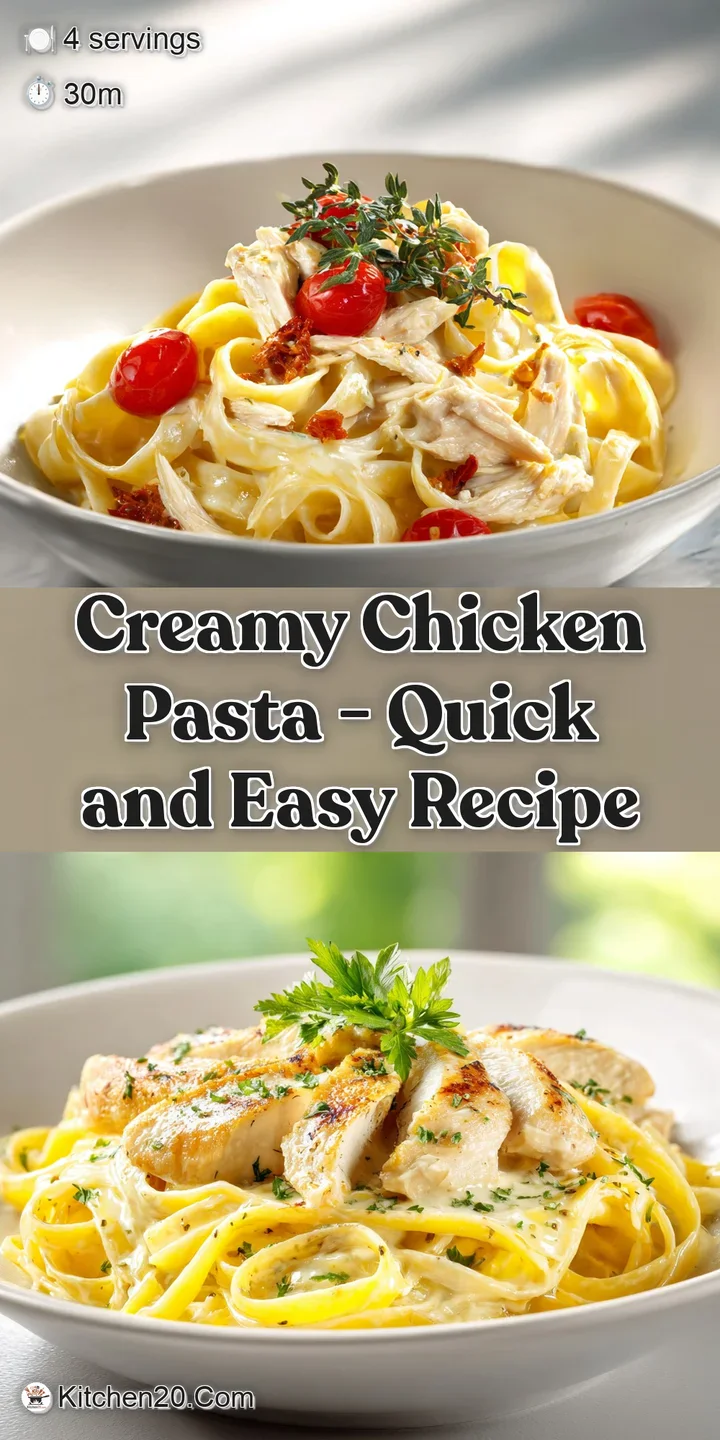
High in Sodium
985 mg mg of sodium per serving (43% of daily value)
The American Heart Association recommends limiting sodium intake to about 2,300mg per day for adults. This recipe exceeds that recommendation.
Tips to Reduce Sodium
-
Reduce Parmesan Cheese-15%
Parmesan cheese is a major sodium contributor. Try reducing the amount of parmesan by half, from 1 cup to 1/2 cup, or substituting with a lower sodium cheese like part skim mozzarella or ricotta.
-
Skip Added Salt-25%
Eliminate the added 'Kosher salt to taste'. Taste the dish before adding any additional salt; the parmesan and other ingredients contribute sodium already.
-
Choose Fresh Chicken-10%
Ensure the chicken breast is fresh and hasn't been pre-brined or injected with a sodium solution. Check the label or ask your butcher to be sure.
-
Unsalted Butter-5%
Confirm the butter is truly unsalted. Even a small amount of salt in butter can contribute to the overall sodium level. Always choose unsalted when available.
-
Spice It Up!
Enhance the flavor with sodium free herbs and spices. Experiment with different combinations of dried herbs or fresh spices to boost flavor without adding sodium.
Recipe FAQs
Can I substitute heavy cream with milk or half and-half?
No, use heavy cream for stability. Milk or half and-half lack the necessary fat content, causing the sauce to split or curdle under heat.
How to stop the finished sauce from feeling grainy or gritty?
Turn off the heat before adding cheese. Adding freshly grated Parmesan to simmering liquid causes the proteins to clump; whisk it in vigorously off the heat until smooth.
How to achieve a truly restaurant quality, glossy sauce finish?
Finish by whisking in cold butter. This final step emulsifies the sauce, creating a professional sheen and richer mouthfeel known as beurre monté.
Why is reserving pasta water crucial for this recipe?
Yes, it’s the binding agent. The starch suspended in the hot water acts as a glue, linking the fat from the cream and preventing the sauce from separating.
Is searing the chicken just for color, or does it add actual flavor?
It adds essential savory flavor. Searing creates the fond (brown bits) on the bottom of the pan, which dissolves into the cream base to create depth.
How do I prevent the seared chicken medallions from becoming tough and dry?
Pull the chicken immediately when it hits 165°F. For thin medallions, this usually takes only 3 minutes per side after the pan is hot, then let it rest off-heat.
How can I adapt this creamy sauce technique for a slow cooker?
Cook the chicken first, then finish the sauce manually. Slow cook the chicken, shred it, and then combine it with the cooked pasta, finishing the sauce by adding the cream and whisking in the parmesan off-heat, similar to how we handle the base in our Homemade Spaghetti Sauce recipe.
Creamy Chicken Pasta In 30 Min
Ingredients:
Instructions:
Nutrition Facts:
| Calories | 1124 kcal |
|---|---|
| Protein | 74.4 g |
| Fat | 57.5 g |
| Carbs | 69.5 g |
| Fiber | 3.2 g |
| Sugar | 4.8 g |
| Sodium | 985 mg |
