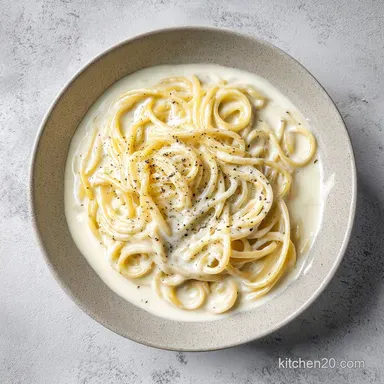
Four Cheese Spaghetti: Ultra Creamy
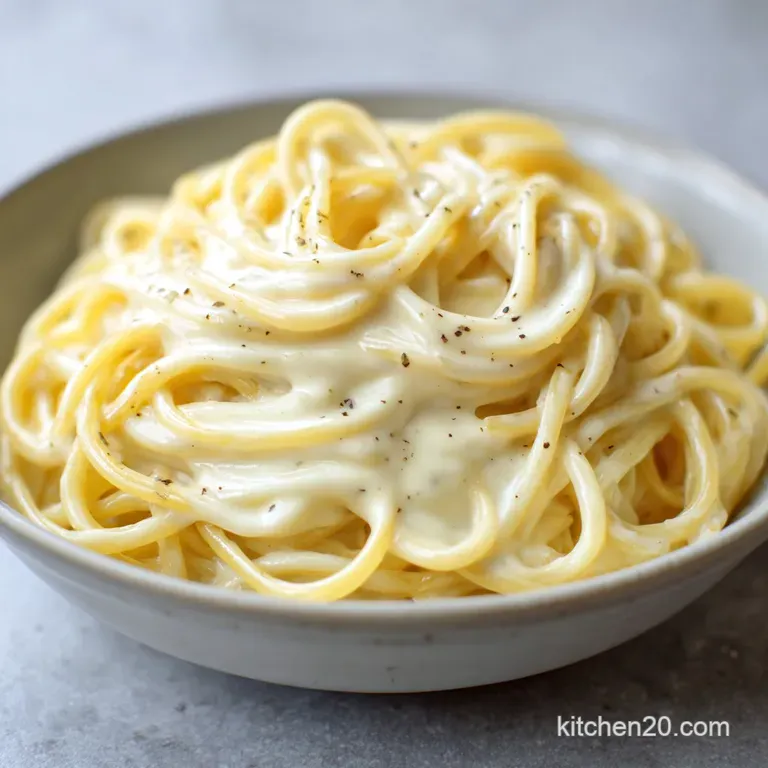
- Time: 10 min active + 35 min cook = Total 45 mins
- Flavor/Texture Hook: Velvety, glossy, and deeply savory
- Perfect for: A cozy date night or an impressive dinner party
- Easy Creamy Four Cheese Spaghetti
- The Secret to Smooth Sauce
- Ingredient Component Analysis
- Gathering Your Essentials
- The Right Kitchen Tools
- Cooking the Pasta and Sauce
- Avoid Common Cheese Mistakes
- Swapping for Different Needs
- Storing and Reheating Pasta
- The Best Side Pairings
- Recipe FAQs
- 📝 Recipe Card
Easy Creamy Four Cheese Spaghetti
That first sizzle of butter in the pan, followed by the sharp, pungent aroma of garlic hitting the heat, is where the magic starts. I remember the first time I tried to make a multi cheese pasta for a small get together. I used pre shredded bags of cheese and cranked the heat up, thinking I'd speed things up.
The result? A grainy, oily mess that looked more like soup than sauce. I was mortified, but that failure taught me everything about how cheese actually behaves.
Since then, I've treated my kitchen like a testing platform, revolutionizing my approach to emulsions. I realized that the secret isn't just the cheese you pick, but the sequence in which you add them and the temperature of the pan.
This Four Cheese Spaghetti isn't about following a rigid set of rules, but about understanding the connection between starch and fat.
When you get this right, the sauce doesn't just sit on the noodles, it glazes them in a silky, opulent coating that clings to every strand. We're moving away from the heavy, clumping sauces of the past and creating something that feels light yet indulgent.
Trust me on this, once you see that glossy finish, you'll never go back to the basic versions.
The Secret to Smooth Sauce
Most people treat cheese sauce as a "dump and stir" situation, but that's why they end up with a broken sauce. We're basically creating a platform where the fats from the butter and cream can connect with the proteins in the cheese without splitting.
- Starch Bond
- Reserved pasta water contains amylose, which acts as a bridge between the watery cream and the fatty cheese.
- Temperature Control
- Keeping the heat low prevents the cheese proteins from tightening and squeezing out the fat.
- Sequential Melting
- Adding cheeses one by one allows each to integrate fully before the next layer is introduced.
- Reduction Step
- Simmering the cream first concentrates the flavor and thickens the base, so the cheese doesn't just sink to the bottom.
| Method | Time | Texture | Best For |
|---|---|---|---|
| Fast (Pre shredded) | 20 mins | Grainy/Oily | Quick lunch |
| Classic (Freshly Grated) | 45 mins | Velvety/Glossy | Occasion dinner |
Right then, let's talk about the "why" behind the ingredients. If you've ever wondered why we use specific cheeses, it's all about the balance of salt, meltability, and sharpness.
Ingredient Component Analysis
| Ingredient | Science Role | Pro Secret |
|---|---|---|
| Heavy Cream | Fat Base | Use room temp cream to prevent sauce shocks |
| Pasta Water | Emulsifier | Salt the water heavily to season the pasta from inside |
| Gruyère | Melting Agent | Grate it fine for the fastest integration |
| Pecorino | Salt Punch | Use this last to avoid over salting the base |
Gathering Your Essentials
For this Four Cheese Spaghetti, the quality of your cheese is everything. Please, I'm begging you, don't use the pre shredded stuff. Those bags are coated in potato starch or cellulose to stop them from clumping, but that same coating prevents them from melting into a smooth sauce.
- 1 lb spaghetti Why this? Classic shape for maximum sauce cling
- 4 quarts water
- 2 tbsp sea salt
- 4 tbsp unsalted butter Why this? Provides a rich, nutty foundation
- 3 cloves garlic, minced
- 2 cups heavy cream Why this? Essential for the velvety texture
- 1/2 cup reserved pasta water Why this? The "glue" for the sauce
- 1 cup freshly grated Parmesan Why this? Adds a salty, nutty depth
- 1 cup freshly grated Mozzarella Why this? Creates the iconic cheese pull
- 1 cup freshly grated Gruyère Why this? Adds an earthy, sophisticated melt
- 1/2 cup freshly grated Pecorino Romano Why this? Sharp finish to cut through the fat
| Original Ingredient | Substitute | Why It Works |
|---|---|---|
| Heavy Cream (2 cups) | Half and Half (2 cups) | Lighter fat content. Note: Sauce will be thinner and less glossy |
| Gruyère (1 cup) | Swiss Cheese (1 cup) | Similar melting profile. Note: Slightly milder, less complex flavor |
| Pecorino (1/2 cup) | Extra Parmesan (1/2 cup) | Similar salty profile. Note: Lacks the distinct sheep's milk tang |
It's also worth noting that while this is a rich dish, you can balance it with some fresh elements. If you're looking for a way to cut through the richness, I highly recommend my steamed broccoli as a side.
The Right Kitchen Tools
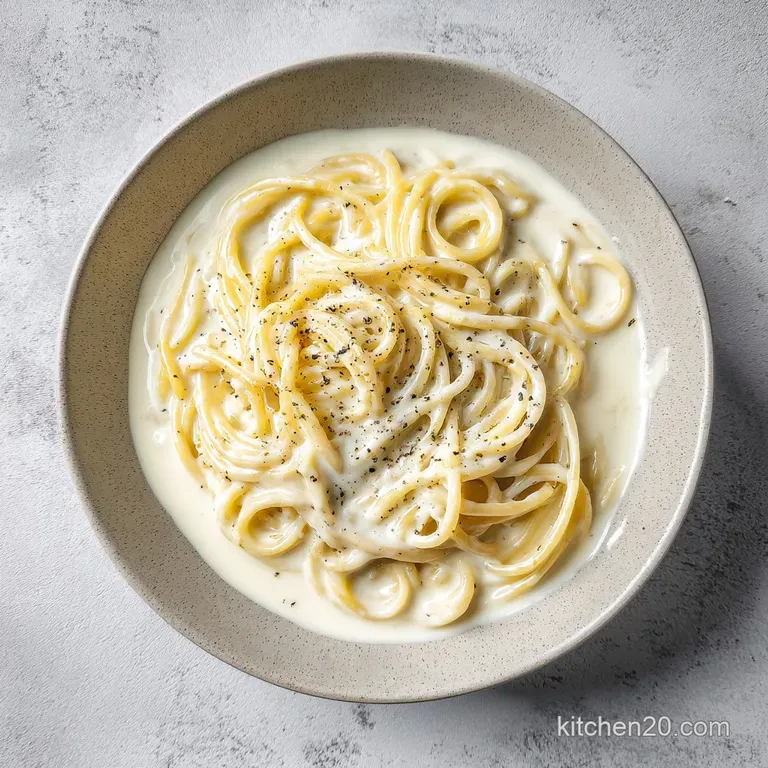
You don't need a professional lab, but a few specific tools make this a breeze. I use a deep skillet or a wide sauté pan. This is critical because you need enough surface area to toss the spaghetti vigorously without it flying over the edges.
A microplane or a fine box grater is your best friend here. The smaller the cheese shreds, the faster they melt, and the lower the temperature you can keep the pan. If you have a whisk, use it during the cream and cheese phase to ensure there are no lumps.
Finally,, a pair of long tongs is the only way to properly glaze the noodles.
Cooking the Pasta and Sauce
Let's crack on. Follow these steps exactly to ensure that velvety finish.
- Bring the salted water to a rolling boil. Add the spaghetti and cook for 1-2 minutes less than the package directions until al dente. Note: It will finish cooking in the sauce.
- Before draining the pasta, reserve at least 1 cup of the starchy pasta water. Drain the remaining water and set the pasta aside.
- In a deep skillet over medium low heat, melt the butter until it begins to foam. Add the minced garlic and sauté for about 1 minute until aromatic.
- Pour in the heavy cream and bring to a very gentle simmer. Let it reduce slightly for 3-5 minutes until the sauce coats the back of a spoon.
- Reduce heat to low. Gradually whisk in the Parmesan, Mozzarella, Gruyère, and Pecorino Romano one by one, stirring constantly until the sauce is smooth and glossy.
- Toss in the cooked spaghetti and the reserved pasta water. Stir vigorously for 2 minutes until the sauce thickens and glazes the noodles.
Precision Checkpoints:
- Water must be at a rolling boil before adding pasta.
- Cream reduction should take exactly 3-5 minutes.
- Final emulsification stir happens for a full 2 minutes.
Avoid Common Cheese Mistakes
The biggest hurdle with Four Cheese Spaghetti is the "break." This happens when the fat separates from the solids, leaving you with oil floating on top of a grainy sauce. Usually, this is a temperature issue. If the pan is too hot, the proteins in the cheese tighten and push the fat out.
Why Your Sauce Is Lumpy
Lumps usually occur when the cheese is added too quickly or the heat is too high. If you drop a giant handful of cold cheese into simmering cream, it can clump before it has a chance to melt. The trick is to whisk constantly and add the cheese in small increments.
Why Your Sauce Is Oily
Oil separation is almost always caused by overheating. Once the cheese is in, the temperature should be very low. If you see oil beads forming, you've pushed the proteins too far.
| Problem | Root Cause | Solution |
|---|---|---|
| Grainy Texture | High heat or pre shredded cheese | Lower heat and use fresh blocks |
| Sauce Too Thick | Over reduced cream | Whisk in more reserved pasta water |
| Sauce Too Thin | Not enough reduction | Simmer 2 more mins before adding cheese |
Common Mistakes Checklist:
- ✓ Did you use freshly grated cheese? (Essential for smoothness)
- ✓ Did you undercook the pasta by 2 mins? (Prevents mushy noodles)
- ✓ Is the heat on low before adding cheese? (Prevents splitting)
- ✓ Did you save the pasta water? (Crucial for the bond)
- ✓ Did you whisk the cheeses in one by one? (Ensures full integration)
Swapping for Different Needs
If you're cooking for a crowd with different dietary needs, you can still get that creamy vibe. For a gluten-free version, simply swap the spaghetti for a high-quality brown rice or corn based pasta.
Just be careful, as gluten-free pasta releases a different kind of starch that can make the sauce thicker, so you might need an extra splash of water.
For those wanting a slightly lighter version, you can replace half of the heavy cream with whole milk. However, you'll lose some of that velvety thickness. If you're looking for a completely different but equally creamy experience, you might enjoy my homemade alfredo sauce for a simpler, two cheese alternative.
Decision Shortcut:
- If you want more "pull", increase the Mozzarella.
- If you want a sharper tang, increase the Pecorino.
- If you want a richer, nuttier taste, add more Gruyère.
Storing and Reheating Pasta
Pasta with heavy cream sauces can be tricky to store because the noodles continue to absorb liquid. If you put this in the fridge as is, you'll wake up to a block of cheese pasta the next morning.
Fridge Storage: Store in an airtight container for up to 3 days. To prevent the sauce from disappearing, stir in a tablespoon of milk or water before refrigerating.
Reheating for Freshness: Never microwave this on high. Instead, place the pasta in a pan over low heat. Add a splash of water or cream and stir gently. This re emulsifies the fats and brings back that glossy sheen.
Freezing Tips: Honestly, I don't recommend freezing this. The emulsion often breaks during the freeze thaw cycle, leaving the sauce grainy. If you must, freeze only the sauce and cook fresh pasta when you're ready to eat.
Zero Waste Tip: Don't throw away the cheese rinds from your Parmesan or Pecorino! Toss them into your next pot of vegetable or chicken stock. They add an incredible savory depth that revolutionizes a simple broth.
The Best Side Pairings
Because this Four Cheese Spaghetti is so rich, you need sides that offer a sharp contrast. I'm talking about acidity, bitterness, or a fresh crunch to reset your palate between bites.
A crisp arugula salad with a lemon vinaigrette is the gold standard here. The peppery greens and citrusy acid cut right through the heavy cream. Alternatively, some roasted asparagus with a squeeze of lime provides a great textural contrast to the soft noodles.
If you want something more hearty but still fresh, a side of garlic rubbed crostini can add a needed crunch.
Right then, that's everything you need to nail this dish. Just remember: low heat, fresh cheese, and that magic pasta water. You've got this!
Recipe FAQs
Can I use pre-shredded cheese instead of grating my own?
No, stick with freshly grated. Pre-shredded cheeses are coated in cornstarch or cellulose to prevent clumping, which stops the sauce from becoming smooth and glossy.
Why is it necessary to reserve the pasta water?
It acts as an emulsifier. The starch in the reserved water helps bind the heavy cream and melted cheeses together, ensuring the sauce glazes the noodles rather than sliding off.
How to prevent the cheese sauce from clumping?
Reduce heat to low and whisk cheeses in one by one. Constant stirring while adding the Parmesan, Mozzarella, Gruyère, and Pecorino Romano ensures a stable, velvet like texture.
Is it true that I should cook the spaghetti fully before adding it to the pan?
No, this is a common misconception. Cook the pasta for 1 2 minutes less than the package directions so it finishes cooking while tossing in the sauce, preventing mushy noodles.
What is the best way to serve this dish?
Serve immediately in warmed bowls. This rich pasta pairs perfectly with classic Italian meatballs for a complete, hearty dinner.
How to store the leftovers so they don't dry out?
Store in an airtight container for up to 3 days. Stir in a tablespoon of water or milk before refrigerating to stop the spaghetti from absorbing all the sauce overnight.
How to reheat the pasta without separating the sauce?
Heat in a pan over low heat. Add a splash of water or heavy cream and stir gently to re-emulsify the fats and bring back the original creaminess.
Creamy Four Cheese Spaghetti