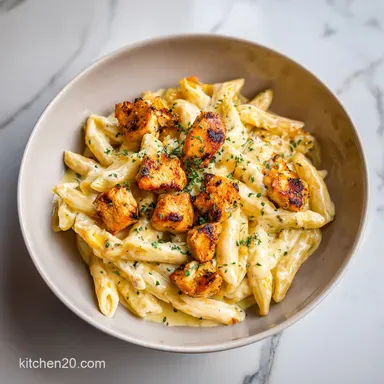
Creamy Garlic Penne Pasta with Chicken: Silky Sauce
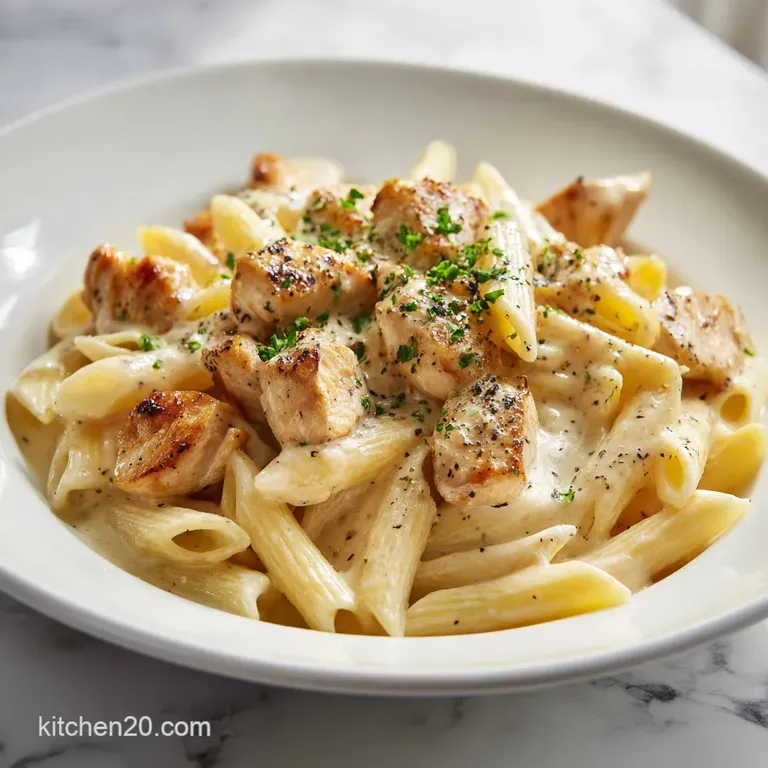
- Time: 10 min prep + 20 min cook = Total 30 minutes
- Flavor/Texture Hook: Silky, garlic forward sauce with golden seared chicken
- Perfect for: Low energy weeknights or a cozy "date in" dinner
- Creamy Garlic Penne Pasta with Chicken
- Ingredient Component Analysis
- The Essential Pantry List
- Gear for the Job
- Getting the Timing Right
- Fixing Common Pasta Problems
- Troubleshooting Common Issues
- Swapping Ingredients and Flavors
- Myths About Creamy Pasta
- Saving and Reheating Tips
- Best Sides for Pasta
- Recipe FAQs
- 📝 Recipe Card
That loud, aggressive sizzle when chicken breast hits a hot pan is, for me, the official sound of "dinner is happening." I remember one specific Tuesday last November when the rain was just hammering against the windows and I had zero mental bandwidth left.
I didn't want a complex project, just something that felt like a warm hug in a bowl.
I threw together this creamy garlic penne pasta with chicken, and it became my go to "reset" meal. There is something about the way the garlic mellows out in the butter and the cream just clings to the penne ridges that makes the whole house feel calmer.
It's the kind of dish that connects everyone at the table, even if you're just eating it on the couch while venting about your day.
You can expect a meal that hits all the right notes: the saltiness of the Parmesan, the bite of the garlic, and chicken that stays juicy. We aren't doing anything overly fancy here, but we are using a few smart moves to make sure the sauce doesn't break or turn into a gloopy mess. Let's get into it.
Creamy Garlic Penne Pasta with Chicken
To get this right, we need to focus on how the ingredients interact. It's not just about tossing things in a pan, but about building layers of flavor that stay connected from the first bite to the last.
The Starch Bind: Adding a splash of cloudy pasta water helps the sauce grip the noodles. This happens because the starch in the water acts as a bridge between the fat in the cream and the pasta.
The Fat Buffer: Butter protects the garlic from burning too quickly. By melting the butter first, we create a temperature buffer that lets the garlic soften and release its oils without turning bitter.
Protein Searing: High heat creates a golden crust on the chicken. This isn't just for looks, it adds a deep, savory layer that balances the richness of the cream.
Cheese Integration: Adding Parmesan at the end prevents the sauce from becoming grainy. It melts into the warm cream, creating a velvety emulsion that coats every piece of penne.
| Style | Prep Time | Sauce Texture | Best For |
|---|---|---|---|
| Fast (One Pot) | 5 mins | Thinner, starchier | Quick lunch |
| Classic (This one) | 10 mins | Velvety and rich | Date night/Family dinner |
I've noticed that when I use a wider skillet, the chicken sears better because there's more room for steam to escape. If you crowd the pan, the chicken just boils in its own juices, and you lose that gorgeous golden color.
Ingredient Component Analysis
Understanding what each part does helps you tweak the recipe without breaking the sauce. It's like having a platform for flavor where you can swap things out based on what's in your fridge.
| Ingredient | Science Role | Pro Secret |
|---|---|---|
| Penne Pasta | Structural base | Cook 2 mins under "al dente" to finish in sauce |
| Heavy Cream | Emulsion base | Use full fat to avoid splitting at high heat |
| Parmesan | Thickener/Salt | Grate it yourself; pre shredded has cellulose (anti clumping) |
| Garlic | Aromatic base | Mince finely for a consistent, spreadable flavor |
For those who want to change the vibe, you can easily pivot. If you're craving something with a kick, you could swap this for a Quick Cajun Alfredo Sauce to give the chicken a spicy edge.
The Essential Pantry List
Stick to these quantities for the best results. I've found that too much garlic can overpower the chicken, while too little makes the sauce feel bland.
- 450 g penne pasta Why this? The ridges hold the thick sauce perfectly. (Substitute: Rigatoni)
- 680 g boneless skinless chicken breast, cut into 1 inch pieces Why this? Quick cooking and lean. (Substitute: Chicken thighs for more juice)
- 30 ml olive oil Why this? High smoke point for searing. (Substitute: Avocado oil)
- 5 g salt Why this? Essential for seasoning the protein. (Substitute: Sea salt)
- 2 g black pepper Why this? Adds a subtle heat. (Substitute: White pepper)
- 2 g Italian seasoning Why this? Adds herbaceous depth. (Substitute: Dried oregano and basil)
- 56 g unsalted butter Why this? Adds richness to the garlic. (Substitute: Salted butter, but reduce salt later)
- 18 g garlic, minced Why this? The primary flavor driver. (Substitute: Garlic paste)
- 480 ml heavy cream Why this? Creates the velvety texture. (Substitute: Half and half, though less stable)
- 100 g freshly grated Parmesan cheese Why this? Thickens and adds umami. (Substitute: Pecorino Romano)
- 1 g ground nutmeg (optional) Why this? Cuts through the heavy fat. (Substitute: A pinch of cinnamon)
- 120 ml reserved pasta water Why this? The secret to a smooth sauce. (Substitute: None)
Chef's Note: If you're using salted butter, taste the sauce before adding any extra salt. Parmesan is naturally very salty, and it's easy to overdo it.
Gear for the Job
You don't need a professional kitchen, but a few specific tools make this much smoother. I use a large stainless steel skillet because it distributes heat evenly and allows me to deglaze the bottom of the pan.
For the pasta, a large pot is non negotiable. You need enough water so the penne can move freely; otherwise, they stick together and release too much starch too quickly, which can make the pasta gummy.
A microplane or a fine grater for the Parmesan is another key. As mentioned in the component analysis, pre shredded cheese is coated in potato starch to stop it from clumping in the bag, but that same starch can prevent it from melting smoothly into the sauce.
Getting the Timing Right
The goal here is to have everything finish at the same time. Nothing is worse than having your chicken get cold while you're waiting for the water to boil.
Phase 1: The Pasta Base
Bring a large pot of salted water to a rolling boil. Add the penne and cook for 1-2 minutes less than the package directions. Note: The pasta will finish cooking in the sauce, so it needs to be slightly firm. Before draining, scoop out 120 ml of the cloudy pasta water and set it aside.
Phase 2: The Golden Sear
While the pasta boils, heat the olive oil in a skillet over medium high heat. Toss the chicken with salt, pepper, and Italian seasoning. Add to the pan in a single layer and sear 3-4 minutes per side until golden brown and sizzling. Remove chicken from the pan and set aside on a plate.
Phase 3: The Garlic Emulsion
Reduce heat to medium. Melt the butter in the skillet and stir in the minced garlic. Cook for 60 seconds until fragrant but not brown. Pour in the heavy cream and nutmeg; bring to a gentle simmer for 3-5 minutes until it coats the back of a spoon.
Phase 4: The Final Marriage
Stir in the grated Parmesan cheese until melted and smooth. Fold the cooked penne and seared chicken back into the sauce. Whisk in reserved pasta water one tablespoon at a time until the sauce is velvety and glossy.
- 1. Chicken Sear
- Should reach an internal temp of 165°F (74°C) according to USDA guidelines.
- 2. Garlic Sauté
- Exactly 60 seconds; any longer and it risks bitterness.
- 3. Pasta Water
- 120 ml reserved don't skip this or the sauce may split.
Fixing Common Pasta Problems
Even the best of us have days where the sauce decides to act up. Most of the time, it's just a matter of heat management or a missing binder.
Troubleshooting Common Issues
| Issue | Solution |
|---|---|
| Why Your Sauce Separated | If you see little beads of oil floating on top, your emulsion has "broken." This usually happens if the heat was too high when the cheese was added, causing the fats to separate from the liquids. |
| Why Your Chicken is Rubbery | Overcooking the breast is a common mistake. If you sear it for too long or leave it in the simmering sauce for 10 minutes, it'll turn into rubber. Always remove it from the pan and only add it back at |
| Why Your Pasta is Gummy | This happens when the pasta is overcooked in the water and then overcooked again in the sauce. To prevent this, always pull the penne out of the pot while it still has a distinct "bite" in the center. |
Common Mistakes Checklist:
- ✓ Don't rinse your pasta after draining; you'll lose the surface starch.
- ✓ Don't use pre shredded Parmesan if you want a velvety finish.
- ✓ Don't crowd the chicken in the pan; sear in batches if needed.
- ✓ Don't let the garlic turn dark brown; it will taste burnt.
- ✓ Don't boil the sauce vigorously once the cheese is in.
Swapping Ingredients and Flavors
This recipe is a great platform for experimentation. Depending on what you have, you can shift the entire profile of the dish.
For a more nutrient dense version, try a creamy garlic chicken penne with broccoli. Just steam some florets and fold them in at the end. If you prefer greens, a creamy chicken penne pasta with spinach works beautifully just stir in two handfuls of fresh baby spinach right before the cheese.
If you're looking for something even more indulgent, a creamy garlic parmesan chicken with cheesy penne pasta is the way to go. Add a handful of mozzarella or fontina to the sauce for that stretchy, gooey texture. If you want a different cream base entirely, my Homemade Alfredo Sauce is a great alternative.
| Original Ingredient | Substitute | Why It Works |
|---|---|---|
| Heavy Cream (480ml) | Coconut Milk (full fat) | Similar fat content. Note: Adds a nutty, tropical flavor |
| Chicken Breast | Chicken Thighs | Higher fat content. Note: More flavor, but takes longer to sear |
| Penne Pasta | Zucchini Noodles | Low carb. Note: Much higher water content, don't boil |
Decision Shortcut:
- If you want it lighter → Use half and half and add spinach.
- If you want it richer → Use chicken thighs and extra Parmesan.
- If you want it faster → Use a rotisserie chicken and pre minced garlic.
Myths About Creamy Pasta
Let's clear up a few things. First, some people think you need to "temper" the cream by adding it slowly to the pan. Honestly, with a medium heat and butter, you can just pour it in. The butter stabilizes the temperature enough.
Another myth is that you should salt the pasta water "until it tastes like the sea." While salt is important, too much can actually make the pasta too salty once the Parmesan (which is a salt bomb) hits the pan. A tablespoon or two is plenty.
Finally, there's the idea that you must use a specific brand of "heavy whipping cream" for it to thicken. Any heavy cream with at least 36% fat will work. The thickening comes from the reduction and the cheese, not a magic ingredient in the cream.
Saving and Reheating Tips
Pasta with cream sauce is notoriously tricky to store because the noodles soak up the liquid while they sit in the fridge.
Fridge Storage: Store in an airtight container for up to 3 days. When you look at it the next morning, it will likely look like a solid block of pasta. Don't panic; this is normal.
Freezing Tips: I don't generally recommend freezing cream based pastas. The emulsion often breaks during the freezing and thawing process, leaving you with a grainy sauce. If you must, freeze the seared chicken separately and make a fresh sauce.
The Reheating Secret: Never microwave this on high for several minutes. Instead, put it in a small pan over low heat and add a splash of milk or water. This re emulsifies the sauce and brings back that velvety texture without curdling the cream.
Zero Waste: If you have leftover pasta water you didn't use, don't pour it down the drain. It's great for thickening other soups or stews. Also, save your chicken trim for a quick stock or a stir fry later in the week.
Best Sides for Pasta
Since this creamy garlic penne pasta with chicken is quite rich, you need something to cut through the fat.
For a Balanced Meal: A crisp arugula salad with a lemon vinaigrette is the gold standard here. The acidity of the lemon cleanses the palate between bites of the creamy sauce.
For the Ultimate Comfort Spread: If you're leaning into the decadence, a side of toasted garlic bread is a classic. Just brush a baguette with butter and garlic powder, then broil for 2 minutes.
Plating Levels:
| Level | Presentation | Tweak |
|---|---|---|
| Simple | Large bowl, pasta piled high | A crack of fresh black pepper |
| Polished | Shallow bowl, centered pasta | Sprinkled parsley and extra Parmesan |
| Restaurant | Plating ring, twisted pasta | Drizzle of herb oil and a lemon wedge |
Right then, you've got everything you need. This recipe is all about those small connections the starch in the water, the butter in the garlic, and the timing of the sear. Trust the process, keep an eye on your heat, and enjoy that velvety finish. Let's get cooking!
Recipe FAQs
How to keep the penne from getting gummy?
Cook the pasta 1-2 minutes less than the package directions. This allows the noodles to finish cooking in the sauce without overcooking.
Why is my chicken rubbery?
Avoid overcooking the breast meat. Sear for only 3-4 minutes per side and remove the chicken from the pan, adding it back only at the final step.
Is it true that I can boil the sauce vigorously after adding the cheese?
No, this is a common misconception. High heat can break the emulsion, causing the fats to separate and form oil beads on the surface.
How to thin out the sauce if it is too thick?
Whisk in the reserved pasta water one tablespoon at a time. The starchy water helps loosen the sauce while maintaining a smooth texture.
Is it true that garlic should be browned for the best flavor?
No, this is a common misconception. Cook the minced garlic for only 60 seconds to keep it fragrant without letting it become bitter.
Can I use a different garlic method for a richer taste?
Yes, use roasted garlic. If you enjoyed the flavor profile here, see how roasting garlic creates a caramelized sweetness that works beautifully in cream sauces.
Is the ground nutmeg required for the recipe?
No, it is optional. It provides a subtle warmth that complements the cream and Parmesan, but the dish remains delicious without it.
Creamy Garlic Chicken Penne