Coleslaw: the Crispy Chip Shop Classic with Tangy Creamy Dressing
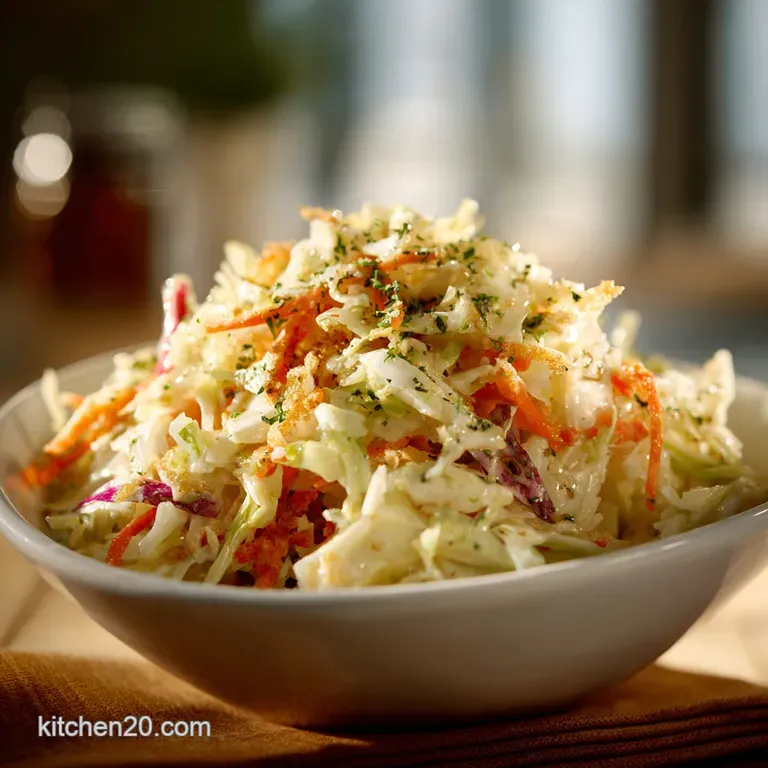
- The Chip Shop Classic: Crispy & Tangy Creamy Coleslaw
- Achieving the Ultimate Texture: The Science of Moisture Management
- Essential Ingredients for Robust, Creamy Coleslaw
- The Method: How to Make Crispy Creamy Coleslaw
- Mastering Your Slaw: Chef's Tips and Troubleshooting Guide
- Making Ahead: Storage, Shelf Life, and Large Batch Guidelines
- Perfect Pairings: What to Serve With Classic Creamy Coleslaw
- Recipe FAQs
- 📝 Recipe Card
The Chip Shop Classic: Crispy & Tangy Creamy Coleslaw
There is nothing sadder than a beige, watery spoonful of store-bought coleslaw. I mean, come on, that pathetic lack of crunch is just an insult to the cabbage! Homemade coleslaw , however, is a vibrant, crunchy side dish that sings with sharp, creamy flavor.
This isn't just a side dish; it’s a total game changer for weeknight dinners and last minute barbecues. It takes about 15 minutes of actual work, costs next to nothing, and always makes people think you’ve been slaving away all day. Forget the hassle.
This easy coleslaw recipe is your new best friend.
The real trick to making legendary coleslaw isn't just the dressing ingredients (though those matter). It's all about how you treat the poor, misunderstood cabbage before you even start mixing. Let's crack on and guarantee you maximum crunch and zero sog.
Achieving the Ultimate Texture: The Science of Moisture Management
This recipe consistently produces the best homemade creamy coleslaw because it ruthlessly tackles the moisture problem head-on. Cabbage, bless its heart, is basically a sponge filled with water.
If you just dump the dressing straight onto the shredded vegetables, they sweat out that water over the next hour. That’s why your amazing dressing turns into thin, watery swamp goo at the bottom of the bowl.
The Secret to Maximum Crunch and Crispness
We must convince the cabbage to release its water before it meets the mayo. This crucial step is called "sweating," and it is non-negotiable if you want that wonderful, snappy resistance in every bite. If you skip this, you’re basically making vegetable soup, and nobody wants that.
Defining the Perfect Tang-to-Cream Ratio
A truly great coleslaw dressing needs to be aggressively acidic. Since you’re combining it with heavy ingredients like full fat mayonnaise and sour cream, you need that sharpness to cut through the richness. If the dressing tastes too tangy on its own, you’re doing it right.
It mellows significantly once combined with the crunchy cabbage.
Addressing the 'Crock' Problem: Preventing Watery Slaw
I once made 5 gallons of slaw for a massive neighborhood cookout and ignored the salting step because I was rushing. Disaster. The entire batch was weeping within an hour. The problem is osmotic pressure the salt draws the water out, stabilizing the vegetables.
Salting the Cabbage: Drawing Out Excess Water
You need to use fine grain salt for this technique, as it dissolves quickly and distributes evenly. We toss the shredded cabbage and carrots with salt, let it sit in a colander, and watch the water drip out. It’s highly satisfying and hugely effective.
The Double Wash and Spin Strategy
After the salt has done its job, you must rinse the cabbage quickly to wash away that surface salt. Do not skip the rinse. If you skip it, your slaw will be inedibly salty. Then, you absolutely must dry the cabbage.
Use a salad spinner if you have one; if not, grab two clean tea towels and press that moisture out.
Flavor Layering: Acid First, Cream Last
Always whisk your acidic ingredients (vinegar, mustard, sugar) into the creamy base (mayo, sour cream) before adding the pepper. This ensures all the sugar is dissolved and the essential tang is evenly distributed throughout the coleslaw dressing recipe .
Essential Ingredients for Robust, Creamy Coleslaw
You don't need a massive list, but you do need quality ingredients for the best flavour. Using good mayonnaise makes a massive difference here. Don't cheap out on the mayo, please!
Selecting the Best Cabbage Varieties (Red vs. Green)
I always use a mix of green and red cabbage. Green cabbage provides the bulk and the mild flavour, while red cabbage is brilliant for colour pop and tends to hold its structure even better. You can use 100% green if that’s all you have, but the red adds visual depth.
Mastering the Dressing Base (Mayonnaise vs. Sour Cream)
Full fat mayonnaise is the foundation of a creamy slaw. The sour cream (or crème fraîche) is added to lighten the mayo's density slightly and give it a secondary layer of dairy tang. This mix gives you a beautiful balance that’s richer than just using mayo alone.
Tang Agents: Apple Cider Vinegar and Dijon Mustard Notes
Apple Cider Vinegar (ACV) provides a softer, fruitier acidity than white vinegar. The Dijon mustard isn't just for flavor; it's an emulsifier, which helps keep the dressing stable and prevents it from separating in the fridge.
Quick Swaps for Dietary Needs
| If You Don't Have... | Use This Instead... | Notes |
|---|---|---|
| Green Cabbage | Brussels Sprouts (shredded) | Provides a stronger, sharper brassica flavour. |
| Mayonnaise | Plain Greek Yoghurt (Full Fat) | Lighter consistency, much tangier, great for a healthier option. For a non-creamy alternative, try my Sunshine Citrus No Mayo Coleslaw Bright Tangy . |
| Apple Cider Vinegar | White Wine Vinegar | Slightly sharper, but maintains the necessary acidity. |
| Granulated Sugar | Honey or Maple Syrup | Use 2 teaspoons instead of 1 tablespoon, as liquid sweeteners are generally stronger. |
The Method: How to Make Crispy Creamy Coleslaw
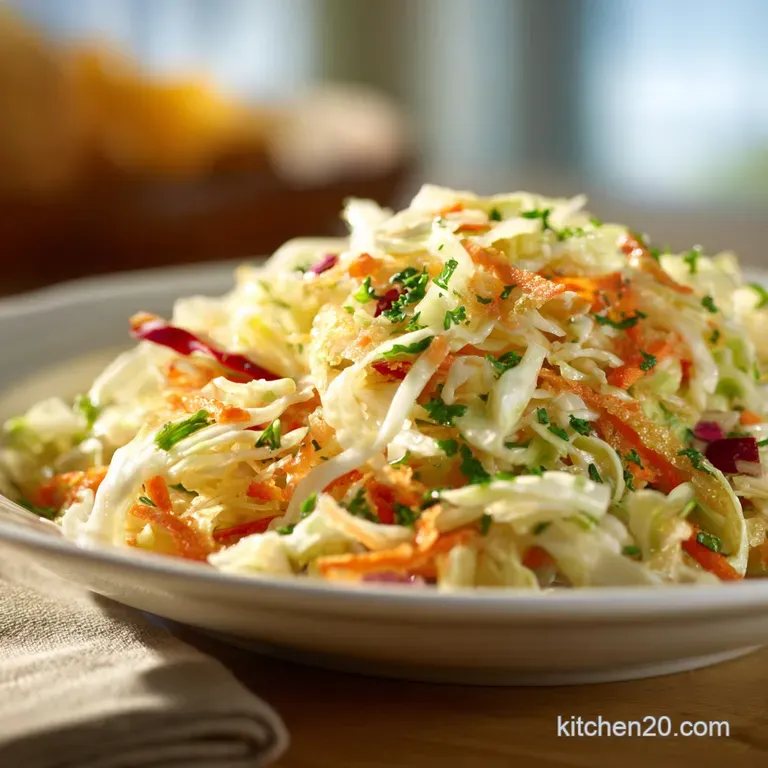
This method focuses entirely on prep steps that eliminate the common problem of watery slaw. Focus on the timing of the salting.
Prepping the Vegetables: Cutting and Shredding Guidelines
Shred the cabbage thinly, like you mean it. If you have a mandoline, use it carefully to get those lovely, delicate shreds. If you’re using a knife, aim for pieces no thicker than a matchstick. Grate the carrots coarsely; fine grating releases too much water too quickly.
The Crucial Salting and Resting Phase
- Shred and Combine: Toss the shredded cabbages and carrots together in your biggest bowl.
- Add the Salt: Sprinkle the 1 teaspoon of fine sea salt over the mix. Use your hands to thoroughly coat every piece of vegetable.
- The Sweat: Transfer the salted vegetables to a colander positioned over the sink. Let them sit, or "sweat," for 15– 20 minutes. You will see liquid dripping out that is the water we are saving the dressing from!
Chef's Note: Don't be tempted to skip the rinse! After salting and draining, quickly rinse the vegetables under cold water to remove the excess surface salt. Immediately spin them in a salad spinner or press them dry in towels. This is your insurance policy against soggy slaw.
Mixing the Dressing: Consistency Check
In a separate, smaller bowl, whisk together the mayonnaise, sour cream, ACV, sugar, Dijon, and pepper. Whisk until it is smooth and slightly runny, not paste like. Taste it now; it should taste strong and punchy.
Combining and Resting for Flavor Fusion
- Dress Sparingly: Return the dried vegetables to the large bowl. Pour in about three quarters of the dressing. Fold everything together gently using tongs.
- Chill Out: Cover the bowl tightly and refrigerate for a minimum of 45 minutes. This chilling time allows the tang of the vinegar to gently soften the cabbage edges, making it incredibly flavorful while keeping the interior crunch intact.
- Final Adjustment: Right before you serve, taste it. If the slaw looks a bit dry, add one or two spoonfuls of the remaining dressing to freshen it up. This final dressing step makes all the difference in presentation. For a similar classic approach, check out my Classic Coleslaw with a Zesty Twist: My Go-To Recipe .
Mastering Your Slaw: Chef's Tips and Troubleshooting Guide
The Cardinal Sin: Over Dressing the Slaw Too Soon
This is the biggest mistake people make. If you dump all the dressing in at the start, the cabbage absorbs it all during chilling, making the slaw heavy, greasy, and ultimately soggy. Start light. You want the vegetables coated, not floating.
Adjusting Seasoning After the Chill
Flavors change when cold. Once your creamy coleslaw has chilled for 45 minutes, the salt and acidity will taste slightly muted. Always give it one last tasting spoon, perhaps adding a final pinch of pepper or a tiny splash more vinegar if it tastes flat.
Fixing Slaw That Has Gone Limp or Soggy
If your slaw is already turning into a watery mess, honestly, there isn't a miracle cure for soggy cabbage. The best fix is to introduce more structure. Shred half a cup of fresh, unsalted cabbage and stir it into the mix to restore some much needed crunch.
Making Ahead: Storage, Shelf Life, and Large Batch Guidelines
Ideal Storage Vessels and Airtight Sealing
Store your homemade slaw in a container that allows the least amount of air exposure possible. A sturdy plastic container with a locking lid or a glass jar works best. Keeping air out slows down oxidation and keeps the slaw crisper longer.
How Long Does Homemade Coleslaw Last?
Because of the fresh dairy content (mayonnaise and sour cream), this coleslaw recipe is best consumed within 3 to 4 days. After day 4, the texture really starts to degrade, and the cabbage loses its snap. Day 2 is often the flavor peak! If you are interested in a deeper dive, I have a recipe for Creamy Southern Coleslaw Best sides for ribs ever which discusses shelf life for cookout dishes.
The Truth About Freezing Coleslaw (Spoiler: Don't Do It)
But does it freeze well? You bet it doesn’t. Cabbage is high in water content. When frozen, the water expands, rupturing the cell walls. When it thaws, the texture is utterly destroyed it turns mushy and wet. Do not attempt to freeze coleslaw. Make it fresh, or just make a smaller batch.
Perfect Pairings: What to Serve With Classic Creamy Coleslaw
Coleslaw is the perfect acidic, cool counterpoint to anything hot, smoky, or heavily seasoned.
- Pulled Pork & BBQ: It is mandatory on a pulled pork sandwich. The sharp tang cuts right through the richness of the smoky meat and sweet barbecue sauce.
- Fish and Chips: The classic British pairing. The cold, crisp slaw balances the hot, oily fried batter beautifully.
- Tacos: Seriously, try using this slaw as a topping for fish or shrimp tacos instead of plain shredded lettuce. It adds a welcome burst of flavor.
- The Picnic Platter: Serve alongside hard cheeses, pork pie, and cold cuts.
Recipe FAQs
Why does my homemade coleslaw become watery or soggy after an hour?
This common issue is caused by the high water content in the cabbage releasing moisture after being dressed. To prevent this, you must salt and drain the shredded cabbage thoroughly for at least 30 minutes before mixing; this process draws out excess water that would otherwise dilute your creamy dressing.
If it does become watery later, avoid stirring it unnecessarily and try adding a small spoonful of extra mayonnaise right before serving to re-emulsify the mixture.
Can I prepare the cabbage and dressing ahead of time?
You can certainly prepare the shredded vegetables (cabbage and carrots) up to 24 hours in advance, ensuring they are tightly sealed in the refrigerator after the required salting and drying steps.
However, the creamy dressing should always be stored separately and combined with the vegetables no more than 2 to 3 hours before serving. Combining too early compromises the texture.
How long will this creamy coleslaw last in the refrigerator?
Properly stored homemade coleslaw will last safely for 3 to 4 days in an airtight container in the refrigerator. While the flavour may improve slightly on the second day, be aware that the texture will soften continually as the salt continues its work on the cabbage.
Always discard the slaw if it develops an off odour or shows signs of separation beyond a slight weeping.
Can I freeze leftover coleslaw?
No, freezing coleslaw is strongly discouraged due to the high water content of the cabbage and the delicate nature of the mayonnaise emulsion. Upon thawing, the water separates from the cabbage, resulting in a mushy texture, and the dressing becomes grainy and oily, making the salad entirely unappetizing.
How can I make the dressing lighter or adapt it for a vegan diet?
To create a lighter dressing, substitute half of the mayonnaise with Greek yogurt, buttermilk, or crème fraîche, which maintains creaminess with fewer calories. For a robust vegan alternative, use a high-quality, full fat vegan mayonnaise and replace any honey in the recipe with maple syrup or agave nectar for sweetness.
What is the benefit of salting the cabbage before dressing it?
Salting the cabbage is a crucial culinary technique known as 'wilting' or 'sweating,' which removes excess moisture via osmosis. This step ensures two critical outcomes: it concentrates the flavour of the cabbage and prevents the creamy dressing from being rapidly diluted, guaranteeing the crisp, crunchy texture lasts longer.
I prefer a sharper, vinegary slaw. How do I adjust the flavour profile?
To achieve a sharper, less creamy profile, reduce the mayonnaise content and increase the amount of apple cider vinegar or lemon juice by up to 50%. You can also incorporate a tablespoon of finely diced red onion or a pinch of celery seed, which provides a stronger, more assertive savoury note that cuts through the creaminess.
Crispy Creamy Coleslaw Recipe
Ingredients:
Instructions:
Nutrition Facts:
| Calories | 415 kcal |
|---|---|
| Protein | 3.4 g |
| Fat | 36.2 g |
| Carbs | 18.9 g |
