Black Beans: Slow-Simmered Cuban Frijoles Negros
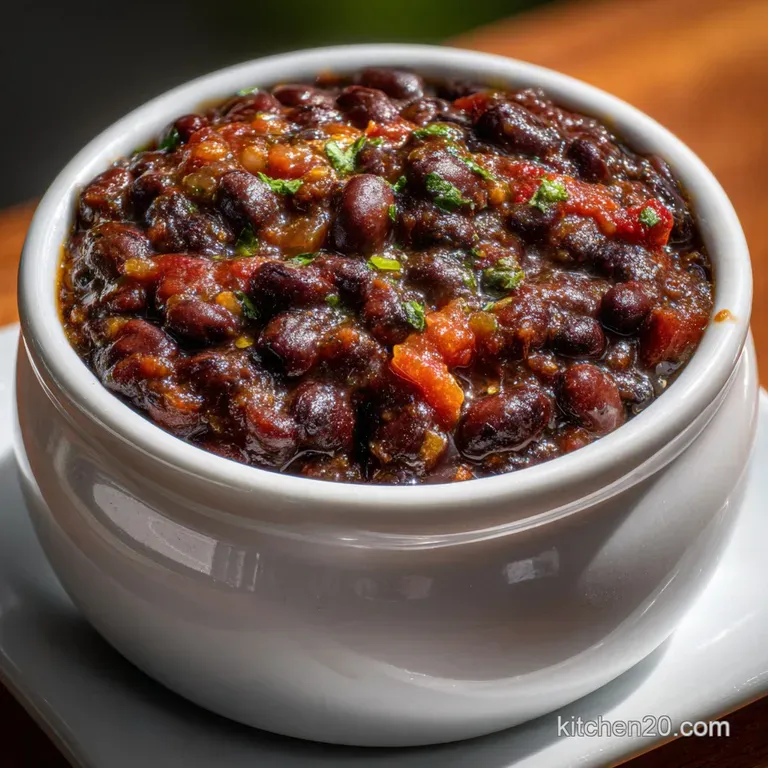
- Unlocking the Authentic Taste of Frijoles Negros
- Essential Pantry Checklist for Cuban Black Beans
- The Science of Velvety Texture: Why Slow Simmering Matters
- Step-by-Step: Transforming Simple Ingredients into Savoury Perfection
- Troubleshooting Frijoles Negros: Chef's Tips for Success
- Handling Leftovers: Storage, Freezing, and Reheating Guide
- Serving Suggestions: Classic Pairings and Creative Uses
- Recipe FAQs
- 📝 Recipe Card
Unlocking the Authentic Taste of Frijoles Negros
Do you know that smell? That specific, deeply comforting, savory aroma that fills the air when onions and garlic hit hot oil, mixing with the earthy scent of simmering legumes? That, my friend, is the smell of truly phenomenal Black Beans , or Frijoles Negros , taking over your kitchen.
It’s the kind of scent that promises warmth and richness on a cold night.
If you thought cooking dried beans was a complicated chore reserved for grandmothers or professional chefs, stop right there. This particular recipe is a total game changer. It’s unbelievably cheap, ridiculously satisfying, and once you master the simple steps, it becomes the most reliable, comforting staple in your weekly rotation.
Forget those sad, metallic tasting canned beans forever.
We aren't just making a side dish today; we're crafting a centerpiece. We’re going deep into the traditional Cuban method of sofrito and slow cooking, ensuring every spoonful of these Black Beans is pure, velvety perfection.
Let’s crack on and elevate this humble pantry ingredient into something extraordinary.
A Deep Dive into Cuban Comfort Food History
Every culture has its foundational comfort food, and in Cuba and much of the Caribbean, that title belongs to Frijoles Negros . They are historically significant, incredibly nutritious, and represent the perfect intersection of simplicity and deep flavour complexity.
When you cook them low and slow, you’re not just rehydrating them; you’re unlocking their potential, turning firm little legumes into a rich, savory gravy.
The Culinary Importance of the Sofrito Base
The secret weapon in achieving complex flavour when you prepare Black Beans isn't some fancy ingredient; it's the sofrito . This base a slow sautéed mix of onions, green peppers, and garlic is the absolute foundation.
If you rush this step, you get crunchy, sharp vegetables and flat beans. If you take your time, melting the aromatics down slowly until the kitchen smells sweet, you create the bedrock upon which all the Cuban style flavour layers are built.
Wet vs. Dry: What Defines Perfect Black Beans?
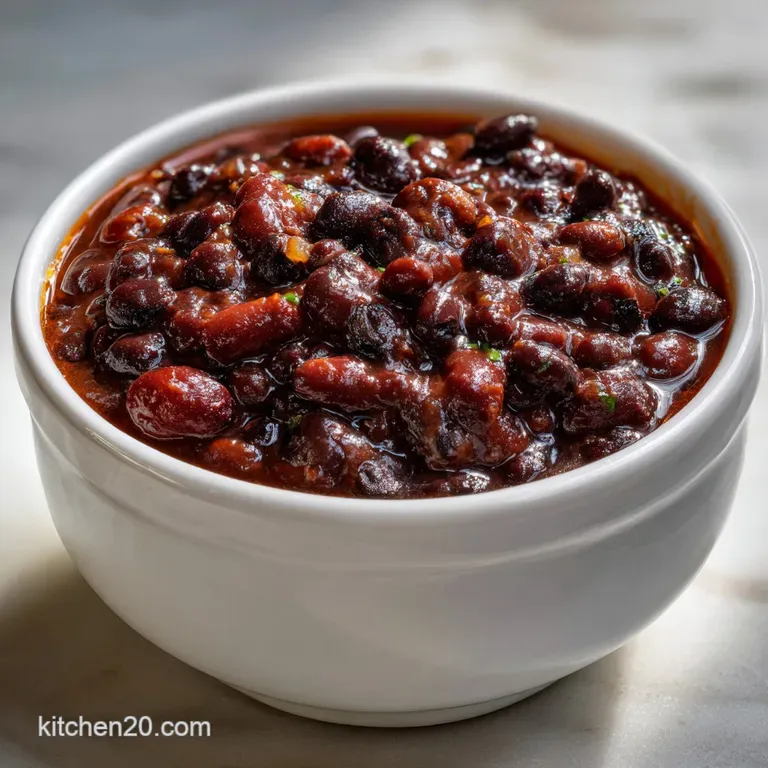
Unlike some other bean dishes that aim for a thick, almost paste like consistency, traditional Frijoles Negros should be soupy, but not watery. The liquid needs body; it should cling to the beans and coat the back of a spoon.
Achieving this perfect consistency requires gentle simmering and that little trick we use of mashing a few beans right at the end. That starch release gives these fantastic Black Beans their signature velvety texture.
Essential Pantry Checklist for Cuban Black Beans
Honestly, the ingredients for this staple are dirt cheap, which is part of the appeal. We are maximizing flavour on a budget here. You will need high-quality dried Black Beans , but don't stress over anything too esoteric.
| Ingredient | Substitute (if you're missing it!) |
|---|---|
| Dried Black Beans | Canned beans (see variation notes for shorter cook time) |
| Red Wine Vinegar | Fresh lime juice and zest (adds great brightness) |
| Green Bell Pepper | Red bell pepper (it will be sweeter, but still works) |
| Yellow Onion | White or red onion (yellow provides the best balance of sharpness/sweetness) |
| Dark Brown Sugar | Molasses or honey (use half the amount) |
| Mexican Oregano | Standard Oregano, or skip it entirely if desperate |
The Science of Velvety Texture: Why Slow Simmering Matters
I made every mistake imaginable when I first started learning how to prepare Black Beans . I’d boil them too hard, I’d forget to soak, and I’d end up with beans that were either mushy on the outside and crunchy in the middle, or just plain bland.
The key is gentle, patient simmering. This allows the beans to cook evenly, softening their skins gradually while releasing starches into the cooking liquid. This process is absolutely vital if you want that beautiful, velvety sauce.
Choosing the Right Beans (Dried vs. Canned Considerations)
If you want the absolute best flavour and texture, you must start with dried Black Beans . They absorb all the wonderful aromas from the sofrito as they cook, leading to a much deeper flavour profile than canned versions.
Always ensure your dried beans aren't ancient the older they are, the harder they are to soften, resulting in the dreaded tough skin issue. If time is genuinely your enemy, using good quality canned beans is an option, but you must drastically reduce the liquid and cook time (see variations).
Substitutions for Key Aromatics and Spices
Look, recipes should be flexible. While the traditional Cuban Black Beans Recipe relies heavily on cumin and oregano, don't panic if your spice cabinet is sparse. Cumin is non-negotiable, providing that earthy backbone.
If you don't have Mexican oregano (which is a different species than Mediterranean oregano, offering a citrusy/anise note), use standard oregano, or maybe a tiny pinch of dried marjoram. Don't sub the green bell pepper though; its specific slight bitterness is necessary for balance.
Mastering the Garlic-to-Aromatic Ratio
This is where many home cooks fail! We want lots of flavour, but we don't want raw garlic sharpness. We add the garlic after the onions and peppers have softened. This 1 minute bloom allows the garlic oils to activate with the heat of the pan and the spices without burning.
Burnt garlic tastes bitter and ruins the whole pot. Trust me, I learned that the hard way one disastrous Thursday night.
Building Flavour Layers: The Sofrito's Role
The sofrito is the main character in this story. Once you’ve sautéed your aromatics and bloomed your spices (cumin! oregano! oh, the smell!), you add the whole glorious mess directly to the simmering beans. This instant infusion of flavour is critical.
Now the beans spend the next hour absorbing all that pungent deliciousness, transforming simple broth into rich gravy.
The Acid Balance: Vinegar, Citrus, and Depth
This is the secret weapon of great Cuban Black Beans. If your beans taste flat, they are missing acid. We add red wine vinegar right at the end, alongside the salt and a little sugar. This final punch of acid cuts through the richness, brightening everything up and making the entire dish taste complex and vibrant.
If you prefer a citrus edge, the juice of half a lime works wonders too.
Achieving Creaminess Without Heavy Fat
We are aiming for creamy, not oily. We avoid heavy creams or fats here. The creaminess comes purely from starch released by the Black Beans . As they simmer, the heat naturally causes some of the beans to burst.
We simply speed up this process in step 9 by smashing a small portion against the side of the pot. Stir that back in, and you get instant body no flour required!
step-by-step: Transforming Simple Ingredients into Savoury Perfection
Preparing the Soaking Stage (Overnight or Quick Method)
Soaking is non-negotiable if you are using dried beans. It drastically reduces the cooking time and, crucially, makes the beans far more digestible (if you know what I mean). Just sort the beans look for little rocks! rinse them well, and cover them in cold water overnight.
If you forgot, try the quick soak detailed in the tips section, but honestly, the overnight soak yields better results.
The Perfect Sofrito Sauté: Time and Temperature
This stage demands patience. You want the heat to be medium low. Add your oil, then the diced onions and peppers. You are not trying to brown them; you are dissolving them into fragrant softness. This process should take 8 to 10 minutes, making your kitchen smell amazing.
Once they are translucent, you stir in the garlic and spices for just 60 seconds to release those powerful essential oils.
Combining, Simmering, and Adjusting the Consistency
Once the sofrito meets the simmering Black Beans , the magic truly begins. Stir it all in, then reduce the heat to maintain a bare, gentle bubble.
This long, low simmer (45- 60 minutes) allows the starches to thicken the liquid and ensures the flavours marry perfectly. Keep an eye on the water level, adding a splash of hot water if things get too thick, but generally, you want it reducing slowly.
The Final Flavour Check and Rest Period
Once the beans are tender they should smoosh easily against the roof of your mouth it’s time for the final seasoning. Add the sugar, salt, and vinegar. Taste, taste, taste! You might be shocked at how much salt these beans can handle.
If it tastes dull, add more salt; if it tastes acidic, add more sugar. Then, here is the most important instruction: Turn off the heat and walk away. Let the finished Black Beans sit for 15 minutes off the burner.
This resting period allows the liquid to settle and the flavours to truly integrate.
Troubleshooting Frijoles Negros: Chef's Tips for Success
Fixing Black Beans That Won't Get Soft
Did you add the salt too early? That's the number one culprit. If you’ve been simmering for three hours and the skins are still tough, there are two likely causes: either old beans (which sometimes are unsalvageable) or that early salting mistake.
Try adding a tiny pinch of baking soda (1/4 tsp) to the cooking water; this raises the pH and helps soften the pectin in the skins. Don't overdo it, or the beans will taste soapy!
Why Your Beans Taste Flat (The Salt and Acid Fix)
If your finished Black Beans taste "good" but not "amazing," they need acid and salt. Most home cooks under season legumes. Add the kosher salt in increments of 1/2 teaspoon, stirring and tasting each time. Then, add the vinegar.
That bright tang of acid is what cuts through the starch and makes this Black Beans Recipe truly sing.
Achieving a Thicker, Restaurant Quality Sauce
If you forgot to mash some beans in the pot, or your batch is still too thin, don't panic. Simply scoop out about 1 cup of the beans and liquid into a separate bowl. Smash them thoroughly with a fork or use an immersion blender quickly, just for a few seconds. Return this thick, starchy paste to the pot.
Stir it through, and within minutes, you will have that beautiful, creamy consistency you were hoping for.
Handling Leftovers: Storage, Freezing, and Reheating Guide
Maximizing Fridge Life and Safety
Cooked Black Beans store incredibly well, making this a perfect meal prep item. Once fully cooled, transfer them to an airtight container and store them in the refrigerator for up to 5 days. Since this Black Beans Recipe makes a large batch, you might want to consider freezing right away!
Best Practices for Freezing Large Batches
These are spectacular for freezing. I always make a double batch! Divide the cooled Black Beans into serving size containers (or heavy duty freezer bags laid flat). Ensure you include plenty of the cooking liquid. They will keep perfectly for up to 3 months.
When ready to use, thaw overnight in the fridge and reheat gently on the stovetop, adding a splash of water if the sauce looks too tight.
Serving Suggestions: Classic Pairings and Creative Uses
These incredible Black Beans are so versatile, but there is one classic way to eat them.
The Essential Cuban Pairing: Rice and Tostones
The most common way to enjoy Frijoles Negros is over warm, white rice the famous "Moros y Cristianos" or "Moors and Christians" dish. The simple, neutral rice perfectly soaks up that savoury, acidic sauce. We often serve them with crispy fried plantains (tostones) or maybe a side salad.
If you are looking for other ways to use this batch, they make an amazing filling. You can mash them thicker to make the best base for Black Bean Burgers: Smoky Chipotle Recipe That Holds Shape . Alternatively, use the whole beans in bowls alongside fresh salsa and avocado slices. They are a staple! If you love bean dishes, you should also check out my recipe for Mexican Refried Beans: The Real Deal Stovetop Recipe for a completely different textural experience!

Recipe FAQs
Is soaking the black beans necessary before cooking?
While not strictly required, soaking the beans for 6 8 hours significantly reduces cooking time, often by half, and can also improve digestibility. If you choose not to soak, you must budget an extra hour or two for the simmering process to fully soften the dry beans.
Using the quick soak method (boiling for 1 minute, then resting for 1 hour) is a viable middle ground.
My beans are firm even after hours of simmering. What went wrong?
The primary culprit is often cooking the beans in acidic liquid (like vinegar or tomatoes) too early, which prevents the skins from fully softening. Ensure you only add acidic ingredients like vinegar or citrus toward the very end of the cooking process.
Additionally, using old beans that have been sitting in the pantry for over a year may also resist softening.
Can I use canned black beans instead of dried beans?
Yes, but the resulting dish will lack the signature velvety, creamy consistency that dried beans provide during a long slow simmer. If using canned beans, rinse them thoroughly and add them to the prepared sofrito base, simmering only for 20 30 minutes to allow the flavors to properly marry.
How do I achieve the perfect thick, creamy consistency if my beans are too soupy?
The desired creaminess comes from the natural starches released during the simmering process, but you can manually help the thickening along. Simply remove about one cup of cooked beans from the pot and mash them thoroughly using a fork or blender.
Stir this concentrated bean purée back into the main pot to naturally and quickly thicken the liquid.
Why is the vinegar or citrus juice added at the very end of the recipe?
The small touch of acid, usually white wine vinegar or lime juice, is essential for achieving the traditional slightly sweet and-sour profile of proper Frijoles Negros. It is held back until the end because acid inhibits the beans from fully softening, so adding it too early will severely prolong or prevent necessary cooking.
How long do these beans last, and can I freeze them?
Stored in an airtight container in the refrigerator, Cuban black beans will remain fresh for 4 to 5 days, and their flavor often deepens overnight. These beans freeze exceptionally well; transfer cooled portions to freezer safe containers or bags and they will keep their quality for up to 3 months.
Can I make this recipe fully vegetarian or vegan?
Yes, traditional Cuban black beans are naturally vegan as they rely on the sofrito (onion, bell pepper, garlic) for depth, not animal products. If you wish to achieve a slightly smoky flavor that cured meats often provide, you can add 1/2 teaspoon of smoked paprika to the spices.
Cuban Black Beans Perfection
Ingredients:
Instructions:
Nutrition Facts:
| Calories | 541 kcal |
|---|---|
| Protein | 14.2 g |
| Fat | 18.4 g |
| Carbs | 93.1 g |
