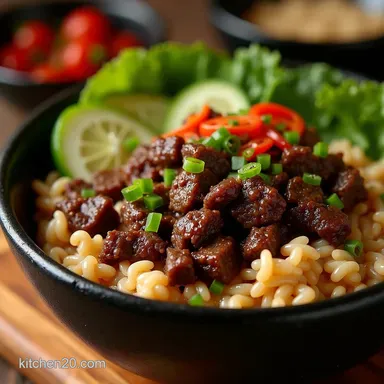
The Quick Mighty Sizzling Black Pepper Beef Rice Bowl
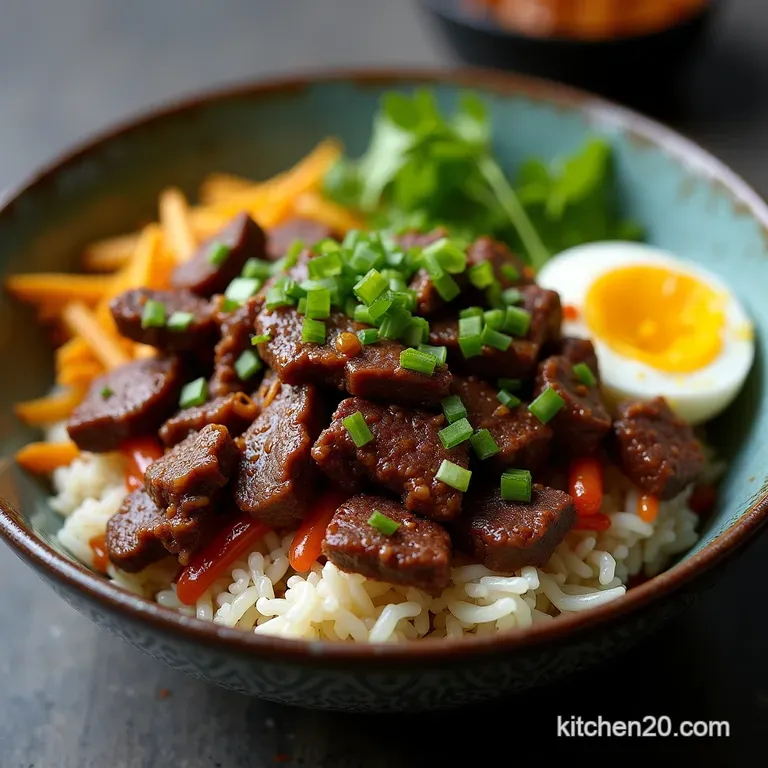
- Unlock the Sizzle: Why This Beef Pepper Rice Bowl Rules Weeknights
- The Teppanyaki Magic, Simplified for Home Cooks
- Assembling Your Powerhouse Components for the Best Flavor
- Mastering the Sear: Step-by-Step Cooking Sequence
- Crafting the Signature Sticky Glaze
- Pro Tips for an Unforgettable Beef Pepper Rice Bowl Experience
- Customizing Your Bowl: Variations and Dietary Swaps
- Recipe FAQs
- 📝 Recipe Card
Unlock the Sizzle: Why This Beef Pepper Rice Bowl Rules Weeknights
If you’ve ever stood mesmerized watching a chef rapidly toss ingredients over a scorching hot flat-top grill, creating aromatic steam clouds and perfectly caramelised edges, then you already know the allure of the Beef Pepper Rice Bowl .
This dish is the epitome of high-impact flavour achieved through high-heat cooking, but the best part? You don't need a commercial kitchen setup to replicate that thrilling experience.
This recipe strips away the complexity while retaining every ounce of that deeply savoury, satisfying punch, making it an ideal candidate for busy evenings when flavour simply cannot be compromised.
Forget tired stir-fries; we are aiming for that distinct, mouth-watering sear that defines a truly excellent Pepper Steak Rice Bowl recipe .
The Teppanyaki Magic, Simplified for Home Cooks
We are borrowing the essential concept from Japanese teppanyaki —using intense, direct heat to achieve rapid caramelisation, and translating it perfectly for your home skillet.
The result is a stunning Tender Beef Rice Bowl that tastes like it took hours, not minutes, to prepare. The secret lies in quick cooking, high-quality searing, and building the sauce right in the hot pan drippings.
This isn't just another stir-fry; it’s a dynamic assembly of textures and intense flavour profiles.
A Flavor Explosion That Takes Under 30 Minutes
When time is short, flavour should never suffer. With only about 15 minutes of dedicated prep time, mostly slicing beef and mixing a quick sauce, and another 12 to 15 minutes actively cooking, this Quick Beef Rice Bowl is ready from start to finish in under half an hour.
This speed is precisely why it earns its crown as a weeknight champion, easily surpassing the wait time for delivery.
Meet Your New Go-To Satisfying Dinner
What makes this dish so profoundly satisfying? It’s the textural contrast. We pair incredibly tender slices of beef, which have been lightly treated to ensure juiciness, against the satisfying crunch of sautéed peppers and onions, all blanketed under a sticky, rich glaze.
Serve this glorious mixture over a bed of warm, fluffy white rice, and you have the ultimate comfort meal: a Savory Beef and Pepper Rice experience that never fails to hit the spot.
Decoding the Iconic Black Pepper Kick
The defining characteristic of this dish is, undeniably, the sheer volume of black pepper. We aren't sprinkling a pinch; we are making it a central, aromatic player. The key is using freshly cracked black pepper, which releases volatile oils when heated, resulting in a sharper, more fragrant heat that dances beautifully against the sweetness of the soy and brown sugar in the glaze.
This aggressive peppering is what elevates the simple beef and pepper combination into the celebrated Beef Pepper Rice Bowl .
Assembling Your Powerhouse Components for the Best Flavor
A successful quick sear relies entirely on preparation. Since the cooking process is so rapid, having every ingredient pre-measured, chopped, and ready to go is non-negotiable. We break down the components into the protein, the vibrant vegetables, and the signature glaze that brings everything together, often featuring a delicious hit of Beef and Pepper Rice Bowl with Hoisin Sauce complexity if using oyster sauce.
Sourcing the Ideal Cut of Beef for Tenderness
To achieve maximum tenderness in such a short cooking window, you need a cut that’s lean but still has enough intramuscular fat for flavour. We are aiming for thinly sliced cuts, about a quarter-inch thick. Sirloin offers a great balance of beefy flavour and tenderness without excessive trimming.
Ribeye is a more decadent alternative if you prefer a richer mouthfeel. The crucial technique here, whether using sirloin or ribeye, is slicing the meat against the grain —this physically shortens the muscle fibres, guaranteeing a more tender bite after searing.
The Marinade Matrix: Building Depth Before Cooking
While the beef cooks quickly, a brief marinade does wonders for texture and baseline flavour. We rely on a simple matrix: a touch of soy sauce for umami, a splash of dry sherry or mirin to tenderize and add complexity, and crucially, a teaspoon of cornstarch.
This starch coats the beef, protecting it from direct heat, locking in moisture, and most importantly, providing the base to help thicken the final sauce, ensuring it truly clings to every strip of beef.
Selecting the Right Peppers and Aromatics
For visual appeal and textural variation in our Teppanyaki Style Beef Rice Bowl , a mix of colours is best. Two large bell peppers, think vibrant red and sunny yellow, sliced into neat strips work perfectly alongside a medium yellow onion, also thinly sliced.
These vegetables should be robust enough to hold up to high heat without turning to mush. Garlic is essential; mince it finely so it releases its flavour quickly when hitting the hot pan without burning before the sauce is ready.
What You Absolutely Need: Pan Size and Spatula Choice
For high-heat cooking like this, a heavy-bottomed skillet or a wok is your best friend. Cast iron is excellent because it retains heat exceptionally well, which is vital when you add cold ingredients. Ensure your pan is significantly larger than you think you need.
This prevents overcrowding during the searing stage, the number one killer of a good crust! A sturdy, flexible spatula will allow you to easily turn the beef and scrape up the fond (the flavourful browned bits) when constructing the sauce.
Related Recipes Worth Trying
- Hearty Savory Cabbage Beef Bake with Crispy Potato Topping — Forget sad dinners This easy Savory Cabbage Beef Bake is a satisfying family casserole with rich filling and golden mash Find the simple recipe here
- The Best Hearty Vegetable Beef Soup Recipe Totally Comforting — Ditch the bland supermarket stuff This easy Vegetable Beef Soup recipe delivers rich slowsimmered comfort food flavour in a big satisfying bowl Get the...
- Grilled Shrimp Bowl Recipe Easy Avocado Corn Salsa — Our grilled shrimp bowl recipe is an easy healthy shrimp dinner featuring zesty avocado corn salsa and a creamy garlic drizzle Get the full recipe
Mastering the Sear: step-by-step Cooking Sequence
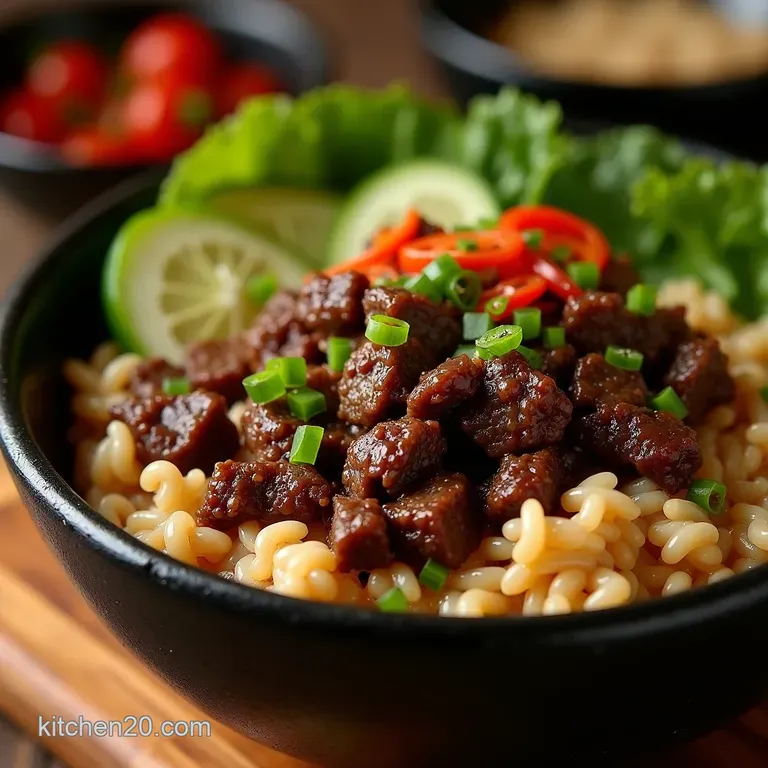
The process must be sequential to ensure every component reaches its peak state at the right time. We move from prep to vegetable foundation, followed by the critical beef sear, and finishing with the rapid construction of the glaze.
Prep Work: Tenderizing and Marinating the Beef Strips
Begin by slicing your chosen beef thinly against the grain, aiming for those perfect quarter-inch strips. Immediately combine these in a bowl with the marinade elements: 1 tablespoon of soy sauce, 1 teaspoon of dry sherry or mirin, and 1 teaspoon of cornstarch.
Toss until every strip is lightly coated and set this aside for a minimum of 10 minutes while you prepare everything else.
High-Heat Execution: Getting the Caramelization Just Right
This step demands focus. Heat your large skillet or wok over high heat until a drop of water instantly sizzles away. Add 1 tablespoon of vegetable oil. Once it shimmers, add half of the marinated beef strips, it is essential not to overcrowd.
Sear rapidly, turning the strips just once or twice, allowing them to develop a rich, dark brown crust. This should take no more than 1 to 2 minutes per batch. Remove the first batch to a clean plate, wipe the pan quickly if necessary, reheat, and repeat with the remaining beef.
Building the Vegetable Foundation: Texture is Key
Lower the heat slightly to medium-high. Add a touch more oil if the pan looks dry, then toss in the sliced onions and peppers. Sauté them quickly, aiming for tender-crispness, they should still have some bite. This should only take about 4 minutes.
Once they reach your desired texture, remove them from the pan and place them on the plate alongside the seared beef.
The Final Toss: Uniting Beef, Sauce, and Heat
Now, return the heat to medium. Pour your pre-mixed Sizzling Sauce mixture (which includes butter, garlic, pepper, and liquids) directly into the hot pan. Stir constantly until the sauce bubbles and begins to thicken, which happens quickly due to the incorporated sugar and cornstarch residue.
As soon as it starts to look glossy, return the beef and the vegetables to the pan. Toss everything together vigorously for about 30 seconds until everything is evenly coated and piping hot. Do not linger here; overcooking the beef now will ruin the tenderness you worked hard to achieve.
Crafting the Signature Sticky Glaze
The glaze is the powerhouse of flavour, taking simple ingredients and transforming them into something deeply resonant. The foundation involves butter for richness, garlic for aromatic depth, and the generous helping of freshly cracked black pepper that defines the Beef Pepper Rice Bowl recipe .
We balance the saltiness of the soy sauce and oyster sauce (or mushroom sauce for a vegetarian twist) with a touch of packed brown sugar, creating that essential sticky coating. A small amount of water or beef broth thins the sauce just enough to coat without being gloppy.
When this mixture hits the hot pan and reduces rapidly, it adheres perfectly to the meat, delivering the ultimate Beef Pepper Rice Bowl experience.
Pro Tips for an Unforgettable Beef Pepper Rice Bowl Experience
To elevate this dish from simply good to truly unforgettable, a few subtle techniques make all the difference. First off,, the pepper grind size is critical; you want visible shards of pepper, not a fine powder.
Next,, working in small batches when searing the beef is non-negotiable for achieving the Maillard reaction that delivers deep flavour. Finally, ensuring your rice is ready before you start cooking the beef means you can serve immediately upon the final toss, capturing that fresh, sizzling quality.
Customizing Your Bowl: Variations and Dietary Swaps
While the core recipe provides a spectacular foundation, this Easy Beef Pepper Rice Bowl concept is wonderfully adaptable. Many chefs love to include an optional topping that melts into the dish, a beautifully runny fried egg or a sprinkle of toasted sesame seeds adds a new dimension.
For those seeking different flavour profiles, a teaspoon of grated fresh ginger added alongside the garlic can push the dish towards a more pan-Asian profile, moving slightly beyond the classic Japanese inspiration but still delivering that terrific Beef Pepper Rice Bowl satisfaction.
Troubleshooting Common Sizzling Mistakes
The most common issue is a watery sauce. This happens if the pan temperature drops too low during the searing phase, causing the beef to release its juices prematurely instead of searing. Always ensure the pan is screaming hot before the meat hits the oil.
If your sauce thickens too rapidly or seizes up, simply stir in an extra tablespoon of warm water or broth off the heat until the desired consistency returns.
Maximizing Freshness: Storage and Reheating Insights
This dish stores surprisingly well, though the crispness of the peppers will soften slightly. Keep leftovers in an airtight container in the refrigerator for up to three days. Reheat leftovers gently in a wok or skillet over medium heat, perhaps adding a tiny splash of water or soy sauce to reintroduce moisture and help the sauce loosen up again.
For the best flavour retention, consume within 48 hours.
Rice Selection Guide: Choosing the Perfect Bedding
The rice is the absorbent canvas for all that intense sauce. While short-grain Japanese sushi rice is traditional and works well, slightly drier day-old rice is actually preferable for reheating as it absorbs the sauce beautifully without becoming overly mushy.
If you want a healthier swap, brown rice works, though it requires longer cooking time initially.
Spice Level Adjustments: From Mild to Mouth-Tingling Heat
If you find 1.5 to 2 tablespoons of freshly cracked pepper too intense, start with 1 tablespoon and taste the glaze before adding the beef back in. To genuinely increase the heat without adding more pepper, consider adding a teaspoon of chili garlic sauce (like Sambal Oelek) or a few thin slices of fresh bird’s eye chili along with the onions and peppers.
This allows you to fine-tune the fire in your Beef Pepper Rice Bowl precisely to your liking.
Recipe FAQs
My Beef Pepper Rice Bowl always seems a bit soggy; how do I get that proper, sizzling sear like they do at the restaurants?
Ah, the perennial issue! It's all down to heat, my friend. You must ensure your pan (preferably cast iron) is smoking hot before any oil or beef hits it. Work in small batches so you don't drop the temperature, crowding the pan is the quickest way to steam your meat instead of searing it.
That high, initial heat locks in the flavour.
How crucial is using freshly cracked black pepper for the Beef Pepper Rice Bowl, and how much is too much?
Honestly, it’s non-negotiable for this dish; pre-ground pepper just tastes dull against the richness of the beef and soy. Use the coarsest setting on your mill! For the recipe quantity (1.5 to 2 Tbsp), that provides the signature punch; however, if you’re sensitive, start with 1 tablespoon and add a pinch more at the end.
You want a peppery bite, not a cough!
Can I prep the beef and sauce ahead of time to make this even faster on a weeknight?
Absolutely, this recipe is brilliant for minimal fuss! You can slice and marinate the beef up to 12 hours ahead and keep it covered in the fridge. Similarly, mix all your sauce ingredients (excluding the butter, which should be added just before cooking) in a sealed jar a day or two in advance.
Just remember to bring the chilled beef out 15 minutes before searing.
I don't have Ribeye; what’s the best substitute cut of beef for this quick-cooking recipe?
If you’re looking for value or just don't have the prime cuts lying around, Sirloin is perfect, as specified in the recipe. Flank steak or skirt steak are also top-notch choices, provided you slice them very thinly against the grain to ensure tenderness.
Avoid tough cuts like stewing beef, as they won't soften up in the short cooking time.
I want to make this gluten-free; what substitutions should I look out for in the sauce ingredients?
Making this gluten-free is straightforward, provided you check the labels carefully. Swap the standard Soy Sauce for Tamari, which is traditionally brewed without wheat. Also, be sure your Oyster Sauce is certified gluten-free, as many brands use wheat as a thickener; sometimes a good quality mushroom-based vegetarian sauce is a safer bet.
Easy Sizzling Black Pepper Beef Rice Bowl Recipe