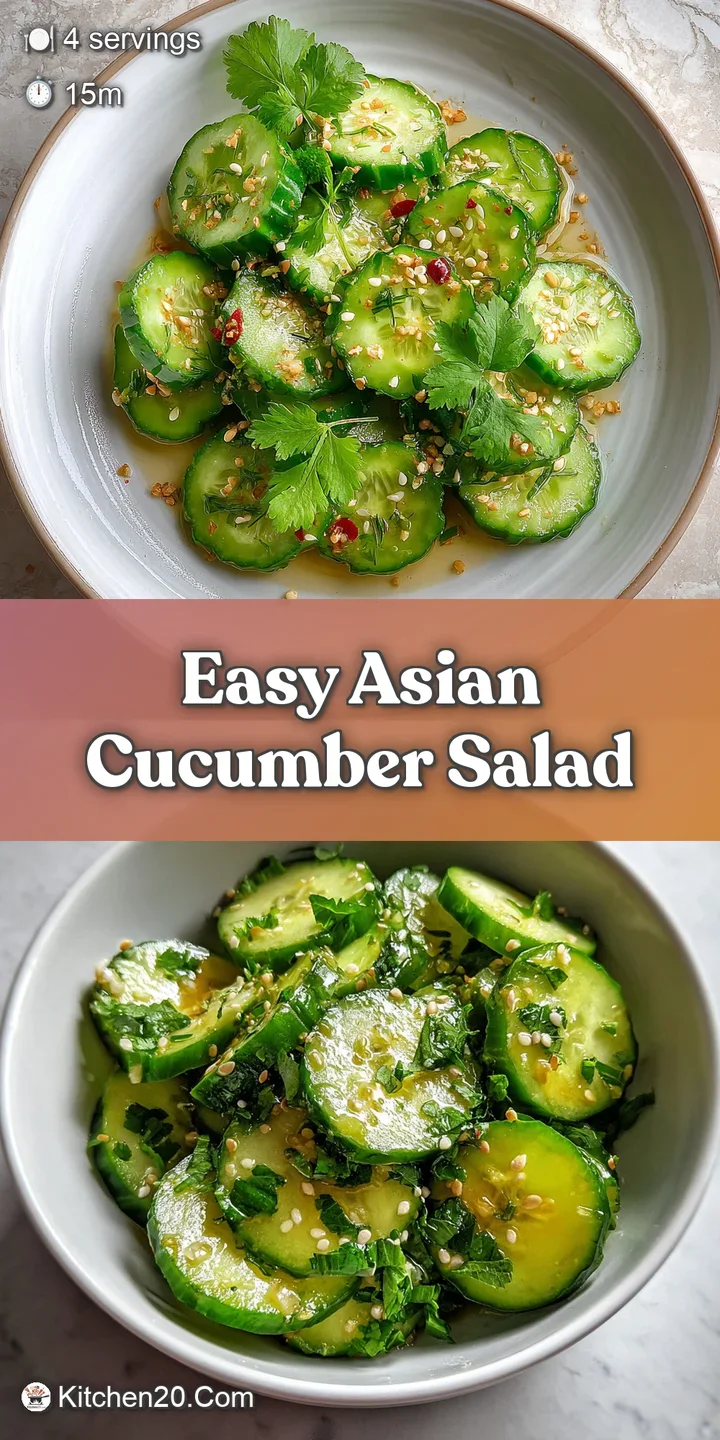
Easy Asian Cucumber Salad
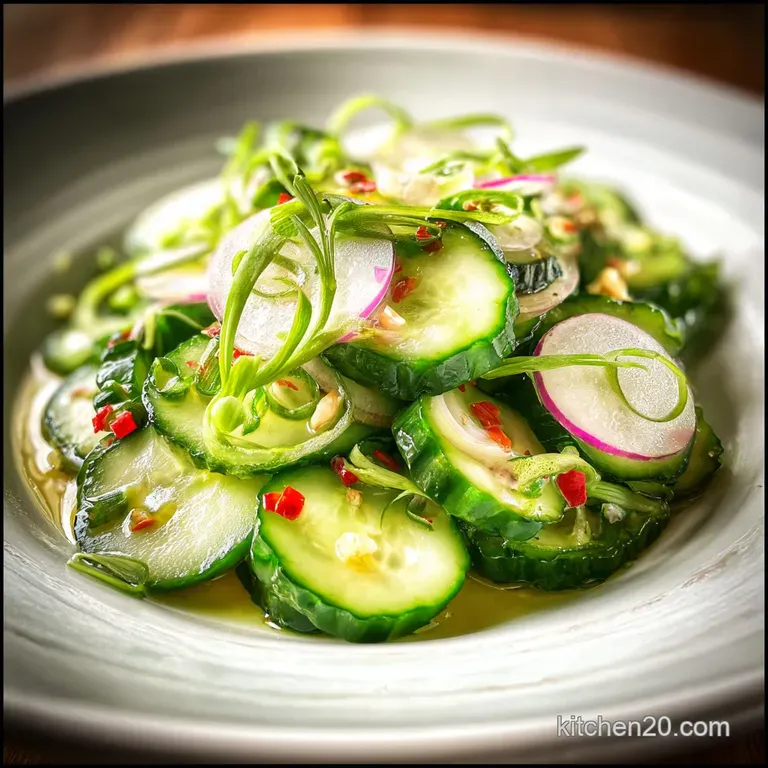
- Time: Active 10 minutes, Passive 5 minutes, Total 15 minutes
- Flavor/Texture Hook: Shatteringly crisp cucumbers with a spicy, umami rich finish
- Perfect for: High speed weeknight sides or light office lunches
- Why This Easy Asian Cucumber Salad Rocks
- The Science of Why it Works
- Performance Metrics for This Salad
- Flavor Chemistry and Component Analysis
- Minimal Tools for Maximum Efficiency
- The Essential Ingredient List
- Mastering the Crunch Step By Step
- Solving Common Texture and Flavor Issues
- Delicious Variations for This Salad
- Strategic Storage for Lasting Freshness
- Perfect Pairings for This Recipe
- Myths About Cucumber Prep
- Easy Asian Cucumber Salad FAQs
- 📝 Recipe Card
Why This Easy Asian Cucumber Salad Rocks
Have you ever sat down with a bowl of cucumbers only to find they've turned into a soggy, limp mess within ten minutes? I used to think that was just the "nature of the beast" when dealing with high water produce. It drove me crazy because the flavors were there, but the texture felt like eating wet paper.
After a few experiments and one very watery kitchen disaster I realized that treating cucumbers like a coding project with specific inputs and outputs changes everything.
This Easy Asian Cucumber Salad is my favorite hack for when I need something vibrant and snappy but only have a few minutes between tasks. It isn't just about the vinegar and soy sauce; it is about the structural integrity of the vegetable.
I’ve integrated shelled edamame into this version because it adds a velvety contrast to the sharp crunch of the English cucumbers. It's a quick bite that feels intentional, not just thrown together.
We are going for a fusion vibe here that respects the traditional flavors of a sunomono but adds the "chili crisp" energy we all crave these days. Trust me, once you see how the salt works its magic on the cell walls of the cucumber, you’ll never just toss them in dressing and hope for the best again.
Let’s get into the mechanics of why this works so well.
The Science of Why it Works
Osmotic Pressure: Salt draws internal moisture out of the cucumber cells through osmosis, which collapses the vacuoles and creates a denser, crunchier texture that won't leak water later.
Acidic Denaturation: The acetic acid in rice vinegar slightly breaks down surface fibers, allowing the umami rich soy sauce and sesame oil to penetrate the flesh rather than just sliding off.
| Preparation Method | Texture Result | Best Use Case | Efficiency Score |
|---|---|---|---|
| Smashed (Pai Huang Gua) | Craggy and porous | Maximum sauce cling | 9/10 |
| Thinly Sliced (1/8 inch) | Uniform and snappy | Refined side dish | 8/10 |
| Large Chunks | Dense and watery | Slow snacking | 5/10 |
Choosing the right preparation method is like choosing the right library for your code; it dictates the entire flow of the project. While many prefer the "smashed" method for its rustic feel, I find that 1/8 inch slices offer the best balance of surface area for this specific vinaigrette.
Performance Metrics for This Salad
When we talk about "cooking" a salad, we are really talking about thermal management of the secondary ingredients. For this Easy Asian Cucumber Salad, the only heat we encounter is for the edamame. It's a small step, but doing it right prevents the salad from becoming tepid or losing its vibrant green hue.
| Cooking Method | Time | Texture | Best For |
|---|---|---|---|
| Stovetop (Steam) | 5 minutes | Velvety/Tender | Maintaining bright green color |
| Oven (Roast) | 12 minutes | Nutty/Firm | Adding a charred, smoky depth |
If you have the time, roasting the edamame in the oven adds a layer of complexity that pairs beautifully with the chili crisp. However, for a quick lunch, a 5 minute stovetop steam is the gold standard for efficiency.
Flavor Chemistry and Component Analysis
Selecting the right components is where the fusion magic happens. You aren't just looking for "a cucumber"; you are looking for a vessel that can handle the aggressive salt and acid of the dressing.
English cucumbers are the only way to go here because their skins are thin and their seeds are negligible, which prevents that bitter aftertaste you get from standard garden varieties.
| Component | Science Role | Pro Secret |
|---|---|---|
| Rice Vinegar | pH Balancer | Use unseasoned vinegar to control the sugar to acid ratio manually. |
| Chili Crisp | Emulsified Heat | The sediment at the bottom of the jar holds the most concentrated flavor. |
| Toasted Sesame Oil | Lipid Coating | Adds a hydrophobic layer that prevents the vinegar from wilting the veg too fast. |
I like to think of the sesame oil as the "sealant" for the salad. It provides that silky mouthfeel that balances the sharp tang of the rice vinegar. Similar to how we balance fats in my Classic Chicken Salad recipe, the oil here anchors the lighter aromatics.
Minimal Tools for Maximum Efficiency
You don't need a pantry full of gadgets to pull this off. In fact, over complicating the toolset usually leads to more cleanup and less eating. For a busy cook, the goal is to reduce friction between the craving and the first bite.
- Mandoline Slicer: This is your best friend for achieving that uniform 1/8 inch thickness. If you don't have one, a very sharp chef's knife works, but your "UI" might be a bit inconsistent.
- Large Stainless Steel Bowl: You need room to toss everything vigorously without losing the edamame over the sides.
- Small Mason Jar: My favorite shortcut for the vinaigrette. Shake it up, and you’ve got a perfectly emulsified dressing in seconds.
- Colander: Essential for the "salt and drain" phase.
Chef Tip: If you are using a knife instead of a mandoline, "smash" the cucumber with the flat side of your blade before slicing. It creates jagged edges that act like little flavor traps for the chili crisp.
The Essential Ingredient List

Here is exactly what you need to gather. I’ve included some swaps because I know what it’s like to realize you’re out of rice vinegar halfway through a recipe.
- 2 large English Cucumbers (680g): Sliced 1/8 inch thick. Why this? Thin skins mean no peeling required, saving you time and adding fiber.
- Substitute: Persian cucumbers (use 5-6).
- 1/2 cup Shelled Edamame (75g): Steamed and cooled. Why this? Adds a creamy protein boost that makes the salad more substantial.
- Substitute: Cooked chickpeas for a different fusion twist.
- 2 Green Onions: Thinly sliced on a bias.
- Substitute: Chives or very thinly sliced red onion.
- 1/2 tsp Sea Salt: For the crucial moisture drawing phase.
- 2 tbsp Rice Vinegar: The primary acid source.
- Substitute: Apple cider vinegar with a pinch more sugar.
- 1 tbsp Light Soy Sauce: For that essential salty umami baseline.
- Substitute: Liquid aminos or Tamari for a gluten-free version.
- 1 tsp Toasted Sesame Oil: Deep, nutty aromatic.
- 1 tsp Granulated Sugar: To round out the sharp edges of the vinegar.
- 1 tsp Chili Crisp: For heat and texture.
- Substitute: Sriracha and a pinch of red pepper flakes.
- 1 tsp Toasted Sesame Seeds: For a final crunch.
- 1 tbsp Fresh Cilantro (Optional): For a floral finish.
Mastering the Crunch step-by-step
- Slice the cucumbers. Aim for 1/8 inch rounds. Note: Consistency ensures they all "cure" in the salt at the same rate.
- Salt and wait. Toss the slices with the sea salt in a colander. Let them sit for 5 minutes until the surfaces look "weepy" and beads of water form.
- Steam the edamame. Cook the shelled beans for 5 minutes until they are bright green and tender crisp.
- Pat everything dry. This is the most skipped step. Use a clean kitchen towel to squeeze the excess water from the cucumbers. Note: If they stay wet, the dressing will be diluted and bland.
- Whisk the dressing. In your mason jar or a small bowl, combine the rice vinegar, soy sauce, sesame oil, sugar, and chili crisp.
- Combine the base. Place the dried cucumbers and cooled edamame in a large bowl.
- Dress the salad. Pour the vinaigrette over the vegetables and toss until every slice is glossy and coated.
- Final aromatics. Fold in the sliced green onions and cilantro.
- Garnish and serve. Sprinkle with toasted sesame seeds and serve immediately while the textures are at their peak.
Solving Common Texture and Flavor Issues
Even with a simple recipe, things can go sideways. Usually, it's a matter of hydration or balance. If your salad tastes "flat," it almost always needs a tiny bit more sugar or acid to wake up the soy sauce.
Why Your Cucumber Salad is Watery
If your salad looks like a soup after ten minutes, you likely rushed the salting phase or didn't pat the cucumbers dry enough. The salt needs those full five minutes to break down the cell walls.
If you’re in a massive hurry, you can skip the salt and just eat it immediately, but don't expect it to hold up for more than five minutes.
To Balance Excessive Heat
Sometimes that chili crisp packs more of a punch than expected. If your mouth is on fire, don't reach for water. Add another teaspoon of sugar or a splash more rice vinegar. The sweetness and acidity will cut through the capsaicin, making the heat feel more like a warm glow than a burn.
| Problem | Root Cause | Solution |
|---|---|---|
| Limp Texture | Insufficient salt time | Increase salt rest to 10 mins and squeeze harder. |
| Too Salty | Too much soy sauce | Add a splash of water and a pinch more sugar. |
| Bland Flavor | Diluted dressing | Ensure cucumbers are bone dry before dressing. |
Common Mistakes Checklist:
- ✓ Using "slicing" cucumbers with thick, waxy skins (they won't absorb flavor).
- ✓ Forgetting to cool the edamame before adding them (they'll wilt the cucumbers).
- ✓ Over salting; you only need 1/2 tsp to start the osmotic process.
- ✓ Letting the salad sit for hours; the vinegar will eventually break down the crunch.
- ✓ Not shaking the chili crisp jar; all the good "crunchy bits" settle at the bottom.
Delicious Variations for This Salad
If you want to turn this into a "Main Dish," you have a few options. I love adding a cold protein or a different grain to make it more filling.
- The Noodle Hack: Toss this entire salad with cold soba noodles. Increase the dressing by 50% to account for the pasta's absorption.
- Protein Power: Add 1/2 cup of shredded rotisserie chicken or some smoked tofu cubes. This pairs exceptionally well with the edamame already in the recipe.
- Creamy Fusion: Add a few slices of avocado at the very end. The fattiness of the avocado against the sharp vinegar is a world class combination.
If you enjoy the tanginess here, you might also like my Kidney Bean Salad recipe, which uses a similar acidic profile but with a heartier bean base.
- If you want more crunch
- Add 1/4 cup of crushed roasted peanuts at the end.
- If you want it milder
- Replace the chili crisp with a teaspoon of grated ginger and a clove of minced garlic.
- If you want it sweeter
- Use seasoned rice vinegar instead of unseasoned (though watch the salt levels!).
Strategic Storage for Lasting Freshness
Storage is where most people fail with an Easy Asian Cucumber Salad. Because the cucumbers are raw and have a high water content, they have a "half life."
In the Fridge: This will stay "good" for about 2 days, but it will only stay "great" for about 4 hours. After that, the cucumbers begin to lose their structural snap. If you must store it longer, keep the dressing in a separate container and only toss what you plan to eat.
Zero Waste Tip: Don't throw away those cucumber ends or the liquid that drains out during the salting phase. That salty cucumber water is actually a fantastic base for a quick pickling liquid for red onions, or you can even use it in a savory cocktail (think a spicy gin drink).
For the cilantro stems, chop them finely and add them to the dressing they actually have more flavor than the leaves!
Perfect Pairings for This Recipe
This salad is a chameleon. It works as a palate cleanser for heavy, fatty meats or as a bright side for a simple bowl of rice.
I personally love serving this alongside a grilled salmon fillet or some pan-fried dumplings. The acidity of the rice vinegar cuts right through the richness of the fish or the oil in the dumplings. If you are doing a full Mediterranean Asian fusion spread (don't judge, it's delicious!), it actually holds its own next to something like my Greek Cucumber Sauce recipe.
Myths About Cucumber Prep
Myth 1: You must peel the cucumbers. Absolutely not. The skin of an English cucumber is where a lot of the fiber and color live. Peeling them actually makes them more prone to turning mushy. Keep the skins on for that extra "shatter" when you bite down.
Myth 2: Searing the edamame ruins the nutrients. Some people think you only ever steam edamame. While steaming is great, a quick sear or roast (as shown in our comparison table) doesn't significantly degrade the protein or fiber.
It just adds a nutty dimension that makes the salad feel more "chef made."
Myth 3: Vinegar "cooks" the vegetables. While acid does break down tissues, it doesn't "cook" them in the thermal sense. It’s a chemical change. If you find your salad gets too soft, it’s usually the salt that did the heavy lifting, not the vinegar.
Keep your marinating time short if you want that fresh, raw vibe.
Easy Asian Cucumber Salad FAQs
What are the common ingredients in an Easy Asian Cucumber Salad?
Yes, it's typically a blend of crisp vegetables and a tangy dressing. Core components include sliced cucumbers, often English or Persian, tossed with a dressing made from rice vinegar, soy sauce, sesame oil, a touch of sugar, and chili crisp for heat.
Green onions and toasted sesame seeds are frequent additions for freshness and texture.
What are the key ingredients for Korean cucumber salad?
Korean cucumber salad (Oi Muchim) often features sliced cucumbers, garlic, gochugaru (Korean chili flakes), sesame oil, and a touch of vinegar and sugar. It's known for its spicy, garlicky, and slightly sweet flavor profile, with a crunch that comes from either salting the cucumbers or serving them
fresh.
What are the essential ingredients for Japanese cucumber salad?
Japanese cucumber salad (Sunomono) relies on thinly sliced cucumbers, rice vinegar, sugar, and salt for its signature sweet and sour taste. Often, a dash of soy sauce and sometimes dashi or mirin is added for umami depth. This style focuses on a clean, bright, and refreshing flavor.
How do you make Thai cucumber salad?
Thai cucumber salad typically involves sliced cucumbers dressed with a zesty mixture of lime juice, fish sauce, sugar, and chili. It often includes aromatics like garlic and cilantro, and sometimes peanuts for crunch, creating a vibrant, sweet, sour, and spicy balance.
Can I use regular garden cucumbers instead of English ones?
No, it's best to stick with English or Persian cucumbers. Garden cucumbers tend to have thicker skins and more watery seeds, which can lead to a less crisp texture and a more diluted dressing, impacting the overall flavor and snap.
How do I ensure my Asian cucumber salad stays crunchy?
Salt the cucumbers and let them sit in a colander for at least 5-10 minutes to draw out excess moisture, then pat them very dry. This crucial step removes water before dressing is added, preventing a soggy salad and ensuring a crisp texture, much like the technique used to control texture in this How to Make Cucumber Sandwiches Perfectly English Recipe.
Can I add protein to my Asian cucumber salad?
Yes, adding protein transforms it into a more substantial meal. Steamed edamame is a great option for this recipe, providing a creamy contrast to the crisp cucumbers. Other excellent additions include shredded chicken, as seen in our Easy Chicken Salad Recipe: Best Homemade Ever!, or pan-fried tofu.
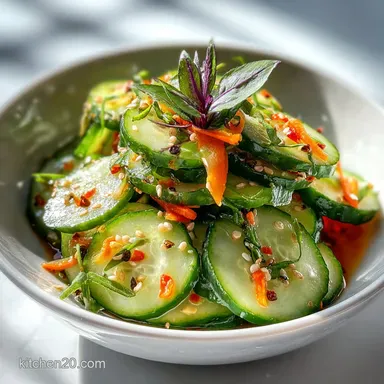
Easy Asian Cucumber Salad
Ingredients:
Instructions:
Nutrition Facts:
| Calories | 81 kcal |
|---|---|
| Protein | 3.5 g |
| Fat | 3.3 g |
| Carbs | 9.2 g |
| Fiber | 2.1 g |
| Sugar | 4.1 g |
| Sodium | 385 mg |
